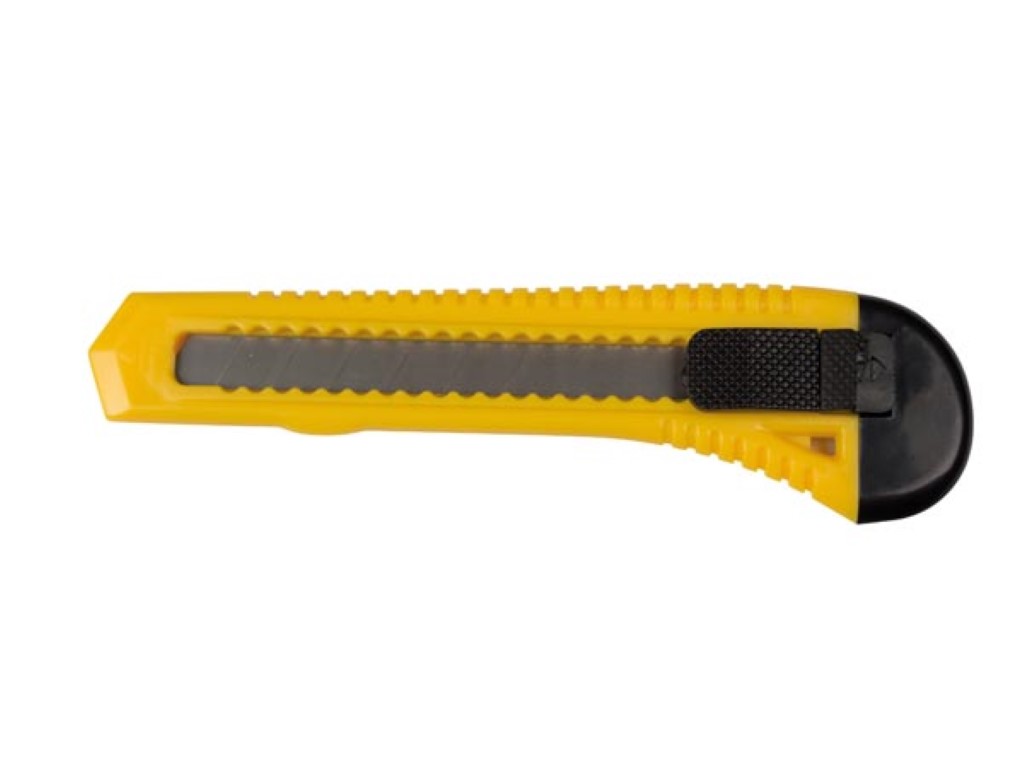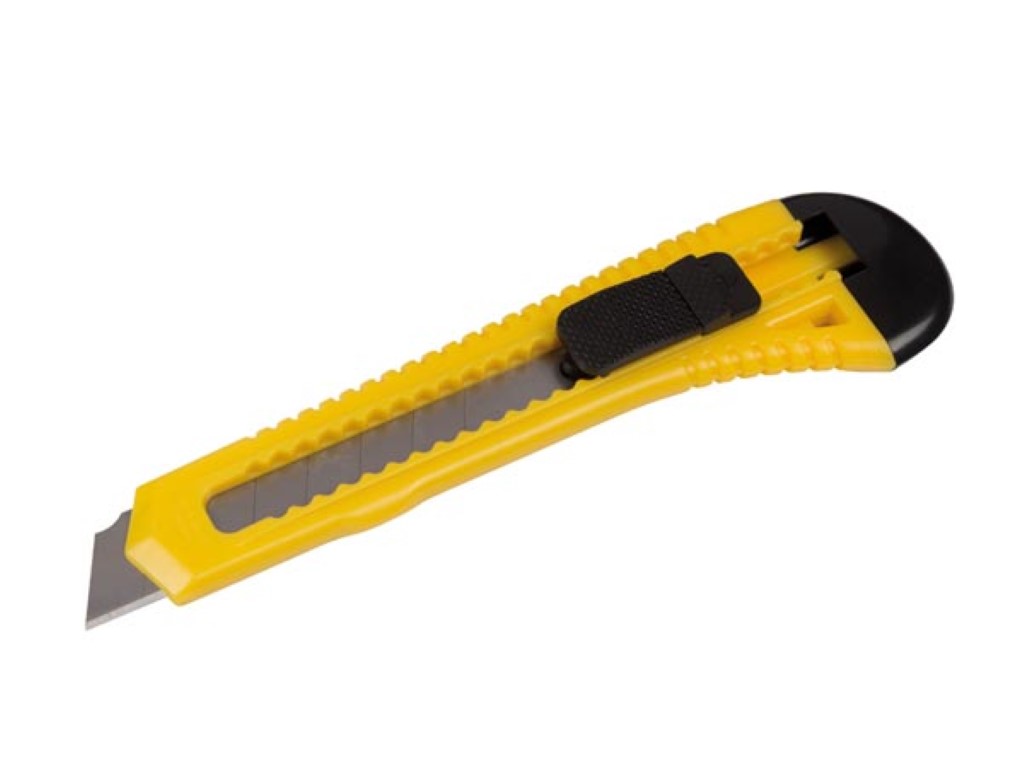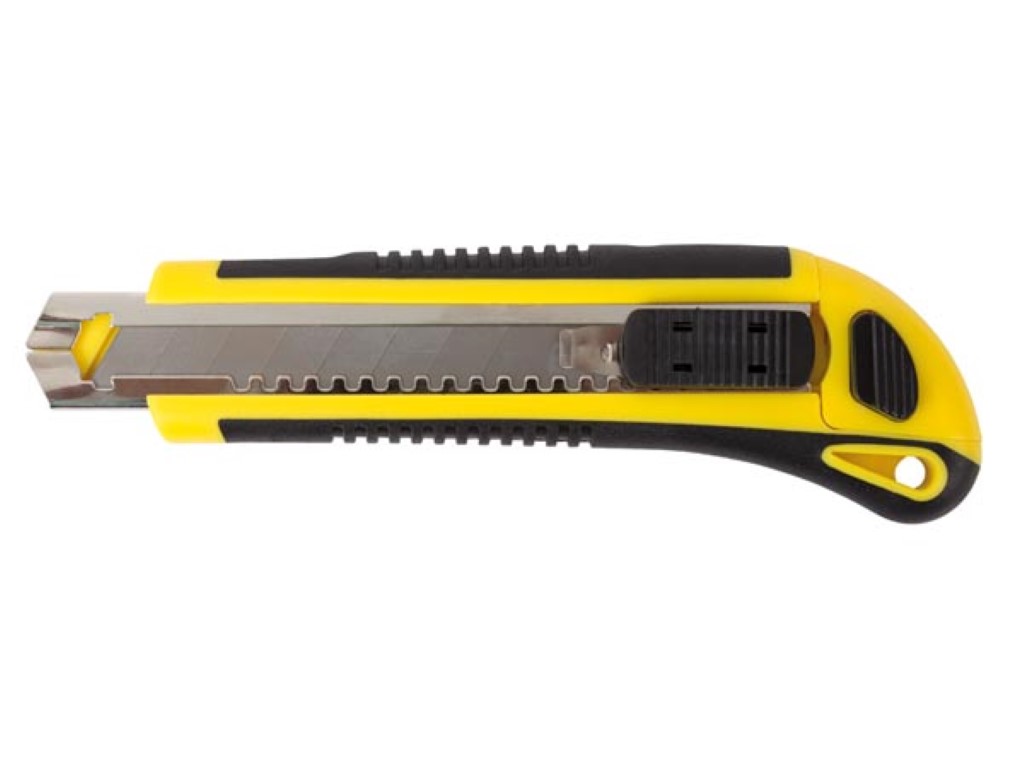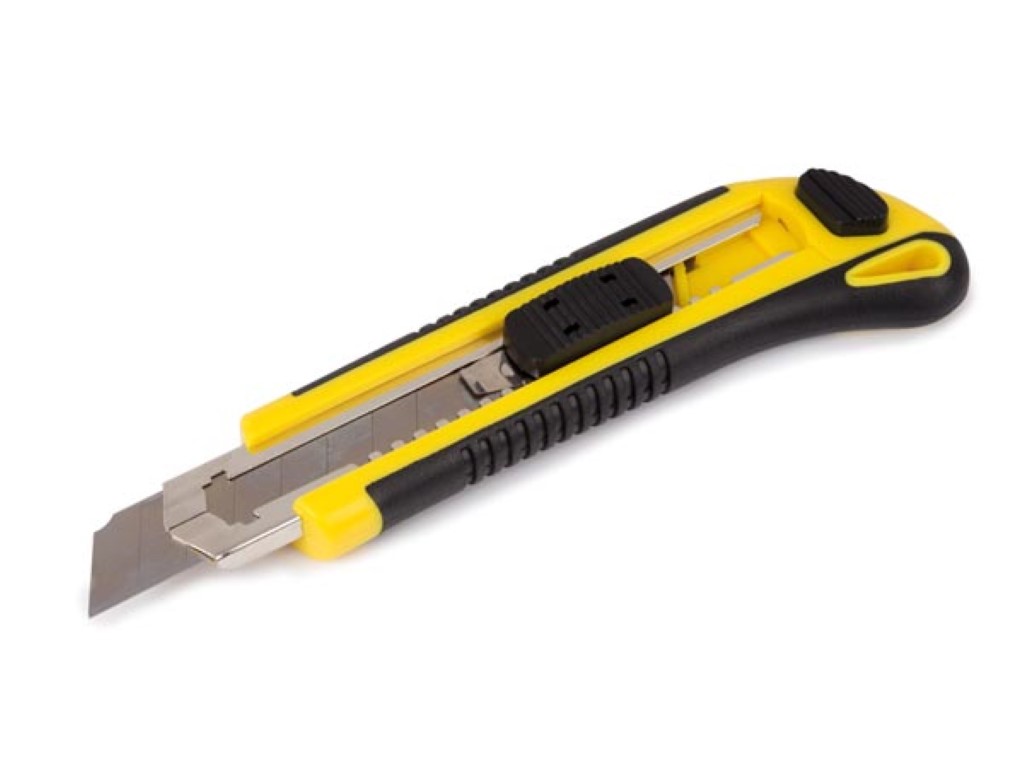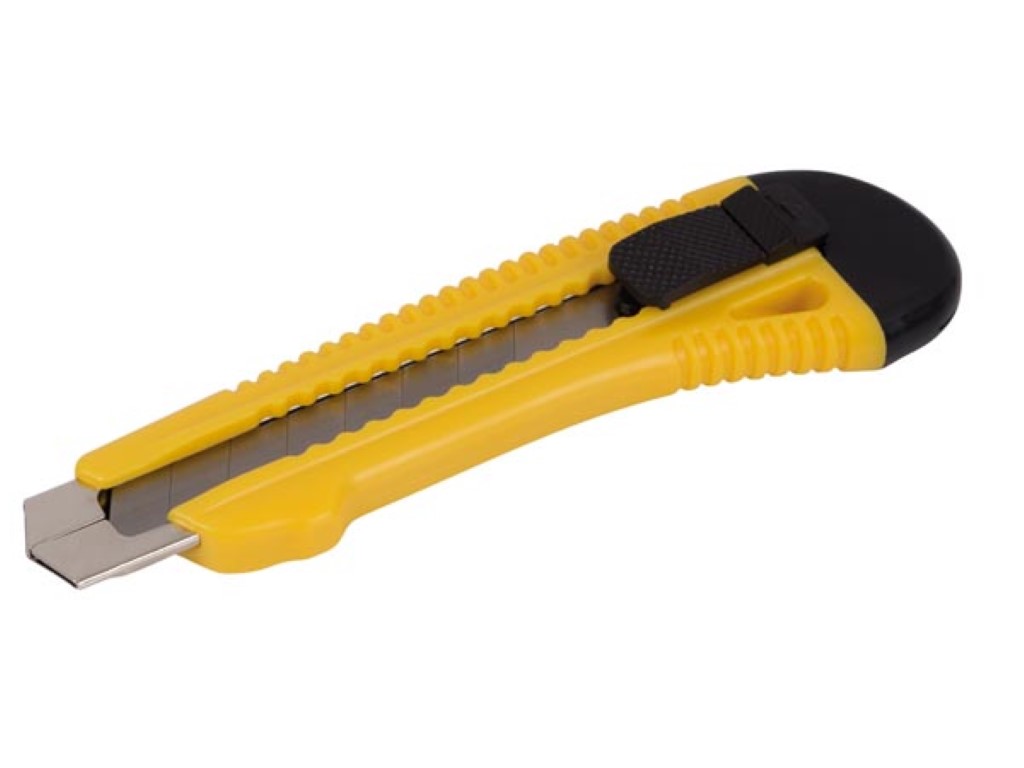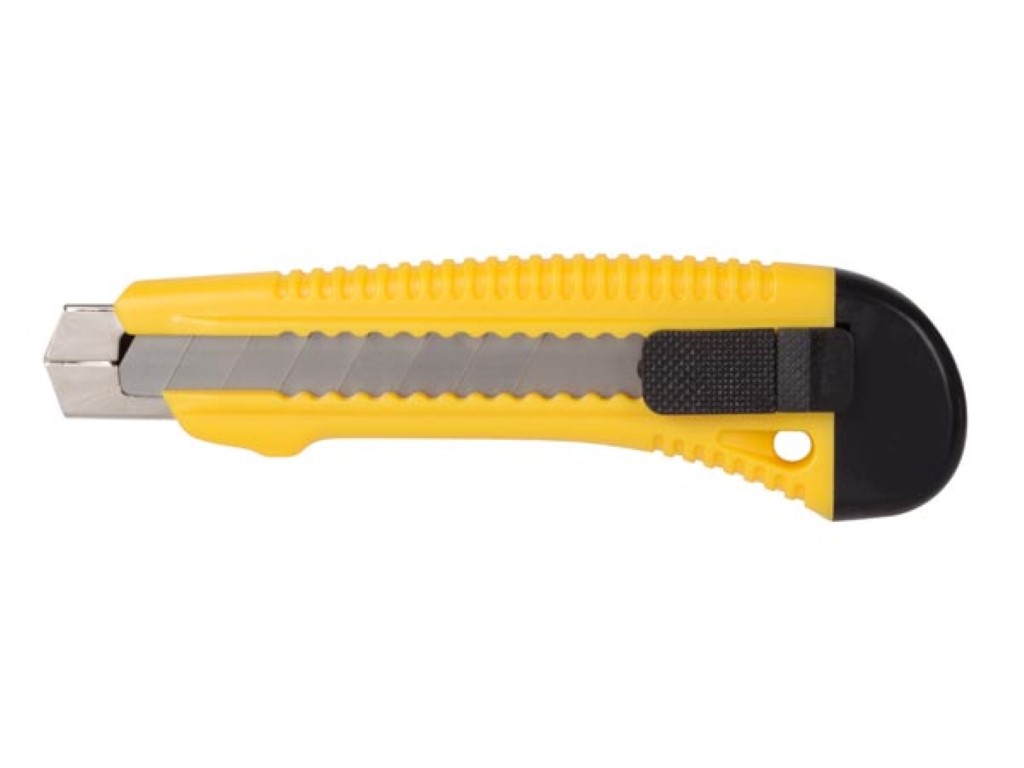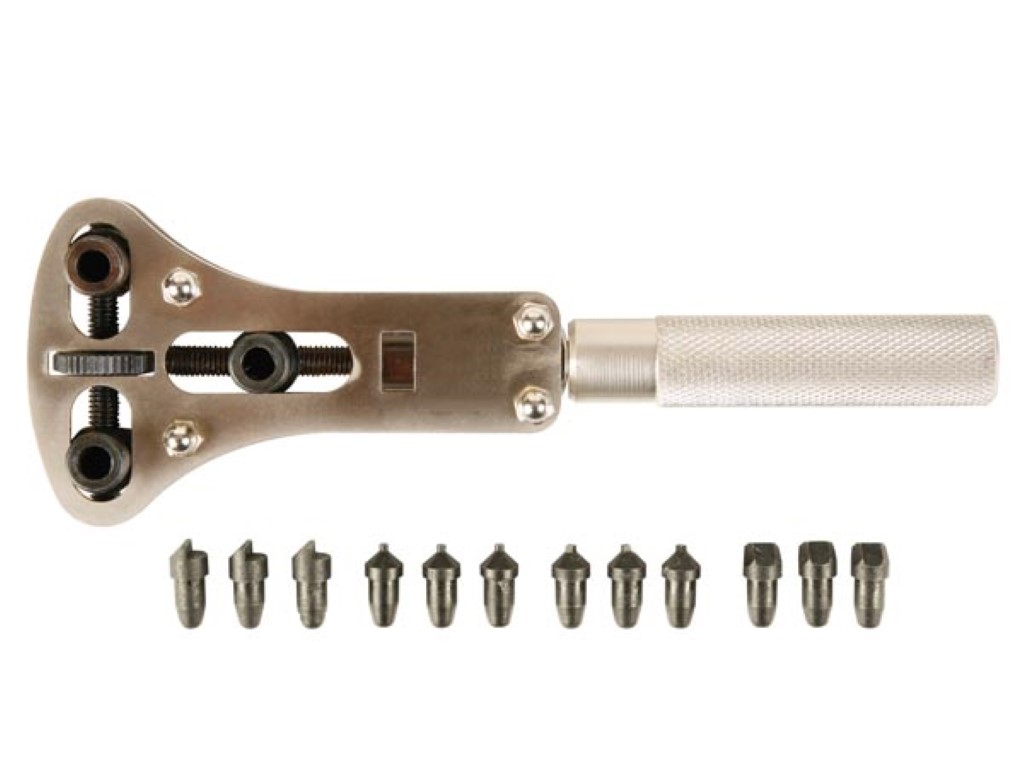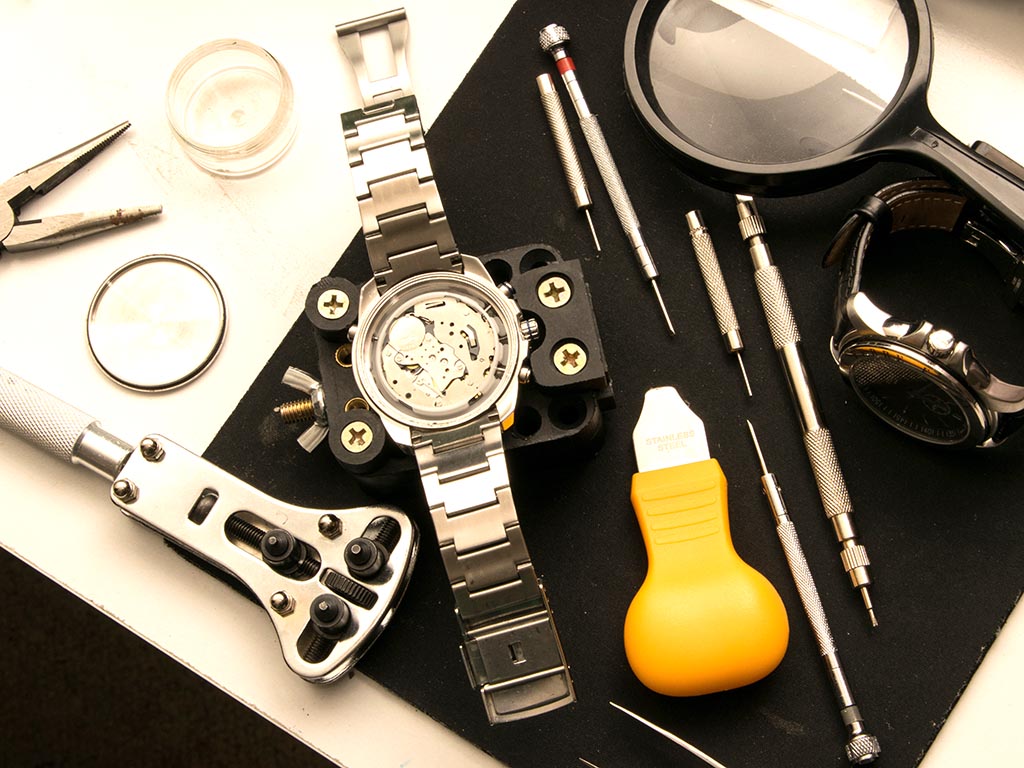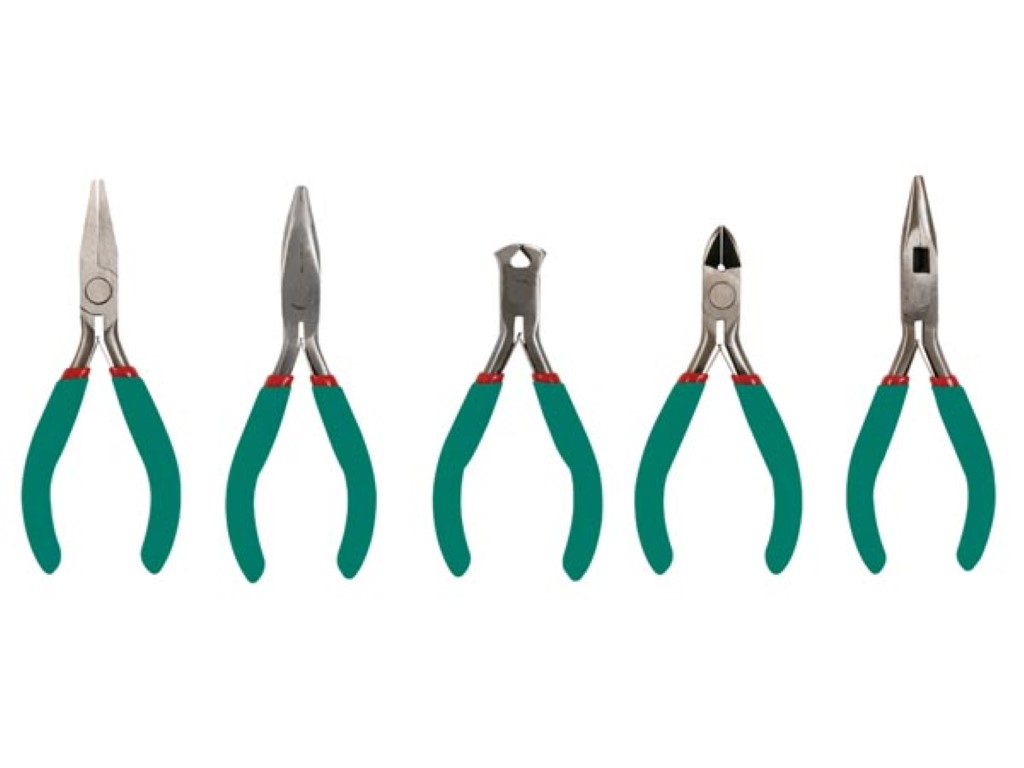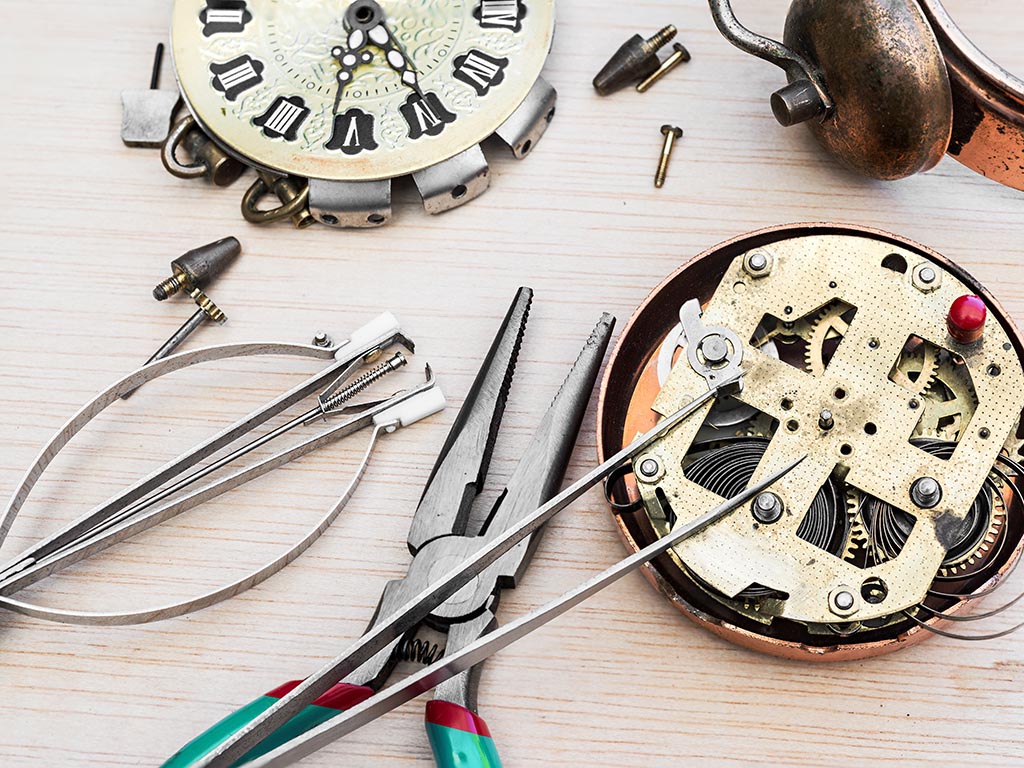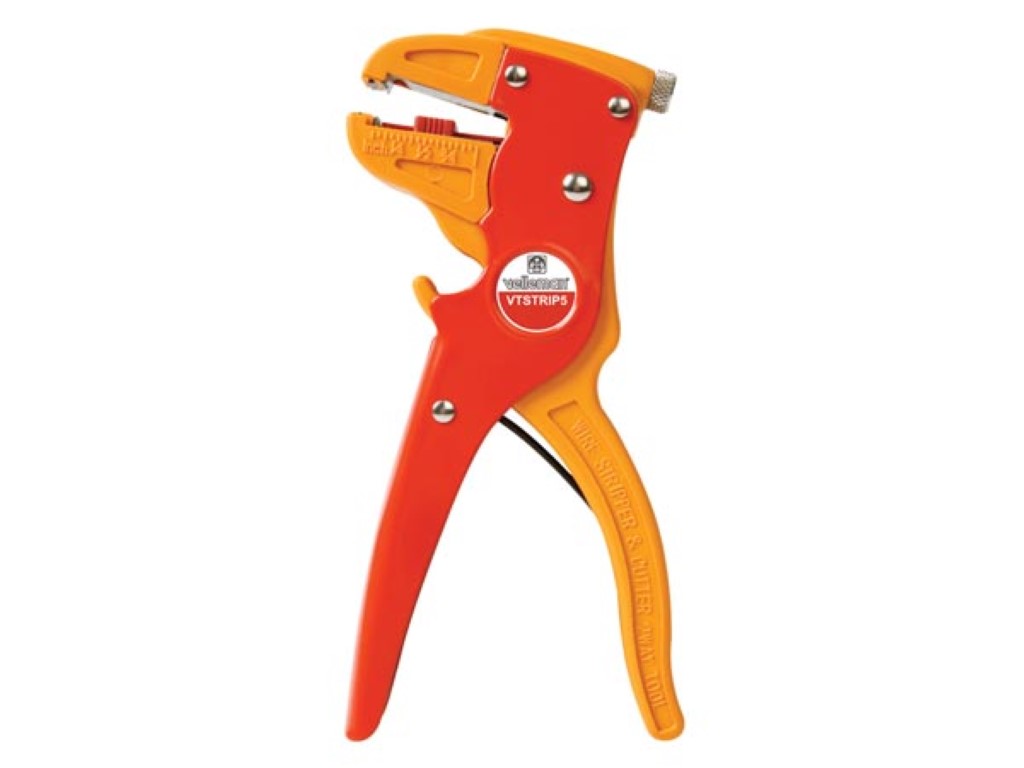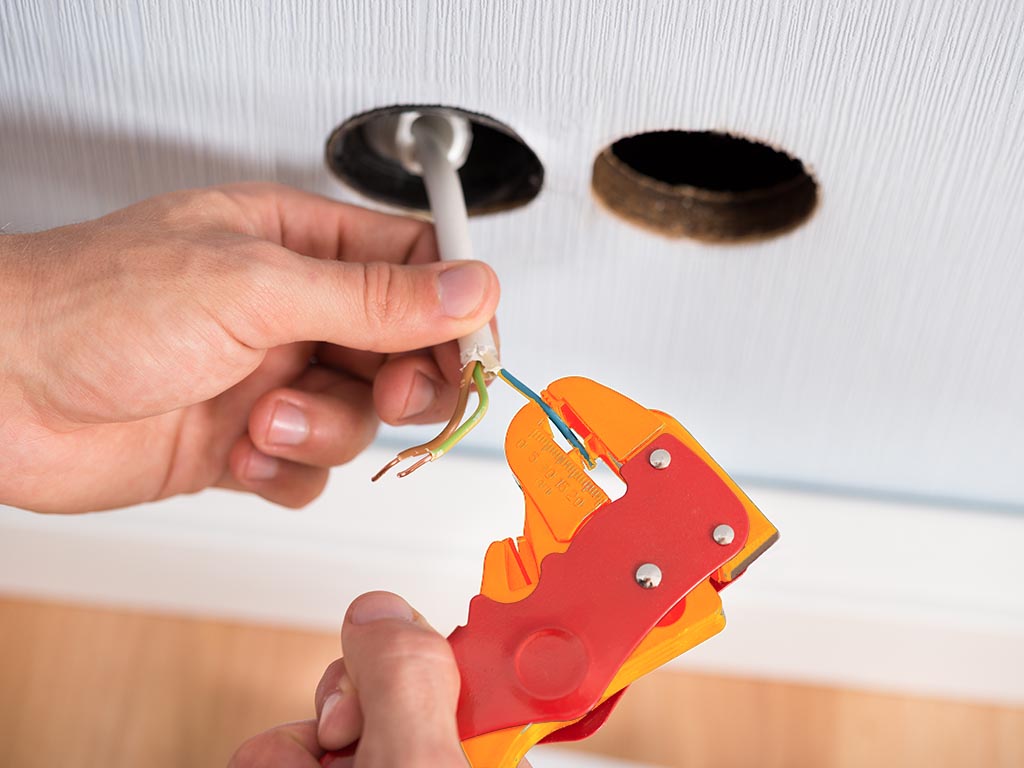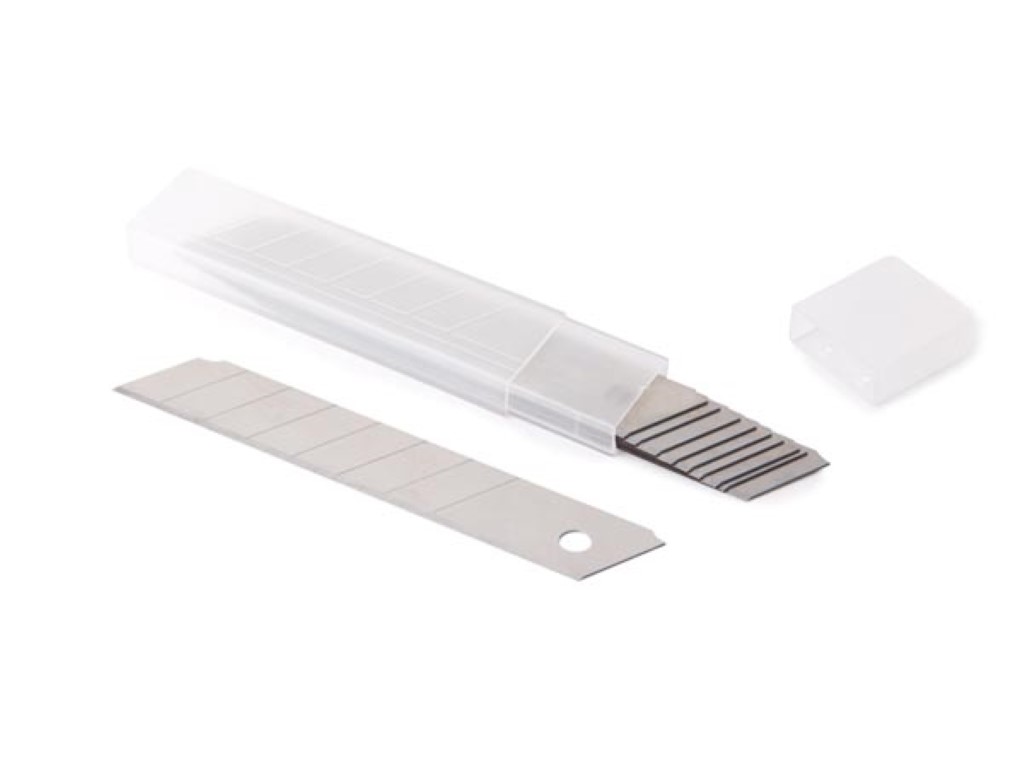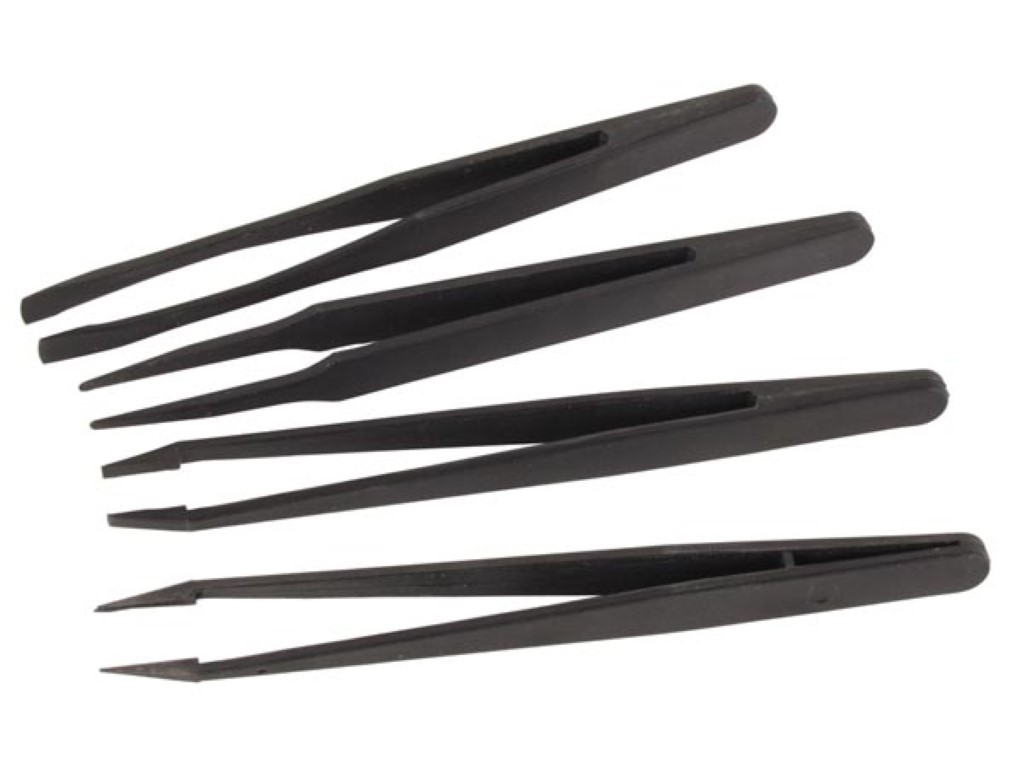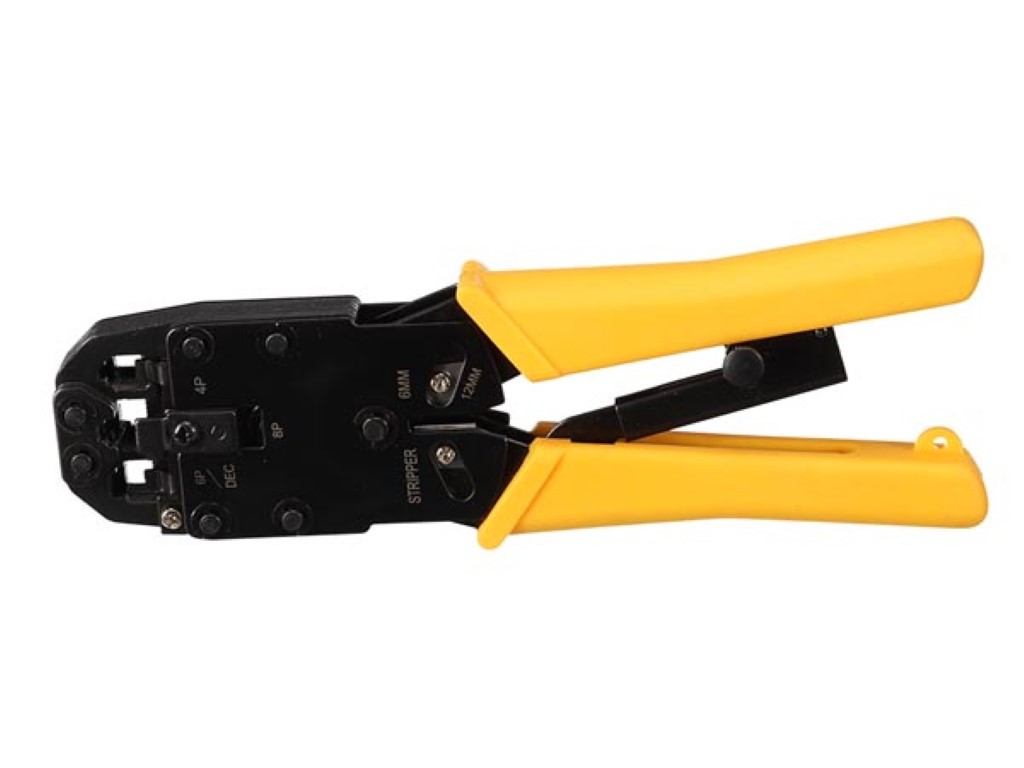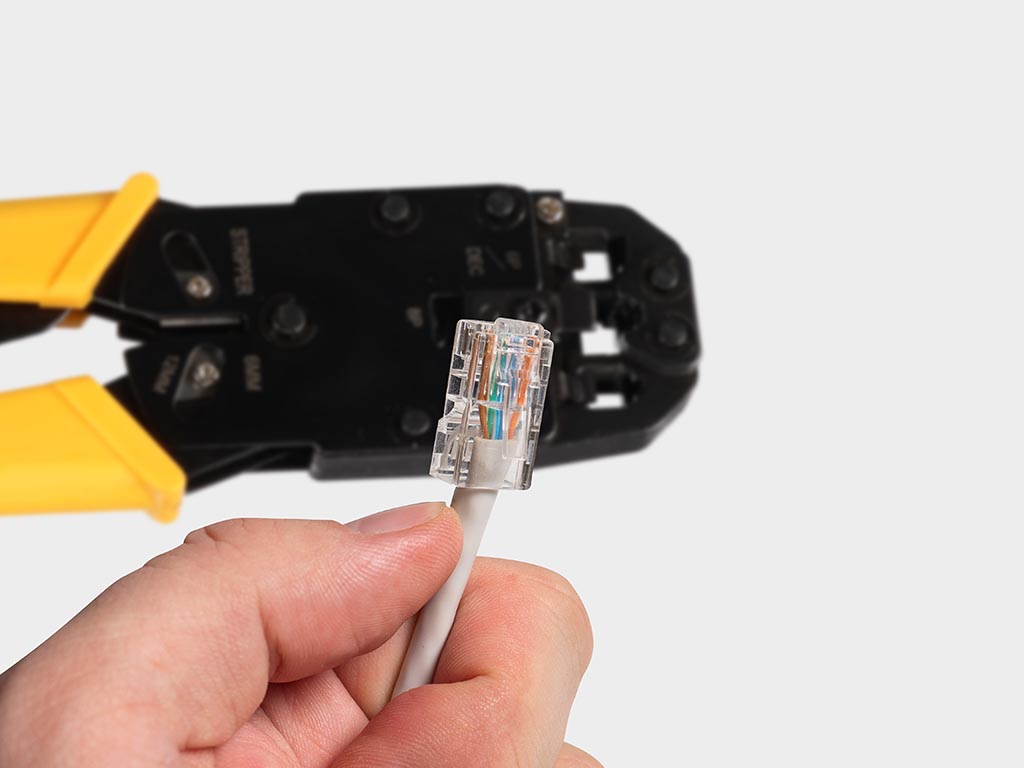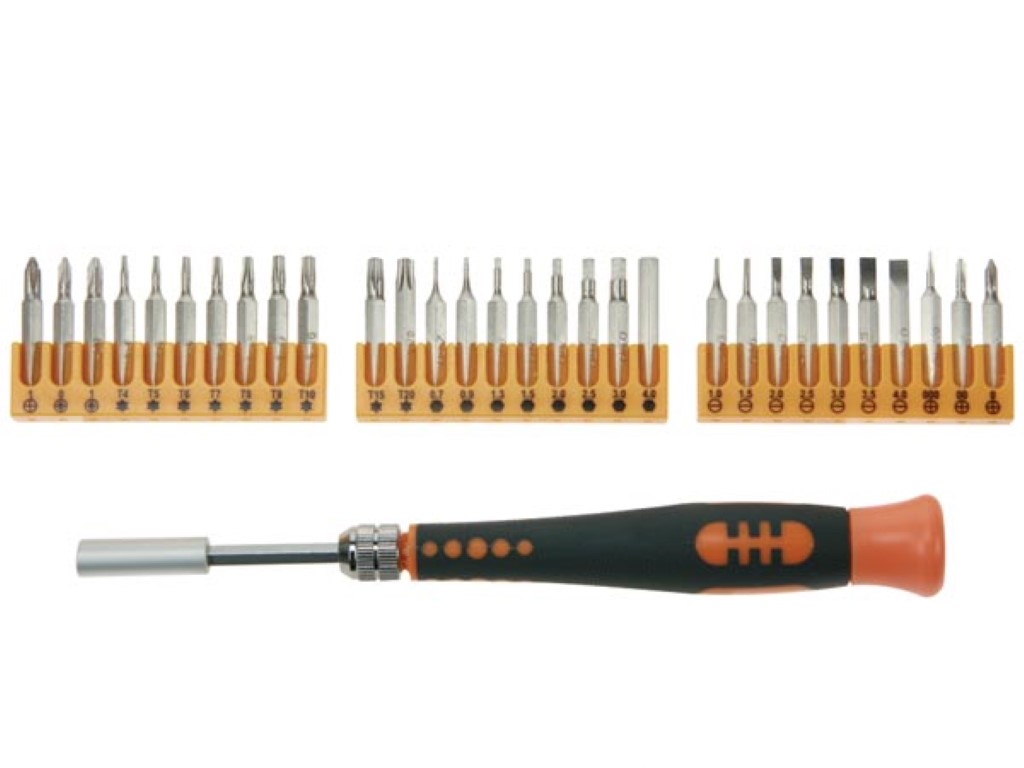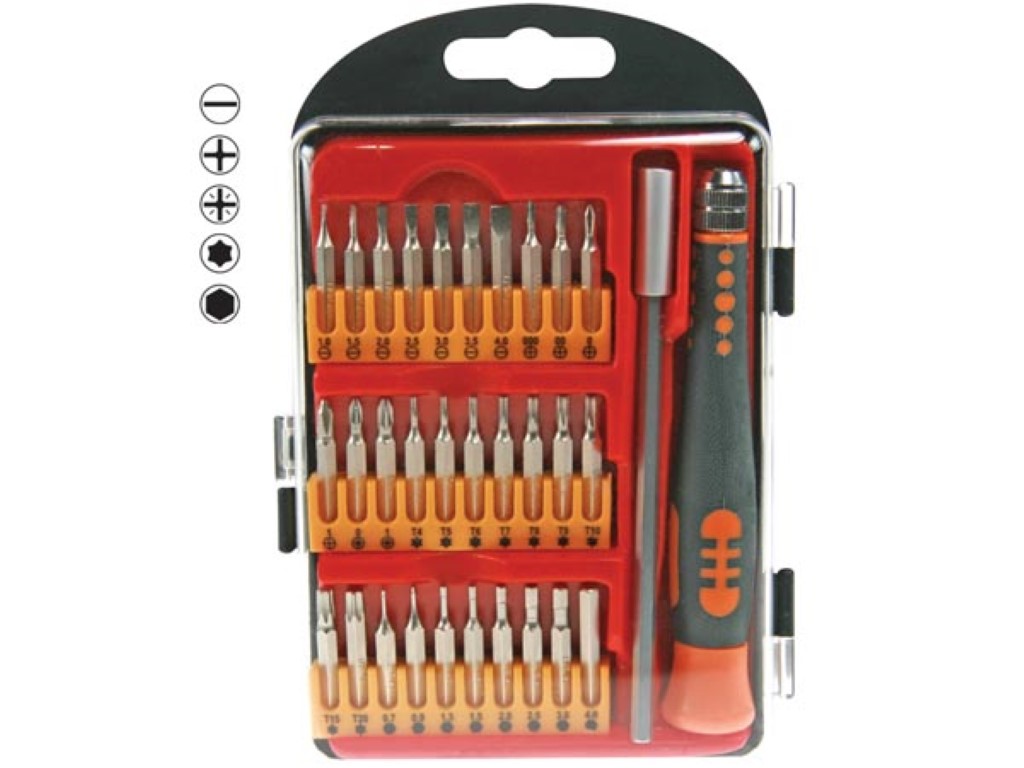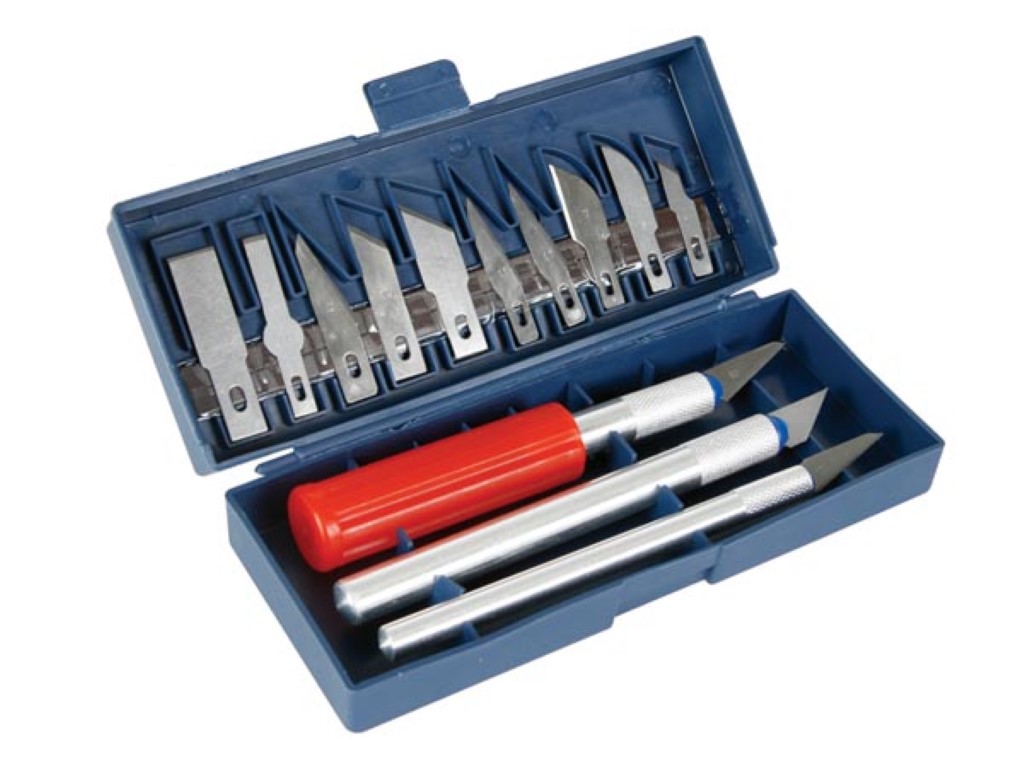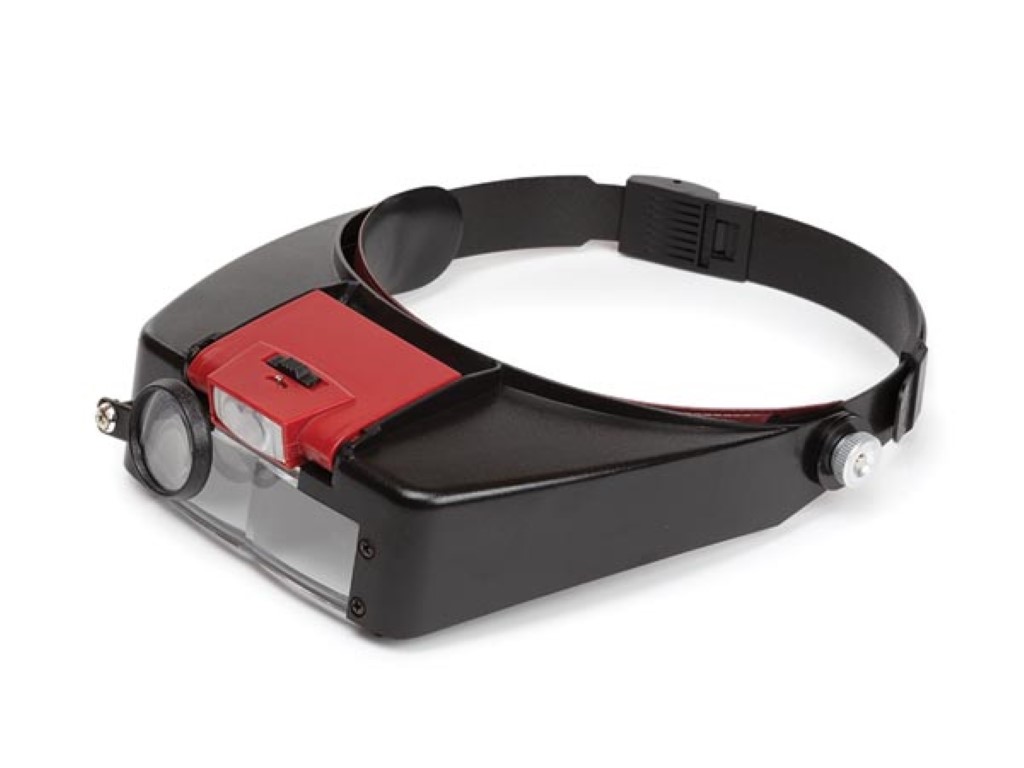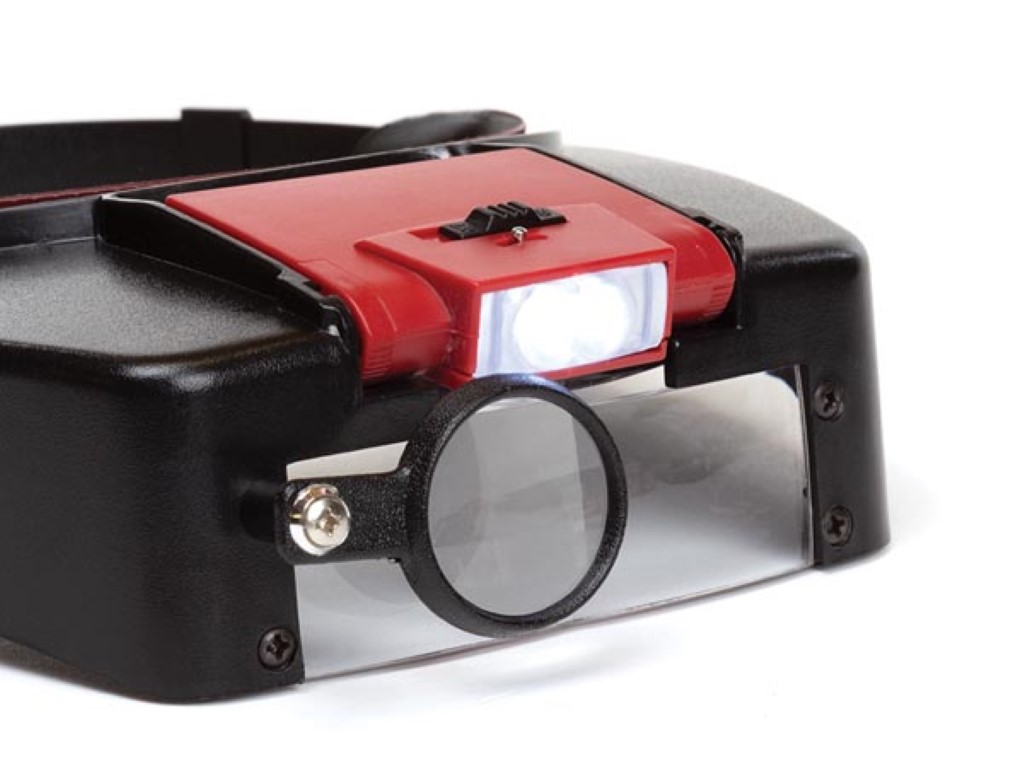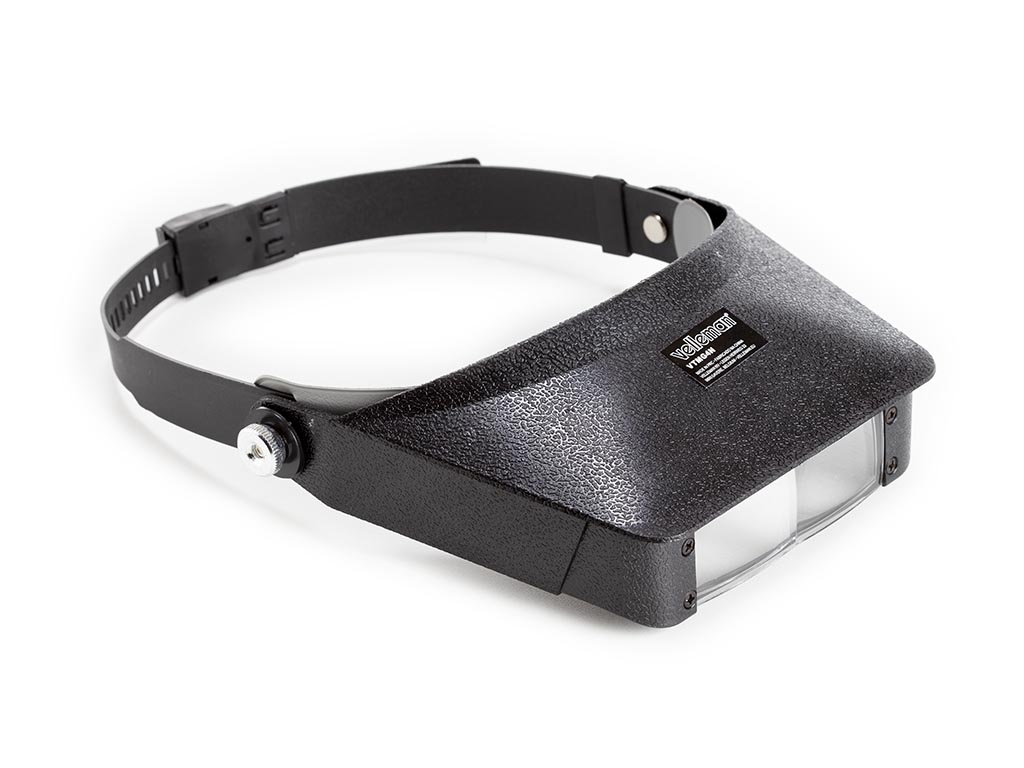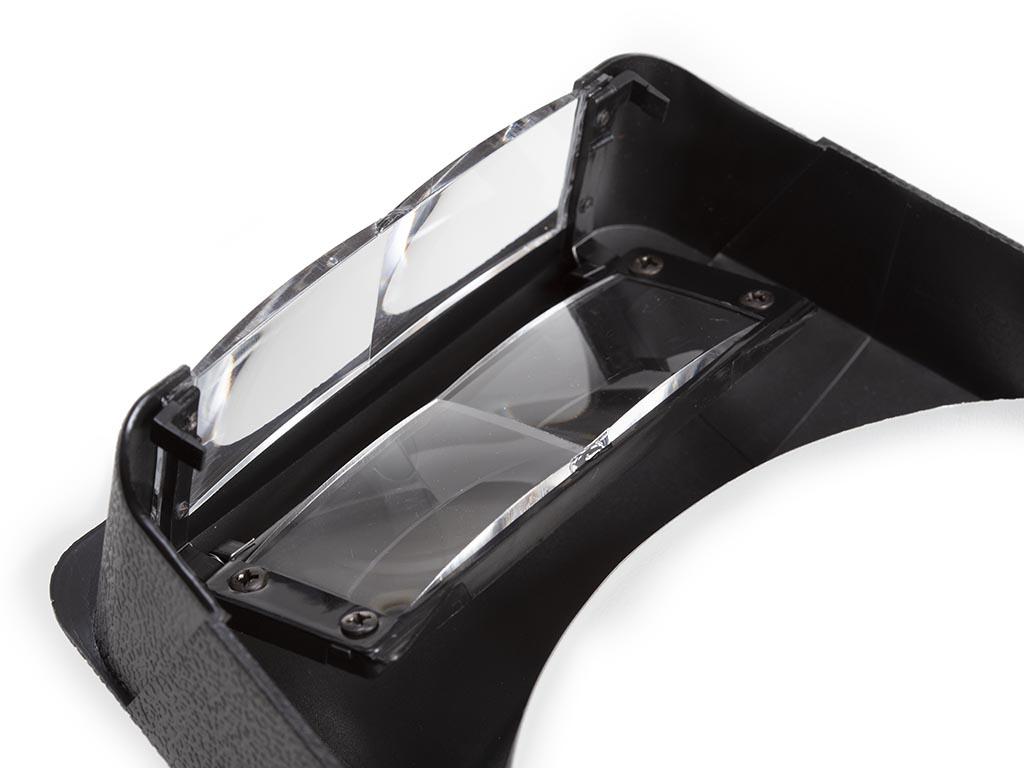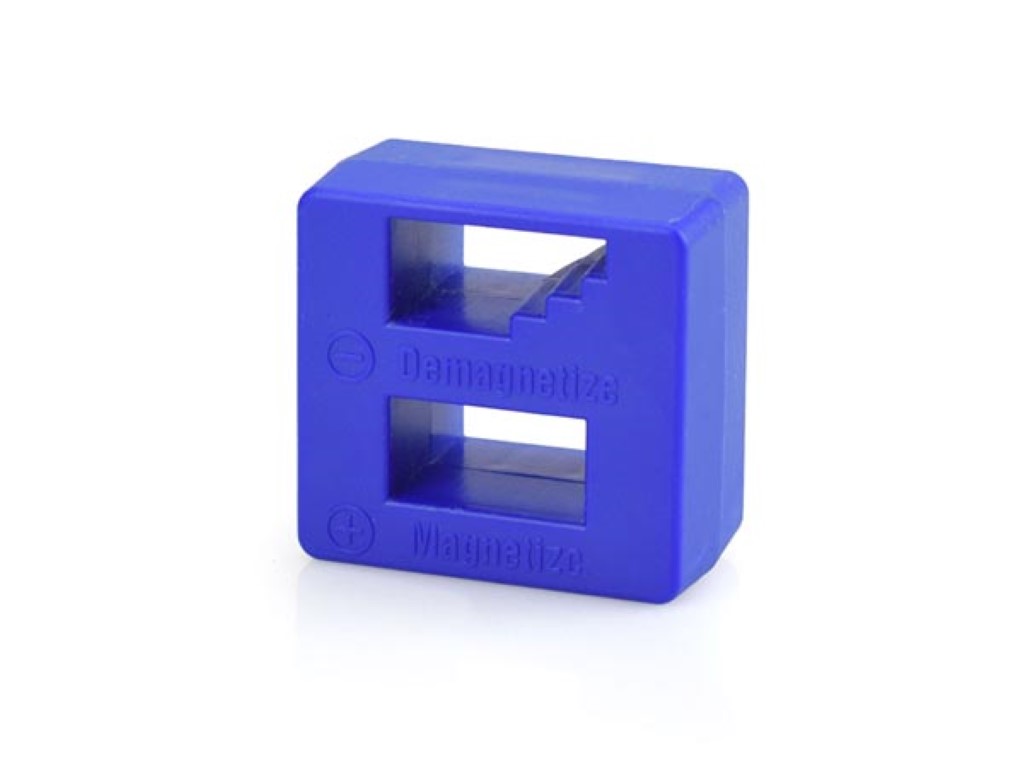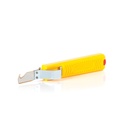
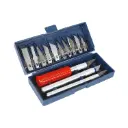
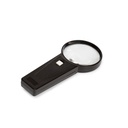
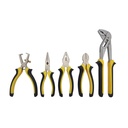
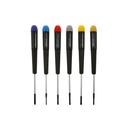
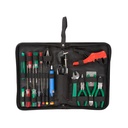
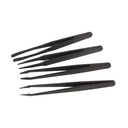
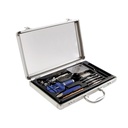
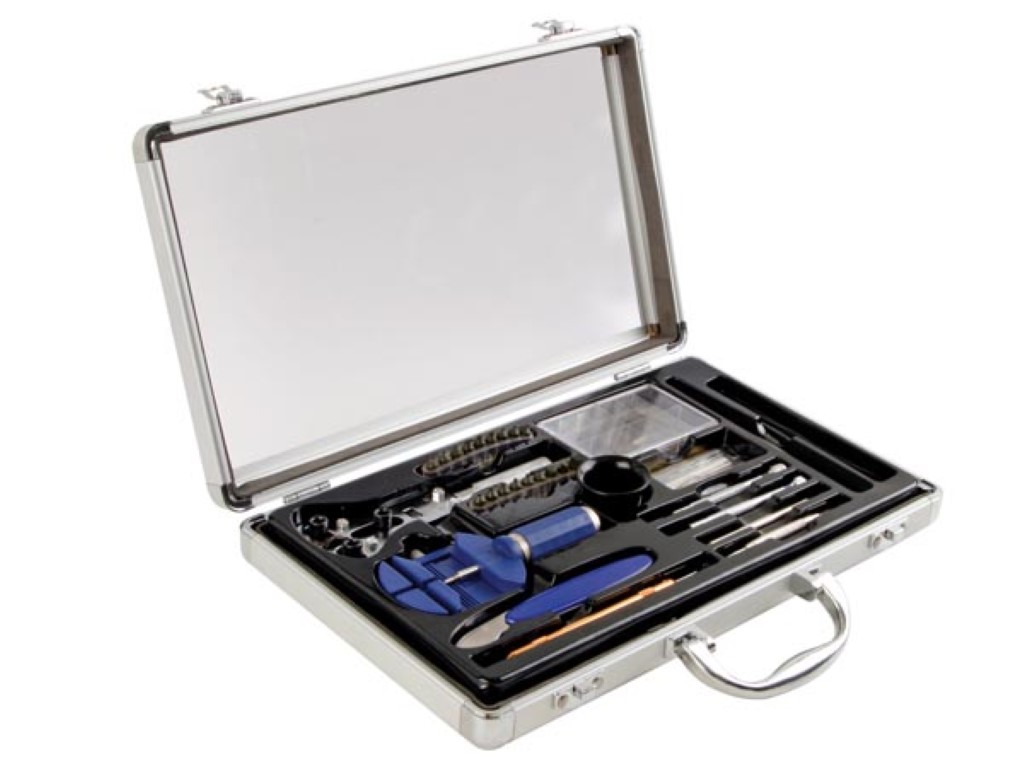
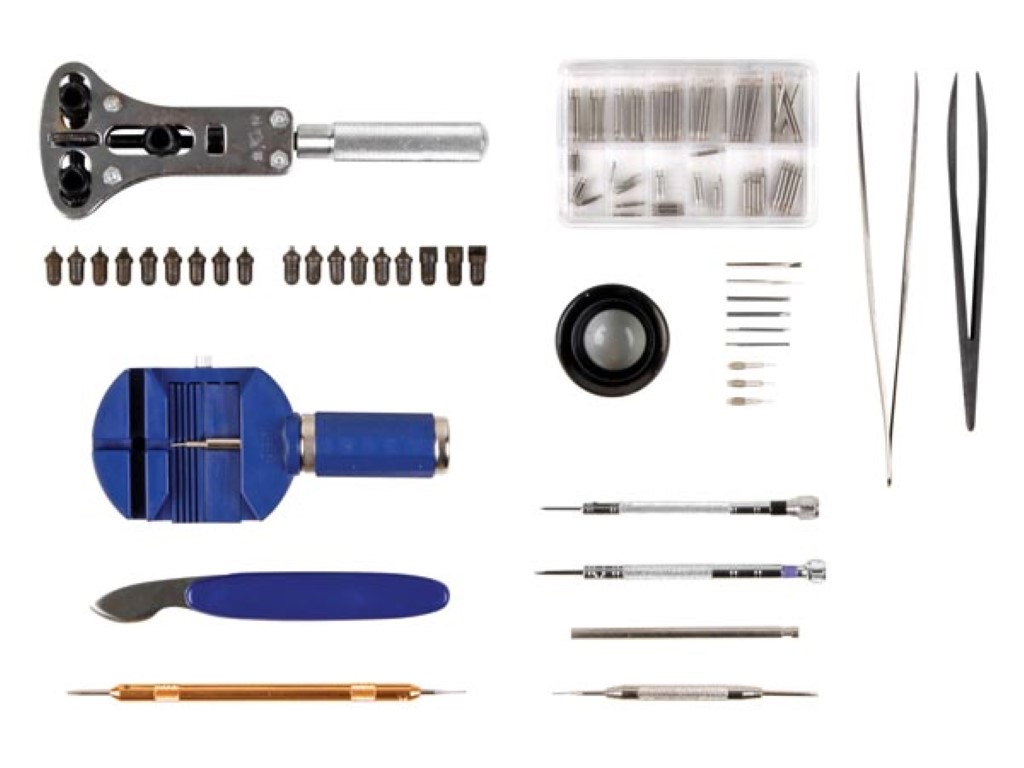
Choose hand tools that give you the right grip, cutting action or access for your next assembly or repair. This selection brings together cable strippers, cutting and crimping pliers, precision screwdrivers, knives, tweezers, headband magnifiers and watch repair tools, as well as tool kits for keeping several basics together.
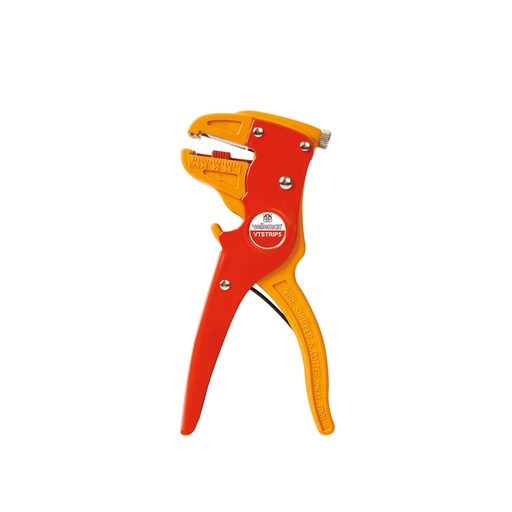
For cable work, distinguish removing an outer sheath from stripping an individual conductor, then match the tool's range to the cable. Crimping tools must match the terminal or modular connector, not just the wire size. For screws, the correct profile and size help the tip sit securely in the fastener.
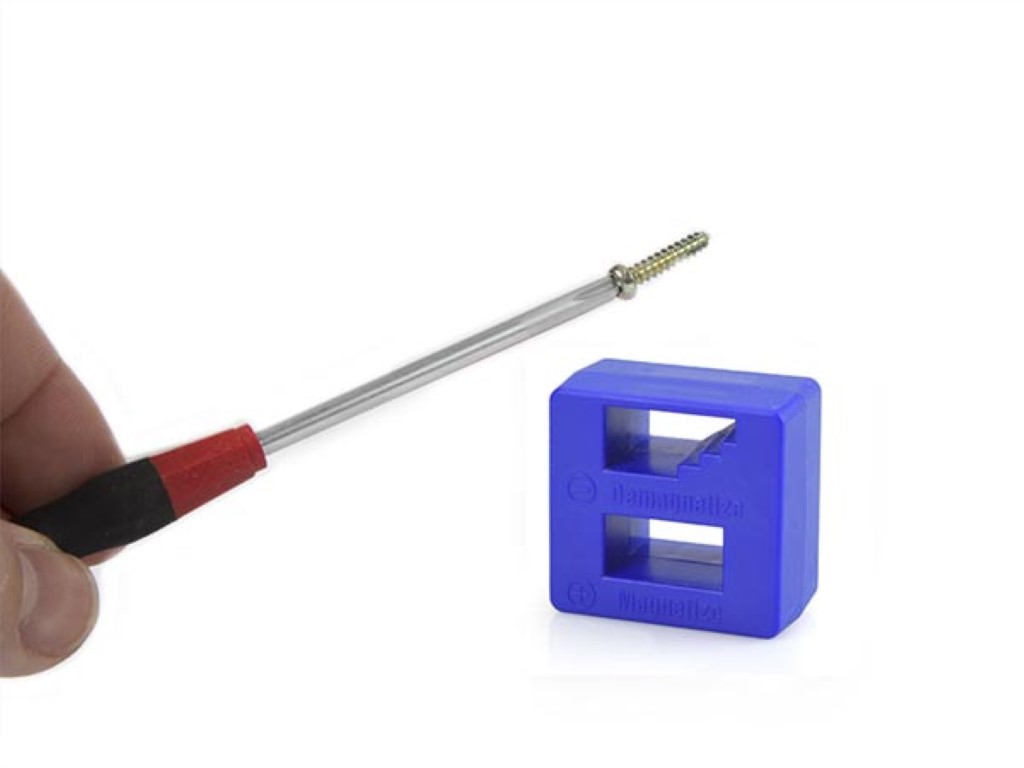
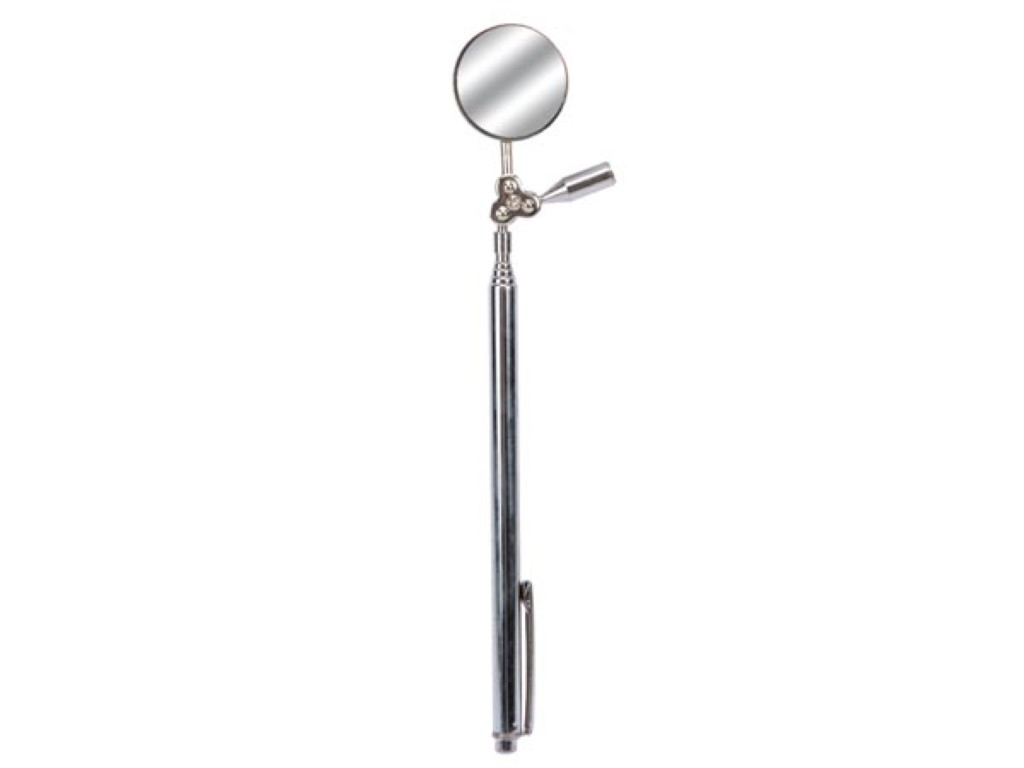
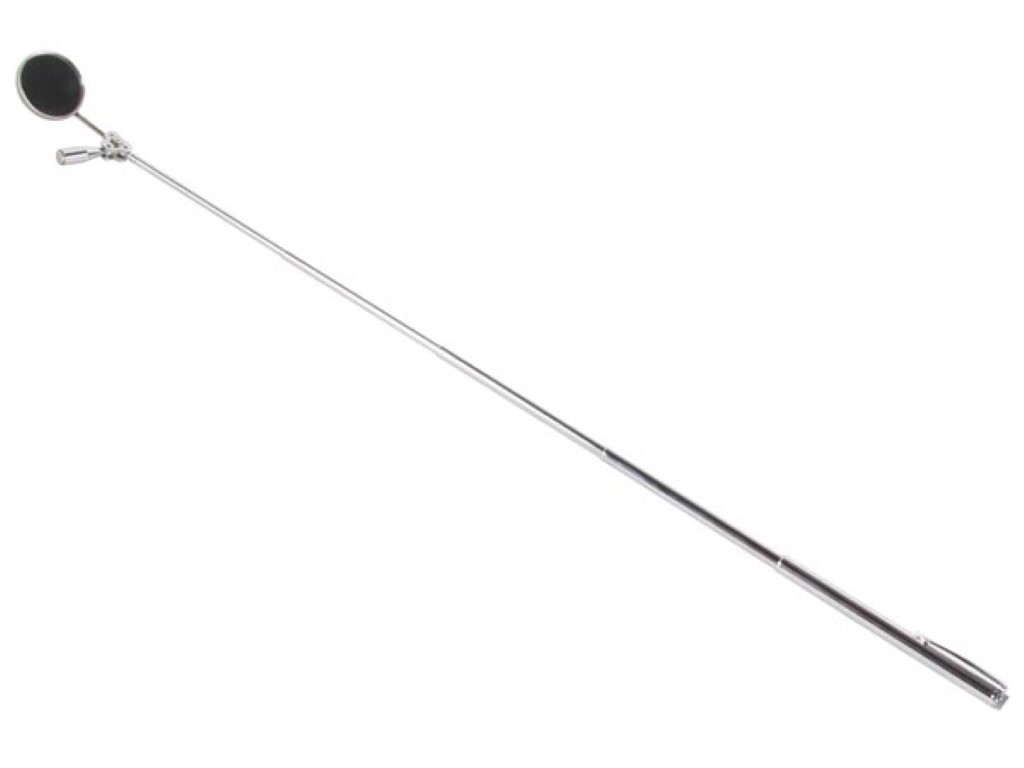
Fine assembly may benefit from a magnifier or tweezers, while a magnetic pick-up tool helps retrieve suitable metal parts from awkward places. Compare blade type, jaw shape and working clearance. Check kit contents individually: a larger piece count is useful only when the extra tools serve the jobs you plan to do.
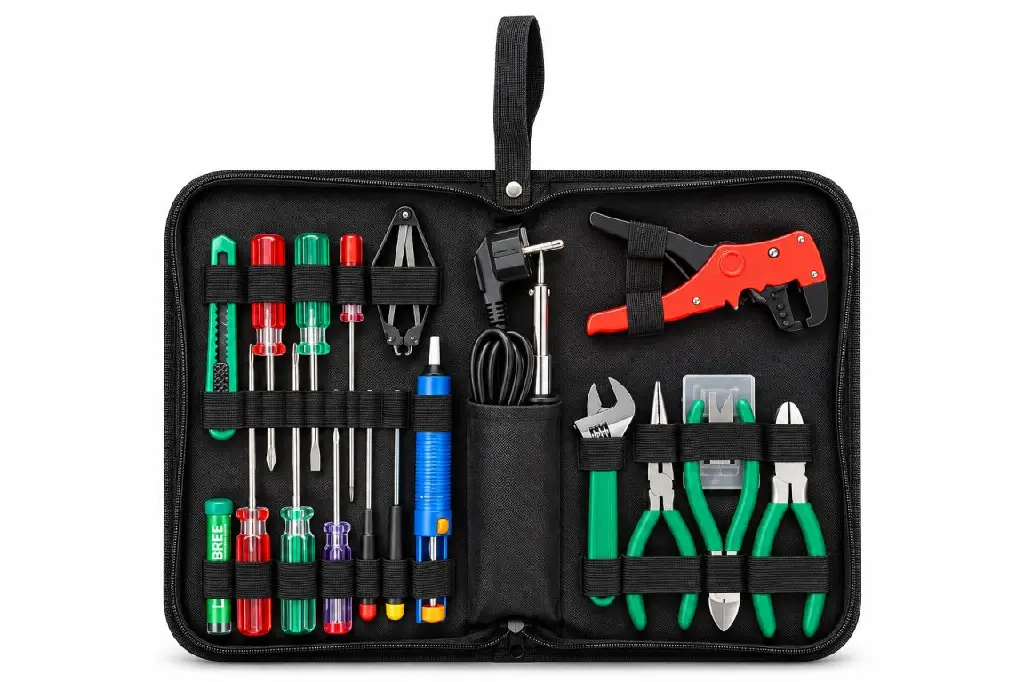
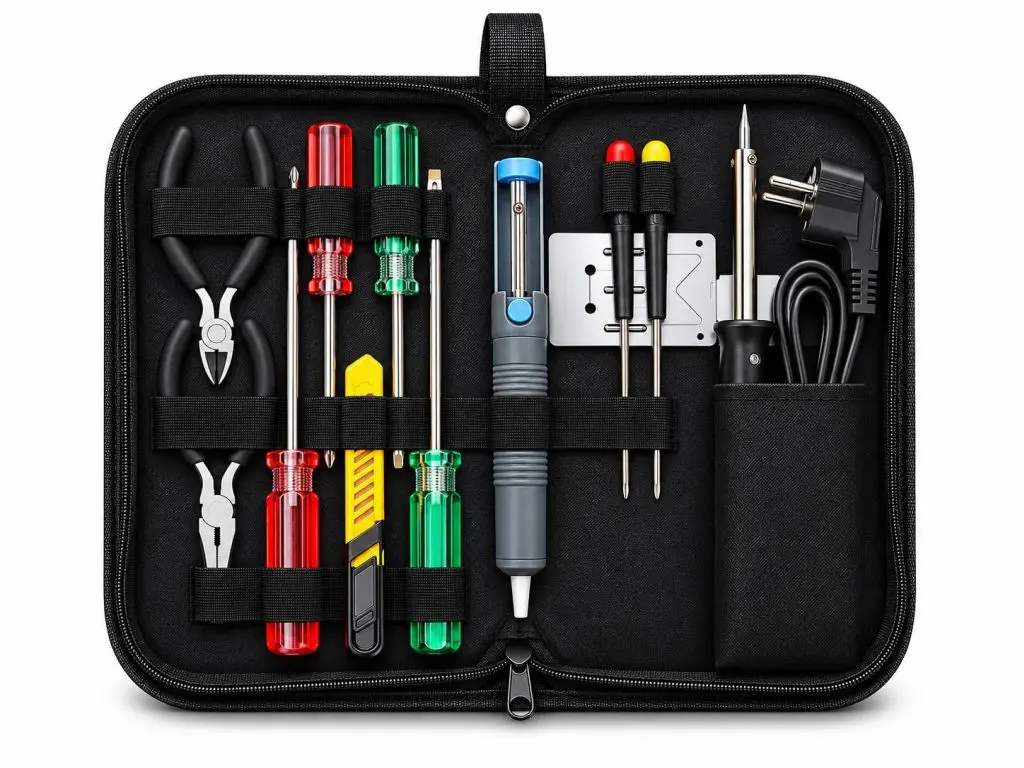
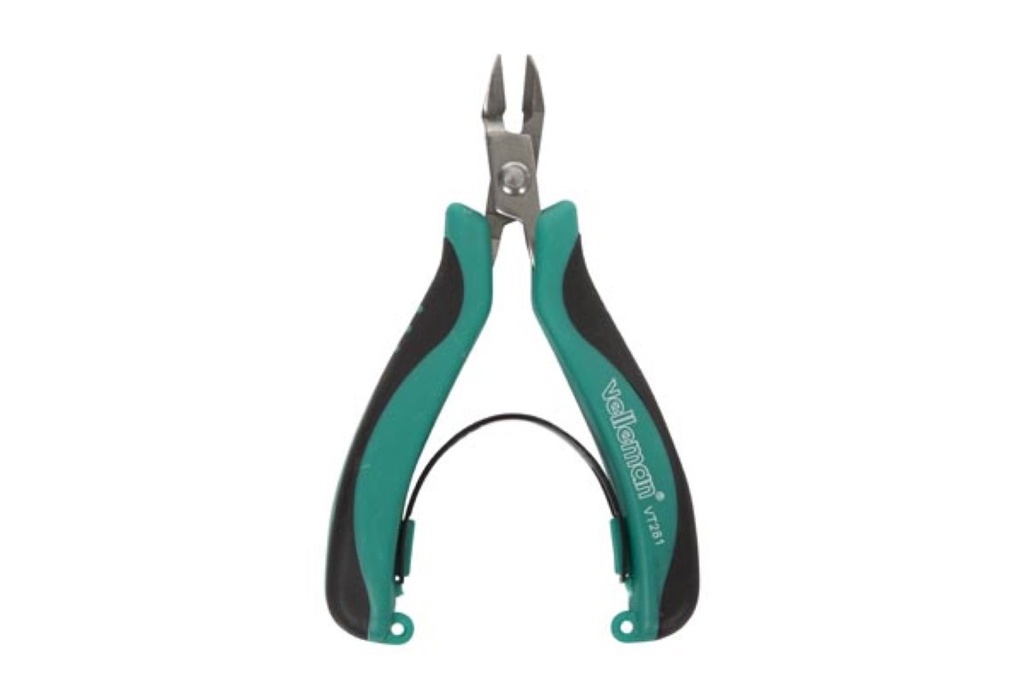
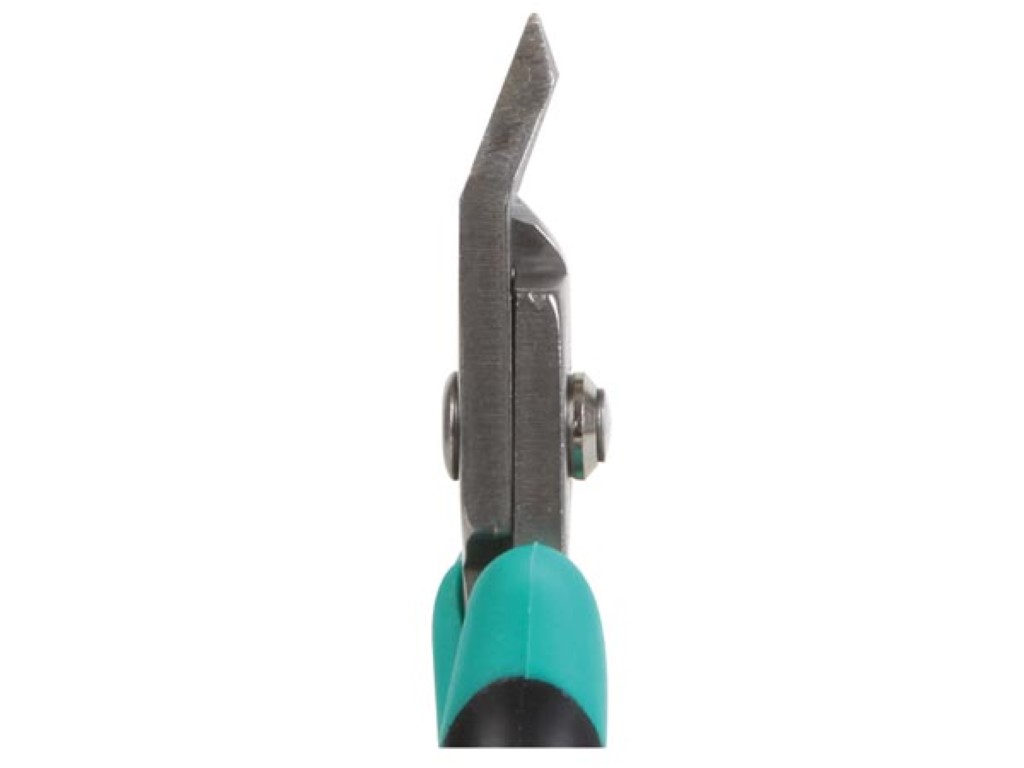
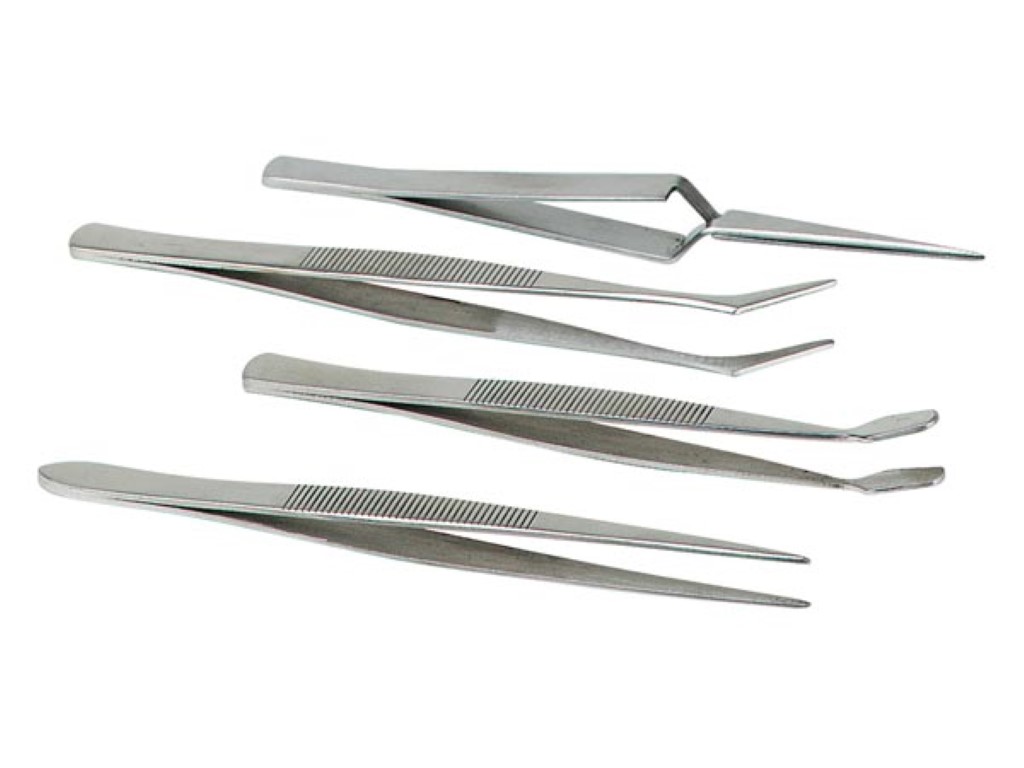

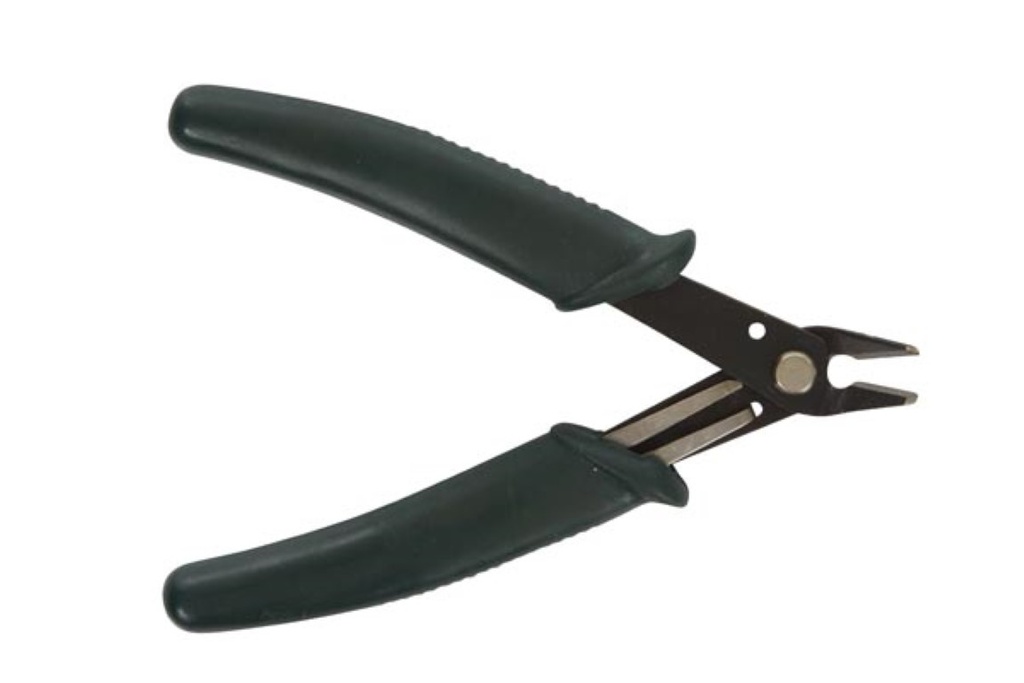
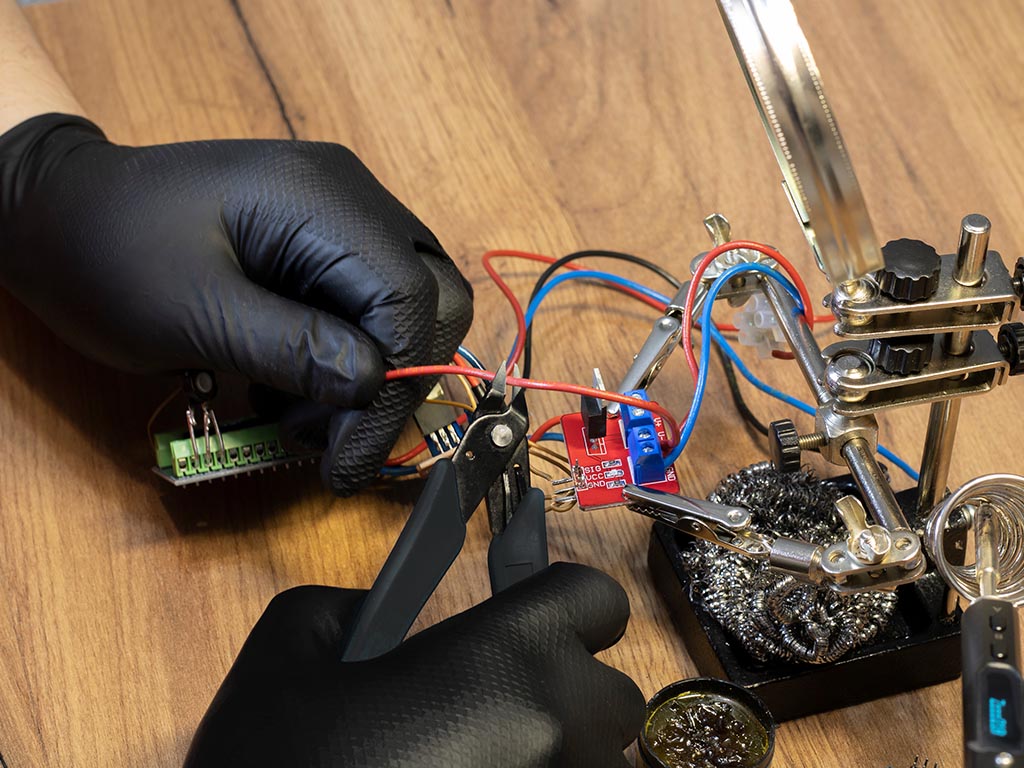
Start with screwdrivers matching your equipment, cutters rated for your wire, a suitable stripping tool and tweezers for small parts. Add magnification where needed. Choose the working sizes and functions first, then decide whether separate tools or a kit suits you.
Precision tools provide smaller working ends and access suited to tiny screws, component leads and confined spaces. Larger tools remain useful for heavier work. Match tool size to the part so you can apply controlled force without obstructing your view.
A plastic grip does not establish an electrical insulation rating. Use only tools explicitly rated for the intended electrical work and voltage, together with the required working procedure. Ordinary hand tools should not be treated as suitable for live circuits.
Choose a specialist tool when a task needs a defined fit or operation, such as crimping a particular terminal, extracting a socketed IC or opening a watch case. A generic gripping or prying tool can damage parts that require dedicated support.
A set is convenient when its contents match several regular tasks. Individual tools make sense for a missing size or a specialised operation. Compare the actual profiles, dimensions and functions rather than assuming a higher piece count gives wider useful coverage.