
4.92 €
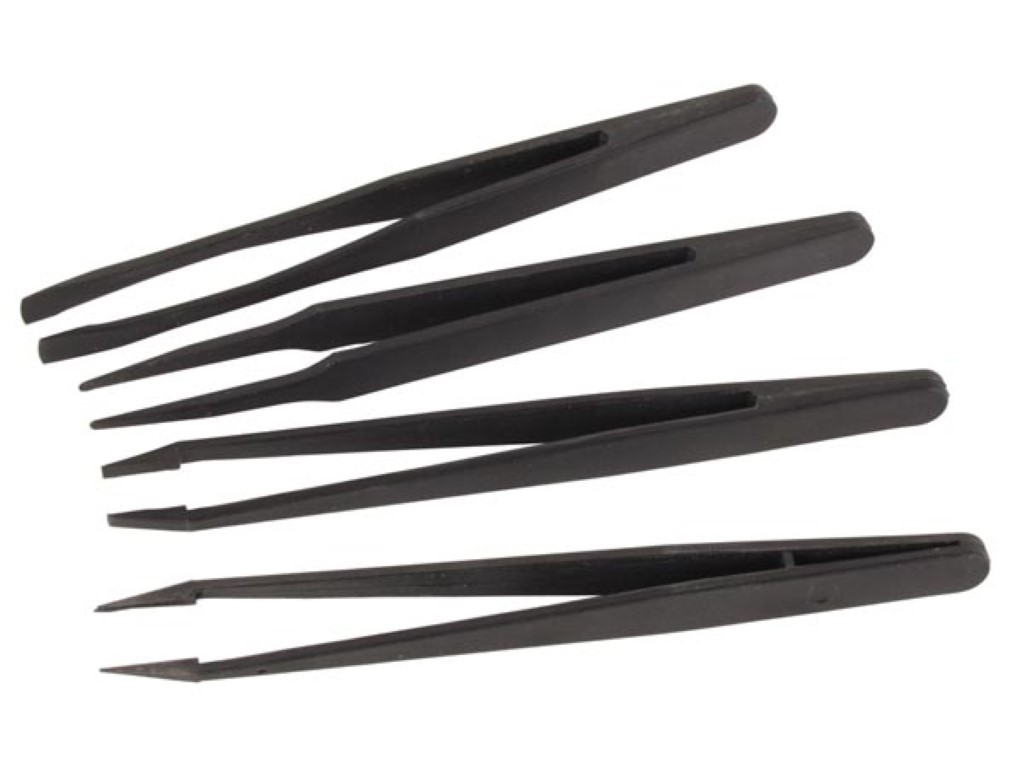
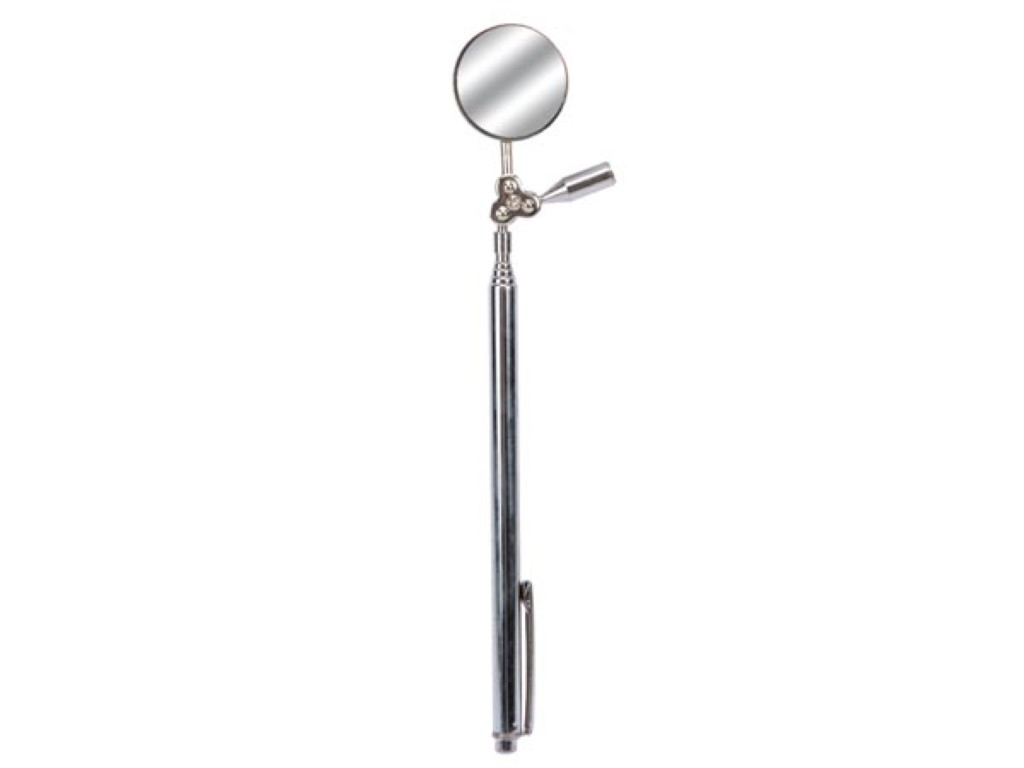
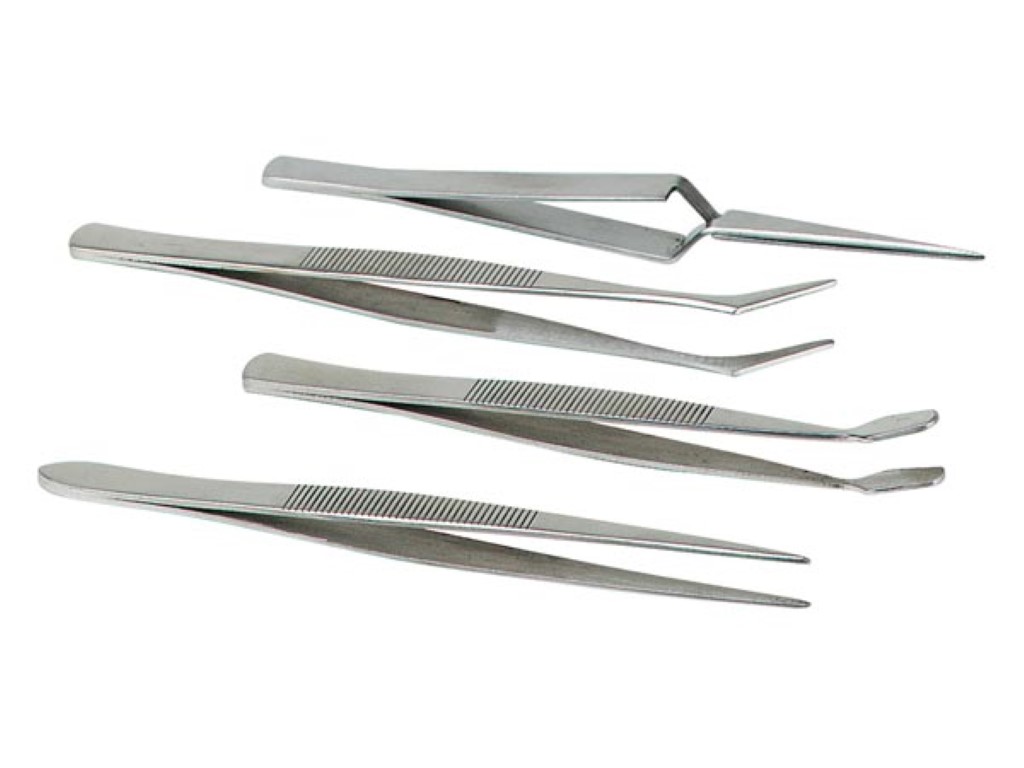
Place small components accurately or retrieve a dropped part with tweezers and pick-up tools suited to the material. This selection includes a four-piece metal tweezer set, a four-piece non-conductive set and a magnetic pick-up tool with a mirror. Choose between holding a part directly and reaching it from a distance.
Fine tips help position small parts, while the different shapes in a set give access from different angles. Compare the tip profile with the component and the space around it. Non-conductive tweezers offer a material choice, but that description alone does not establish a voltage rating or ESD protection.
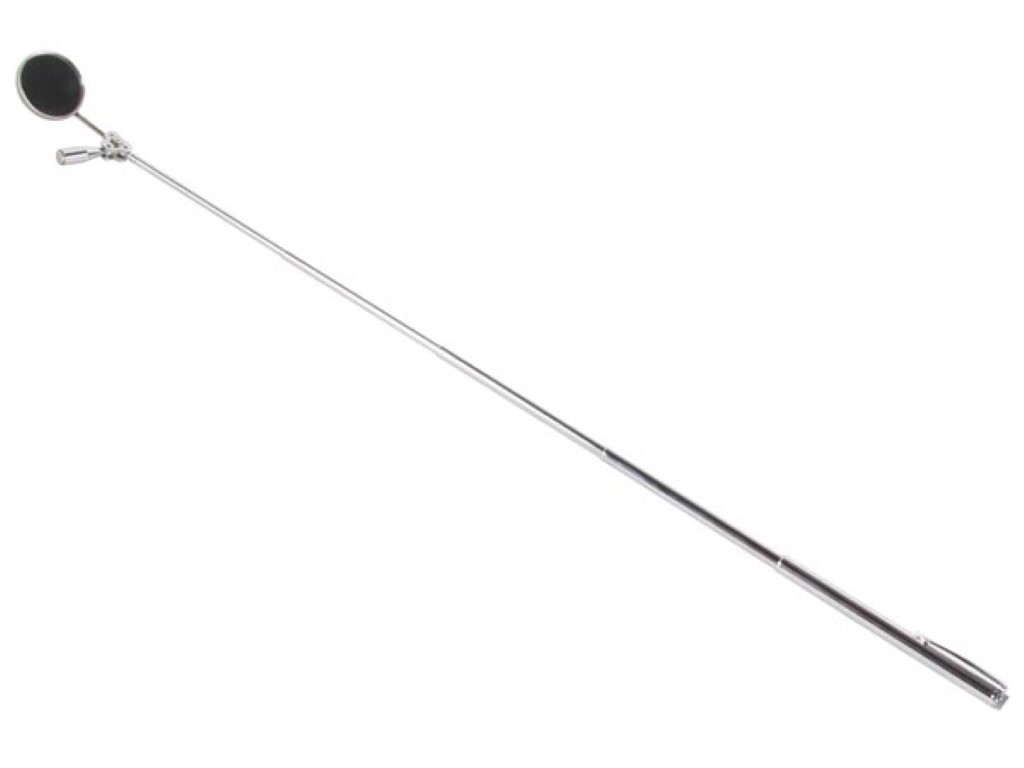
A magnetic pick-up tool is useful for suitable ferrous screws and parts; it will not pick up every metal or non-metal object. The mirror helps you inspect an awkward location before retrieving the part. Keep tips clean, avoid excessive squeezing and disconnect equipment before reaching into housings.
Tweezers suit controlled positioning of small parts at close range. A pick-up tool helps reach dropped items in confined spaces. Choose according to access, the object's material and whether you need accurate placement or simply retrieval.
Straight tips provide direct access; bent tips can improve the approach angle and visibility. Self-closing tweezers hold a part when pressure is released. Choose the tip shape and gripping action for the component and the way you need to hold it.
No. A magnet attracts suitable ferromagnetic materials, not every metal. A claw-style retrieval tool can grip items mechanically where a magnetic tip is unsuitable. Also compare reach, head size and any stated lifting capacity for the object.
No. Electrical non-conductivity and electrostatic-discharge control are different properties. Use tools explicitly specified for the ESD requirements of sensitive components. Neither a non-conductive label nor a non-magnetic description alone establishes suitable ESD performance.
A simple IC extractor is intended for compatible socketed components, not for breaking solder joints. Match the package and access to the tool. Soldered components require an appropriate desoldering process before removal; pulling against solder can damage pins or the board.