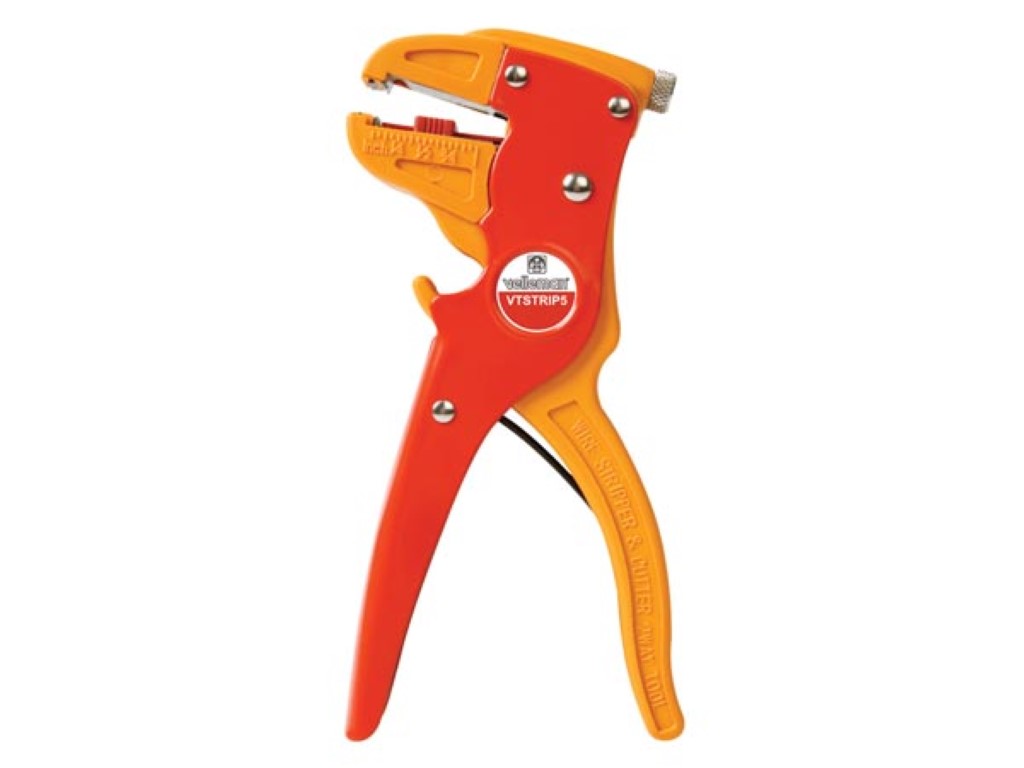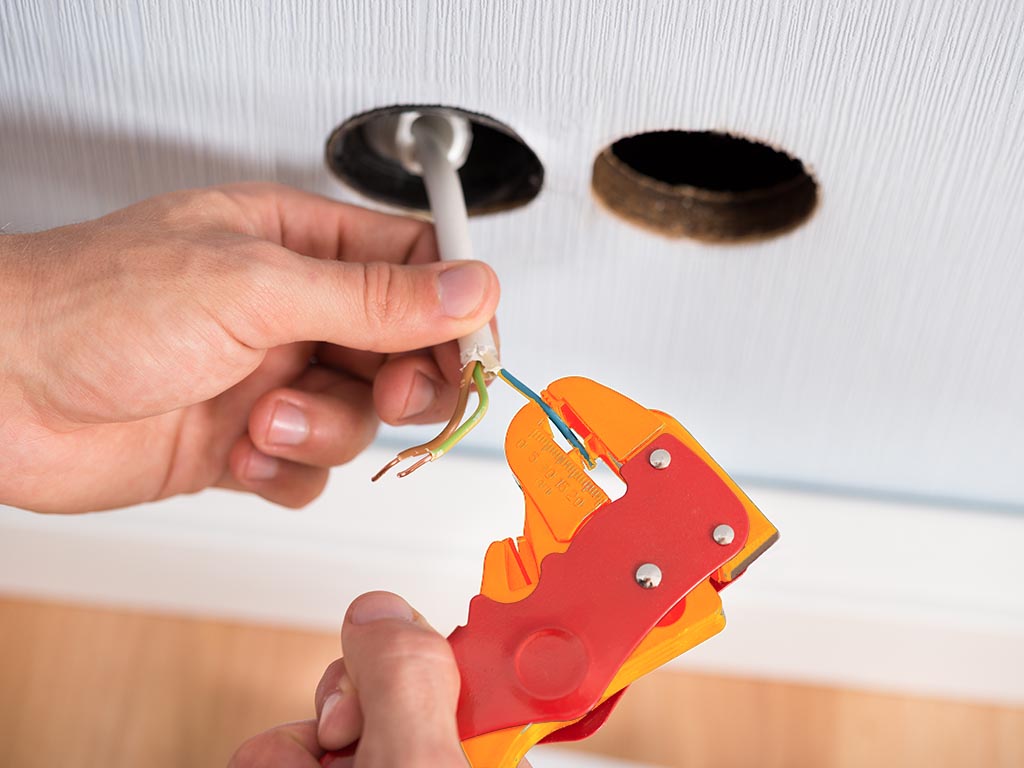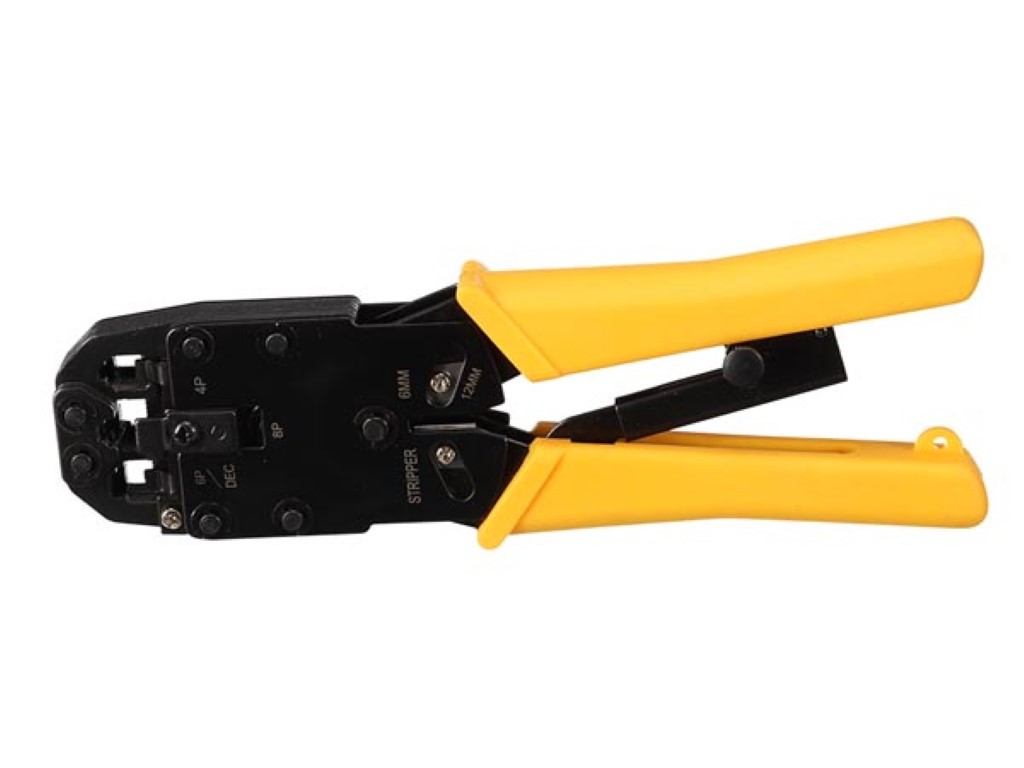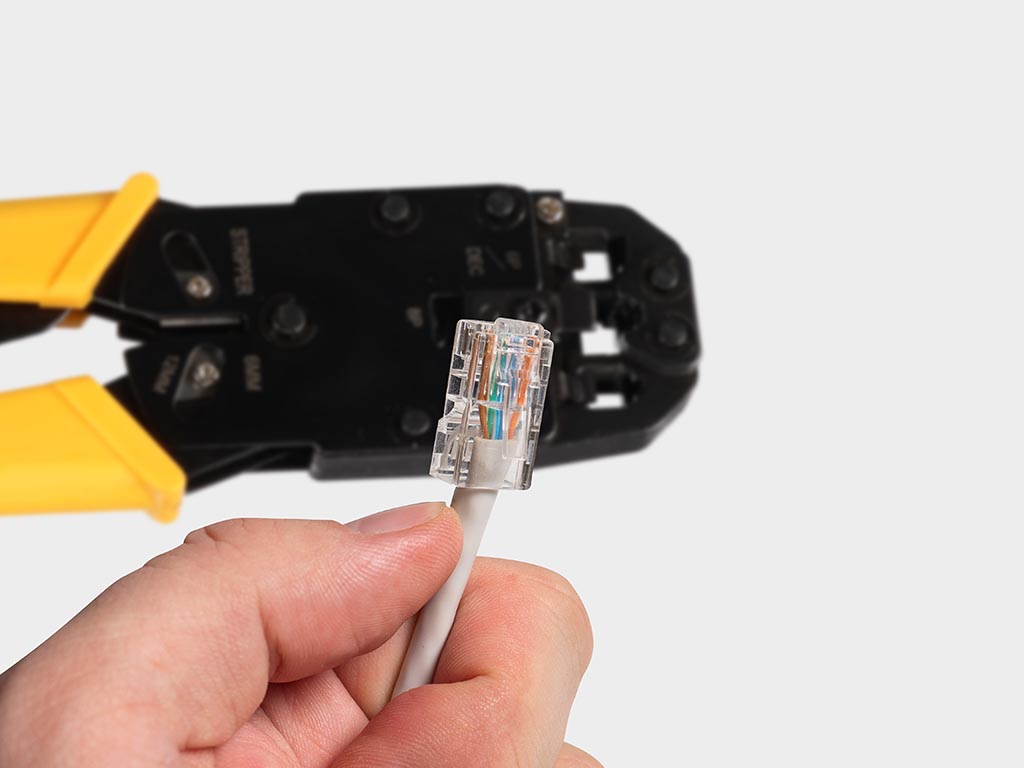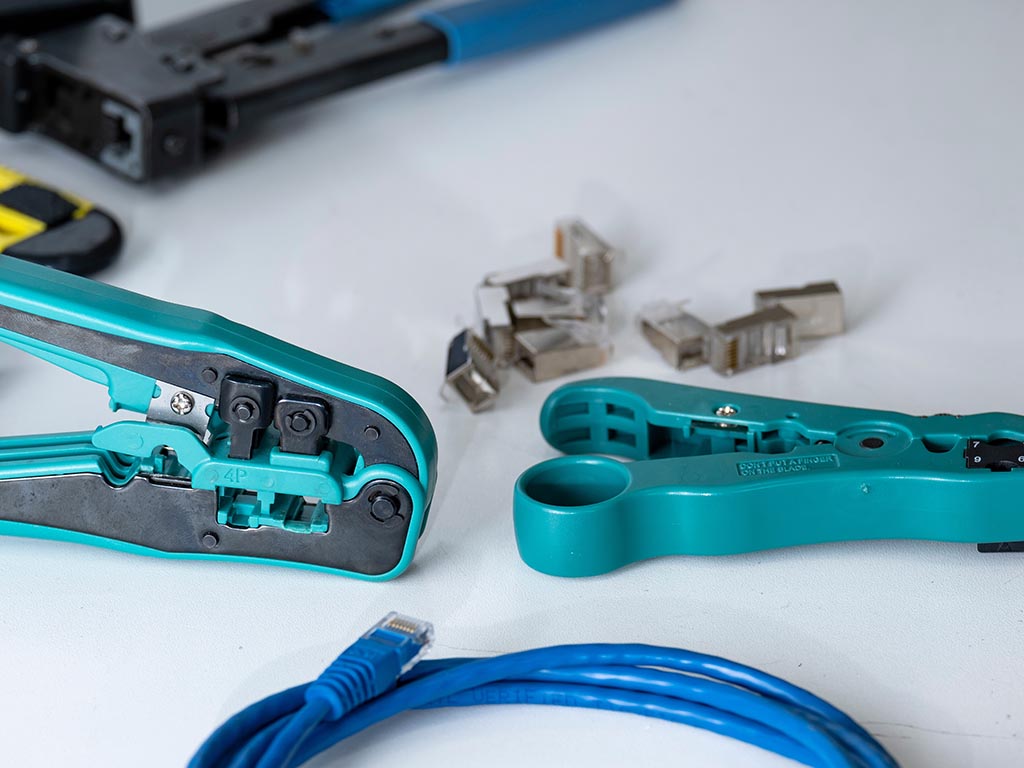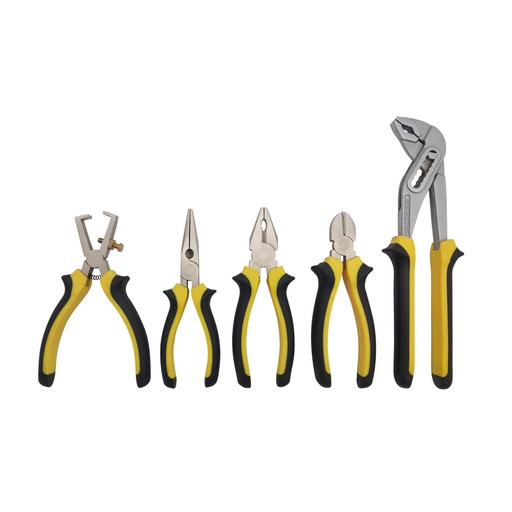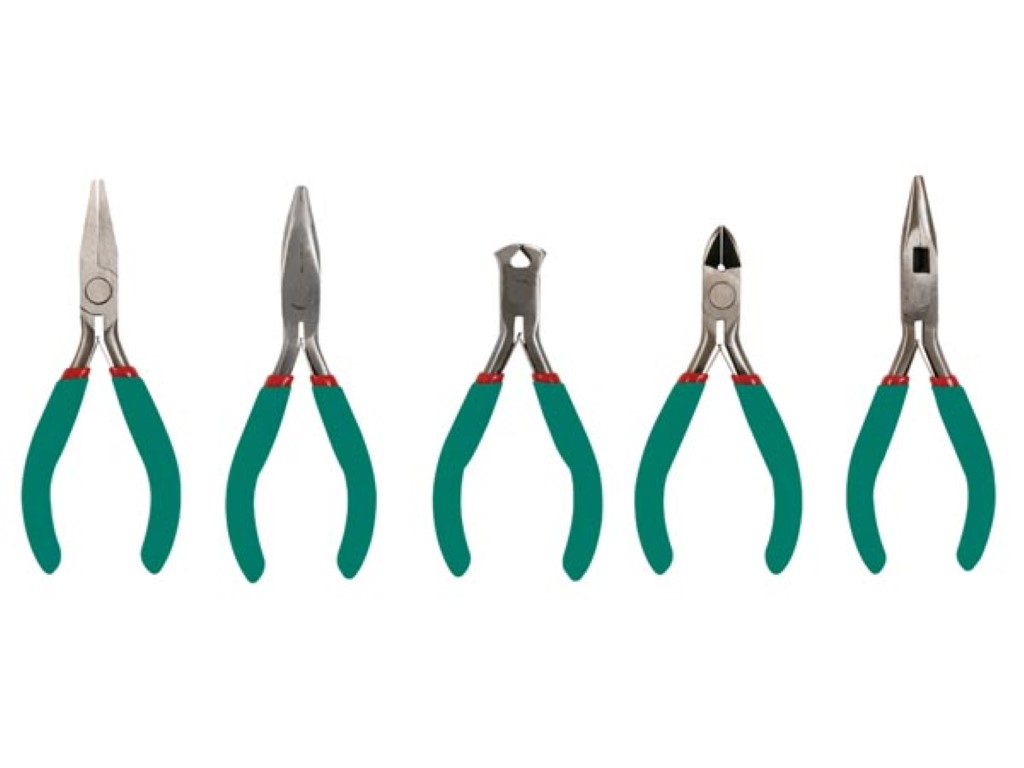
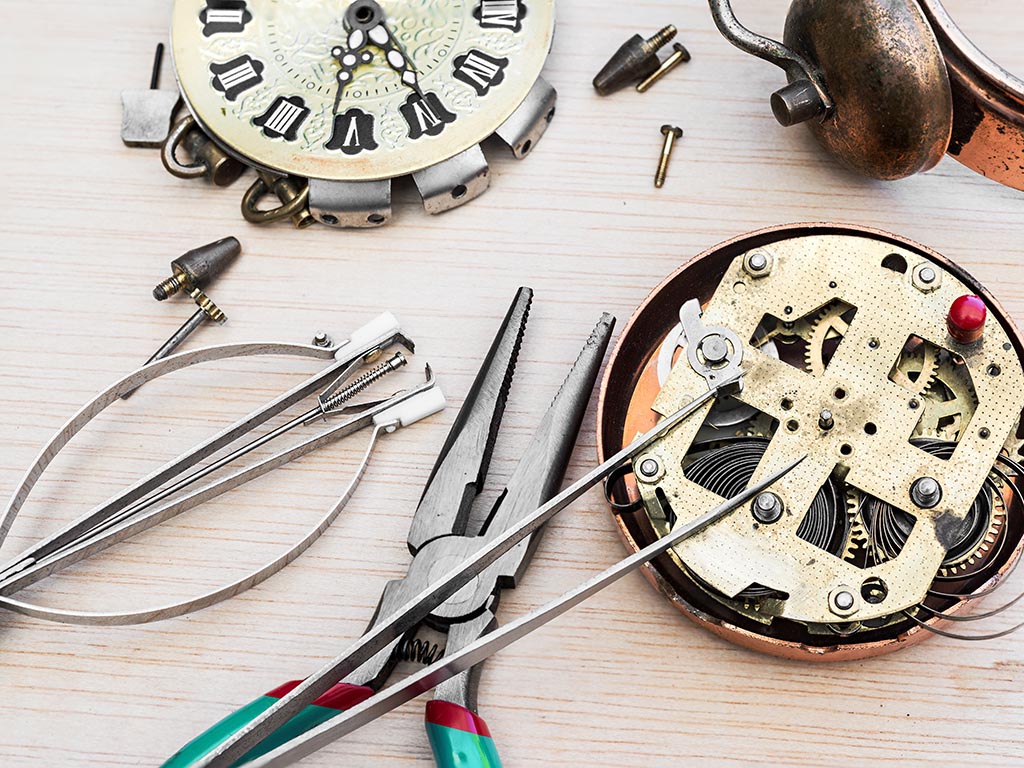
Grip components, trim wire or finish a cable connection with pliers made for the operation. This range includes flat-nose and cutting pliers, wire strippers, a five-plier set and several crimping tools. The most important distinction is the job at the jaws: holding, cutting, stripping or forming a particular connector.
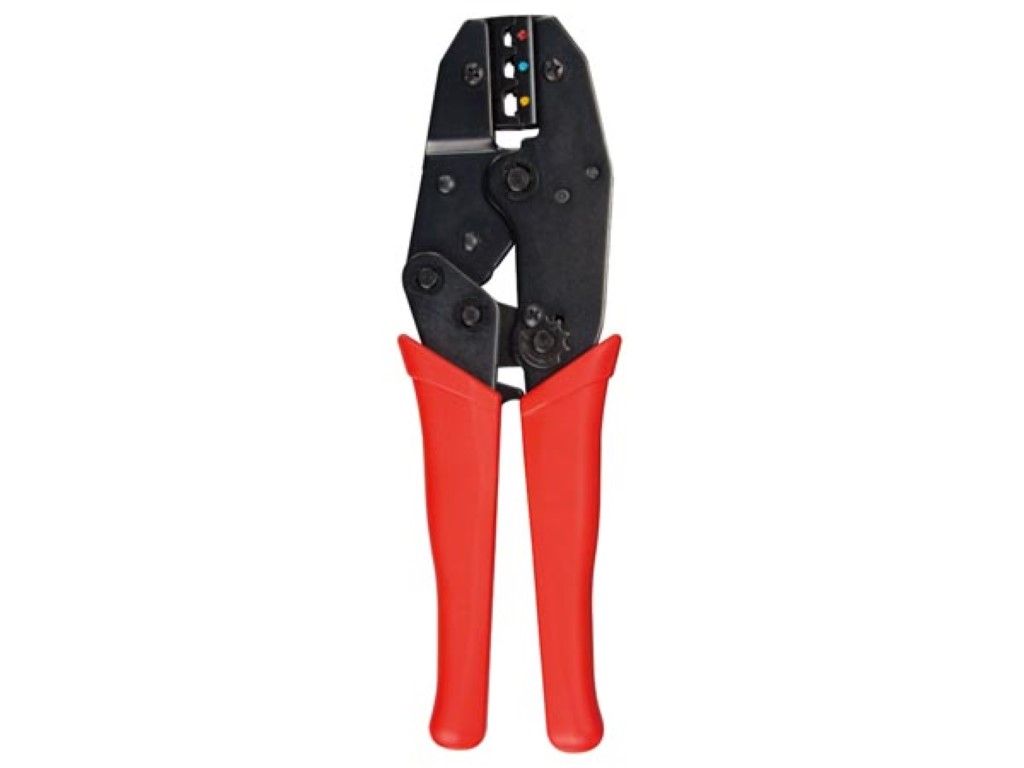
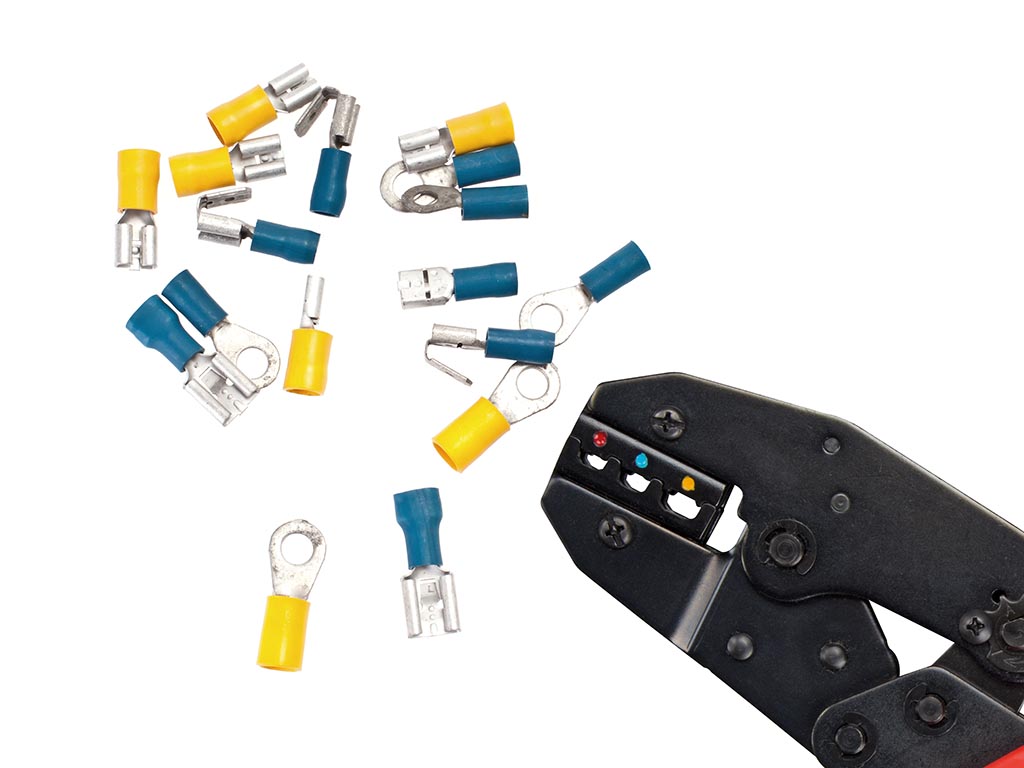
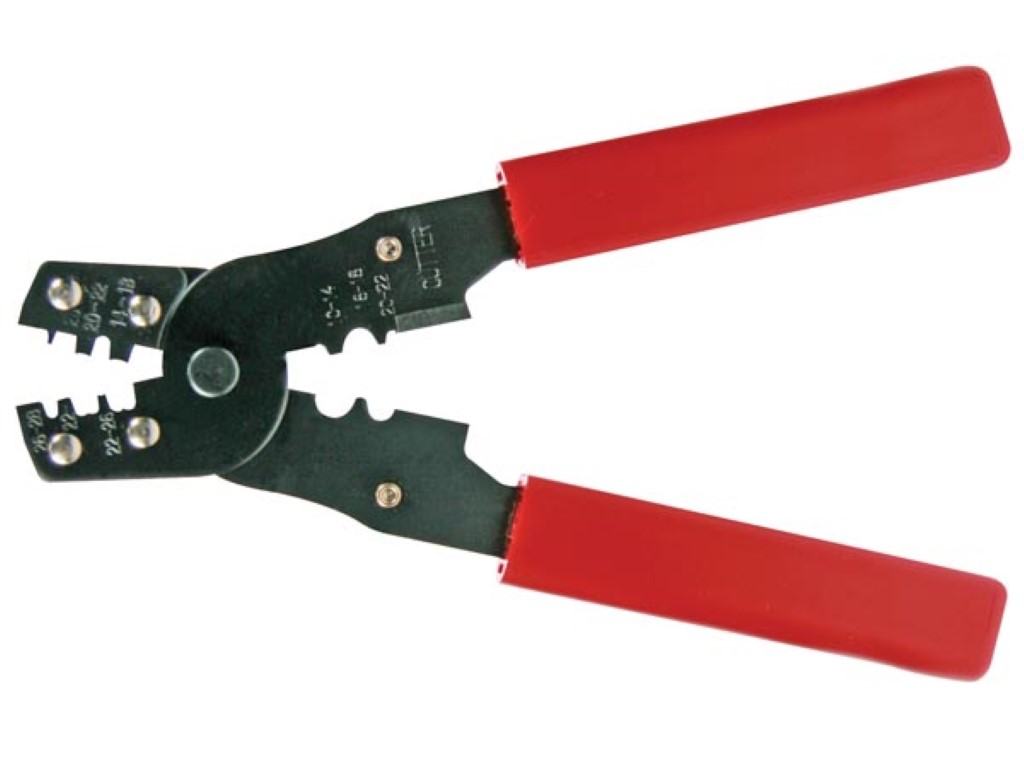
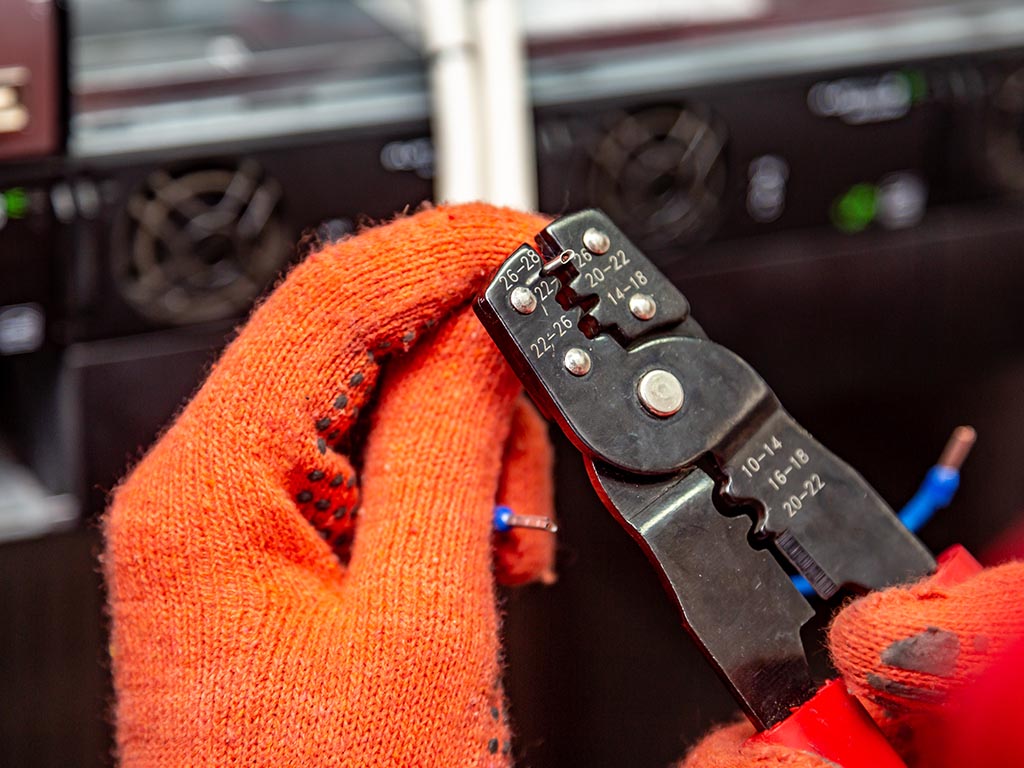
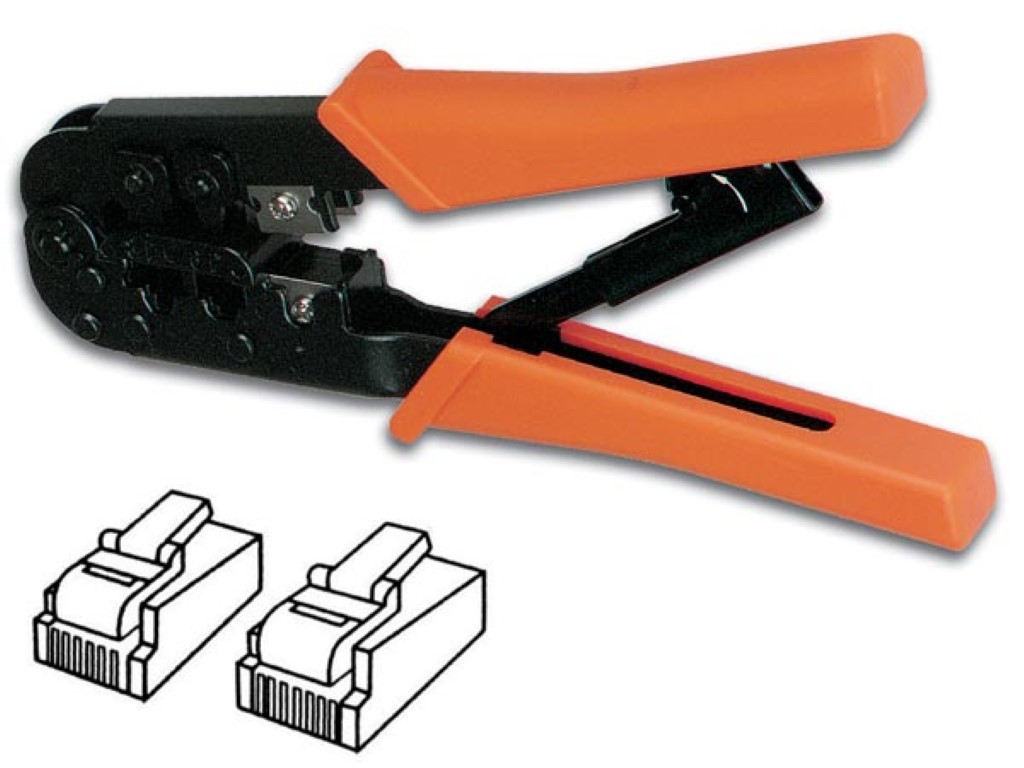
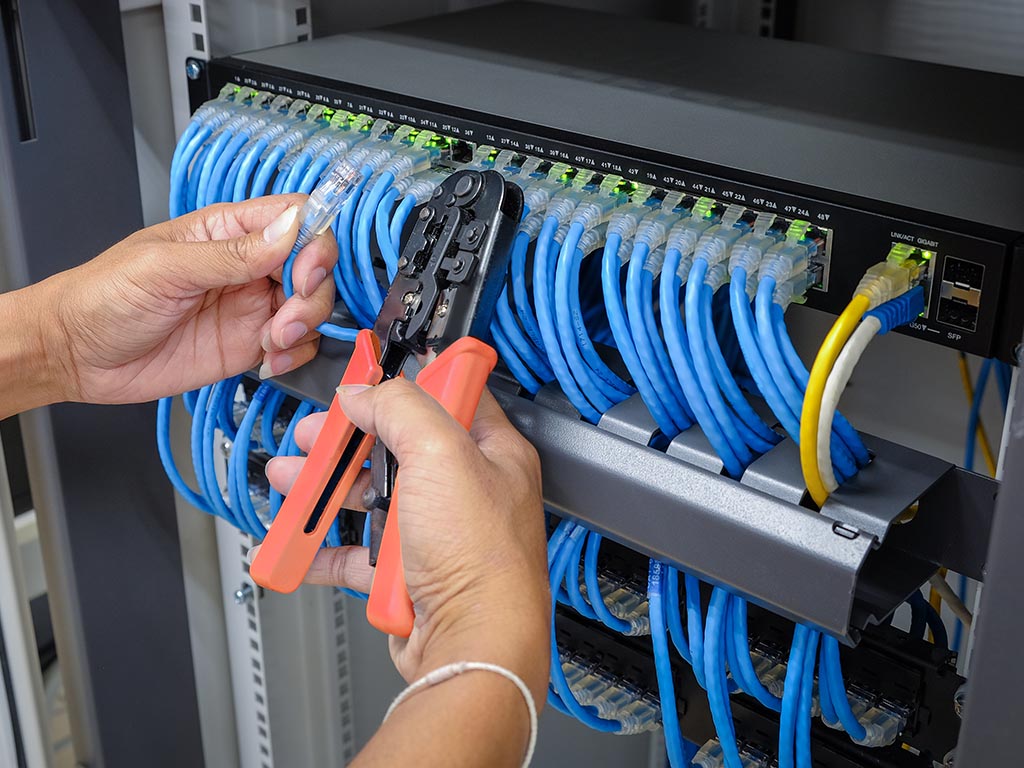
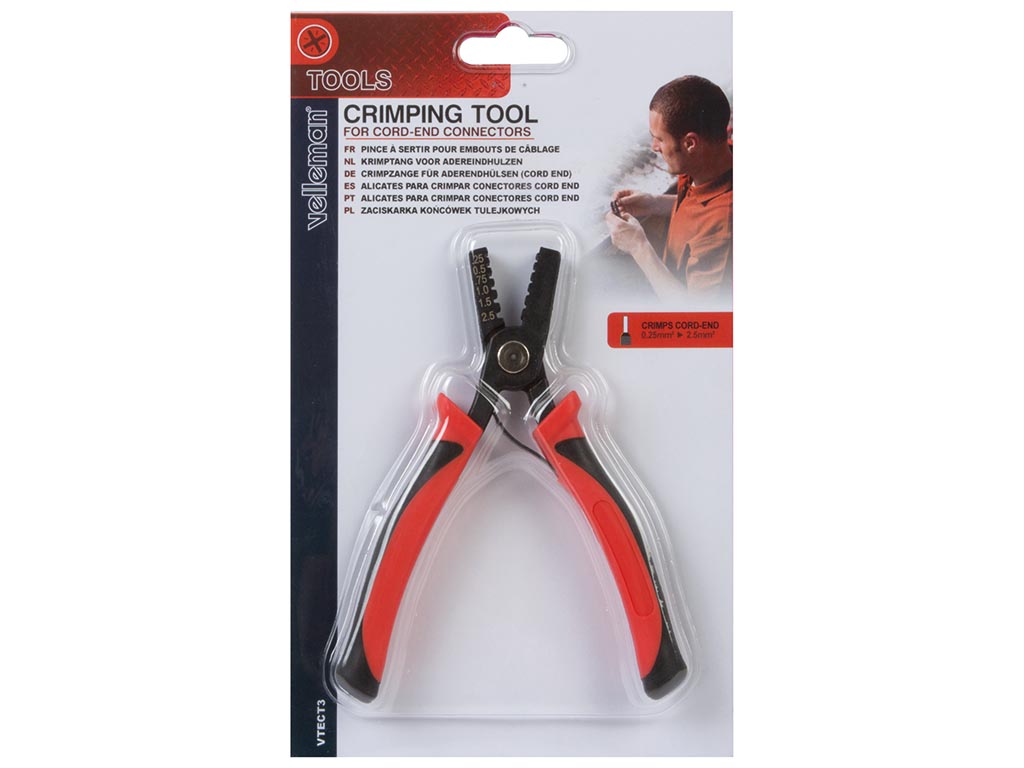
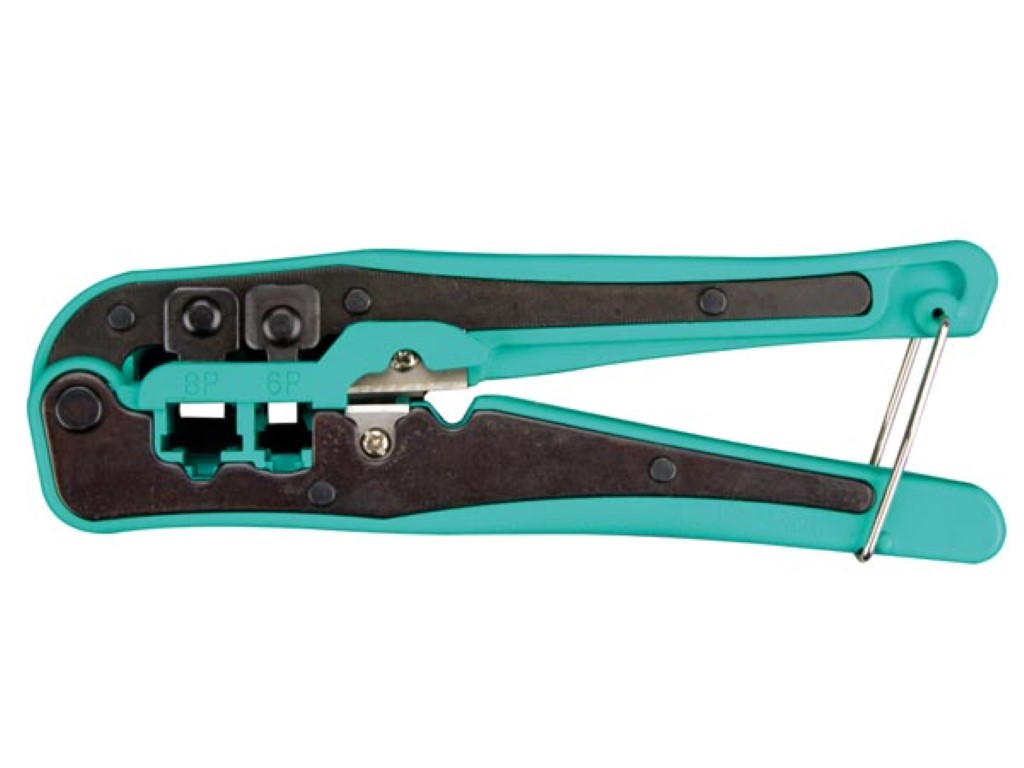
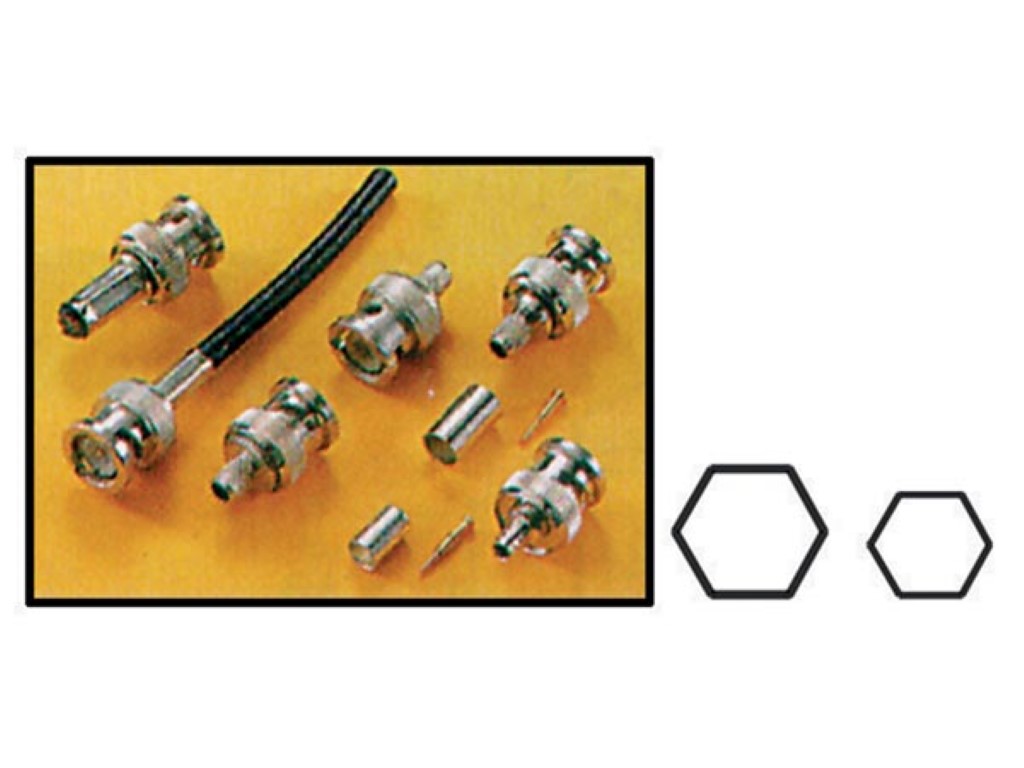
For crimping, choose the exact connector family and size. Tools for coax connectors, modular RJ connectors, non-insulated terminals, fast-on connectors and cord-end ferrules are not interchangeable. Check the supported connector format and wire cross-section; for example, the ferrule tool covers 0.25 to 2.5 mm².
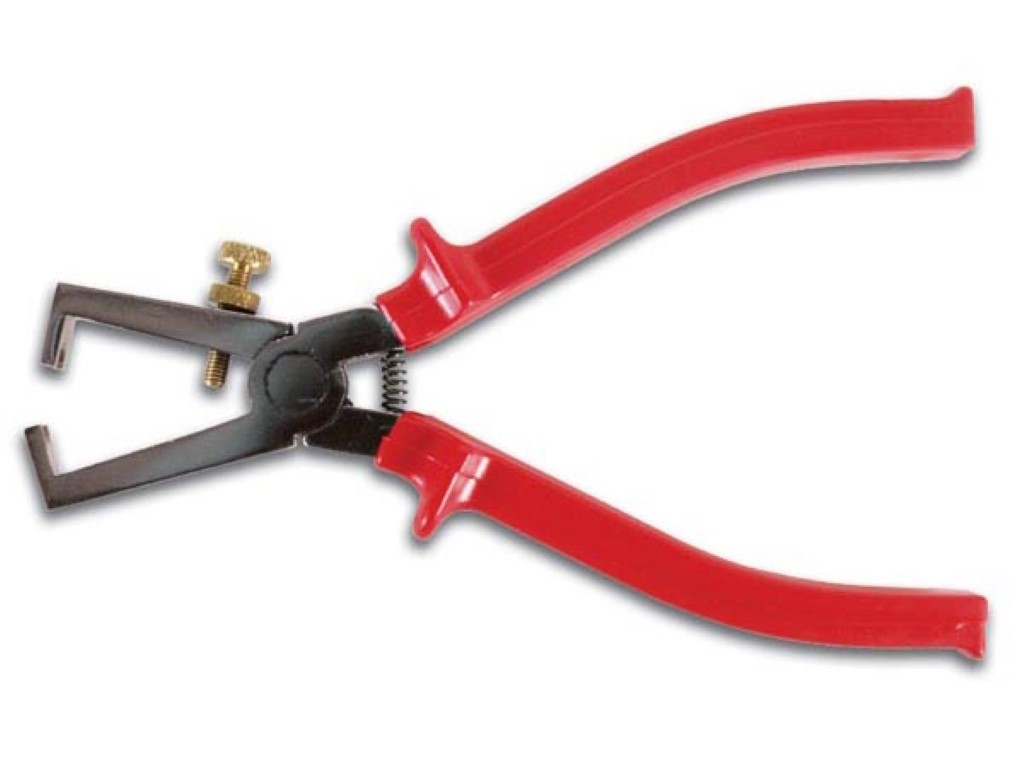
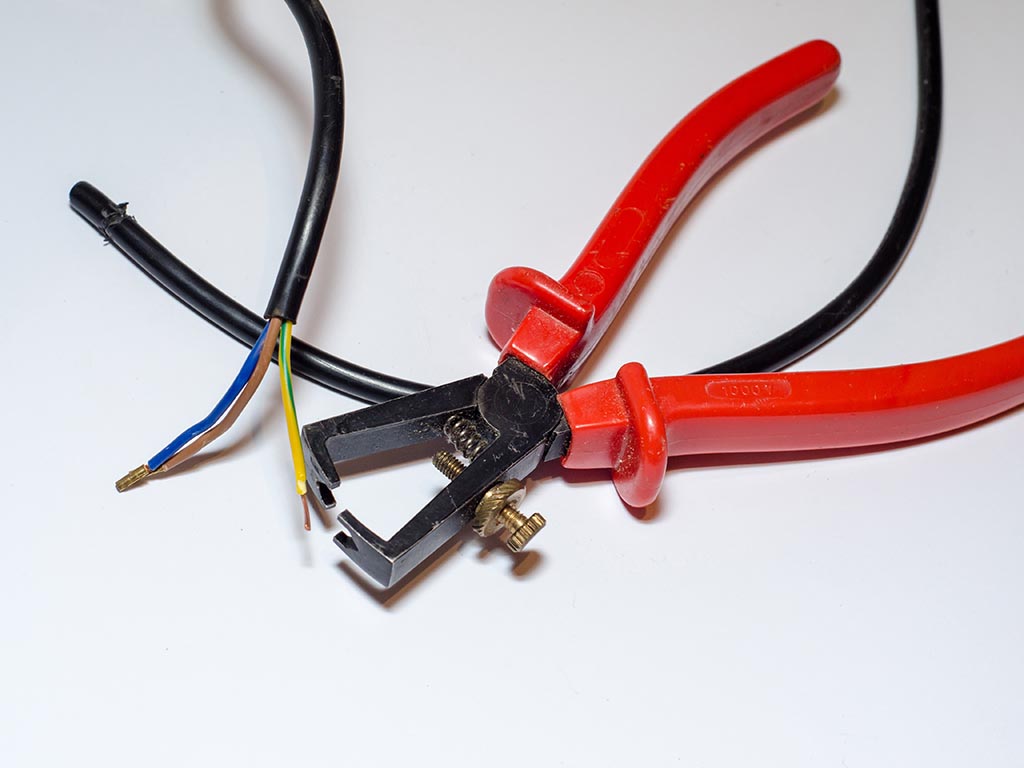
For component work, compare jaw profile and reach with the space around the part. Micro cutters suit a different scale of work from larger general pliers. Adjustable and self-adjusting strippers offer different approaches to repeated cable preparation. Check the permitted cutting material and size, and work with electrical equipment disconnected; ordinary handles do not establish suitability for live work.
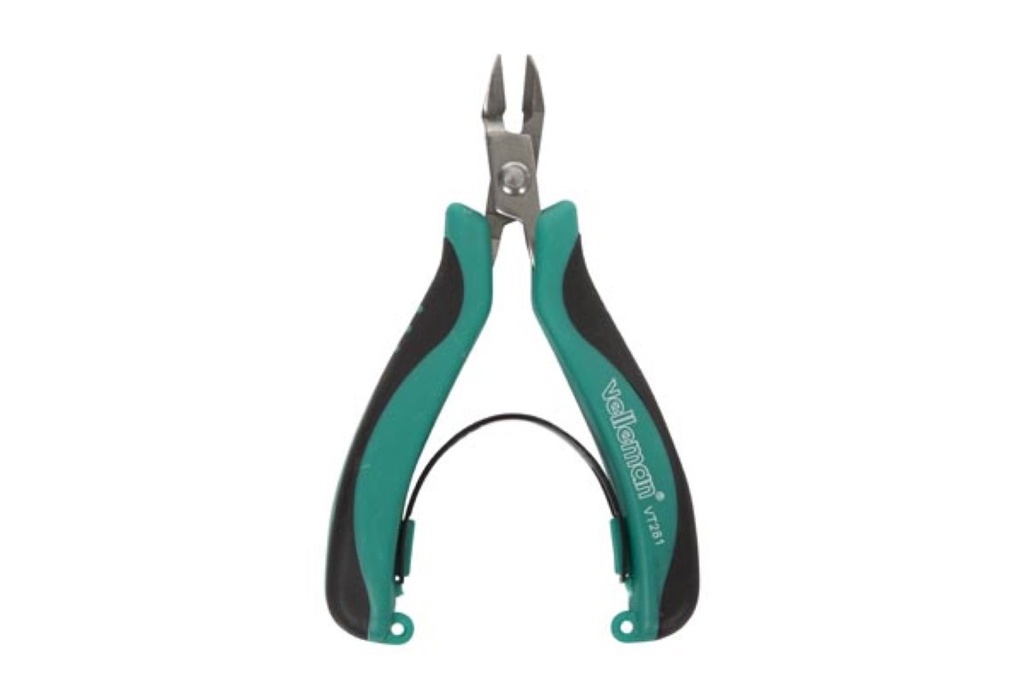
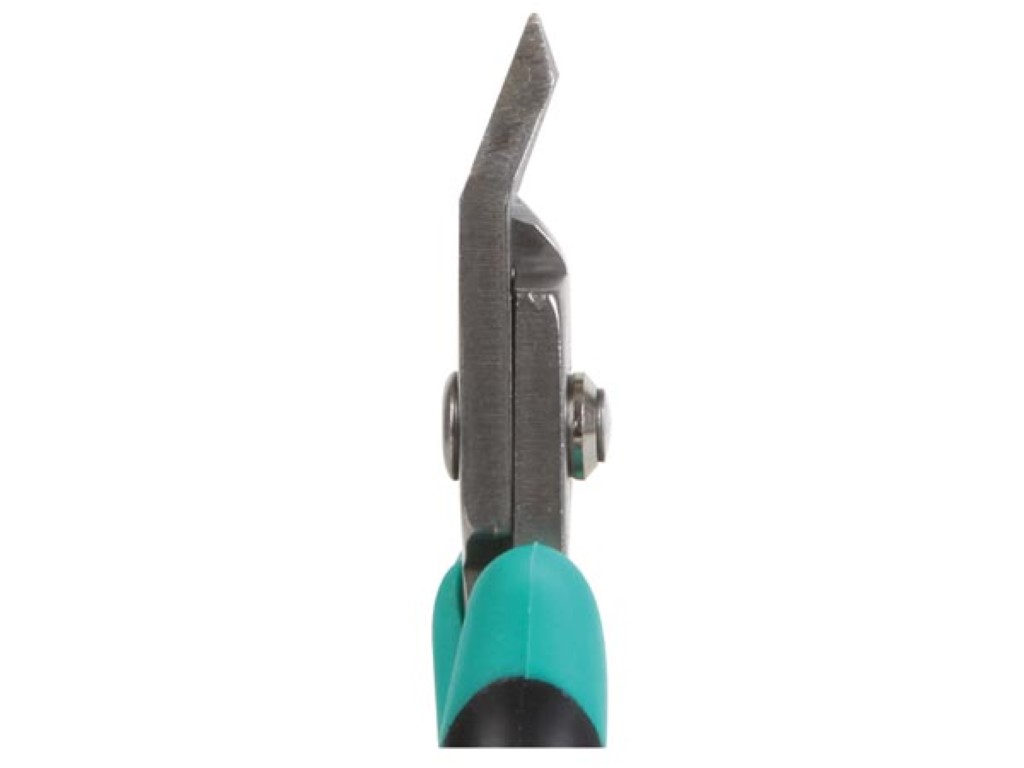
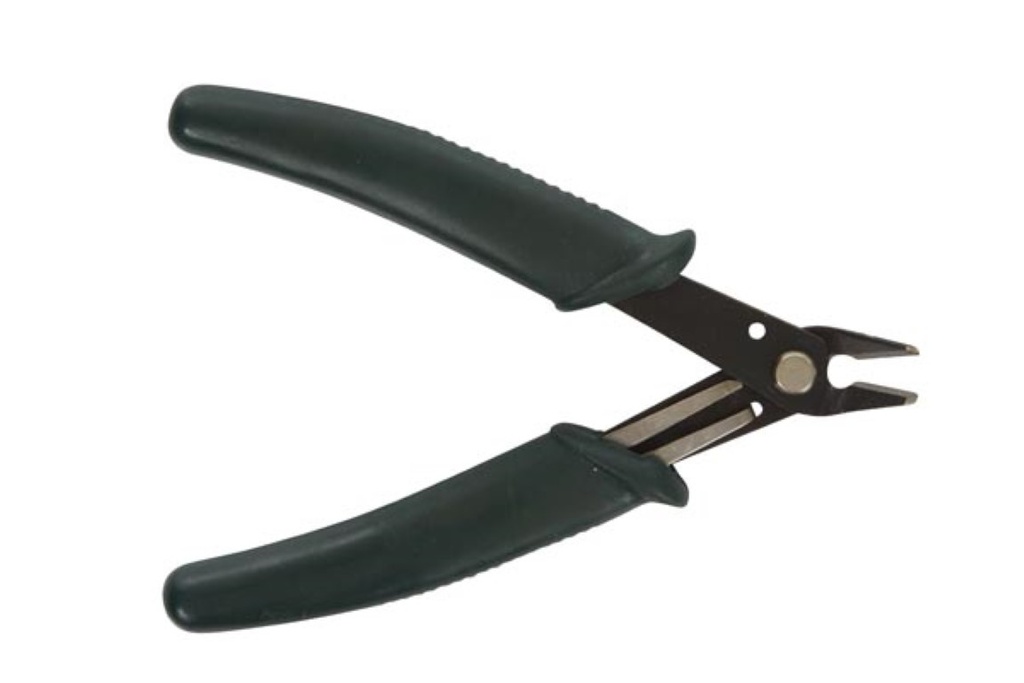
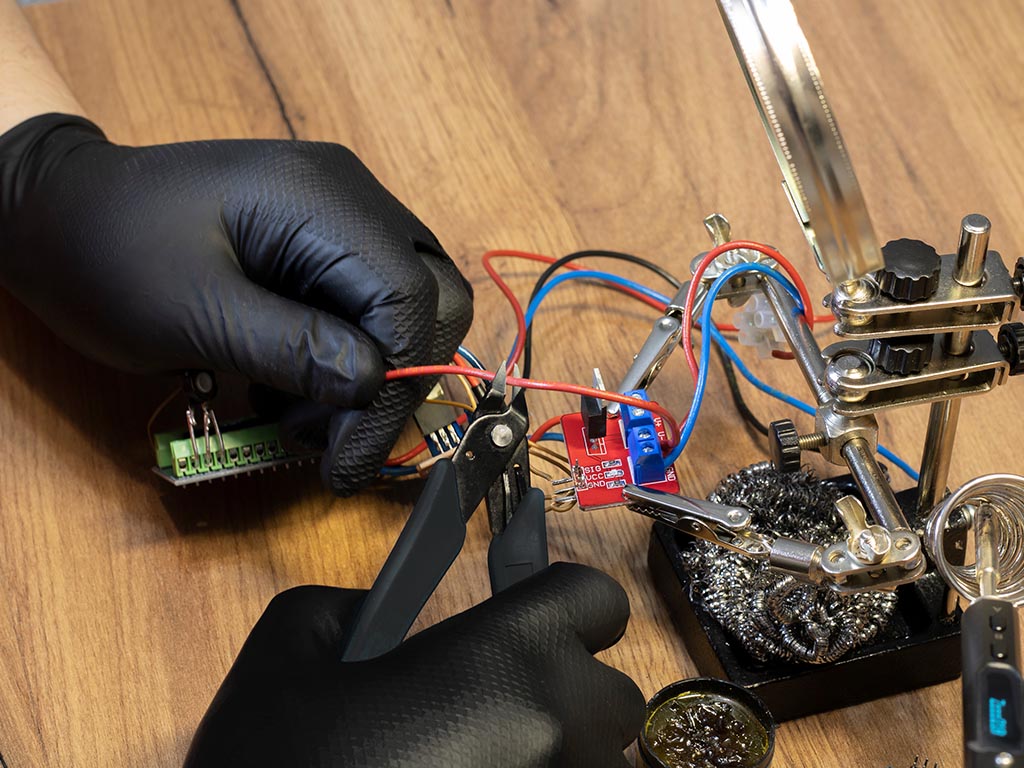
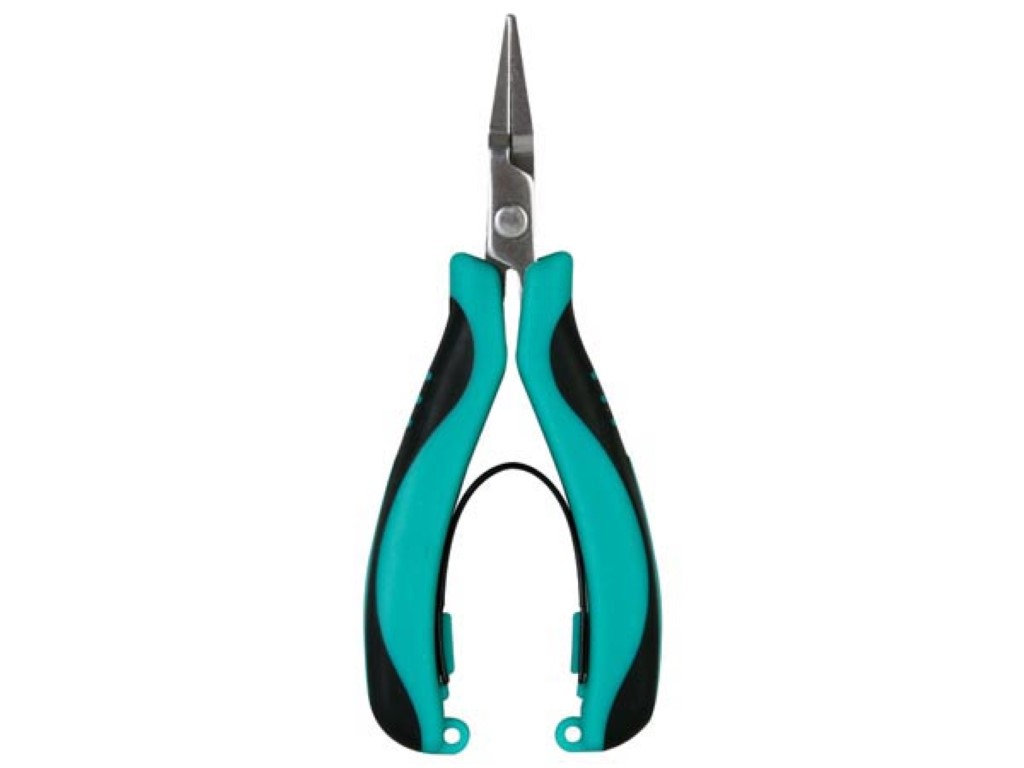
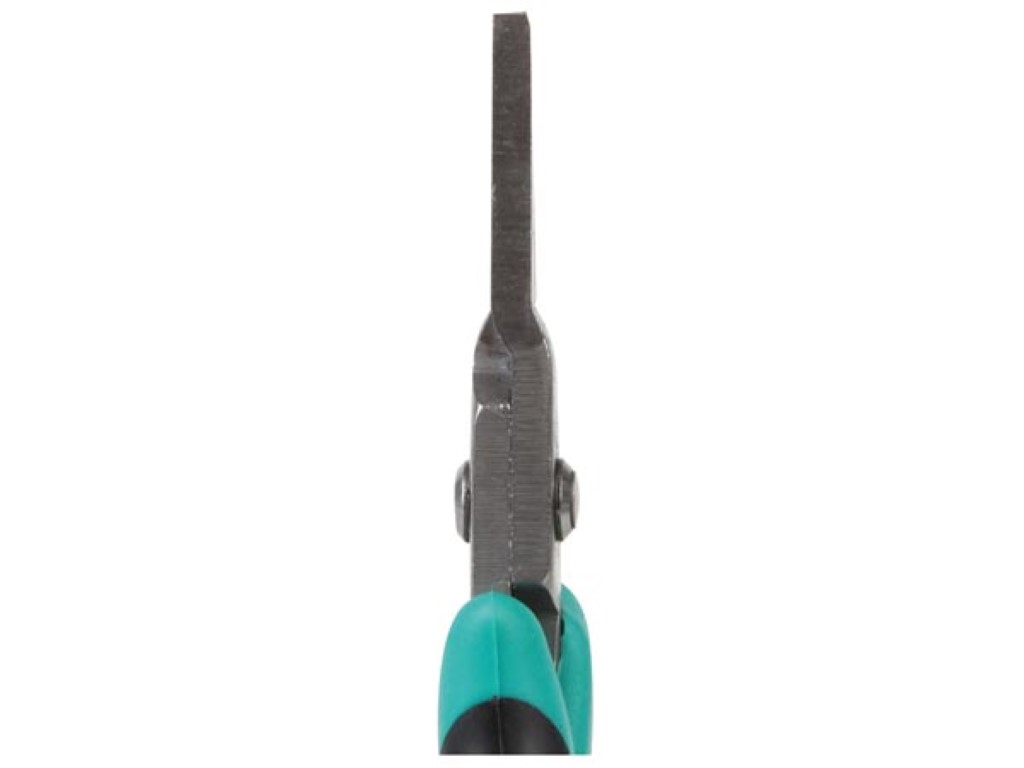
Choose the jaw and cutting function for the task. Fine long-nose or flat-nose pliers help hold and shape small parts; suitable side cutters trim leads. Crimping and stripping need the appropriate tool functions and working ranges.
No. Cutting capacity depends on material and diameter, not only tool size. A cutter intended for soft copper leads may be damaged by steel wire. Match the manufacturer's stated cutting capacity to the wire before choosing the tool.
Start with the connector type, then match the die profile and conductor range. Modular plugs, coax connectors, insulated terminals and ferrules need different crimp shapes. A tool that accepts one connector family is not automatically suitable for another.
A ratchet mechanism controls the crimping cycle and helps complete a repeatable compression when used with compatible terminals and wire. It does not make the tool universal. Correct connector preparation, die selection and conductor size still determine the connection.
Miniature pliers suit confined spaces and delicate gripping; larger pliers offer a different reach and capacity for heavier tasks. Choose the jaw shape, working capacity and grip for your work. A set is useful when you regularly need several distinct functions.