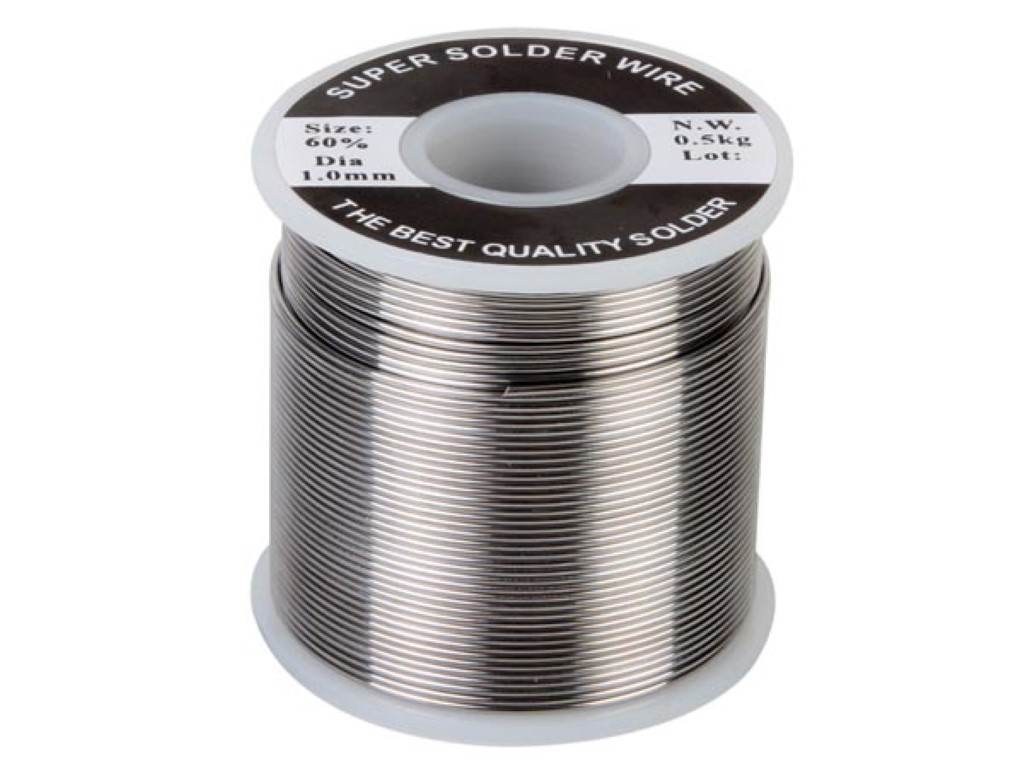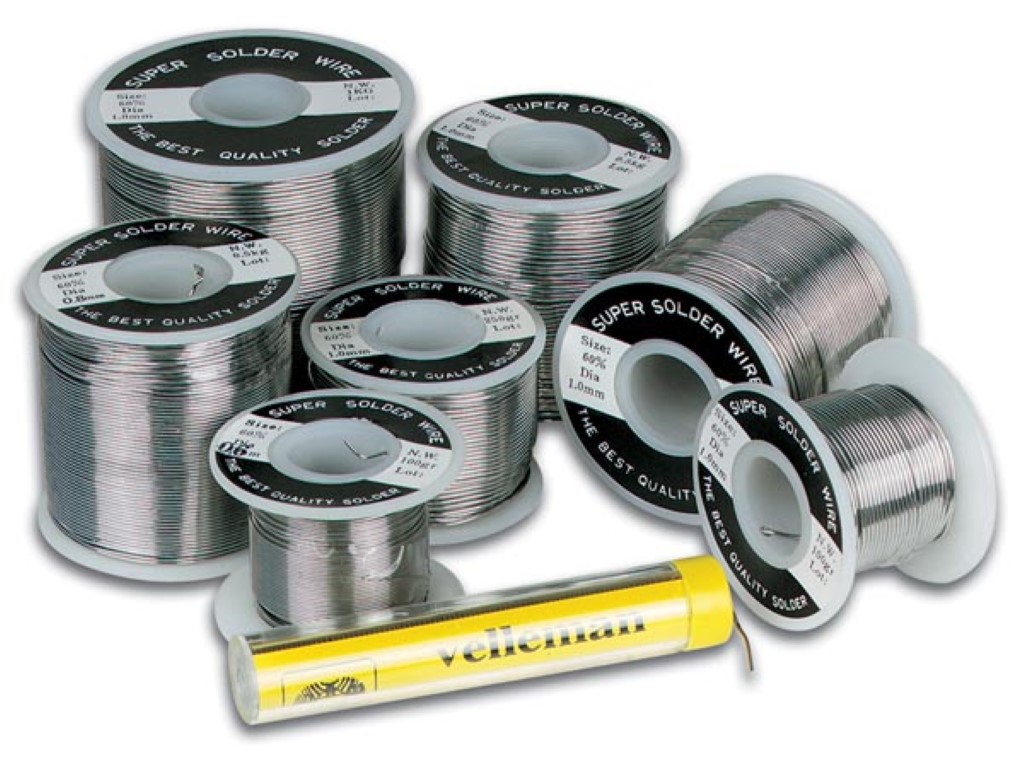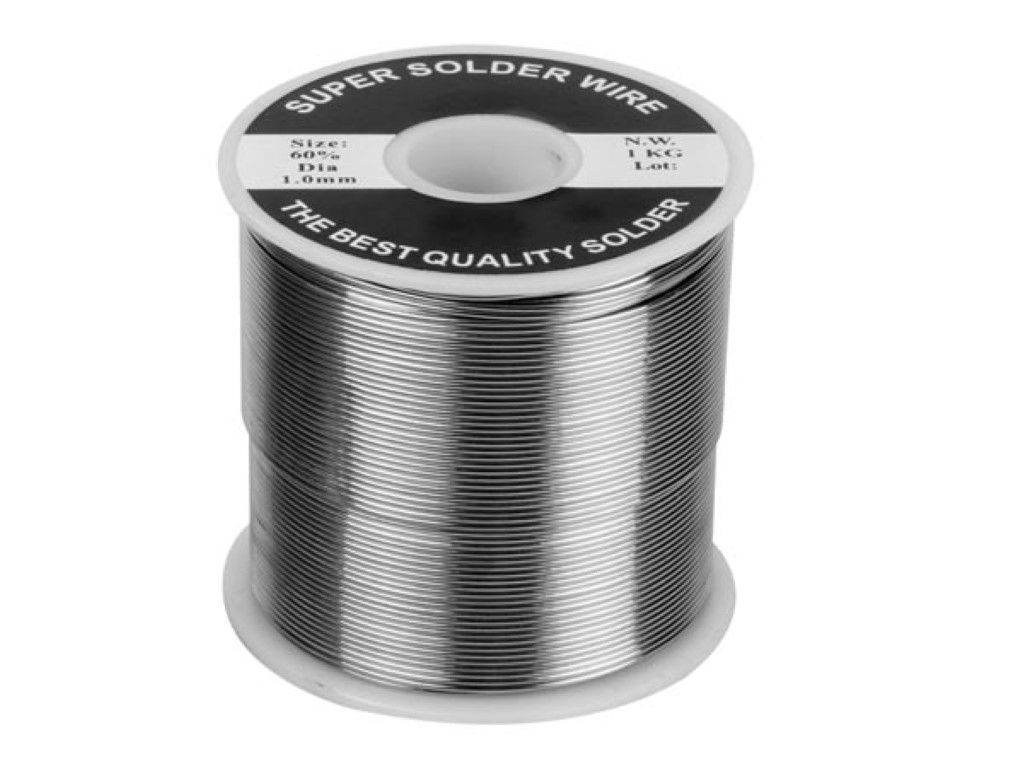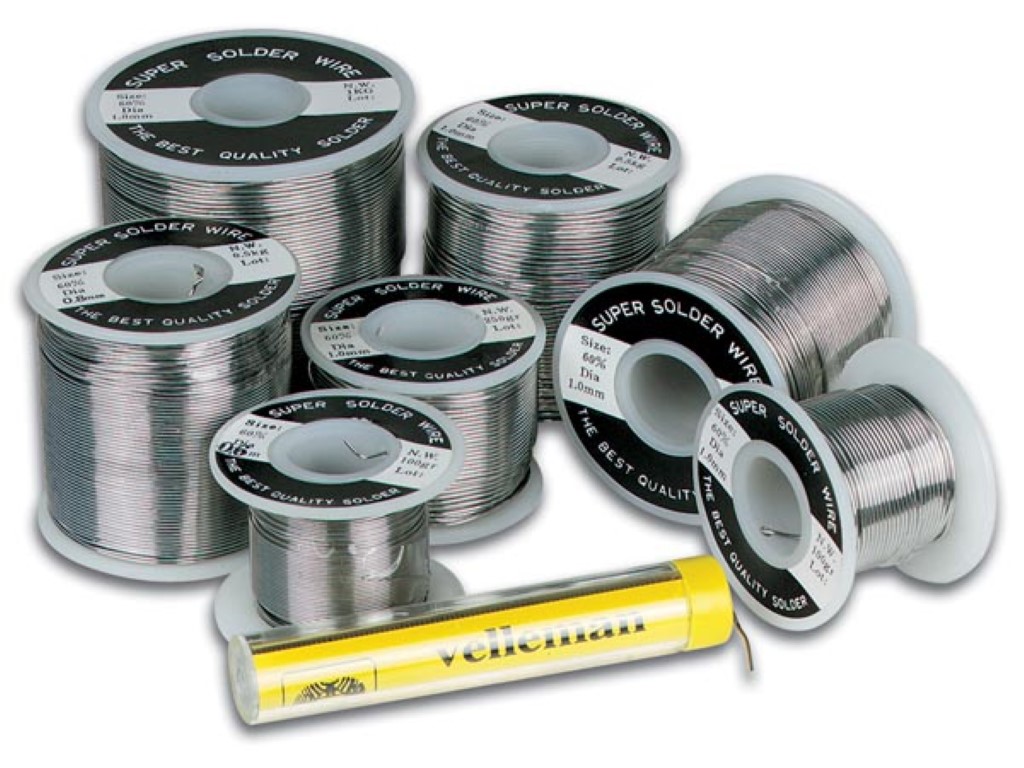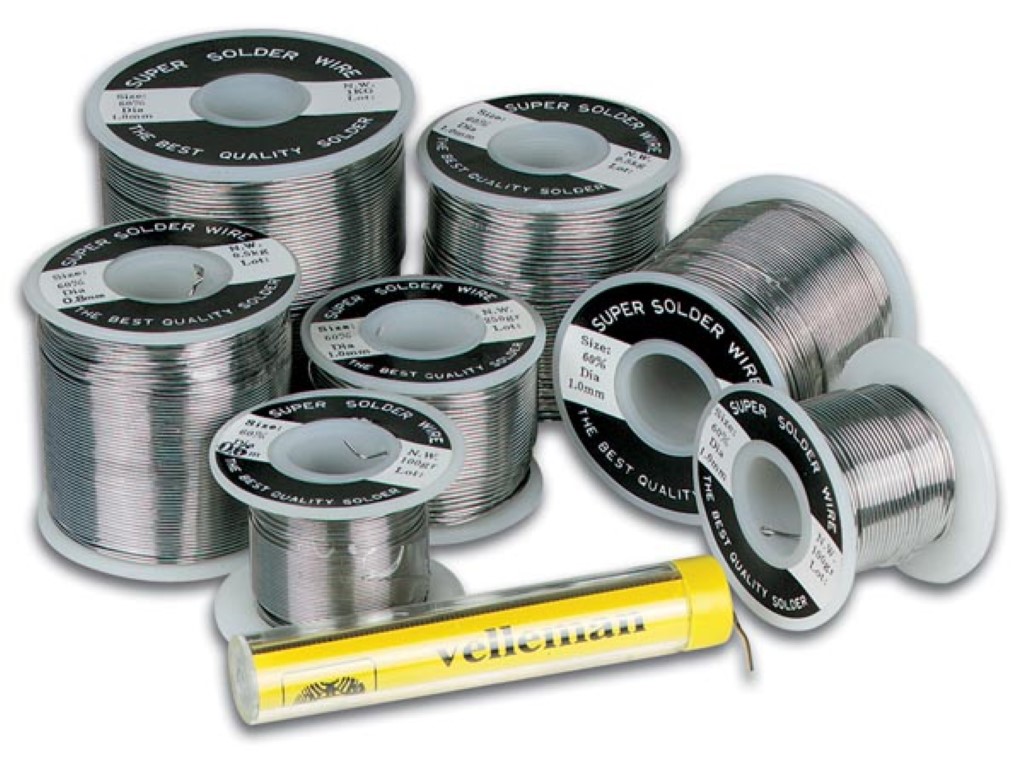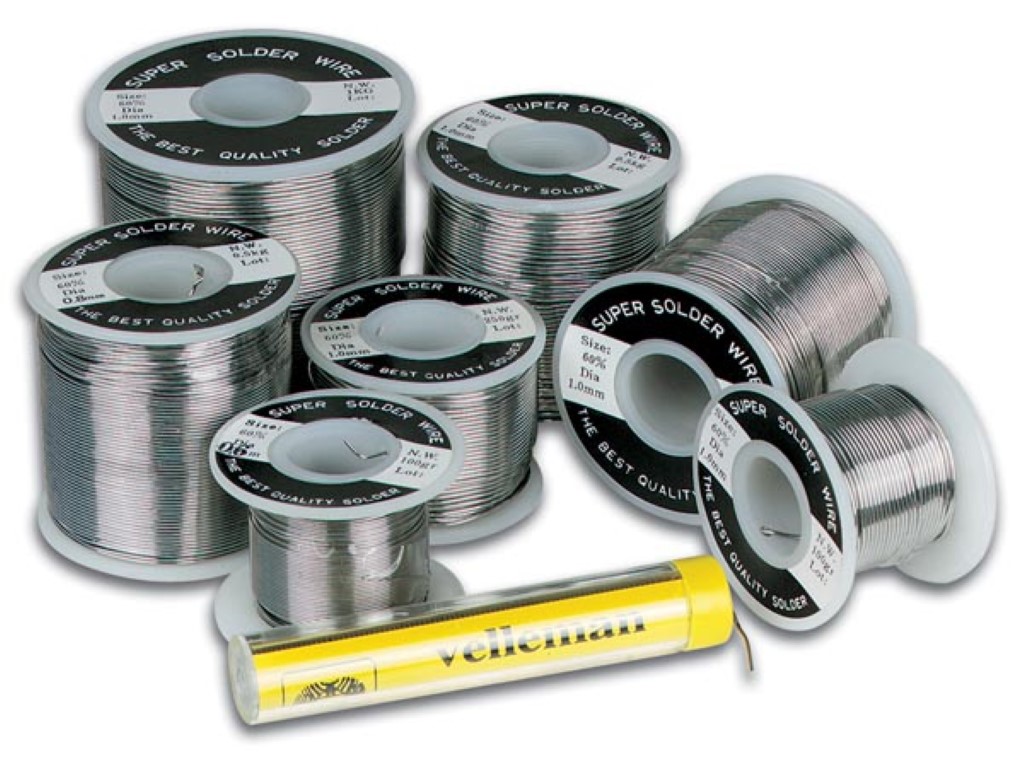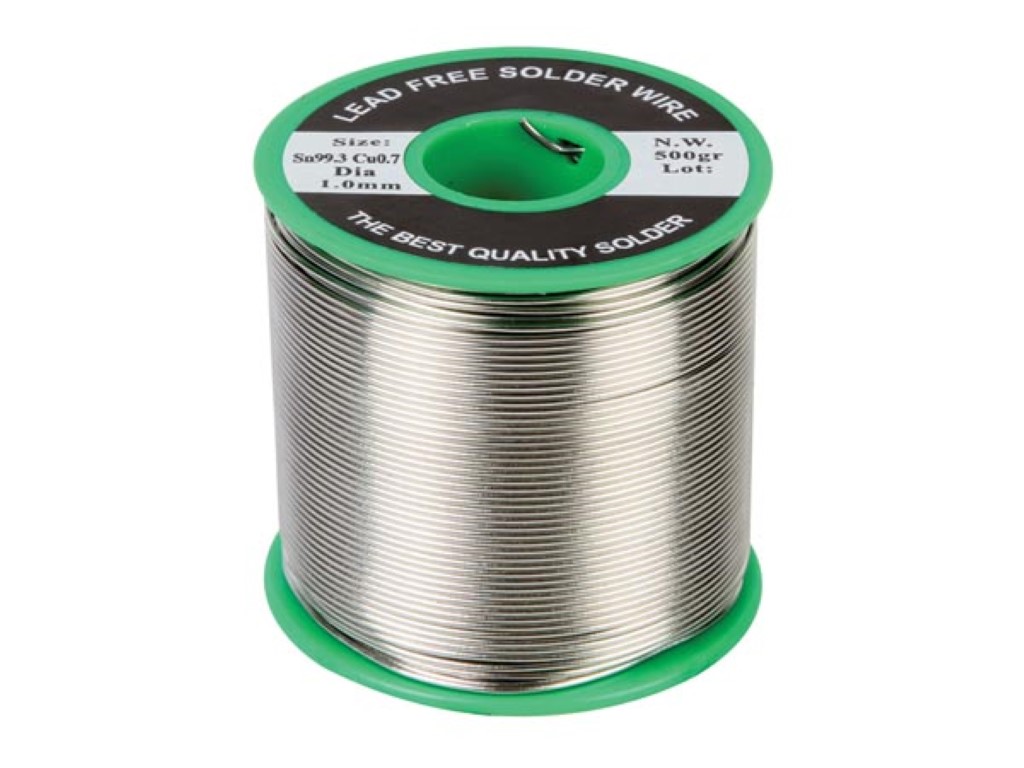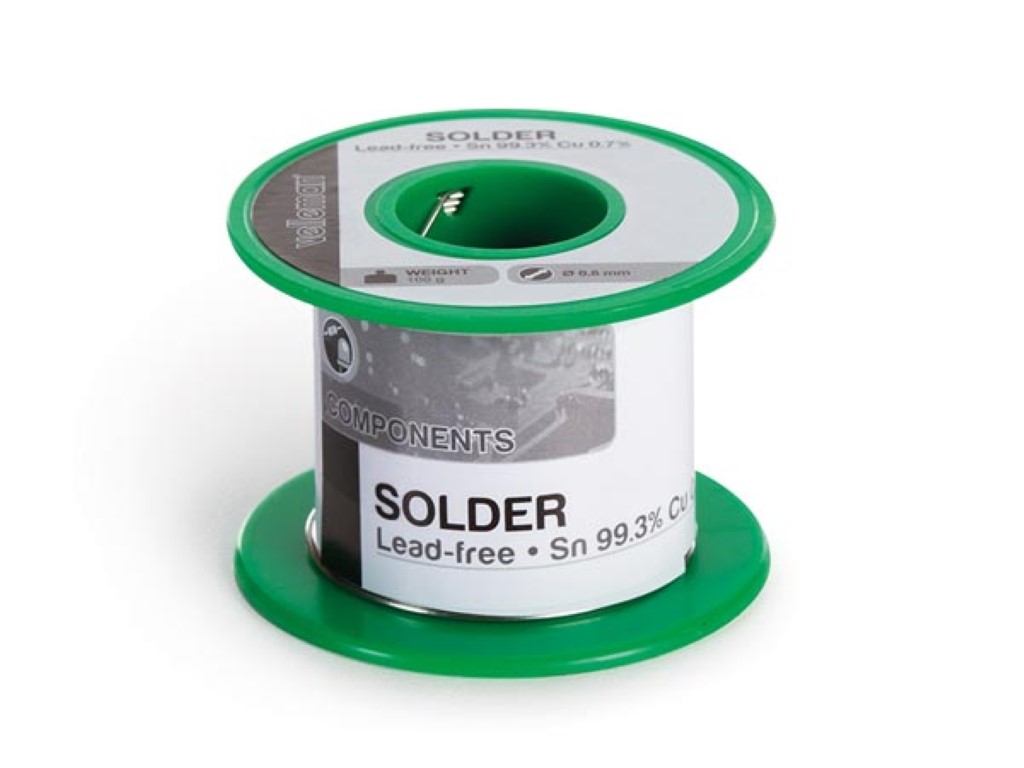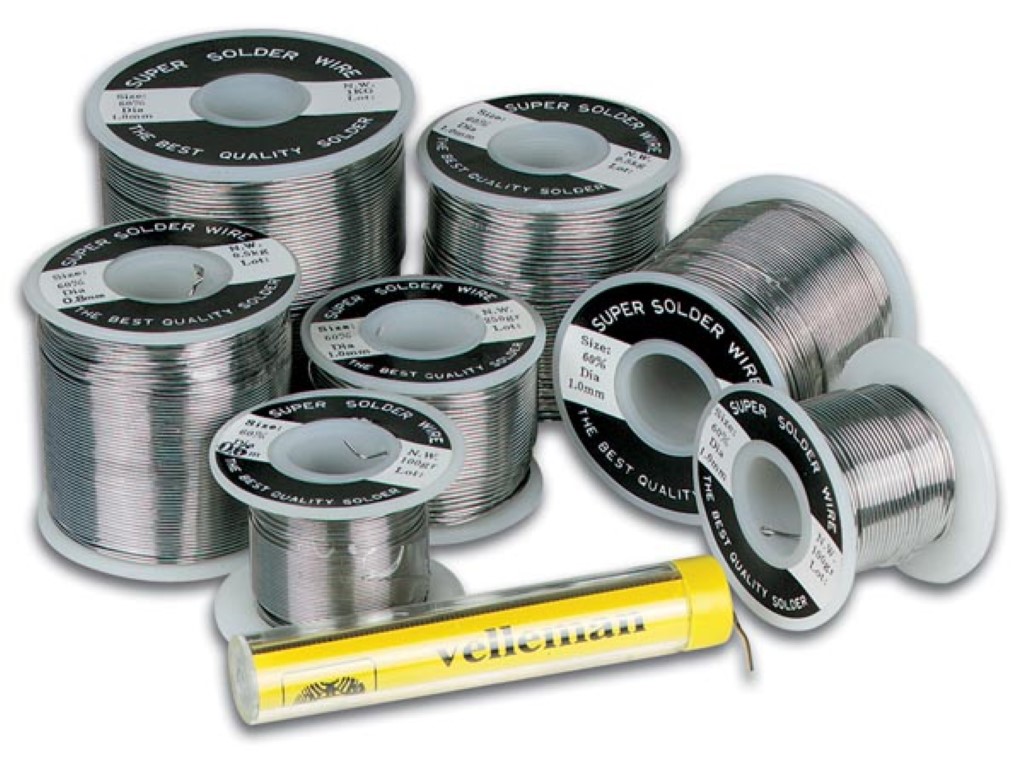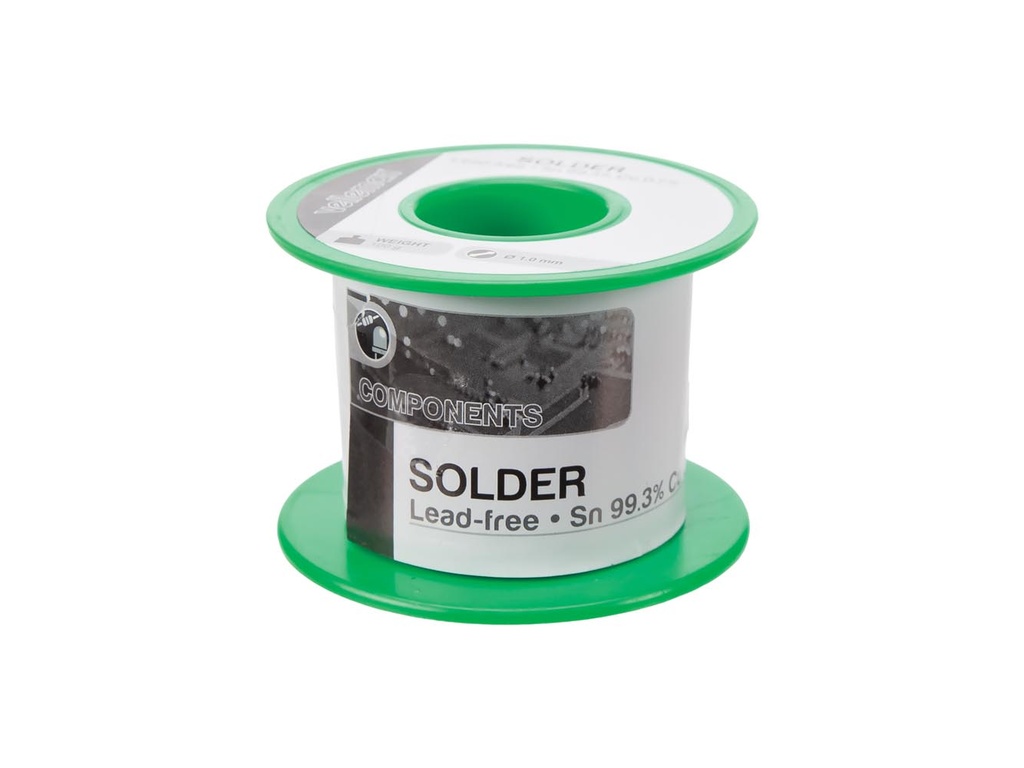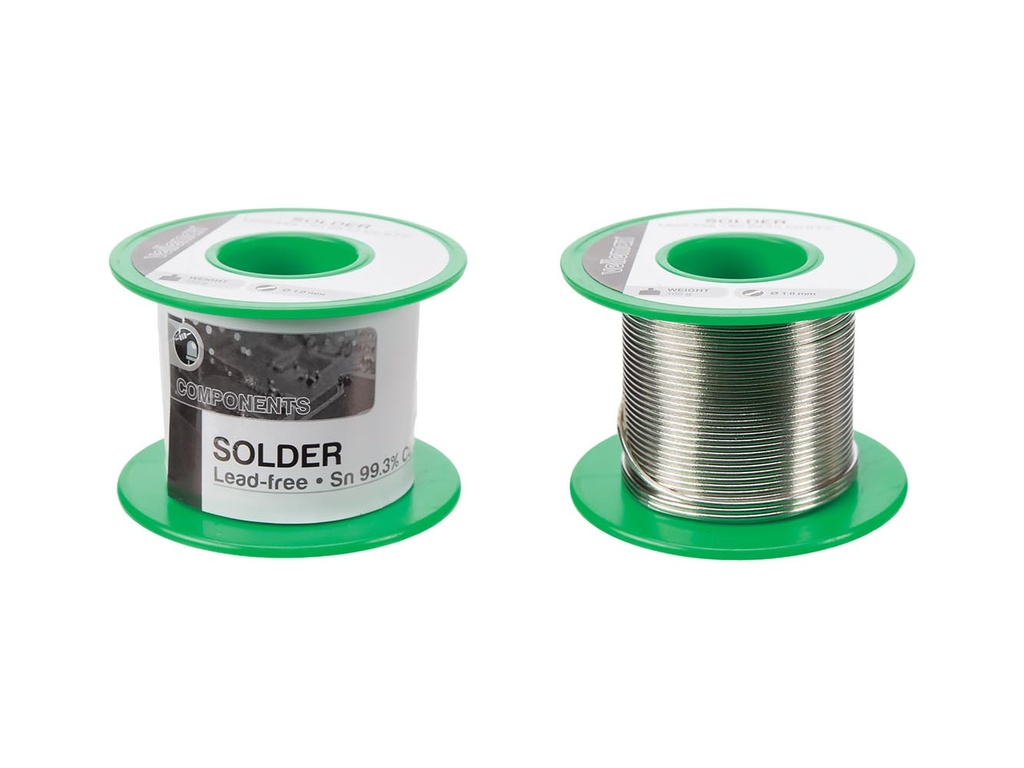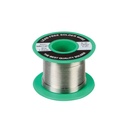
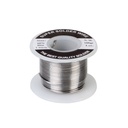
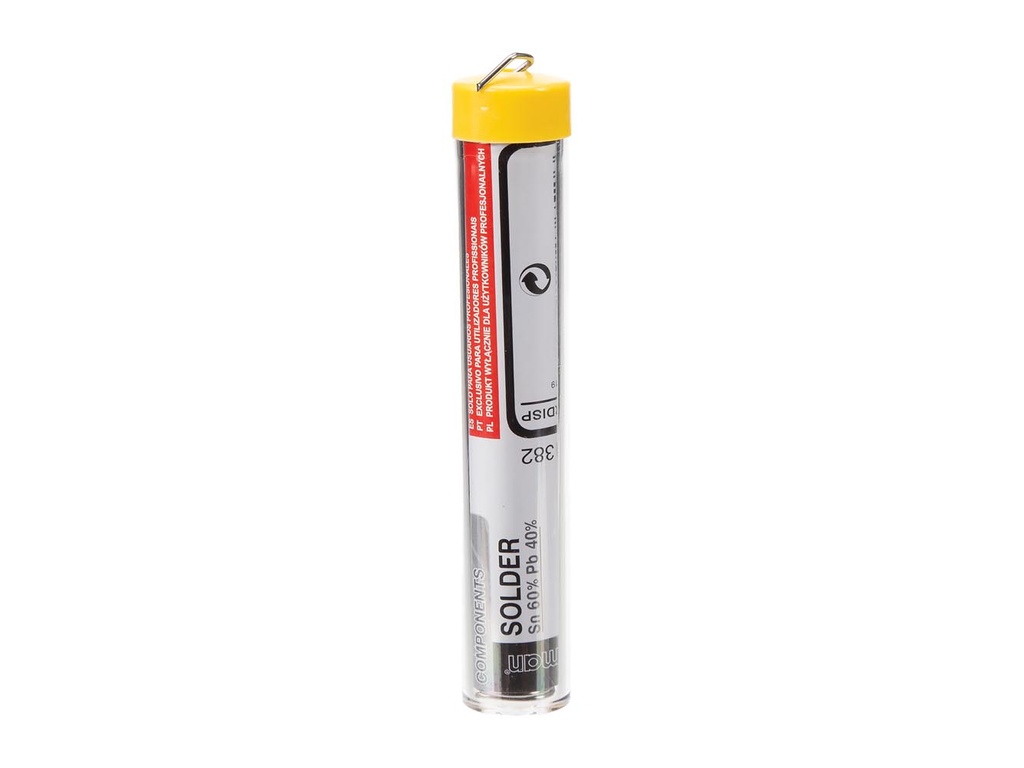
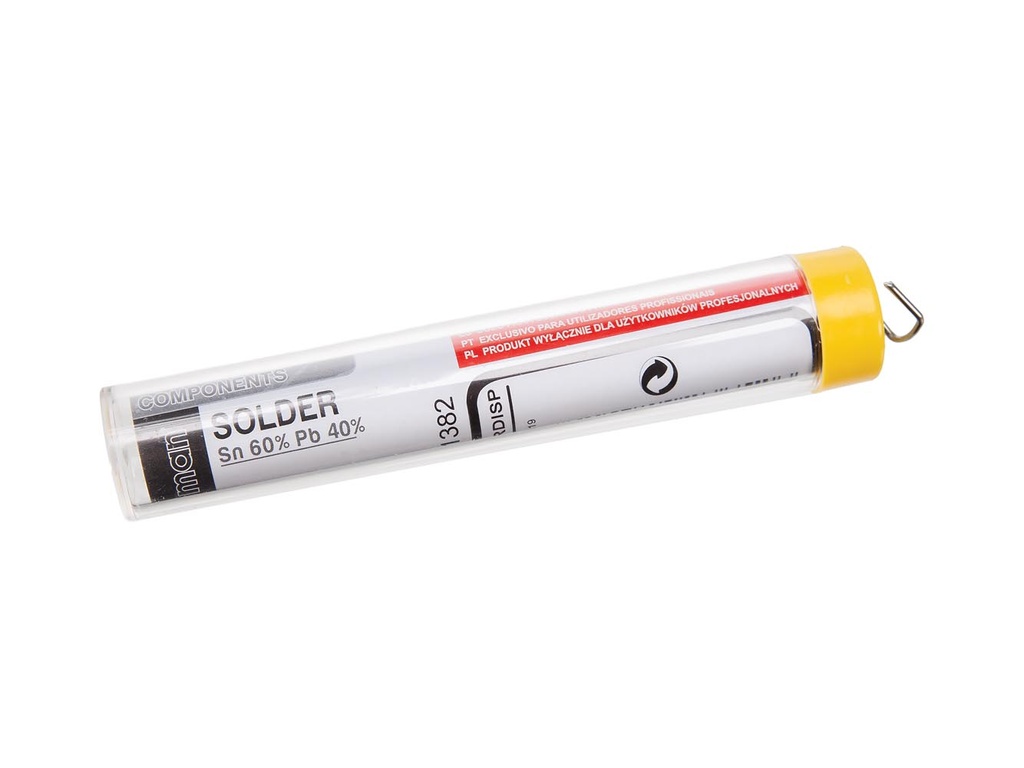
Feed the right amount of solder into your electronic connections with solder wire matched to the job. This selection separates lead-free tin-copper wire from leaded tin-lead wire, with several diameters and pack sizes. Small dispensers and larger reels let you choose a format for occasional work or regular use.
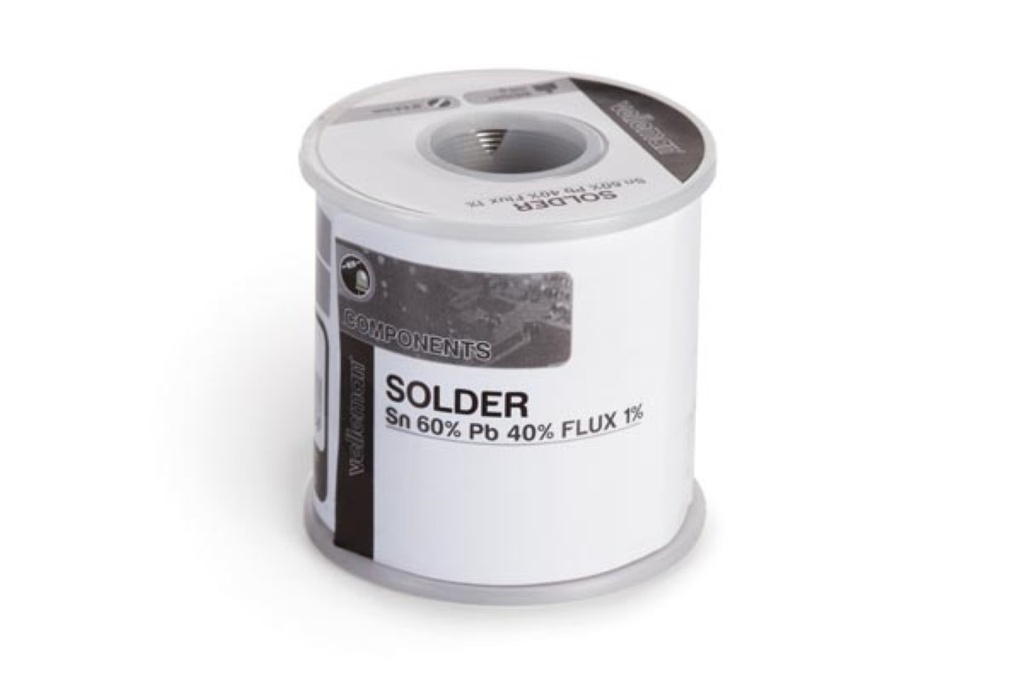
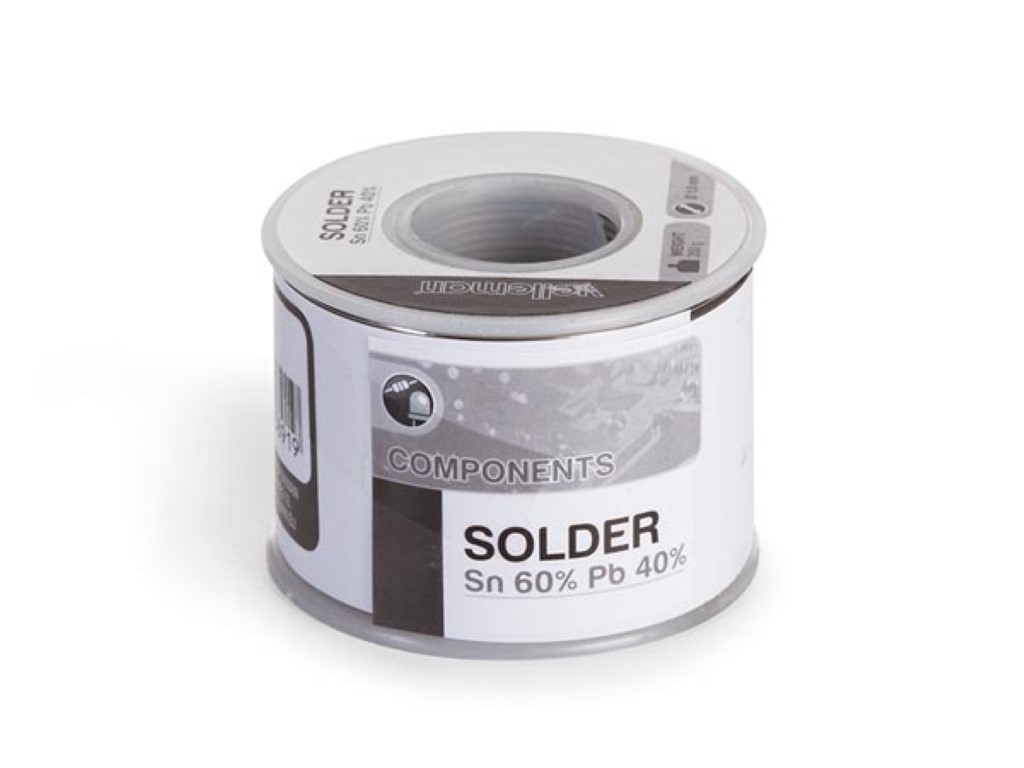
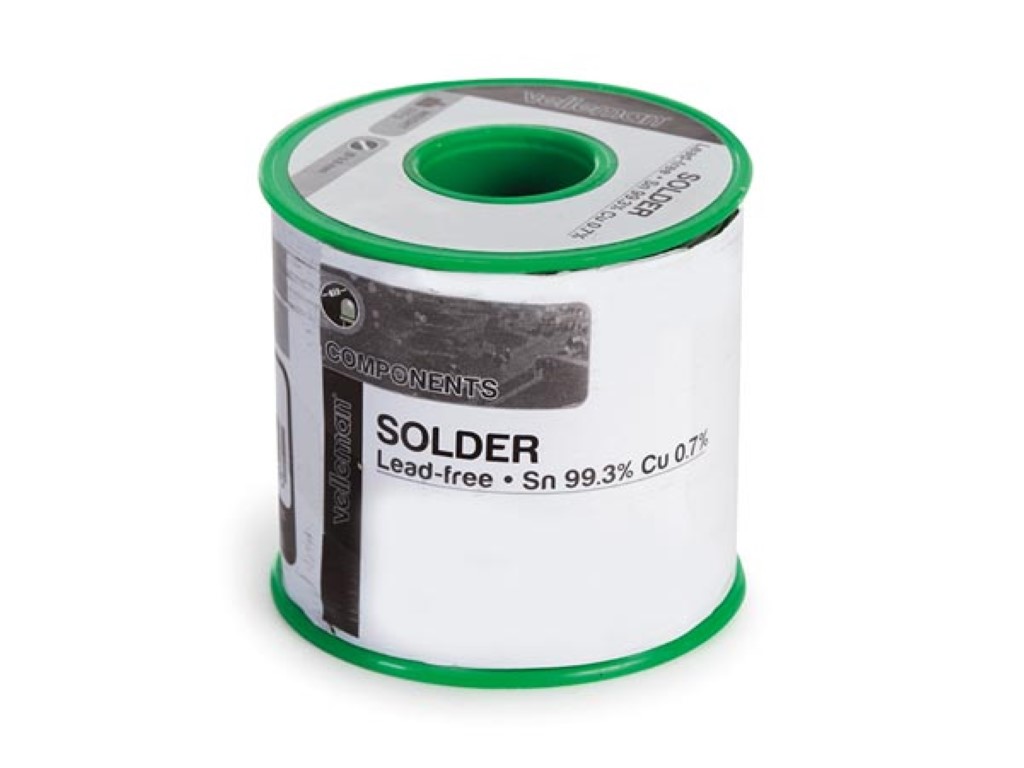
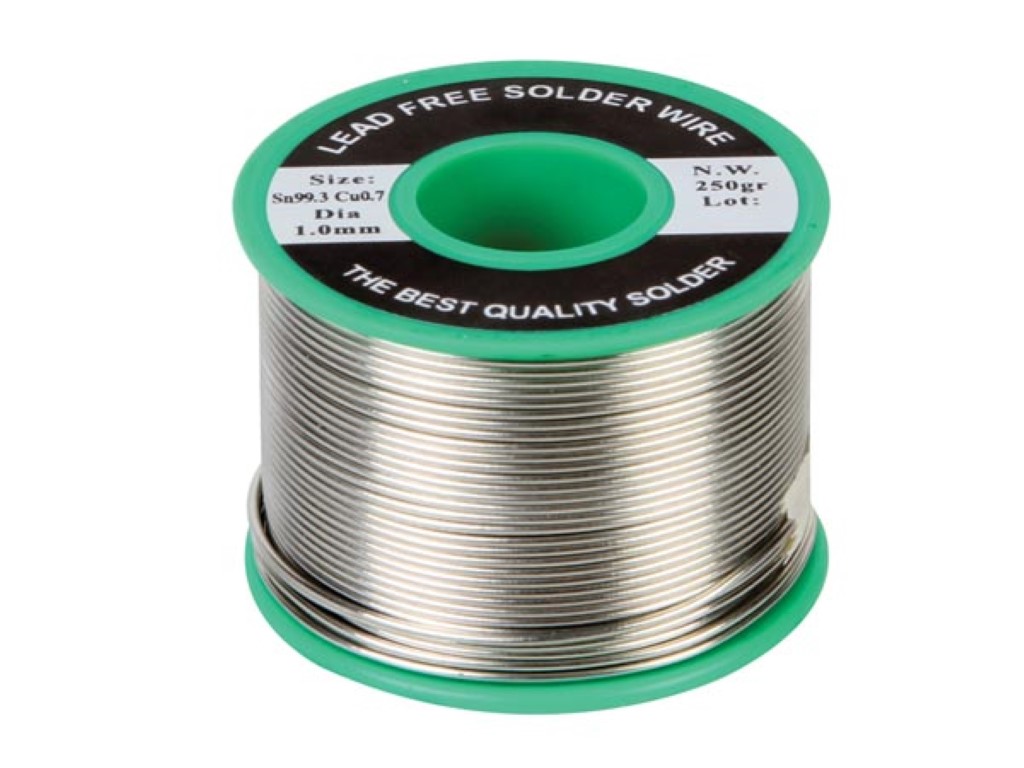
The lead-free selection uses Sn 99.3% / Cu 0.7%; the leaded selection uses Sn 60% / Pb 40%. Choose the alloy required for the assembly or repair, then check the product's flux specification and intended use. Alloy choice affects the soldering process and should suit your iron and the materials being joined.
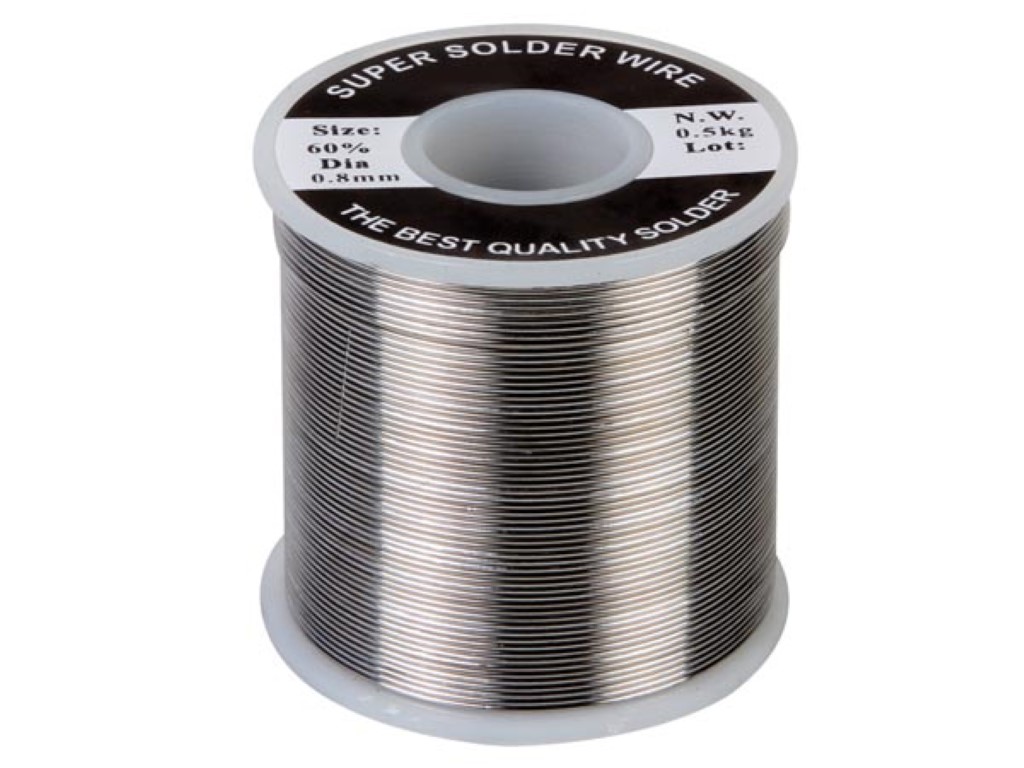
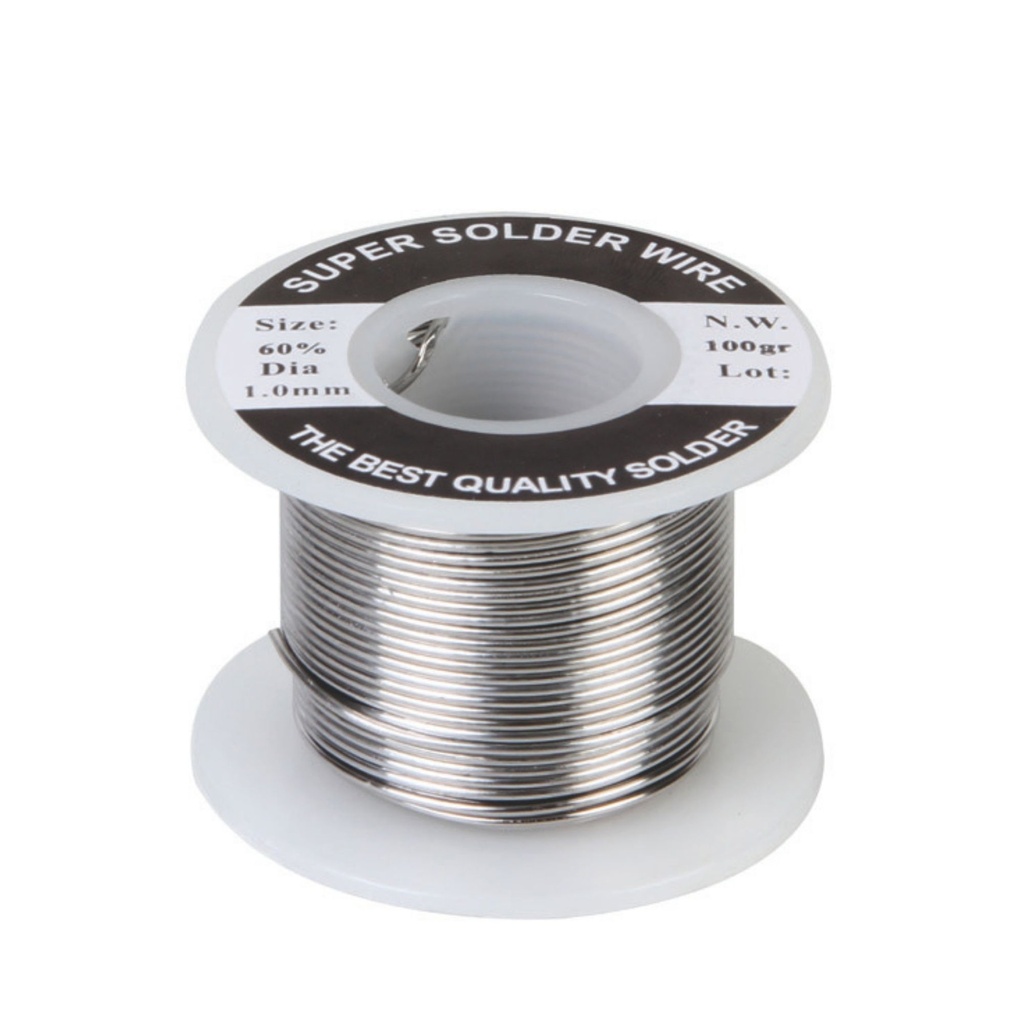
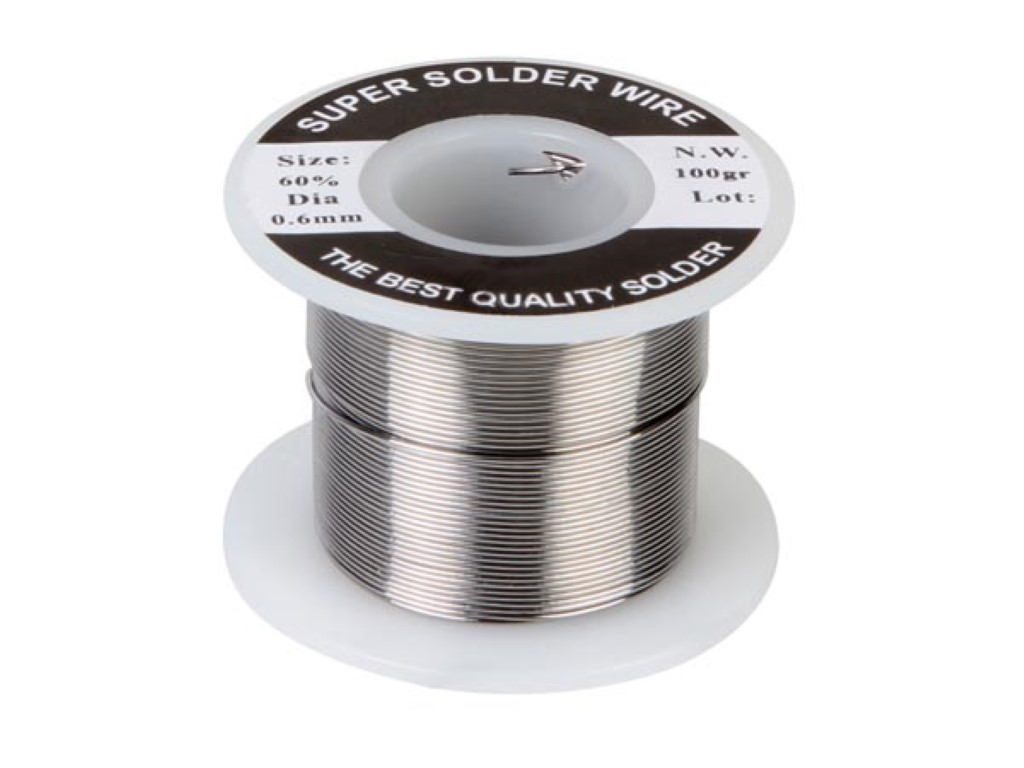
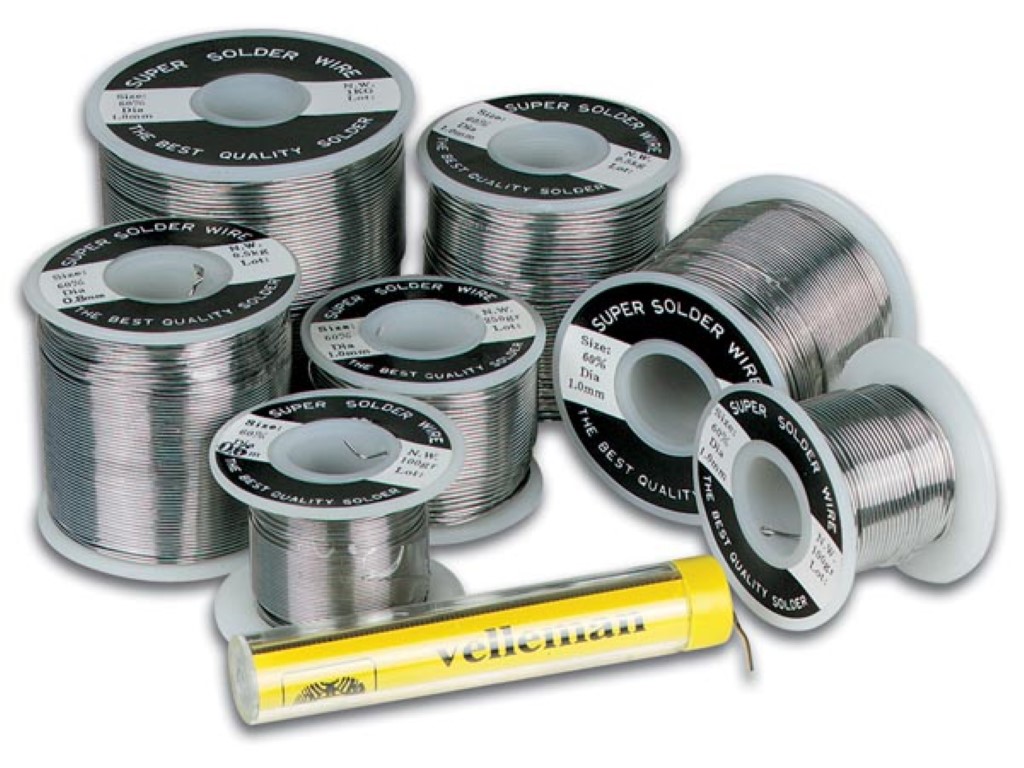
Diameters of 0.6, 0.8 and 1 mm are represented across the range. A finer wire helps you add smaller amounts, while a thicker wire feeds more solder for the same length. Compare reel weight with the quantity you expect to use. Keep alloy types clearly identified on your bench, especially when maintaining equipment with a specified solder process.
Choose the alloy required by your project or repair process. Lead-free and tin-lead solder have different compositions and melting behaviour. Respect product-use restrictions and the equipment’s specifications; ease of melting alone is not a sound basis for the choice.
Thinner wire gives finer control over the amount added to small joints. Thicker wire can feed solder more efficiently to larger connections. Choose the diameter for the joint size and your technique; wire diameter does not determine the alloy or melting temperature.
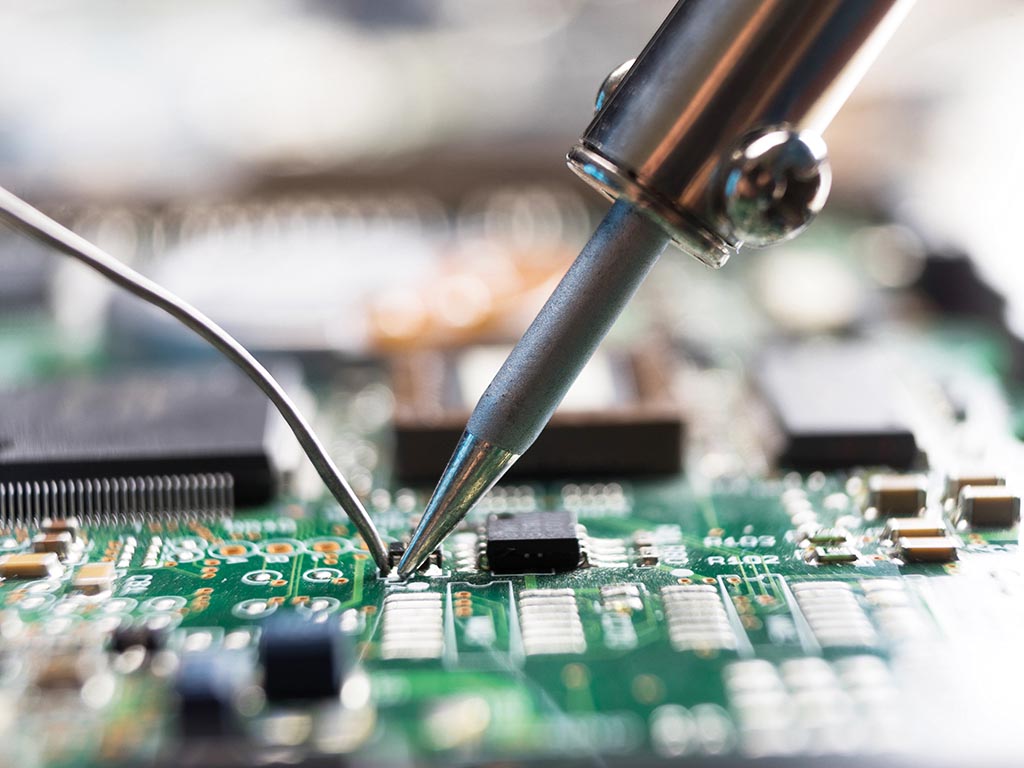
The resin core supplies flux as the wire melts, helping solder wet the joint surfaces. It does not replace cleaning visibly dirty surfaces. Extra flux may be useful for some rework, but it must be suitable for electronics and the chosen process.
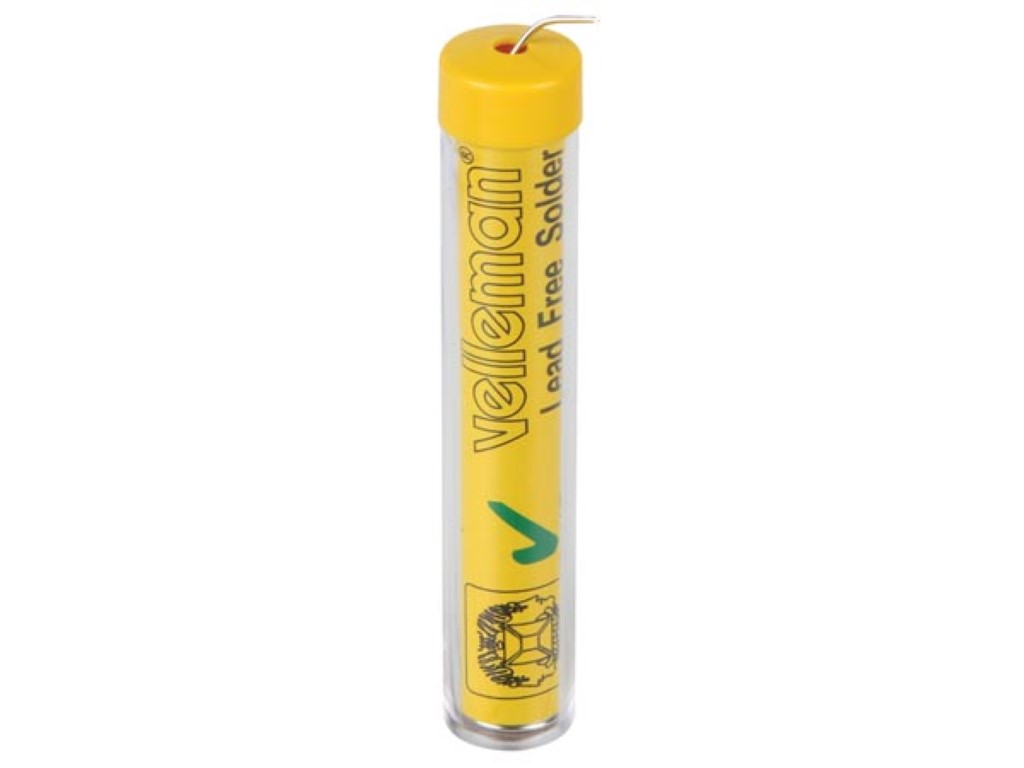
A small dispenser is convenient for occasional repairs, portable kits or trying a wire size. A larger reel suits repeated work. Compare alloy, diameter and net weight together; similar packaging or reel size does not mean the wire itself is identical.
No. The iron must transfer enough heat to the joint, so its setting is not simply the alloy’s melting temperature. Suitable settings depend on tip shape, thermal contact, joint size and component limits. Avoid a single temperature rule for every connection.