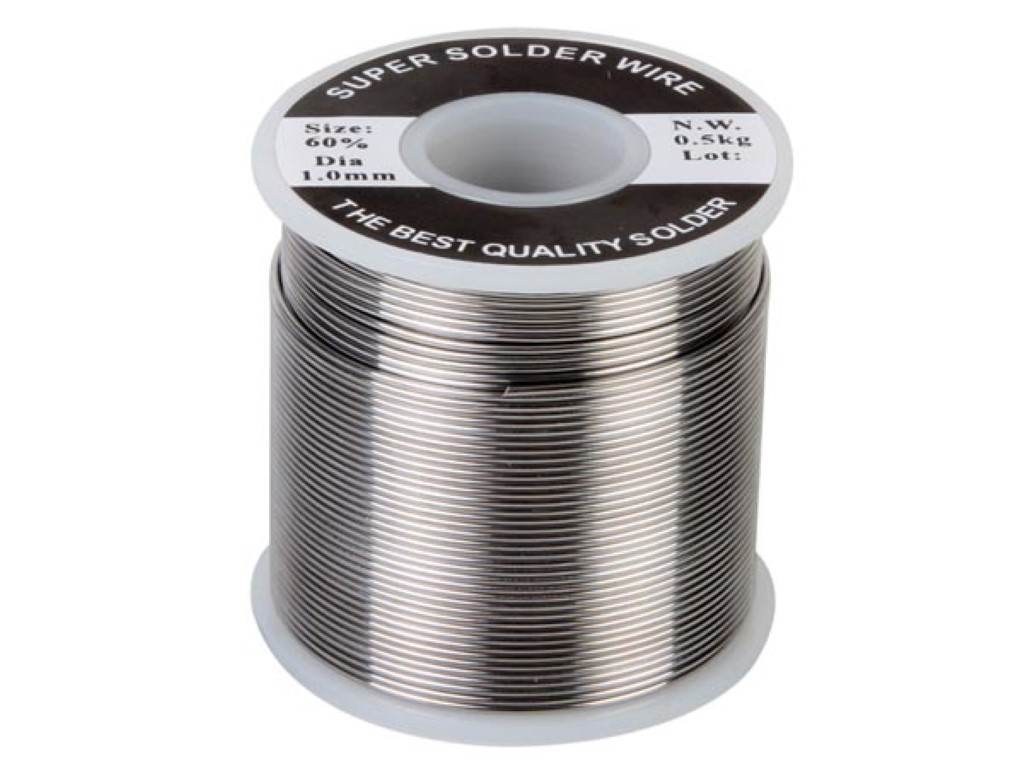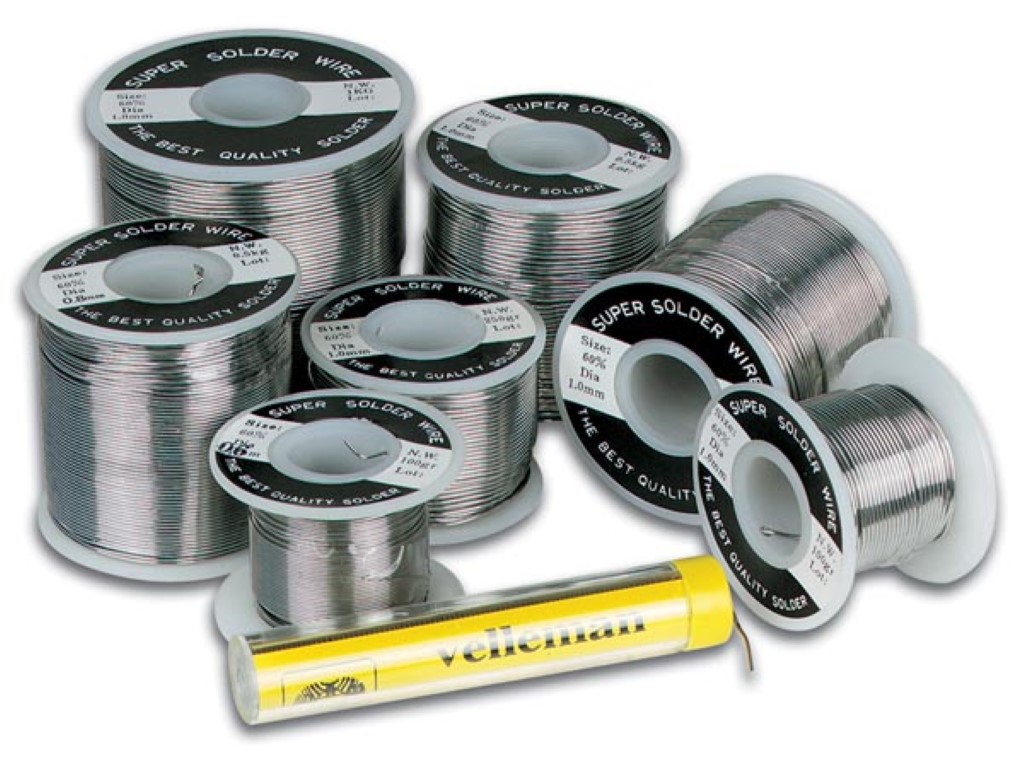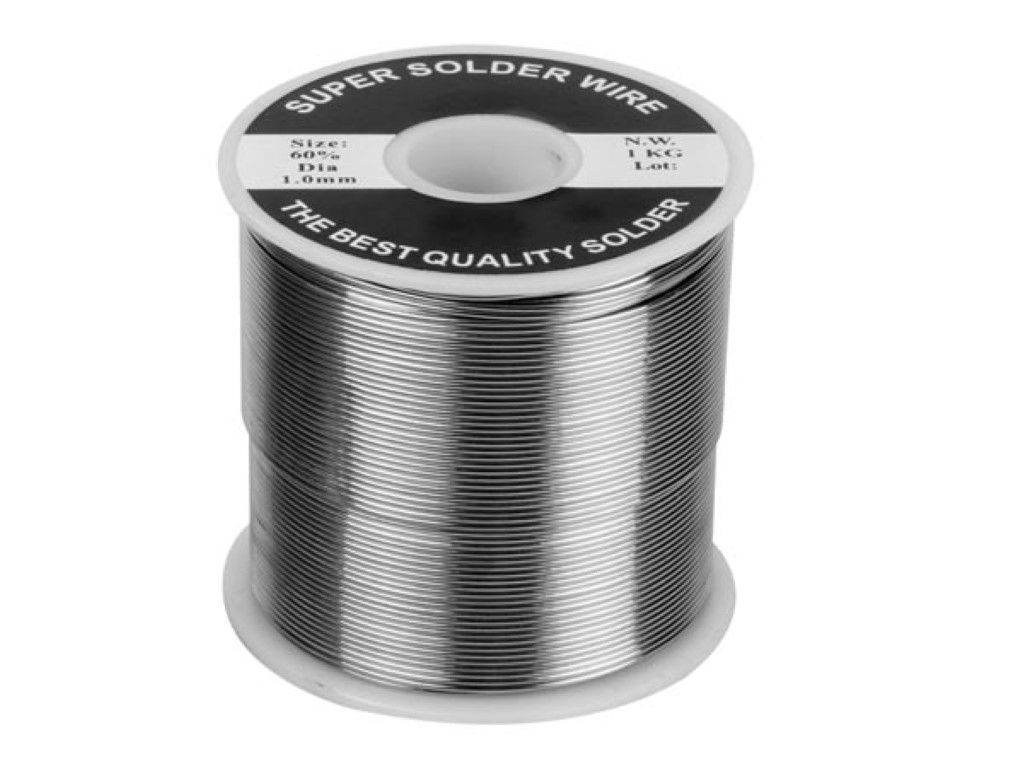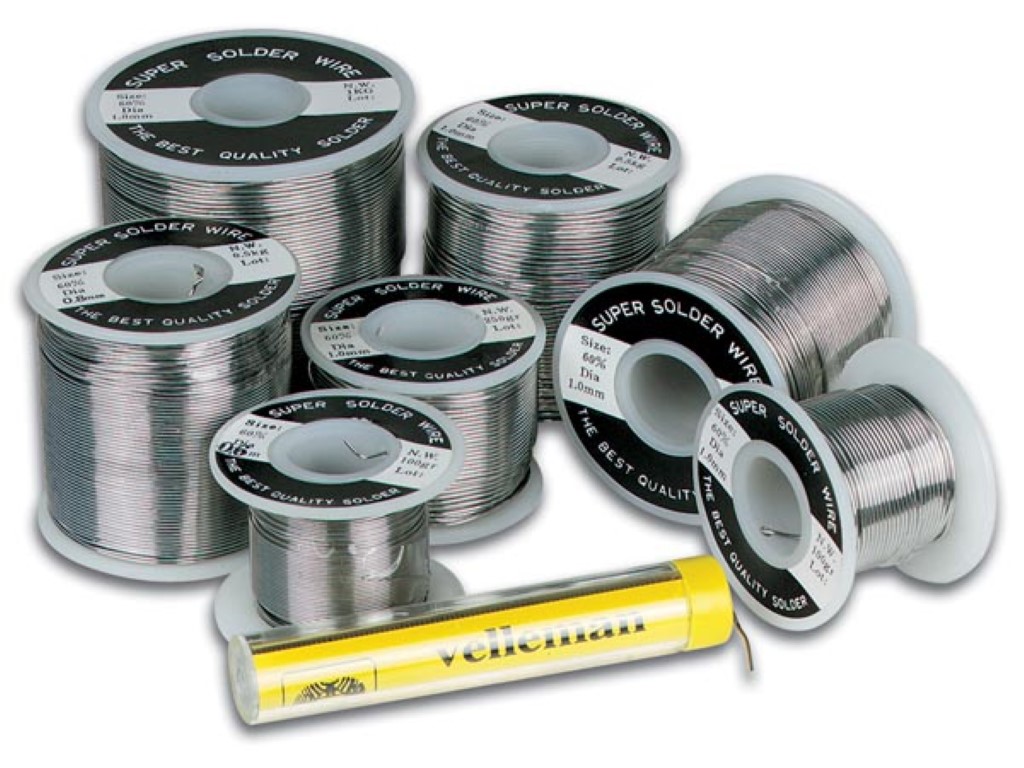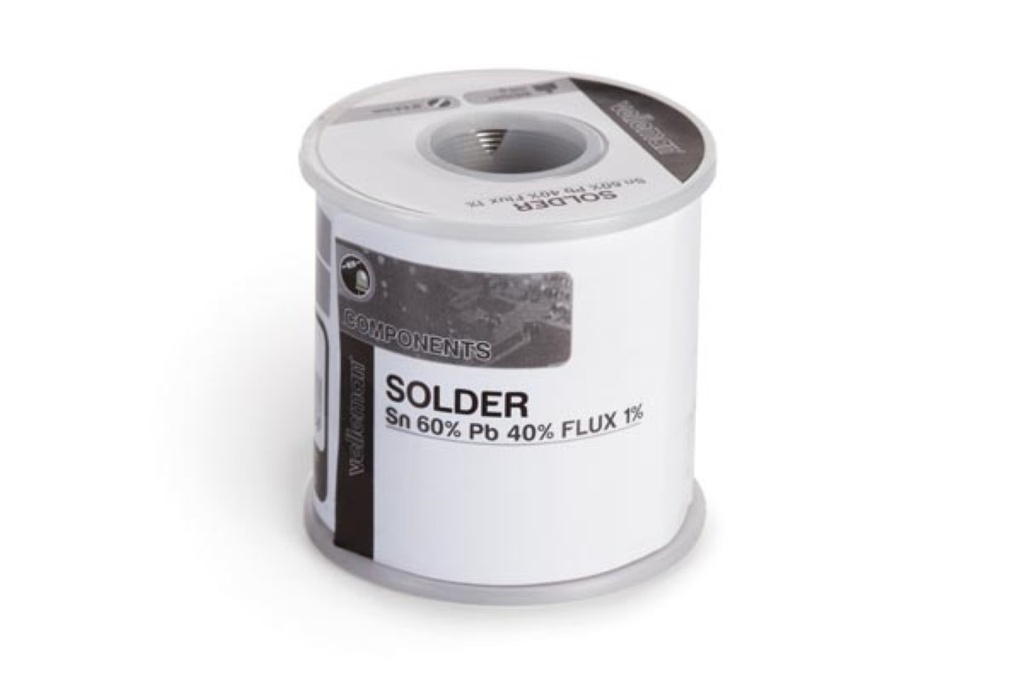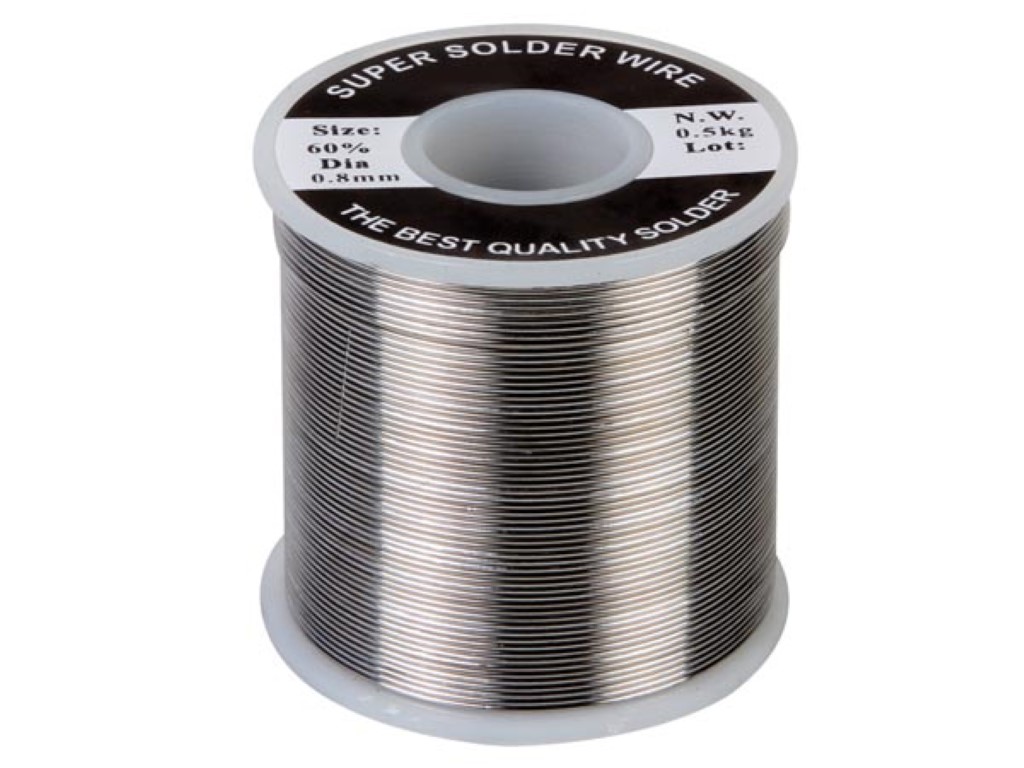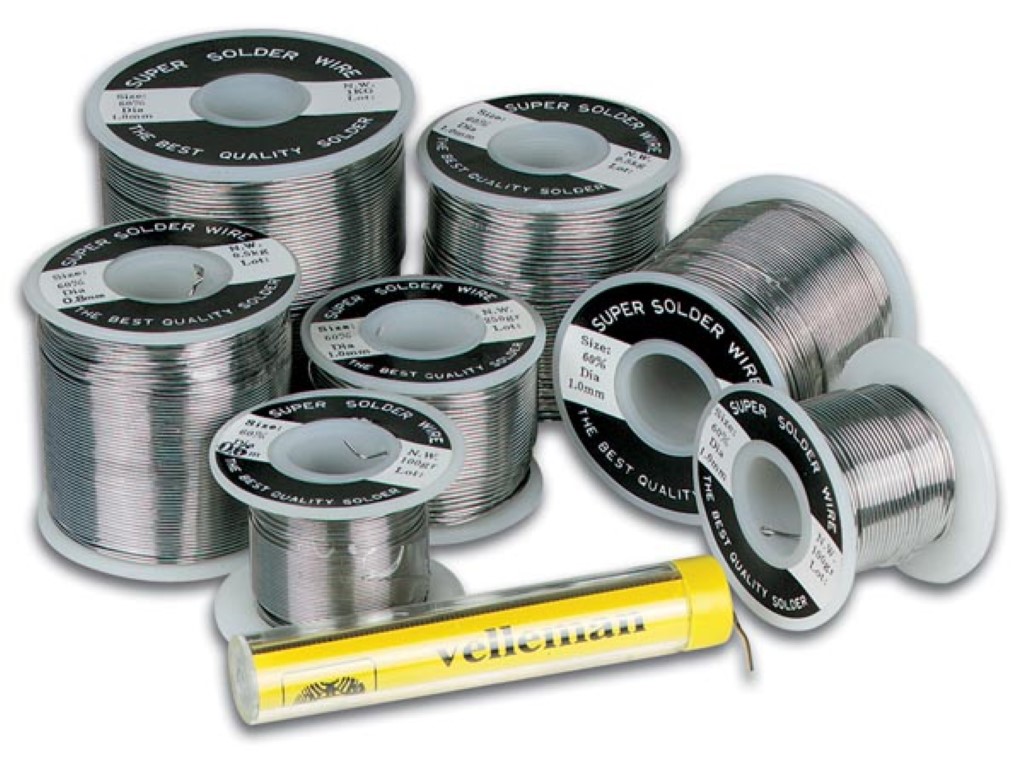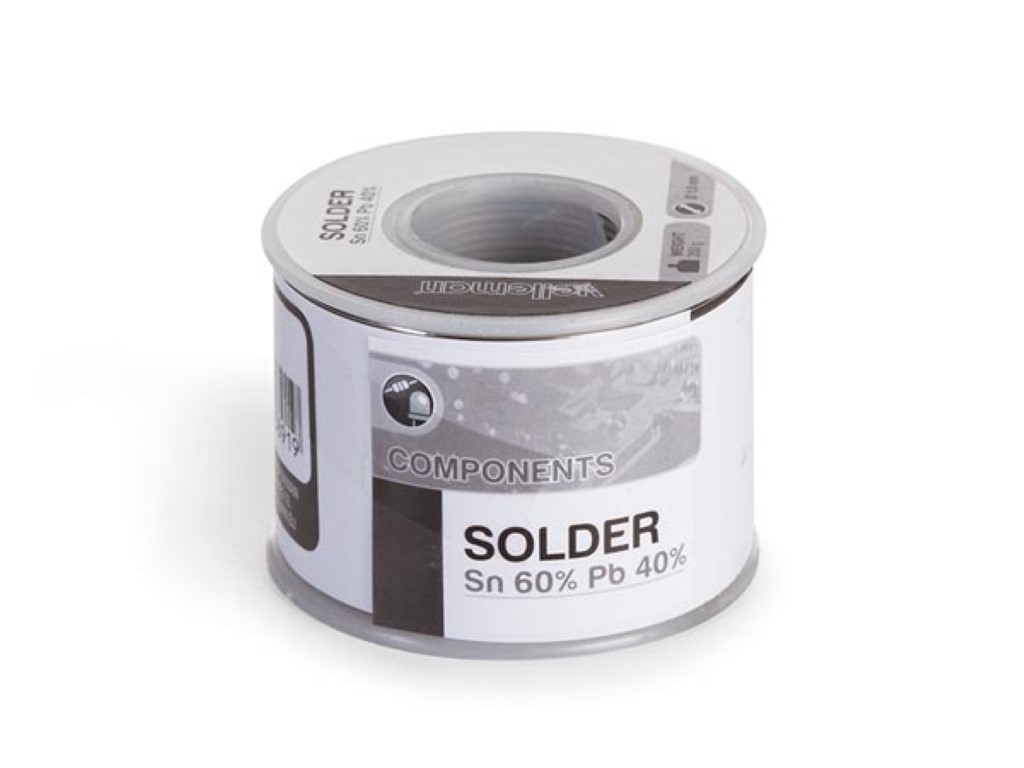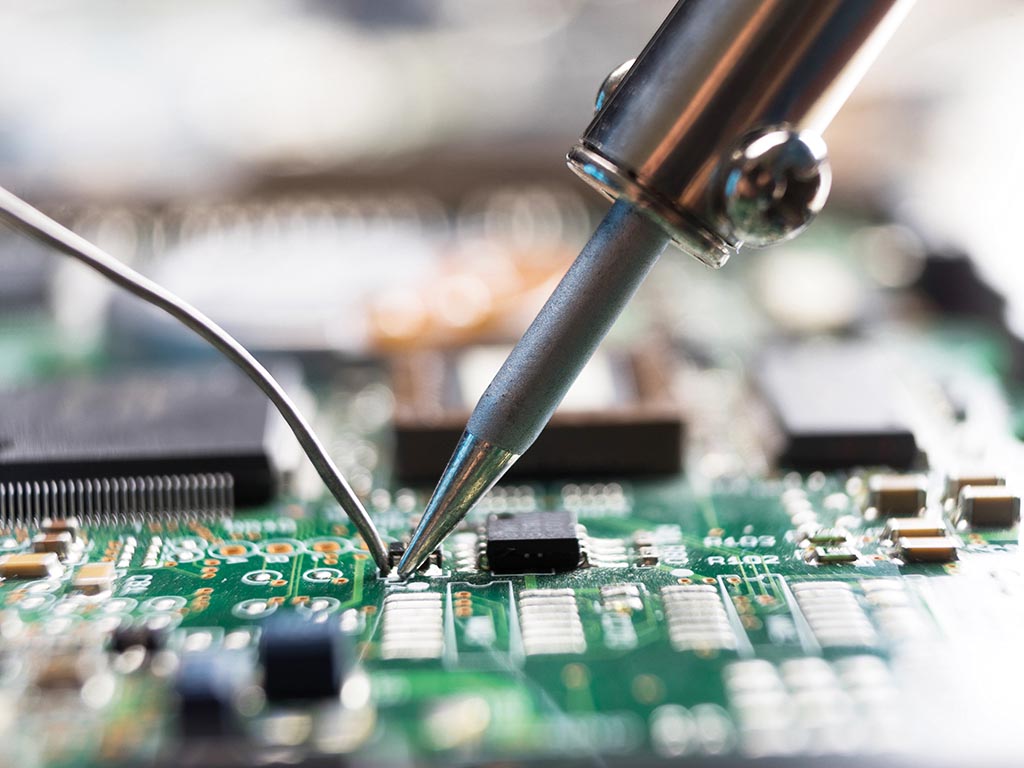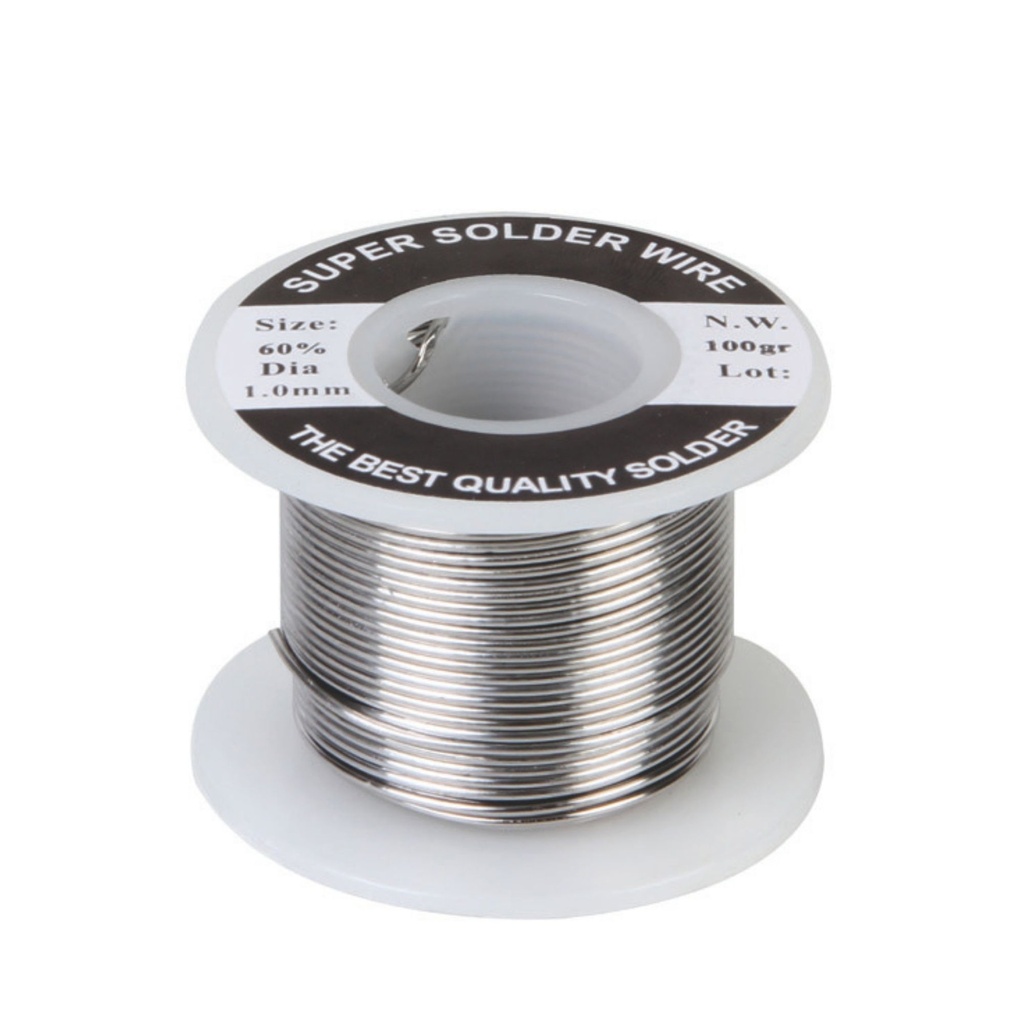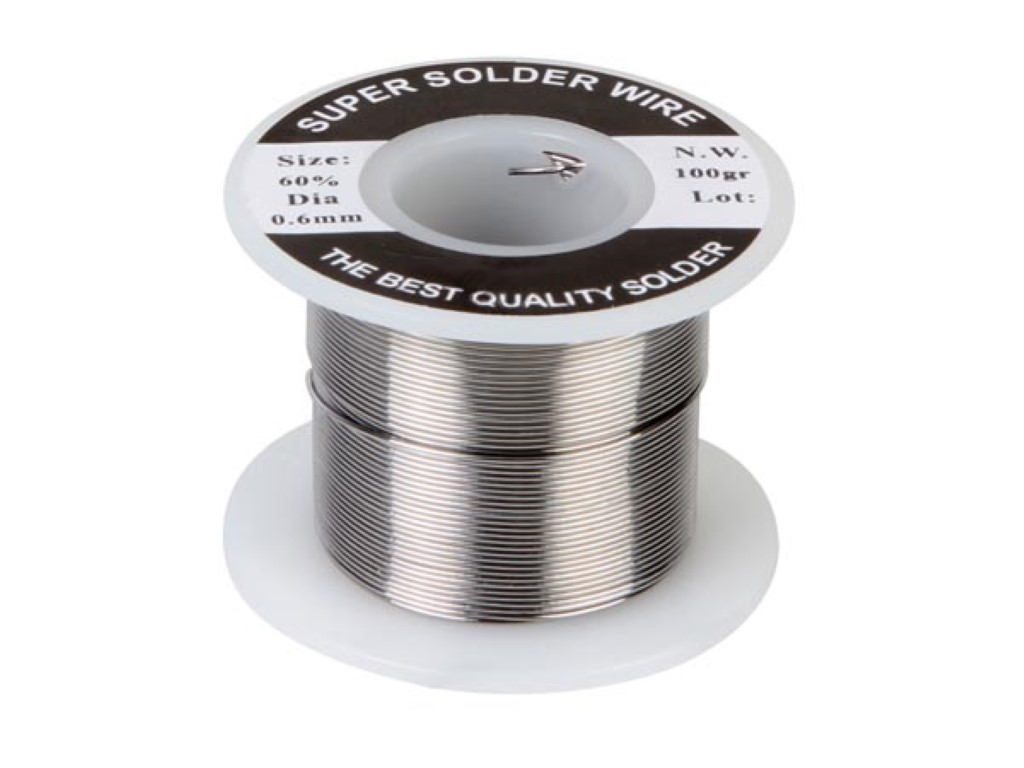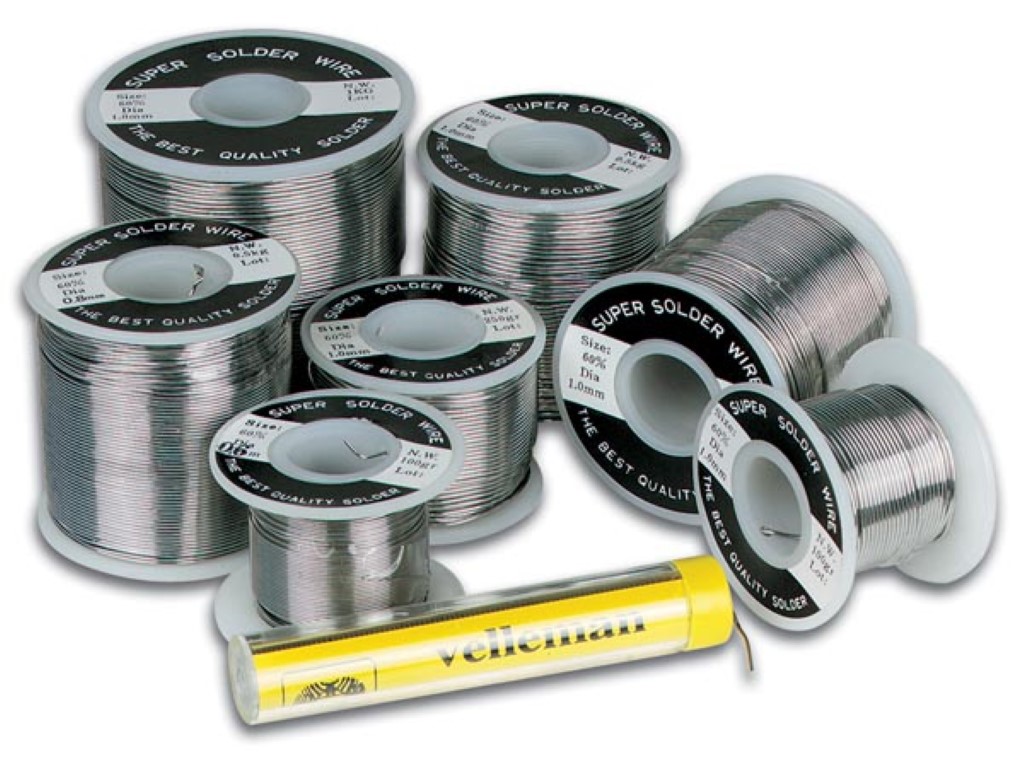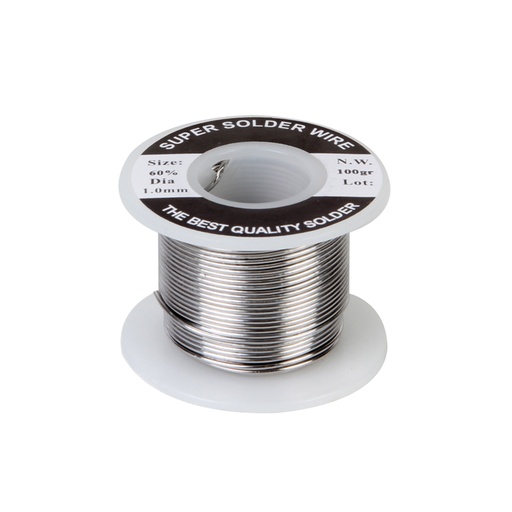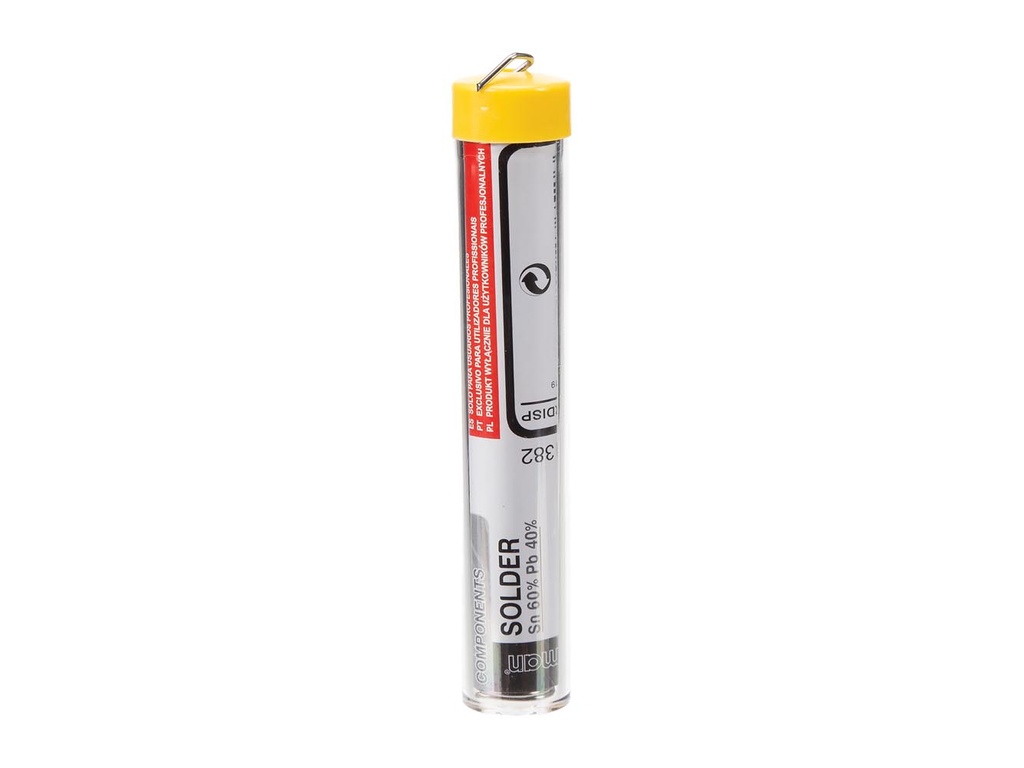
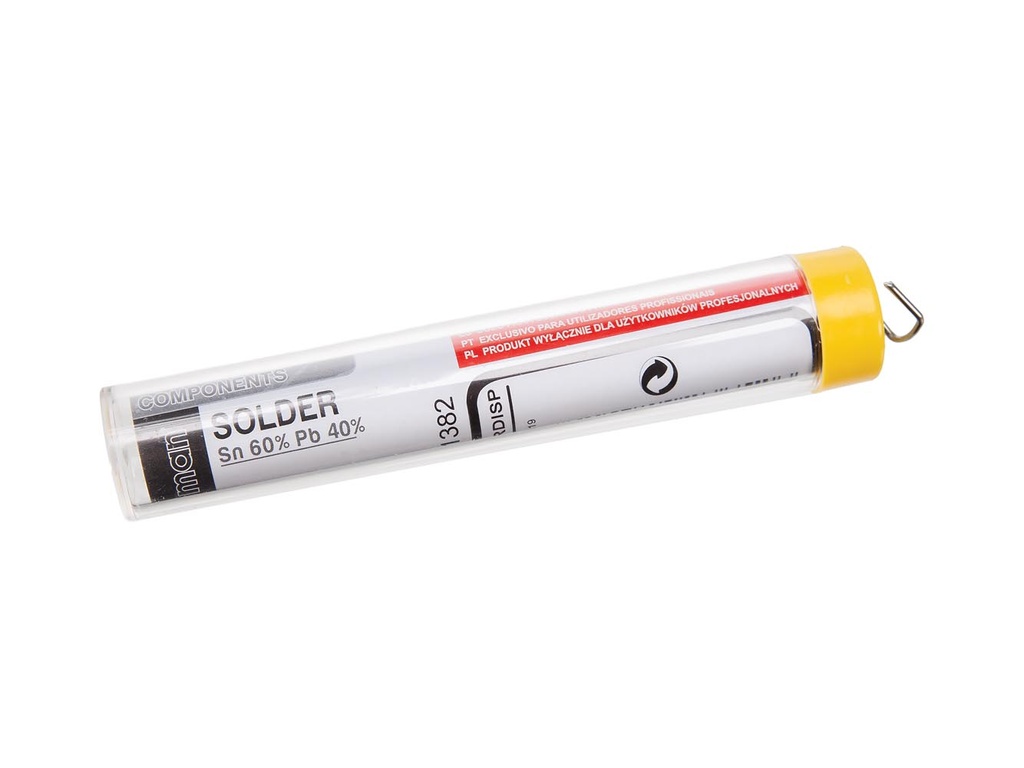
Select leaded solder wire for work that specifically calls for a tin-lead alloy. These products use Sn 60% / Pb 40% and include 0.6, 0.8 and 1 mm wire in several reel sizes, plus a small dispenser. Match the alloy to the repair requirements before comparing quantities.
Finer wire makes it easier to feed small amounts to compact joints. A larger diameter adds more solder for the same length, so consider joint size and access as well as your usual technique. The pack size determines how much bench stock you keep; it does not change the alloy specification.
Check flux content and product-specific intended use. The SOLD500GCL variant specifies 1% flux and is labelled for professional use only; do not apply one product's specification to the whole selection. Keep leaded wire clearly identified, follow the handling and ventilation instructions and wash your hands after use. For a defined assembly process, verify that leaded solder is appropriate rather than substituting it for lead-free material automatically.
It identifies an alloy containing 60% tin and 40% lead. This describes the solder metal, separately from wire diameter, flux content and pack weight. Match all of these to your specified repair process rather than selecting by the word solder alone.
No. The intended use and applicable requirements matter. Products marked for professional use only must be treated accordingly. For a new project, use the alloy specified for that assembly; do not choose leaded solder solely because of its melting behaviour.
Finer wire helps control the amount applied to small connections, while larger diameters feed more solder for larger joints. Choose the joint size first, then the reel weight for your workload. A heavier reel does not mean a thicker wire.
Do not assume the alloys can be substituted freely. The original assembly, component limits and repair specification determine the appropriate material. Identify the existing process and keep lead-free work controlled where required, rather than introducing another alloy without checking its suitability.
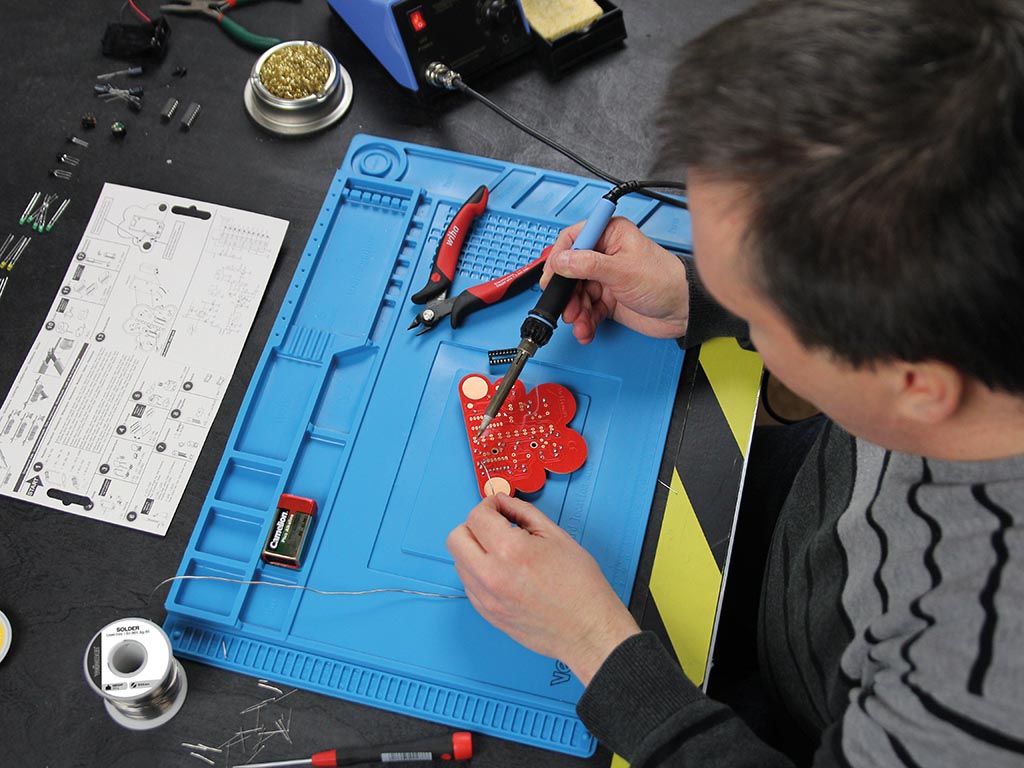
Follow the product label and safety information, control soldering fumes and keep the work area clean. Avoid transferring residues to food or personal items, and wash your hands after handling. Collect solder waste separately for appropriate disposal rather than leaving loose fragments on the bench.