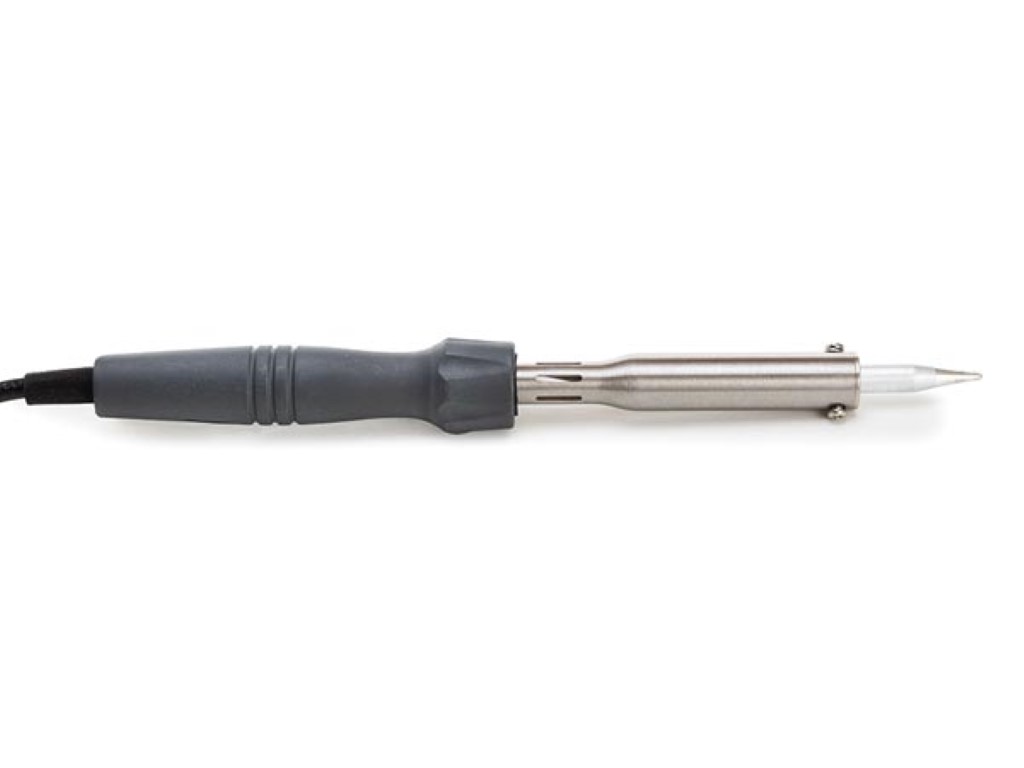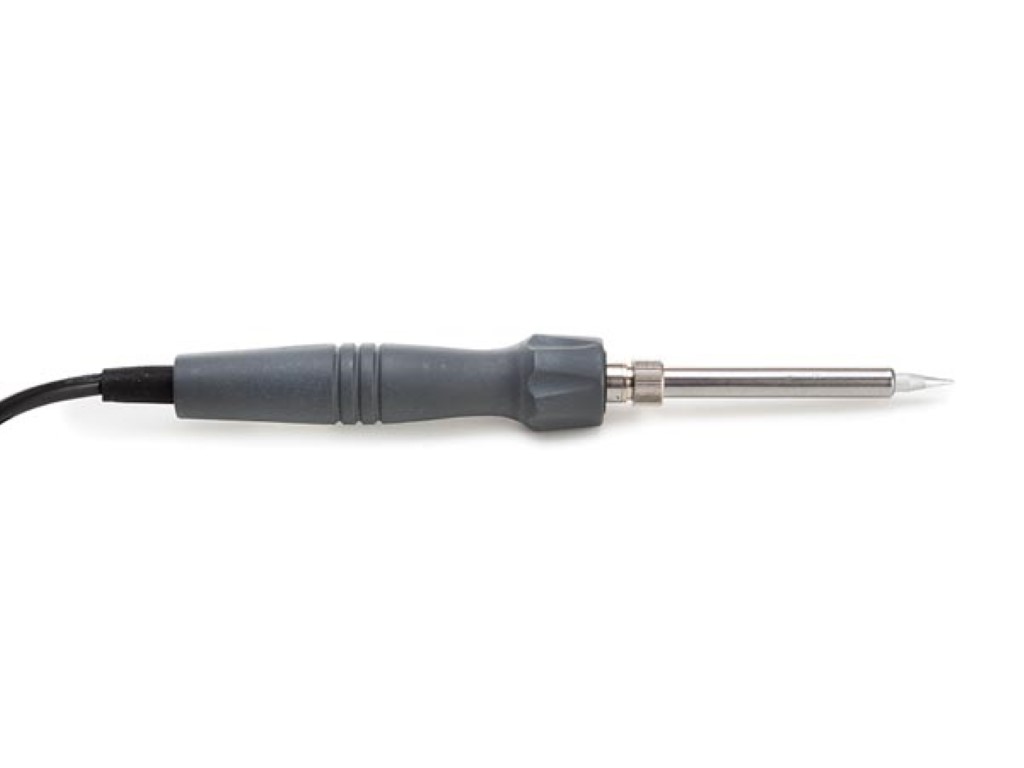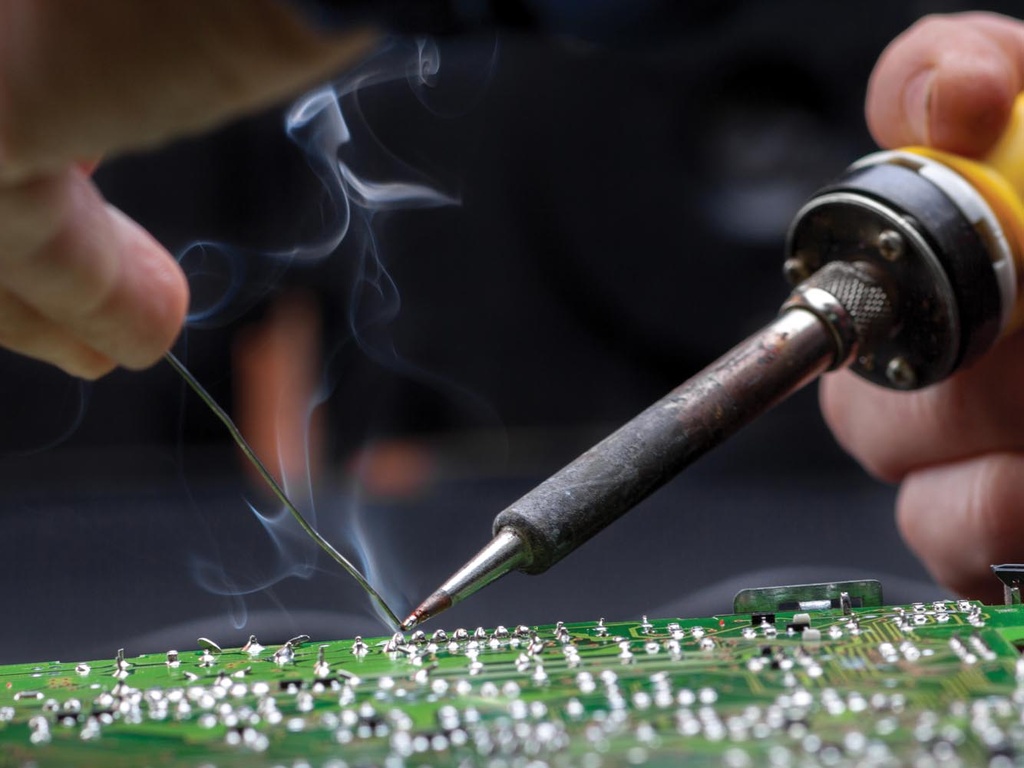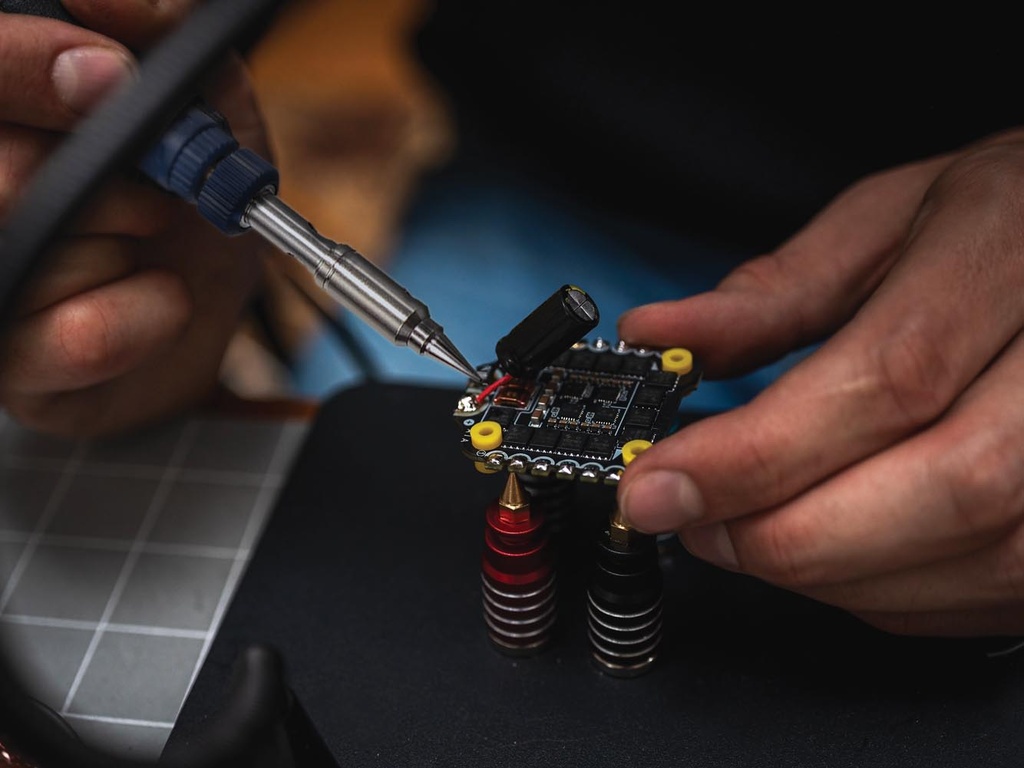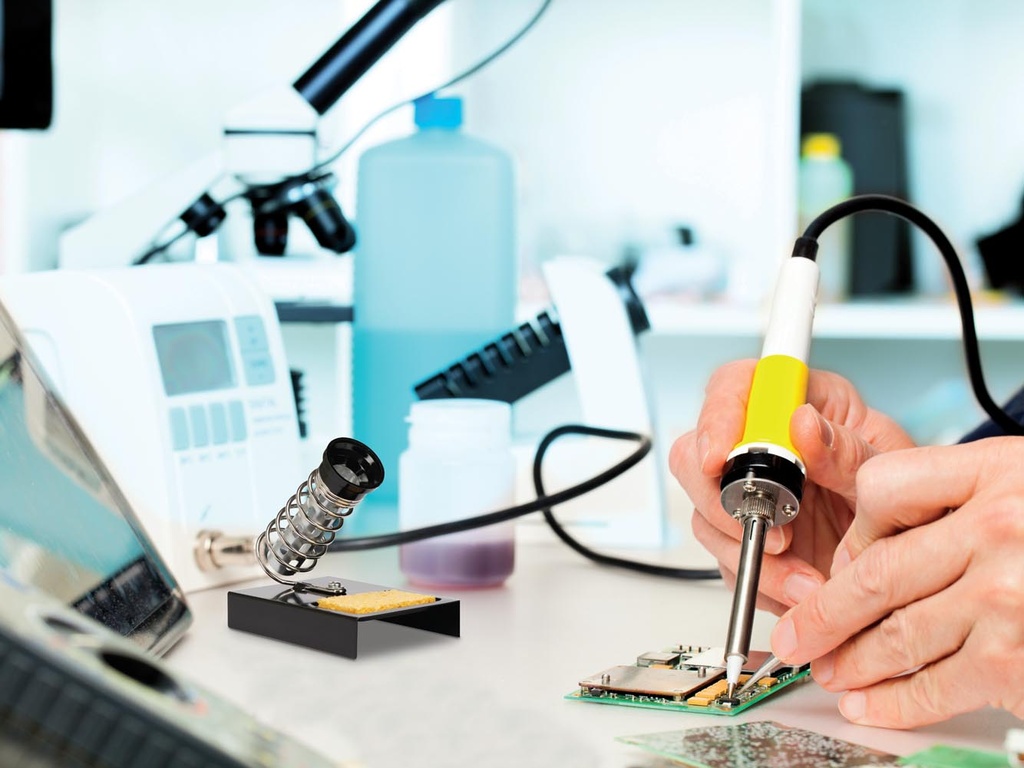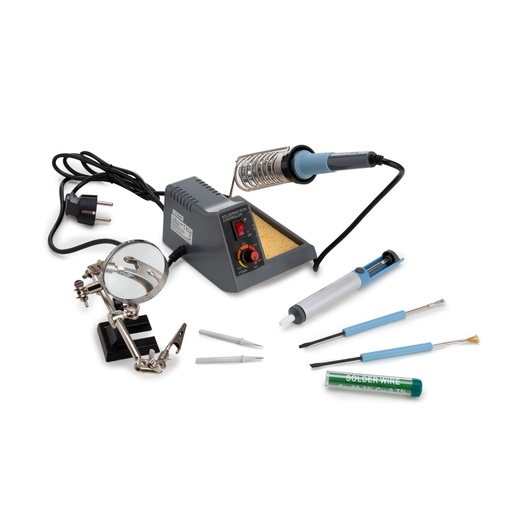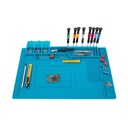

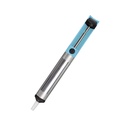
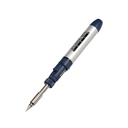
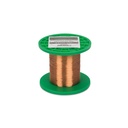
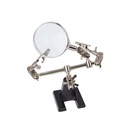
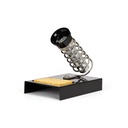
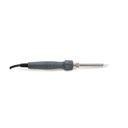
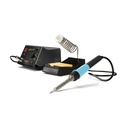
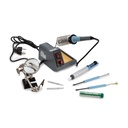
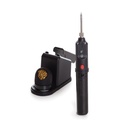
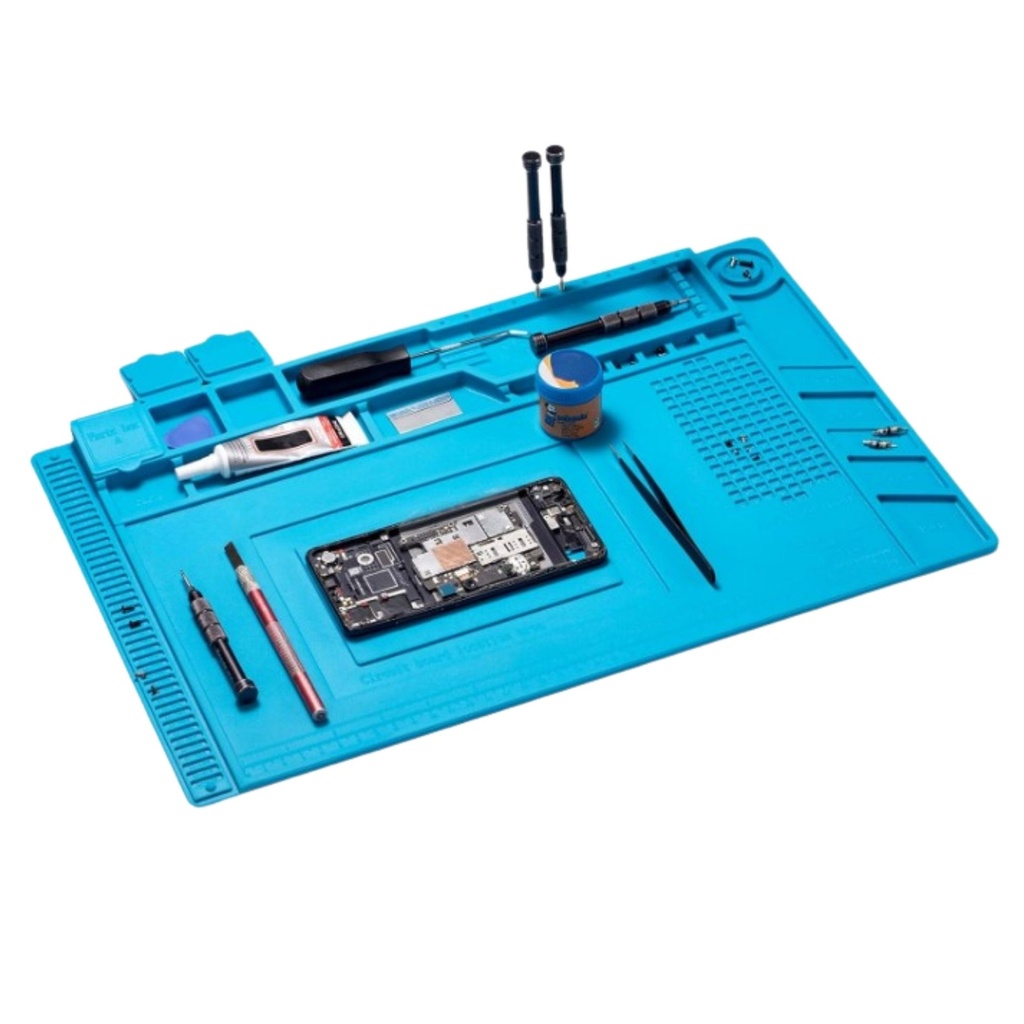
Build your soldering setup around the connections you want to make or repair. This category covers soldering irons and stations, starter sets, gas and rechargeable USB irons, solder wire and tools for removing old solder. Holders, helping hands, mats and model-specific spares complete the workbench.
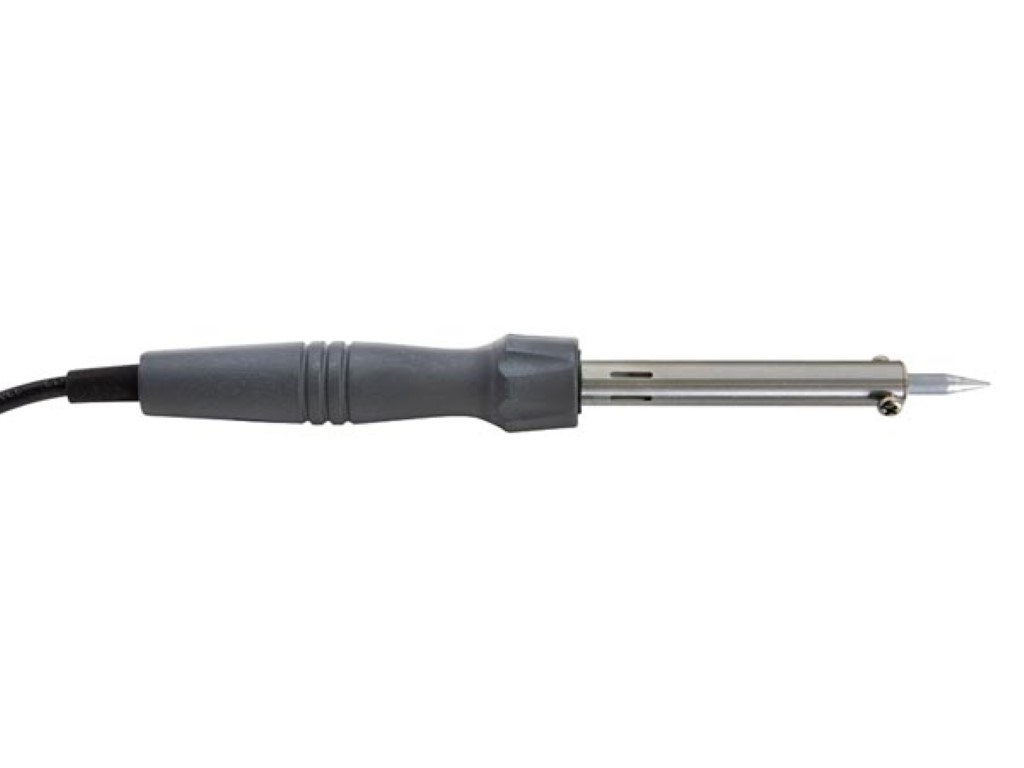
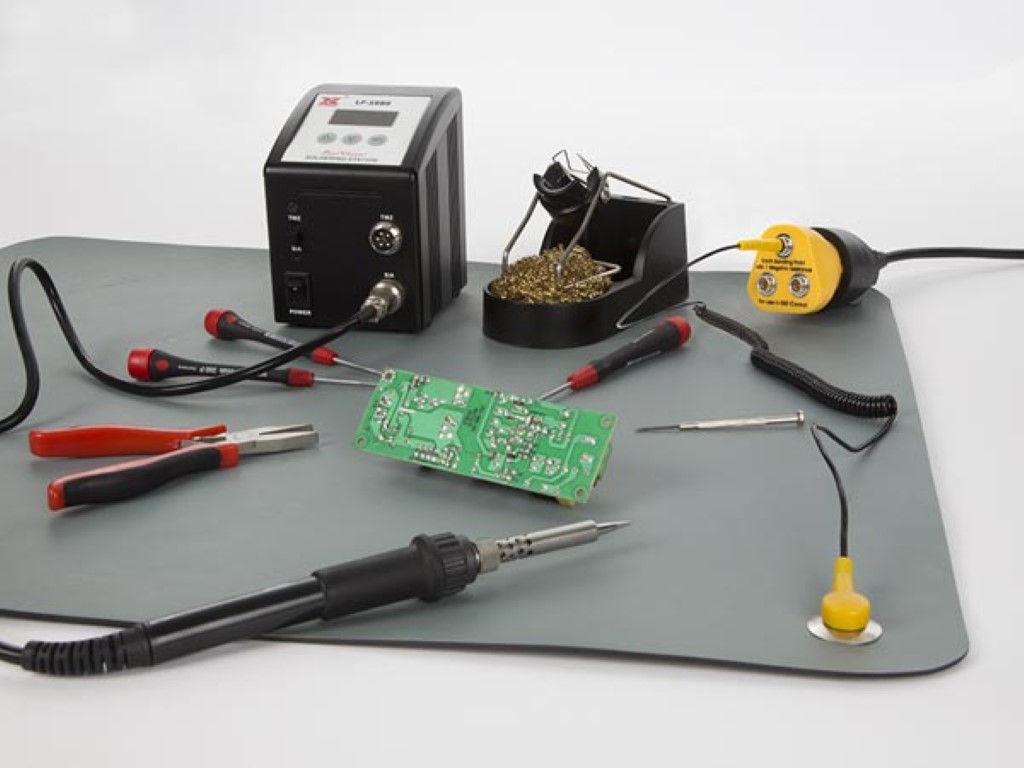
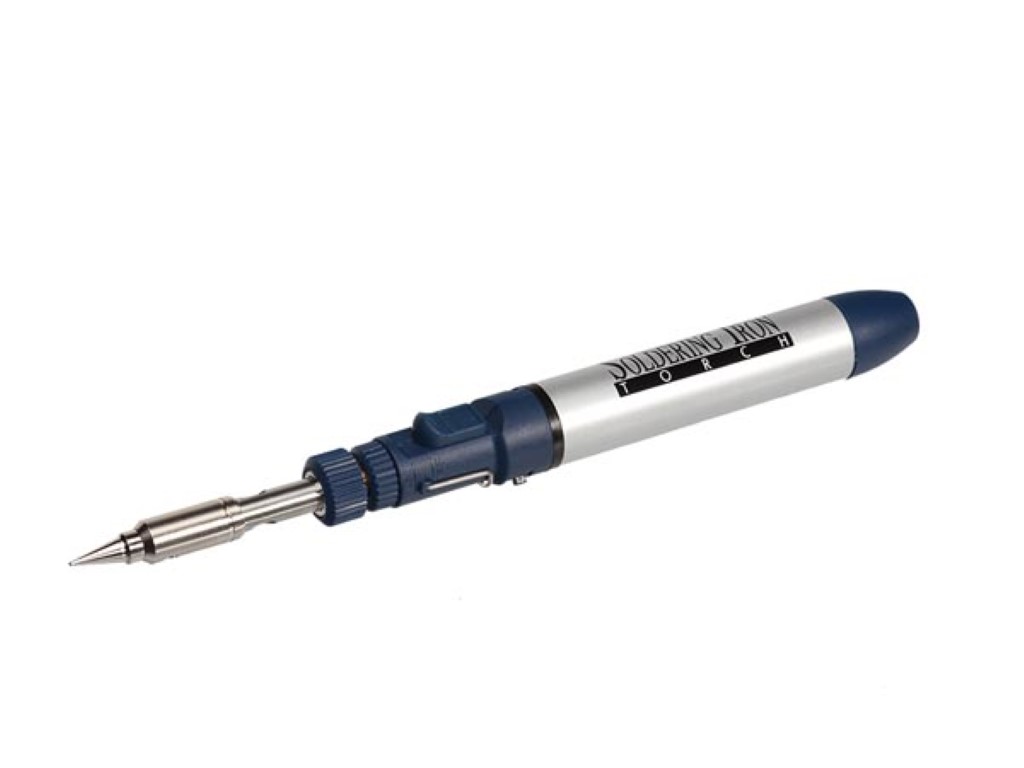
For small electronic assemblies, consider tip access, temperature adjustment and the size of the parts you need to heat. A station keeps controls together on the bench; a gas or rechargeable iron offers a different power source when a mains lead is inconvenient. Hot-air rework equipment serves different tasks from a conventional contact tip, so check what the selected station actually includes.
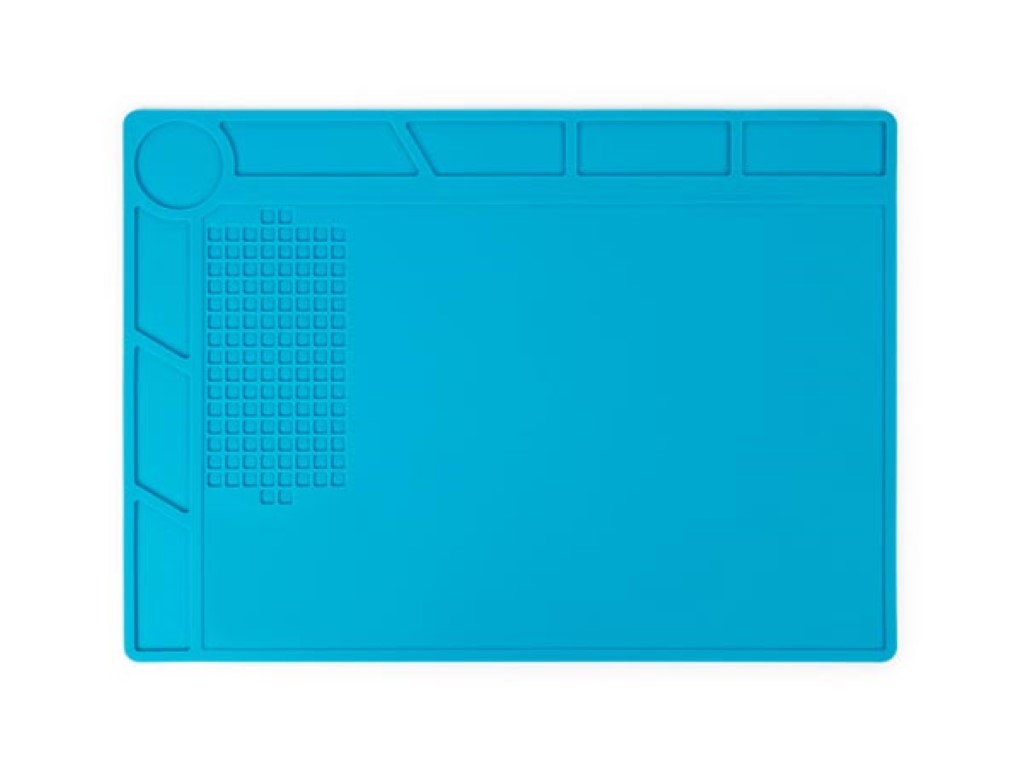
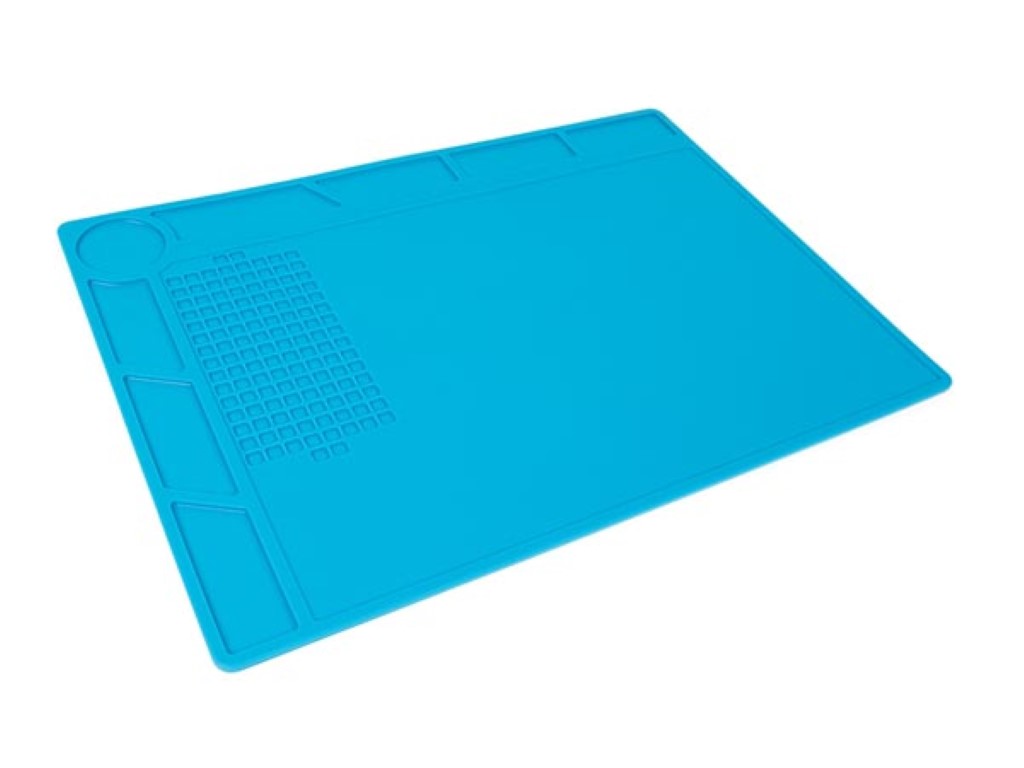
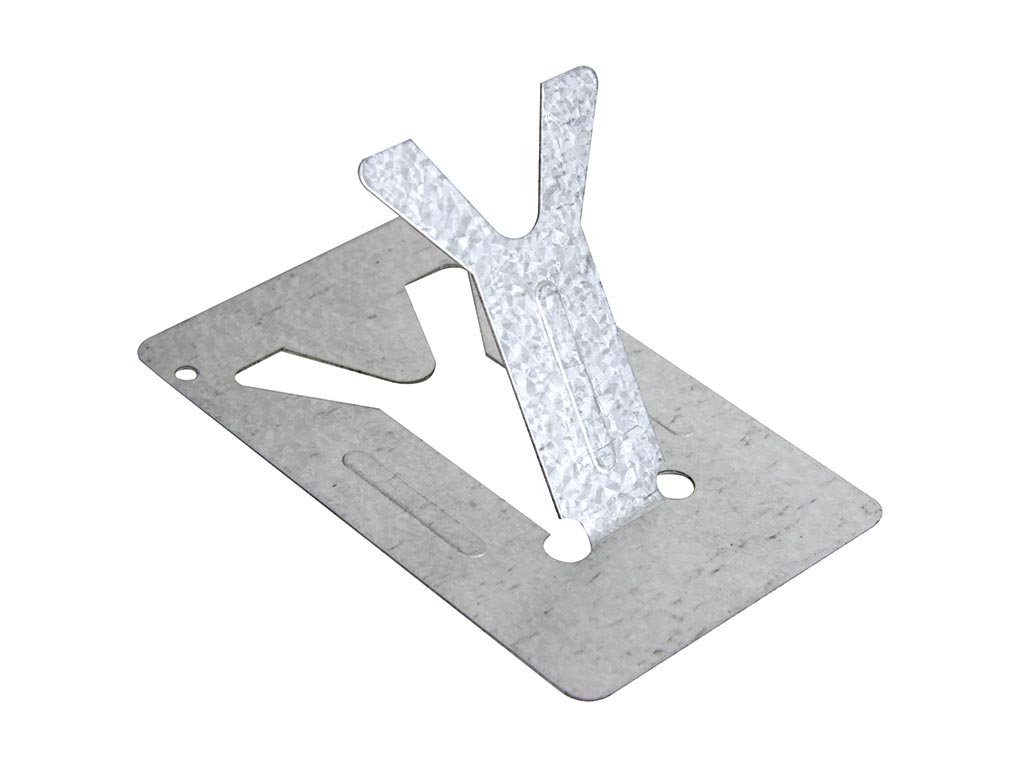
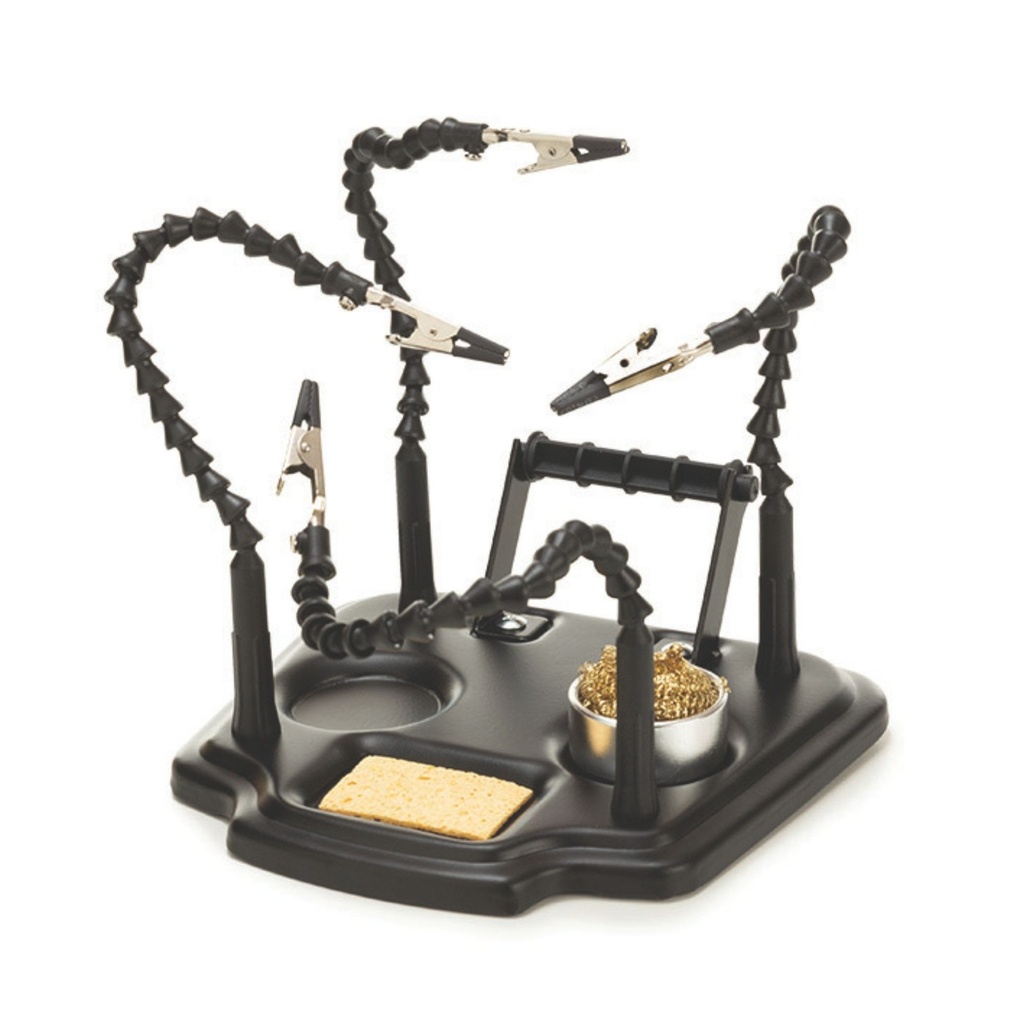
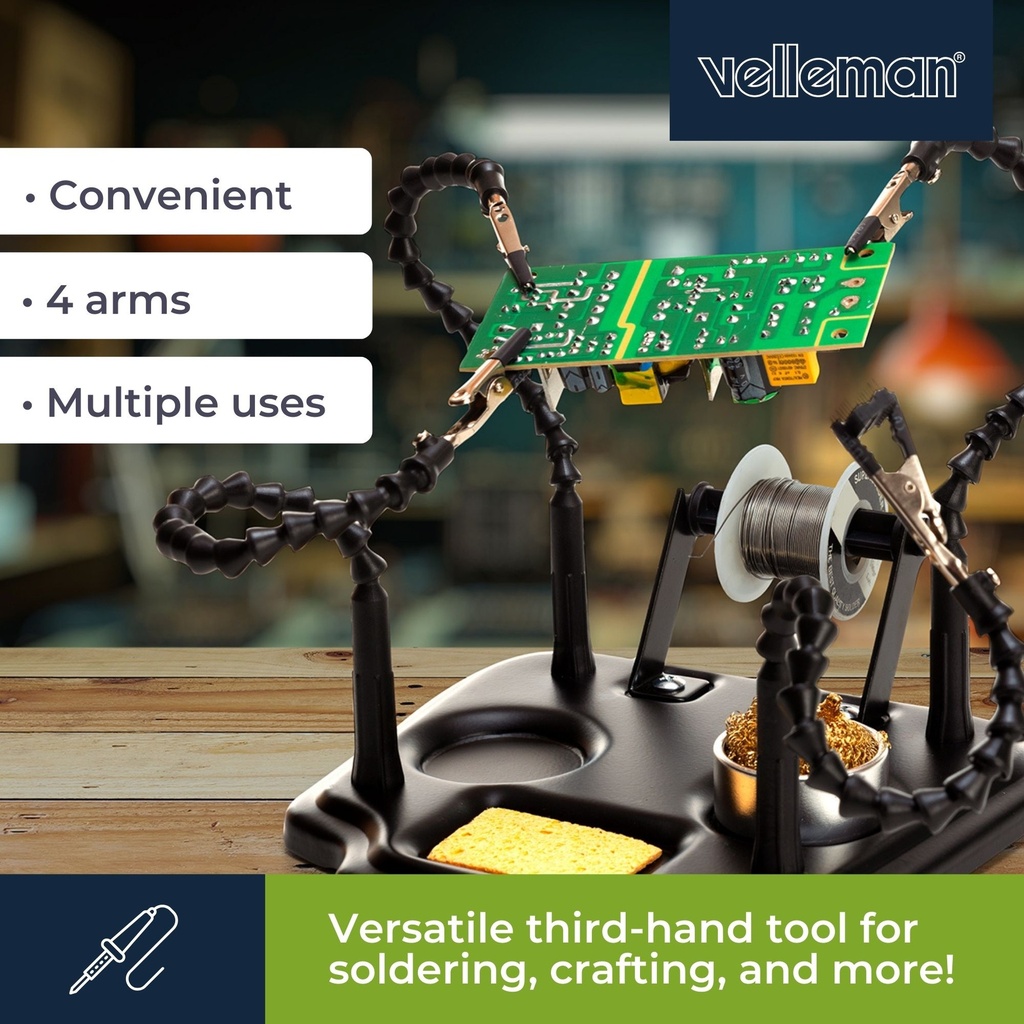
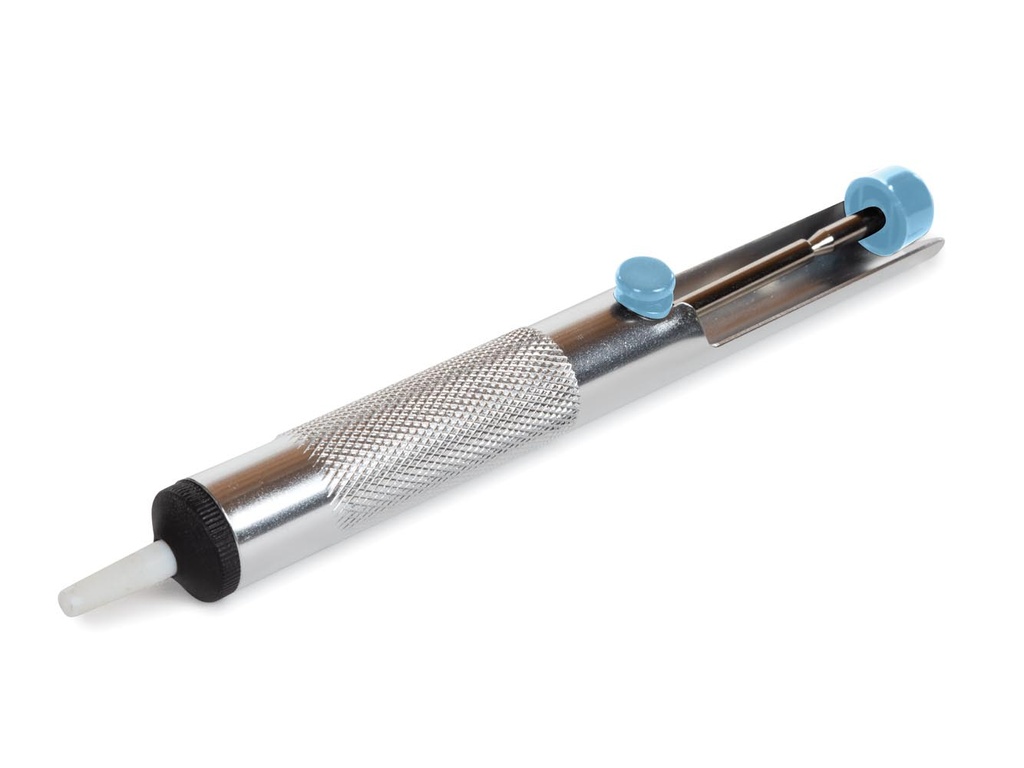
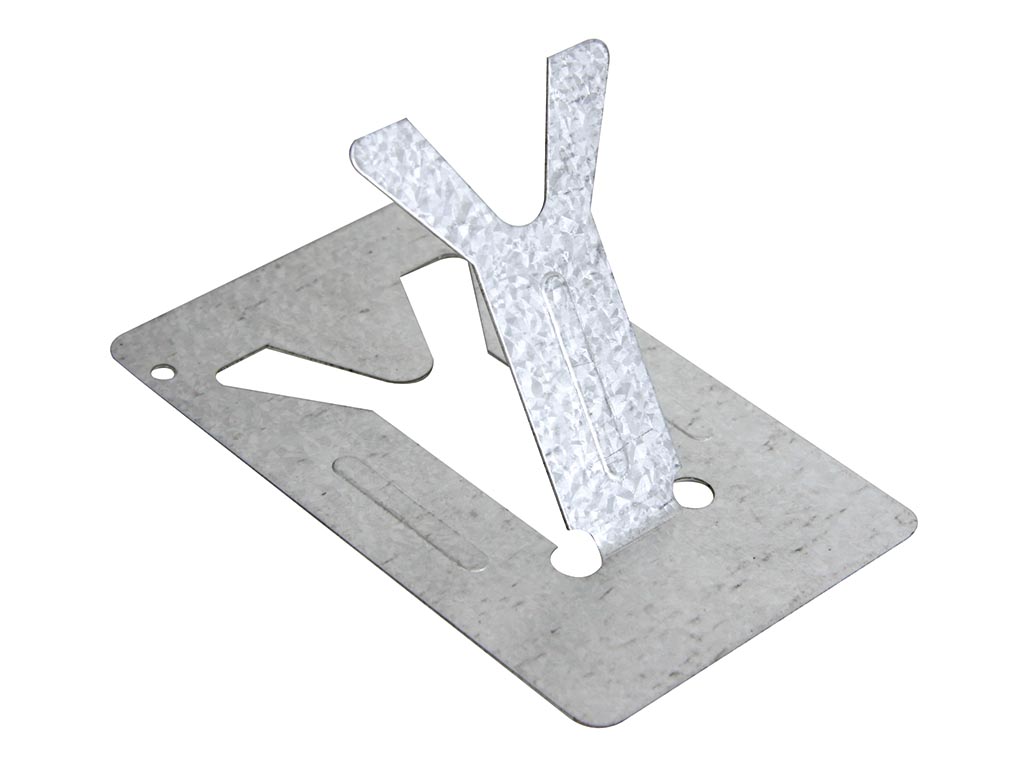
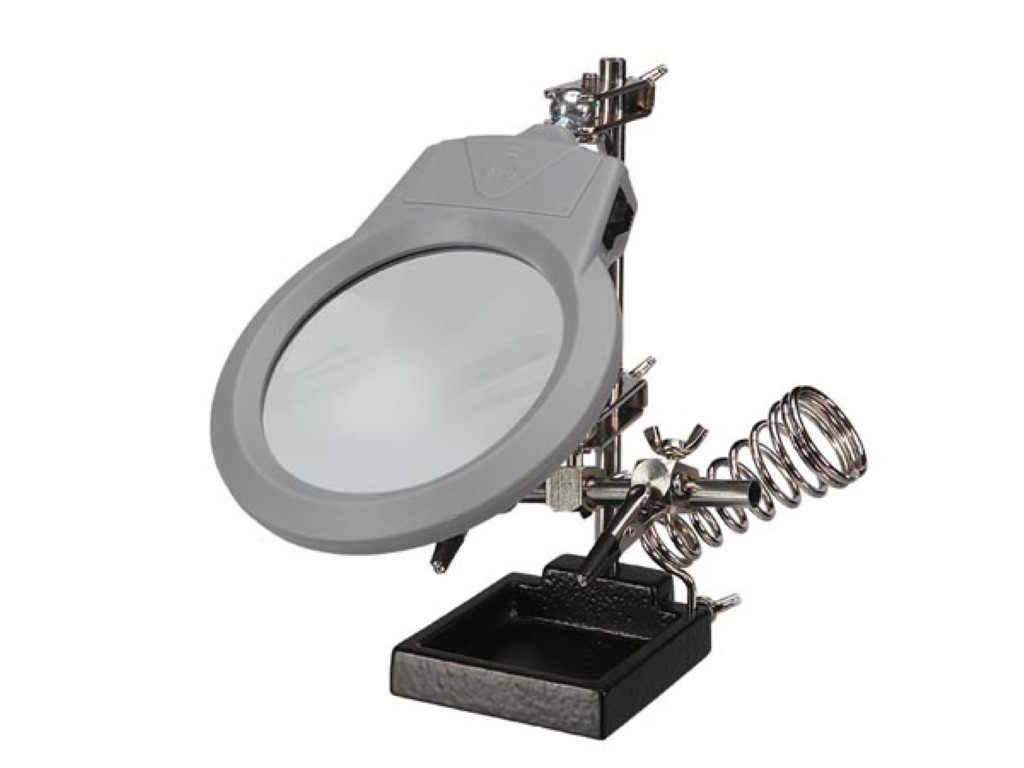
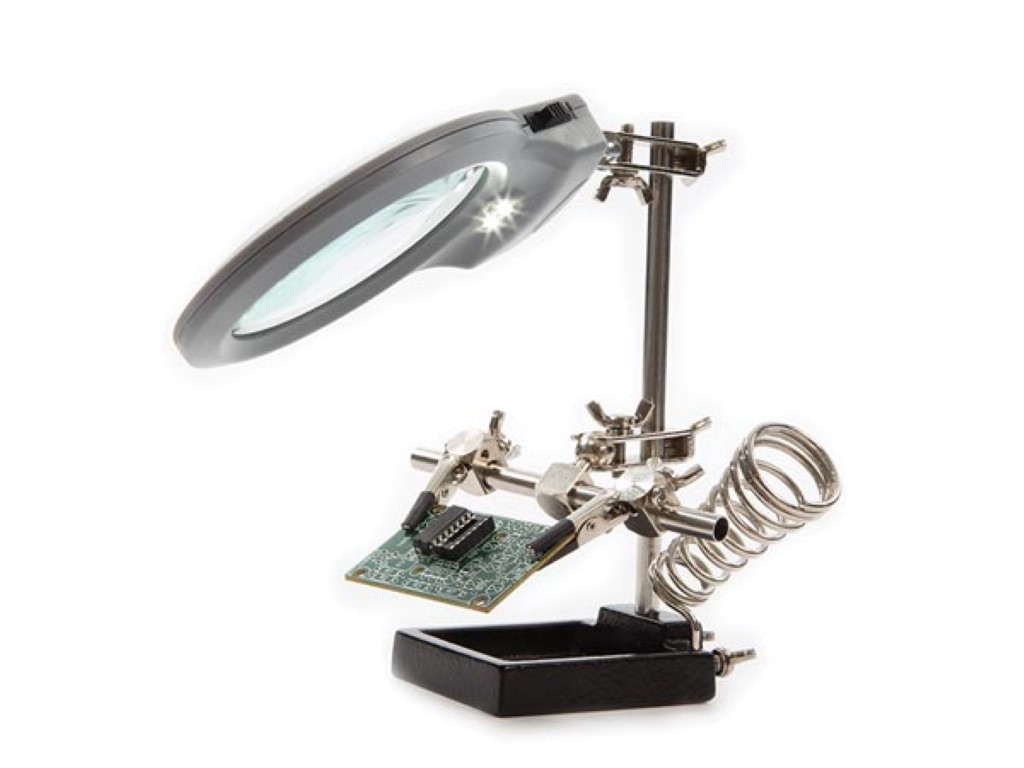
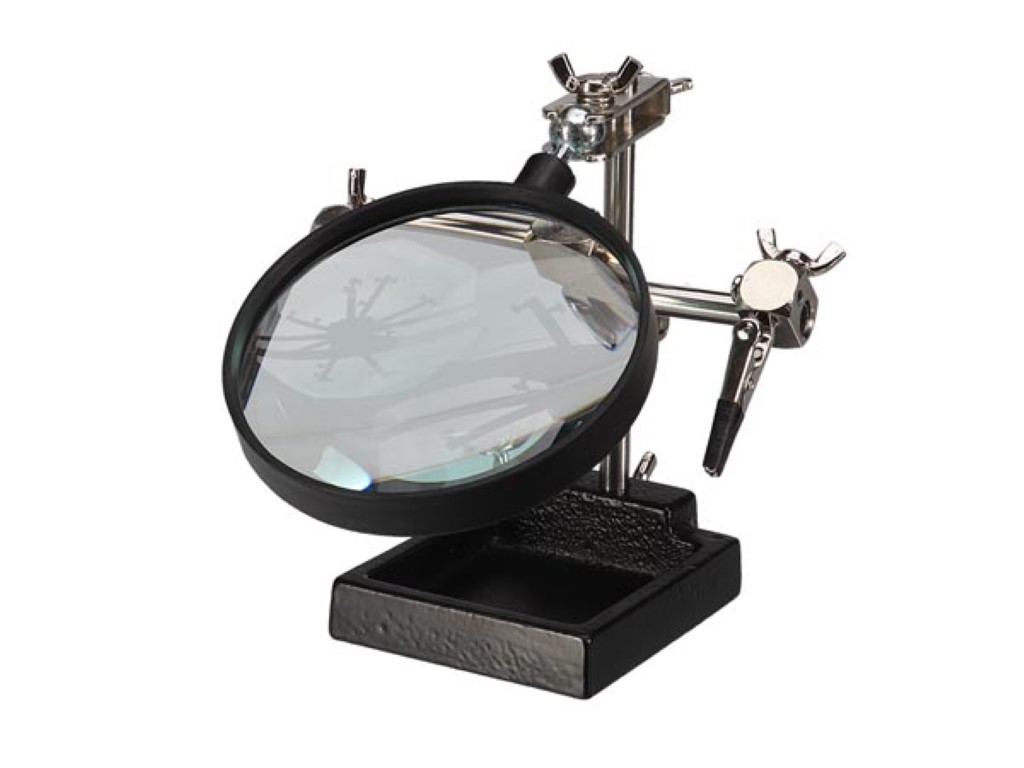
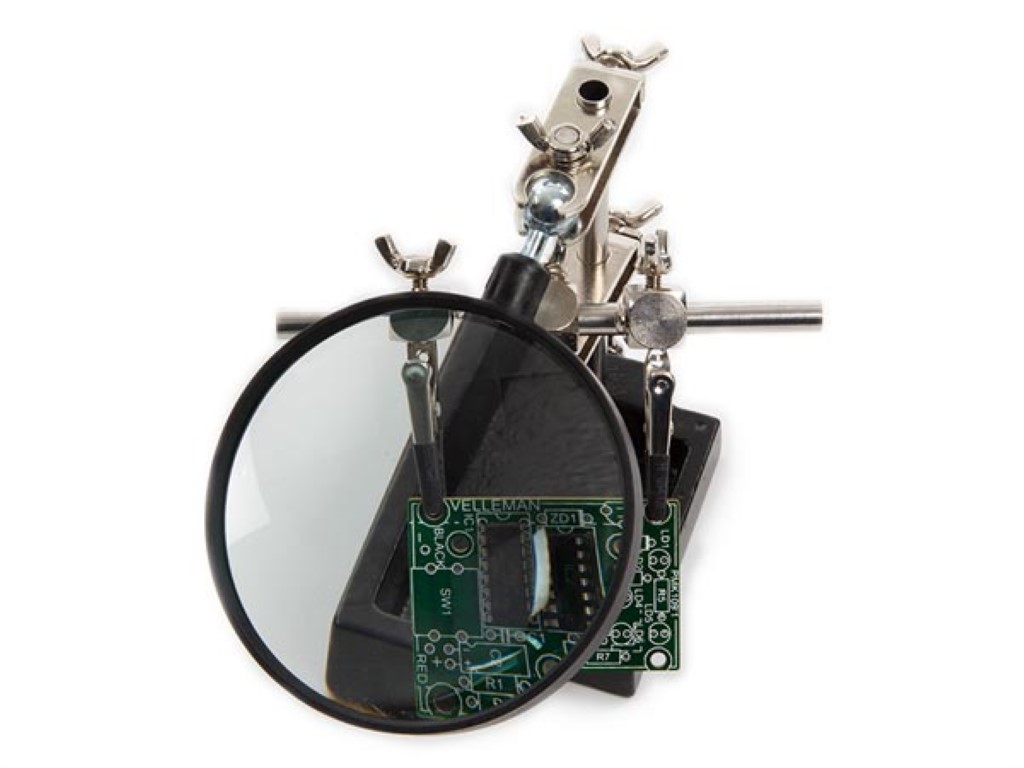
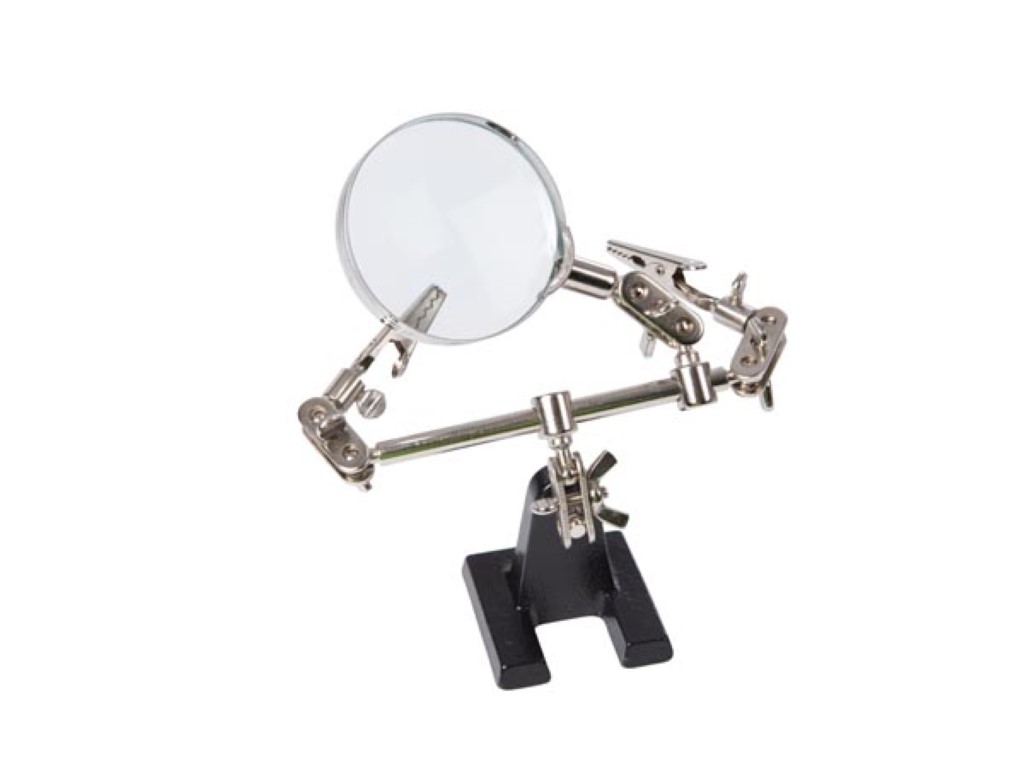
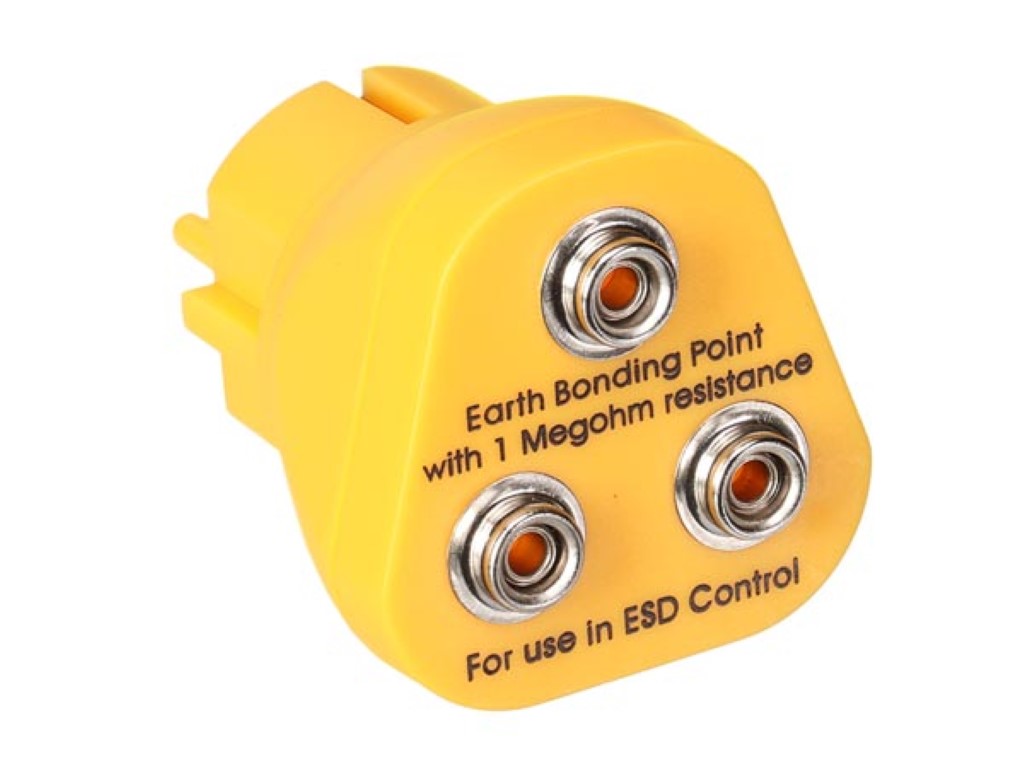
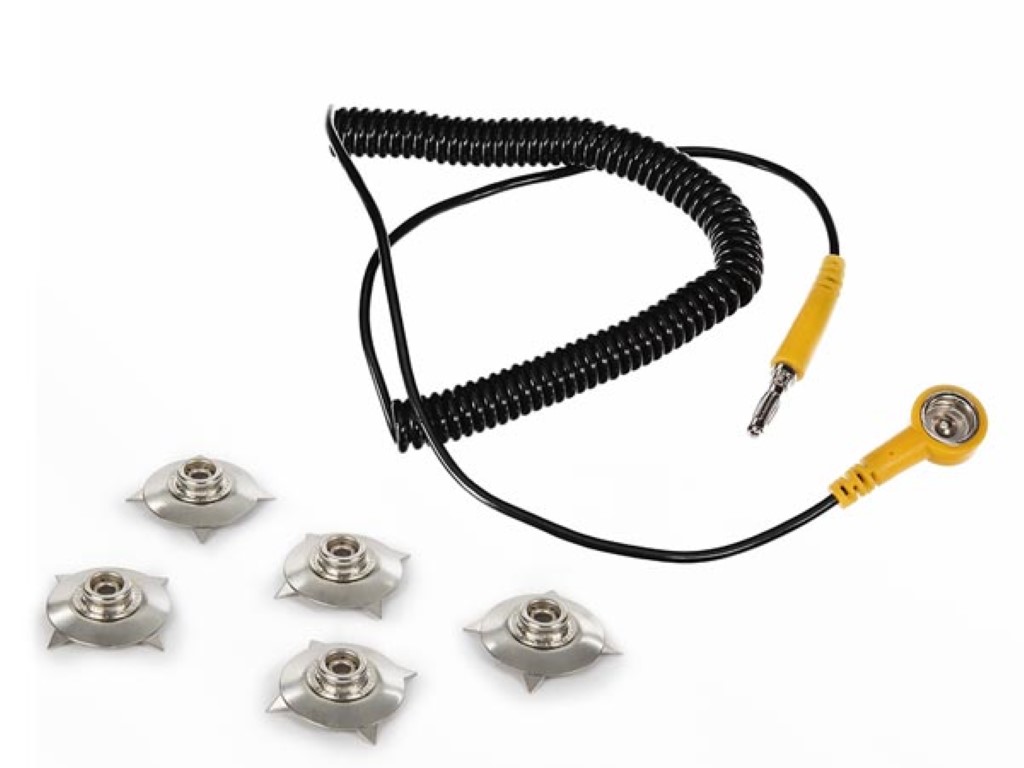
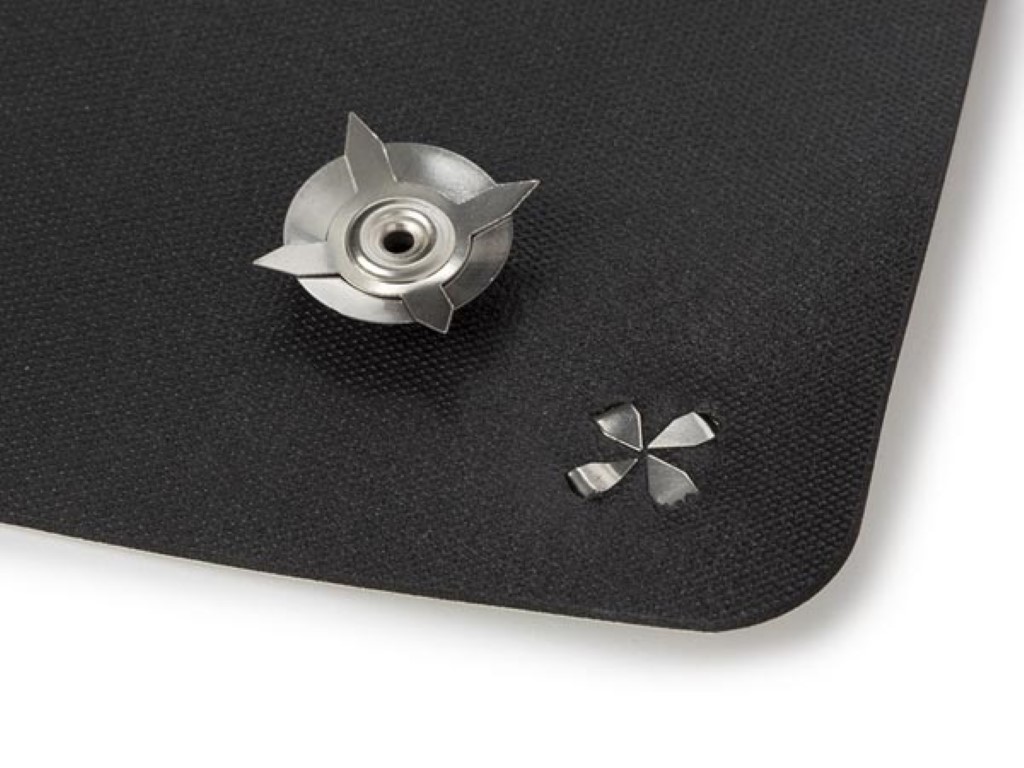
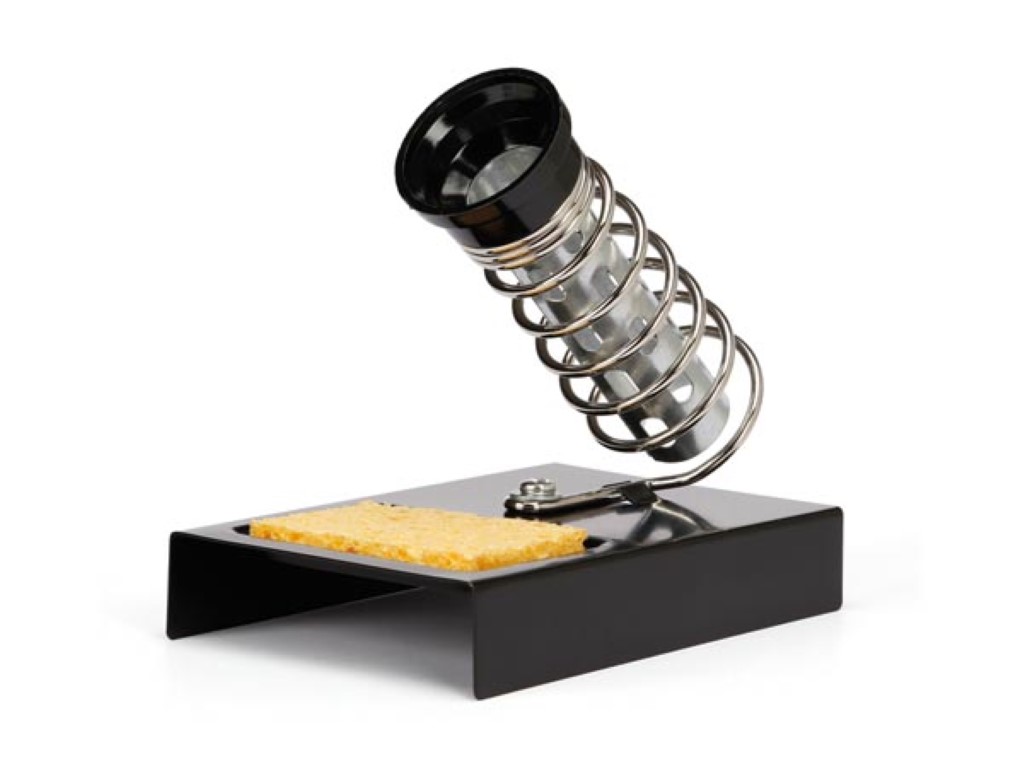
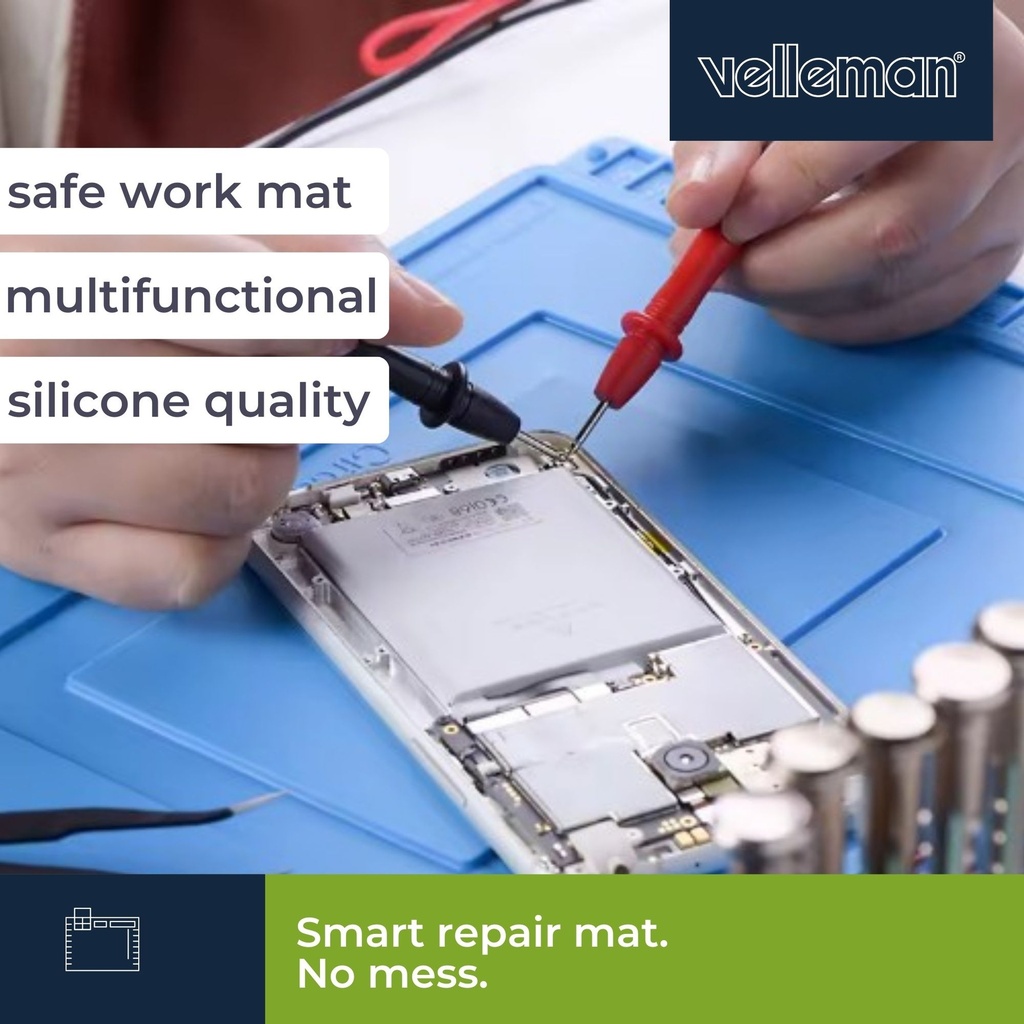
Choose solder wire by alloy and diameter, then add braid or a pump if you need to undo existing joints. A suitable stand provides somewhere to park the iron, and a board holder frees your hands for positioning parts. Check mat properties and grounding arrangements when working with static-sensitive electronics. For replacement tips or irons, the named model compatibility matters as much as the shape of the part.
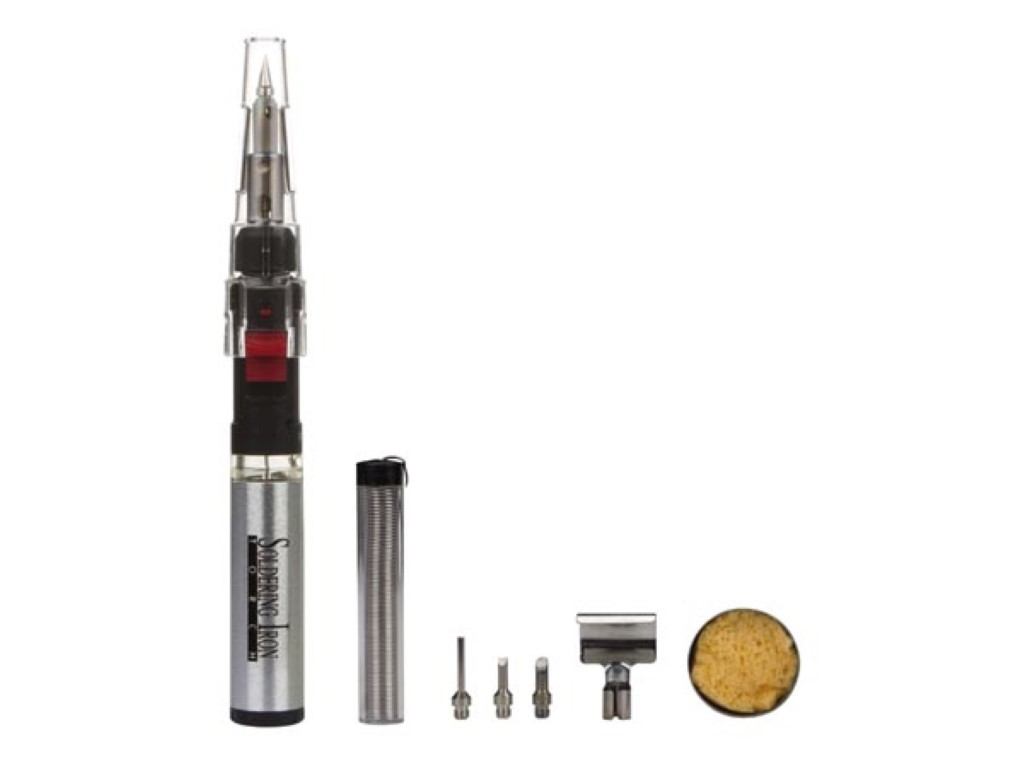
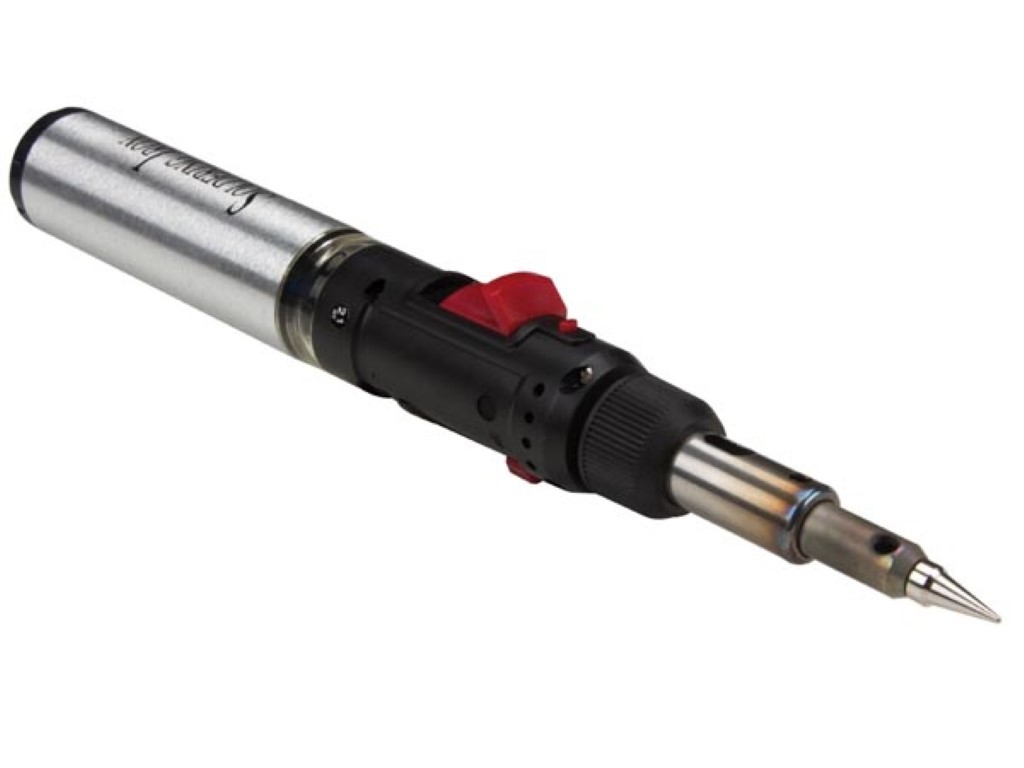
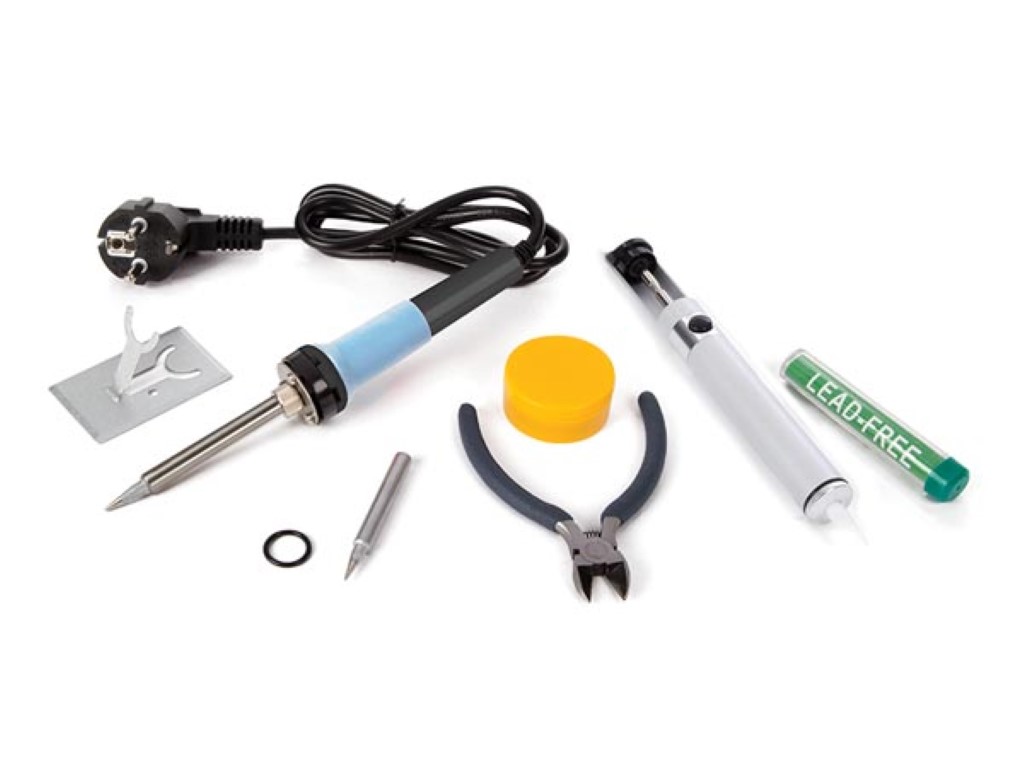
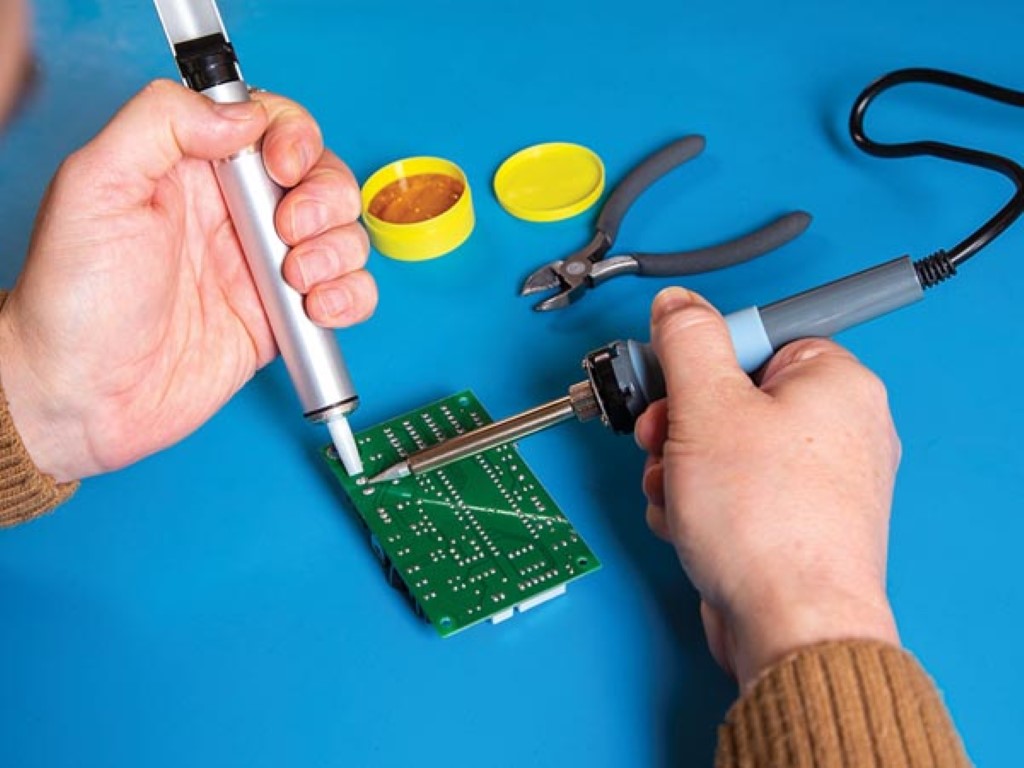
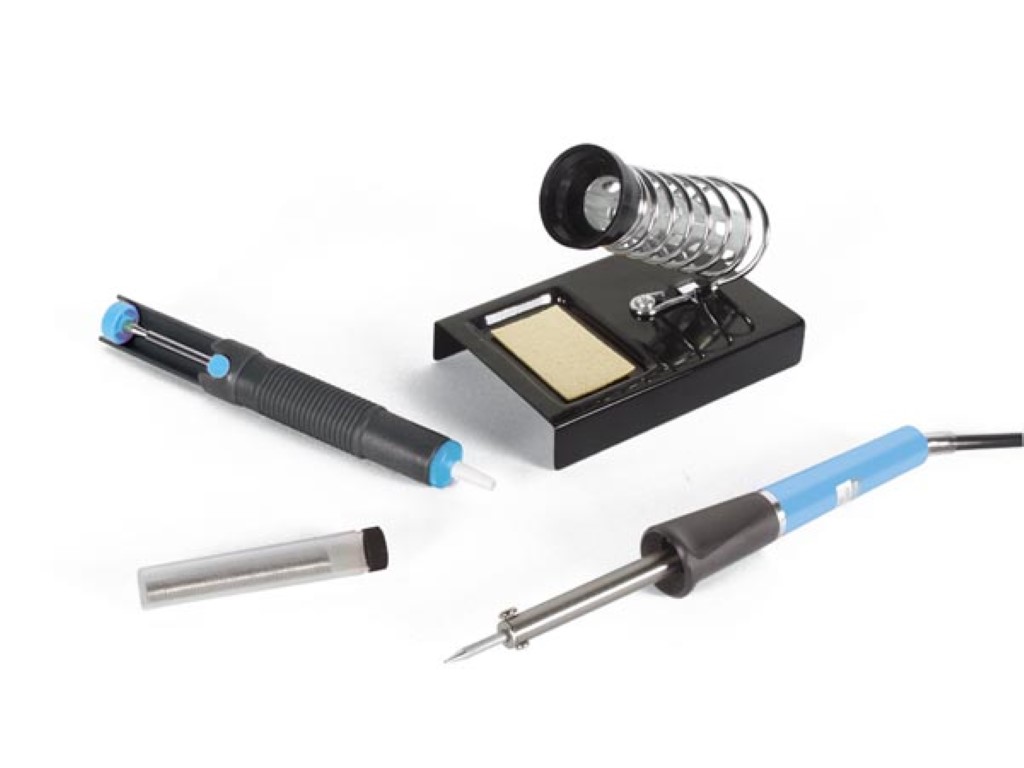
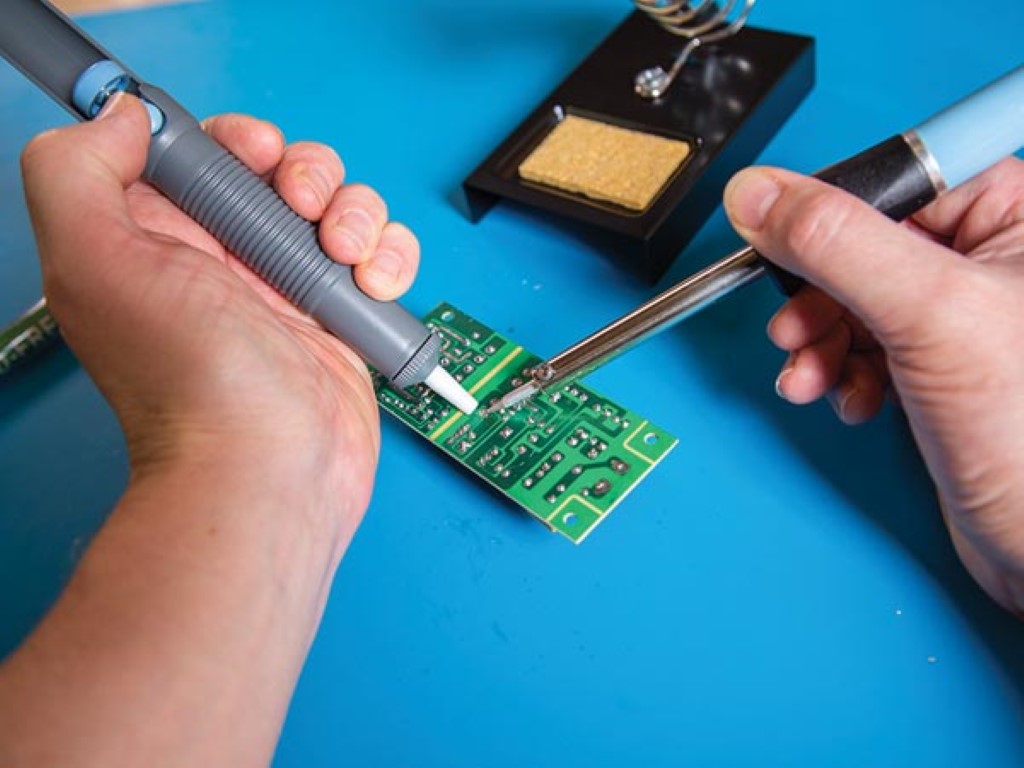
Start with a suitable iron or station, electronics solder, a stable iron stand and side cutters. A holding aid and desoldering tool help with assembly and corrections.
It helps when you regularly work on different joints or alloys. Compare temperature range, control method, handpiece and tip availability rather than choosing by wattage alone.
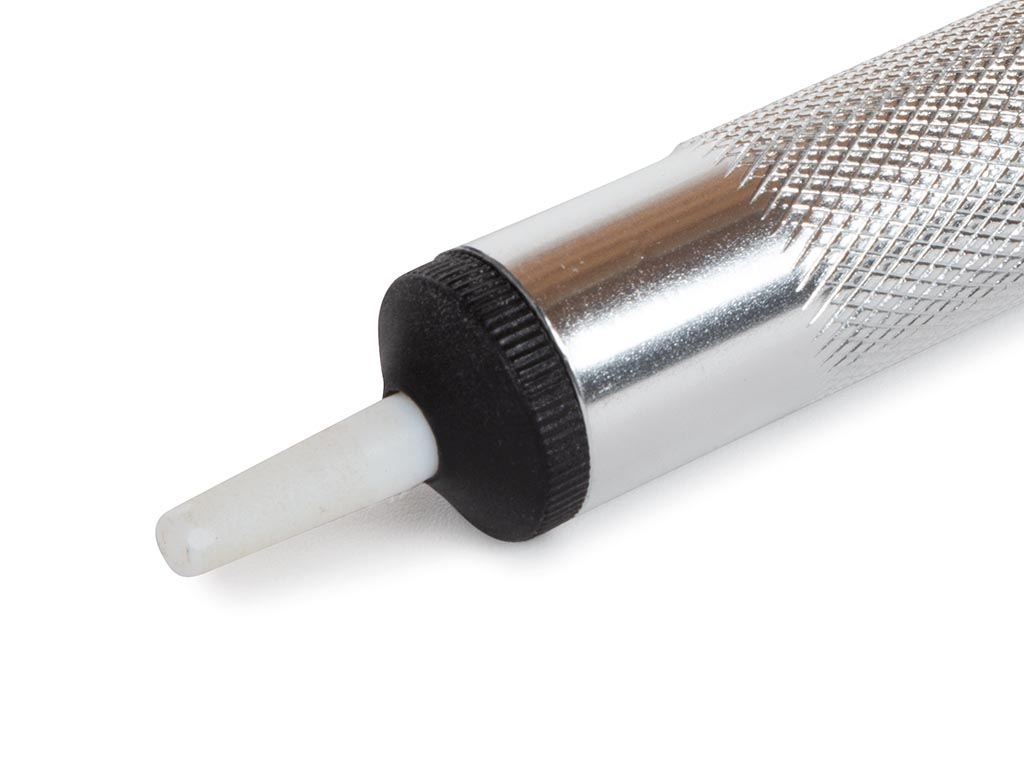
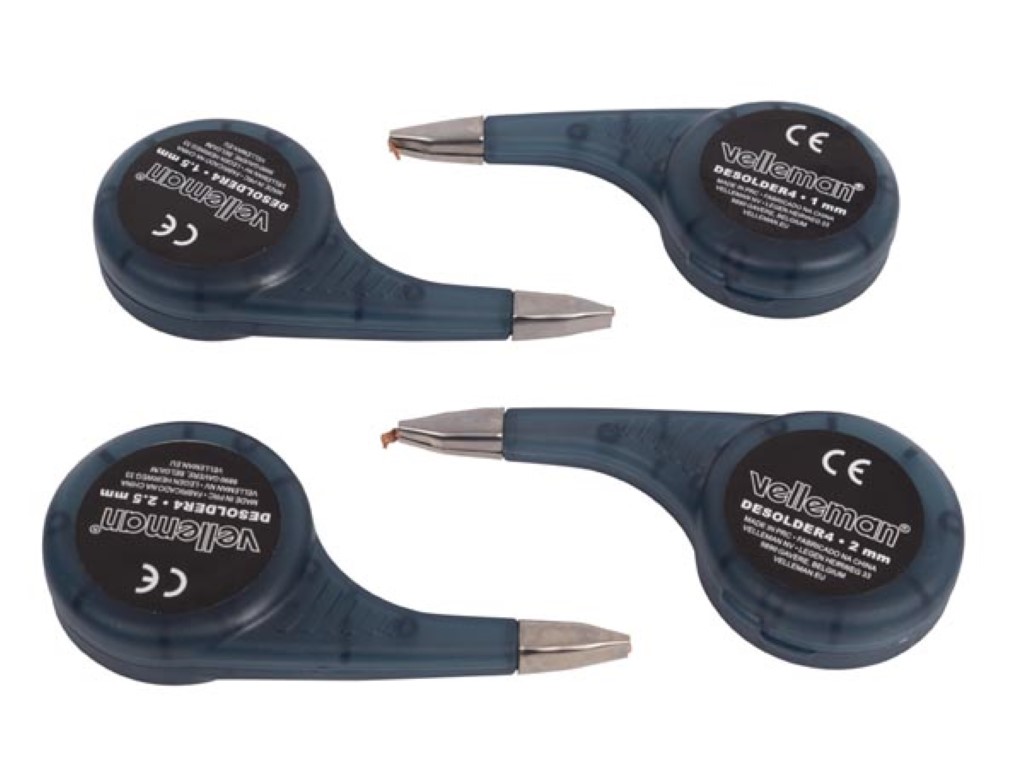
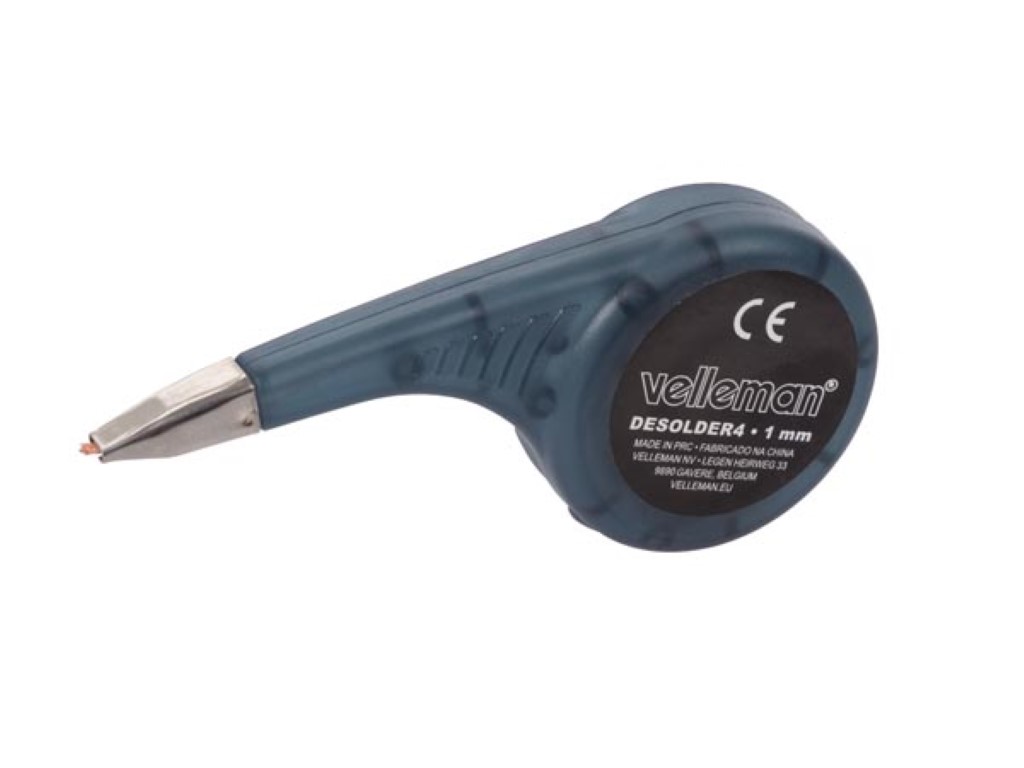
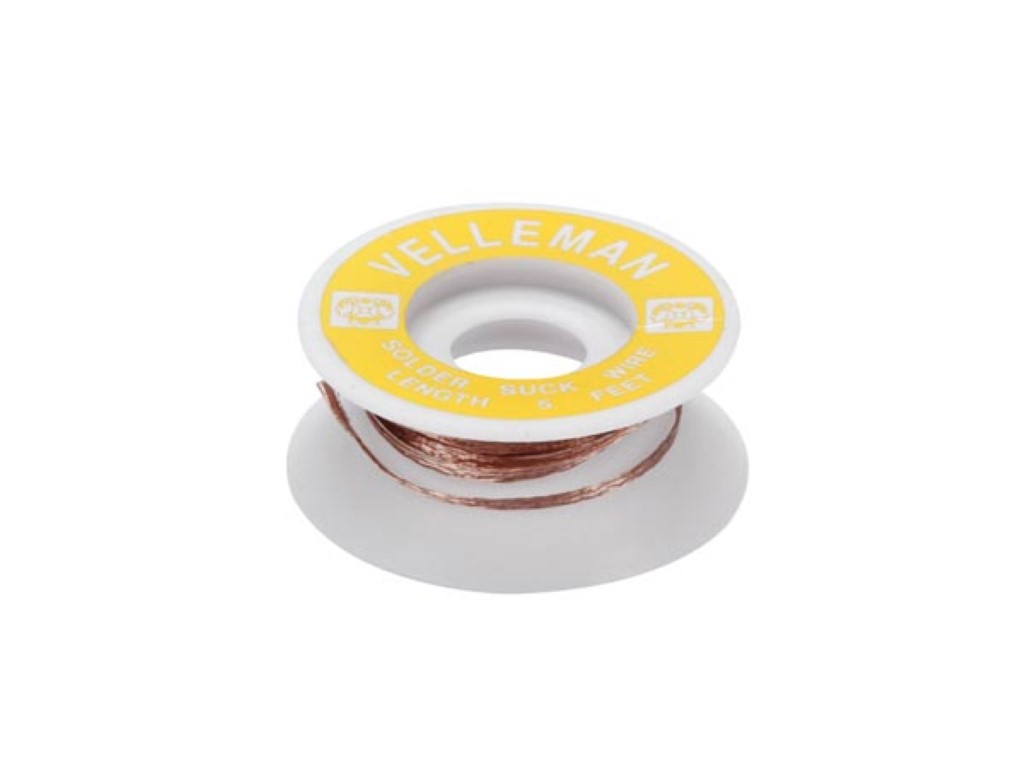
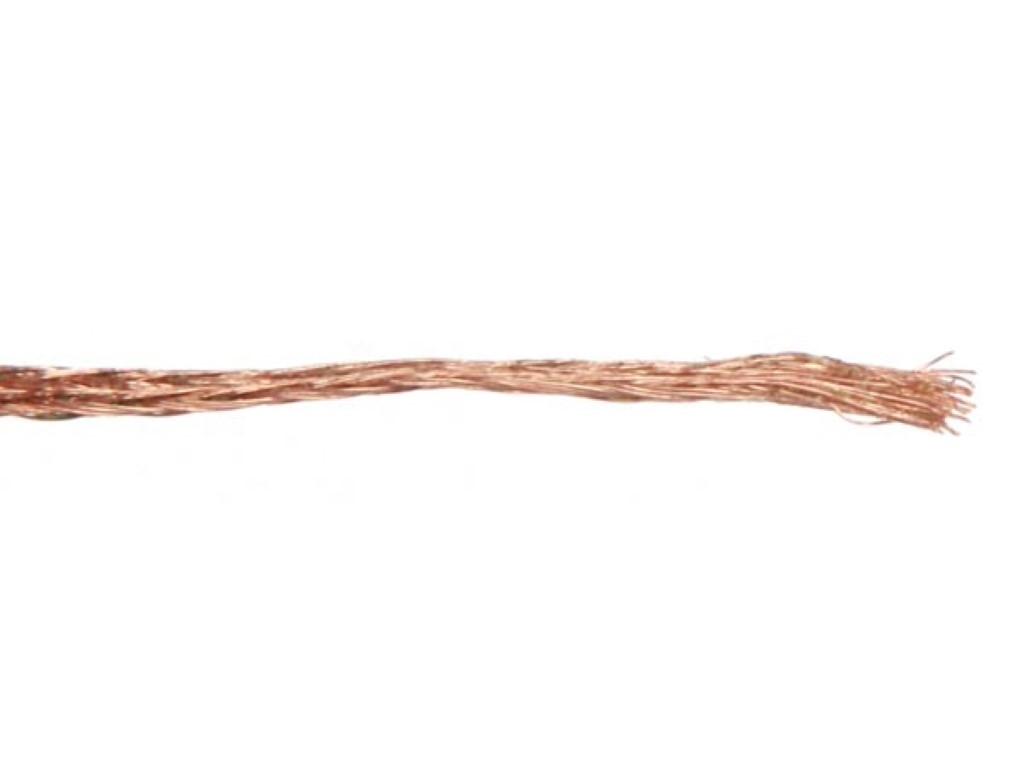
A pump draws off molten solder; braid absorbs it into copper mesh. Pumps are useful for clearing joints, while braid gives local control when removing solder from pads.
First match the tip to the exact iron or station. Then choose a shape and size that contacts the joint properly without touching adjacent components.
No. Heat protection and electrostatic discharge protection are different properties. Choose a mat with documented electrical characteristics and suitable grounding accessories when working with static-sensitive components.