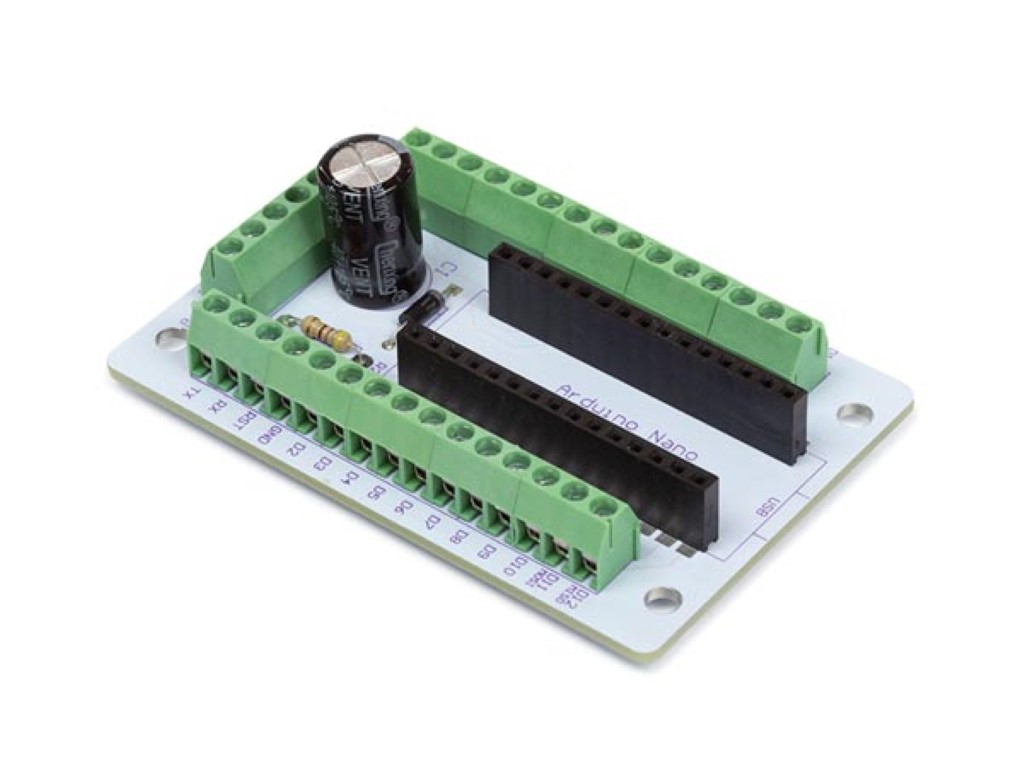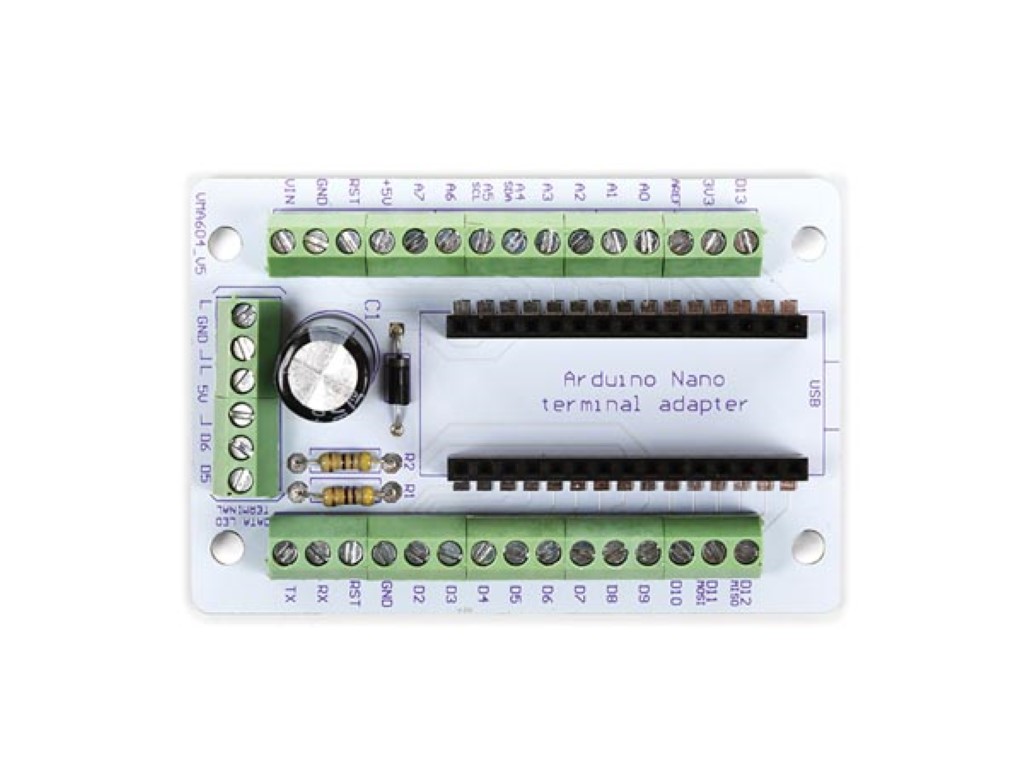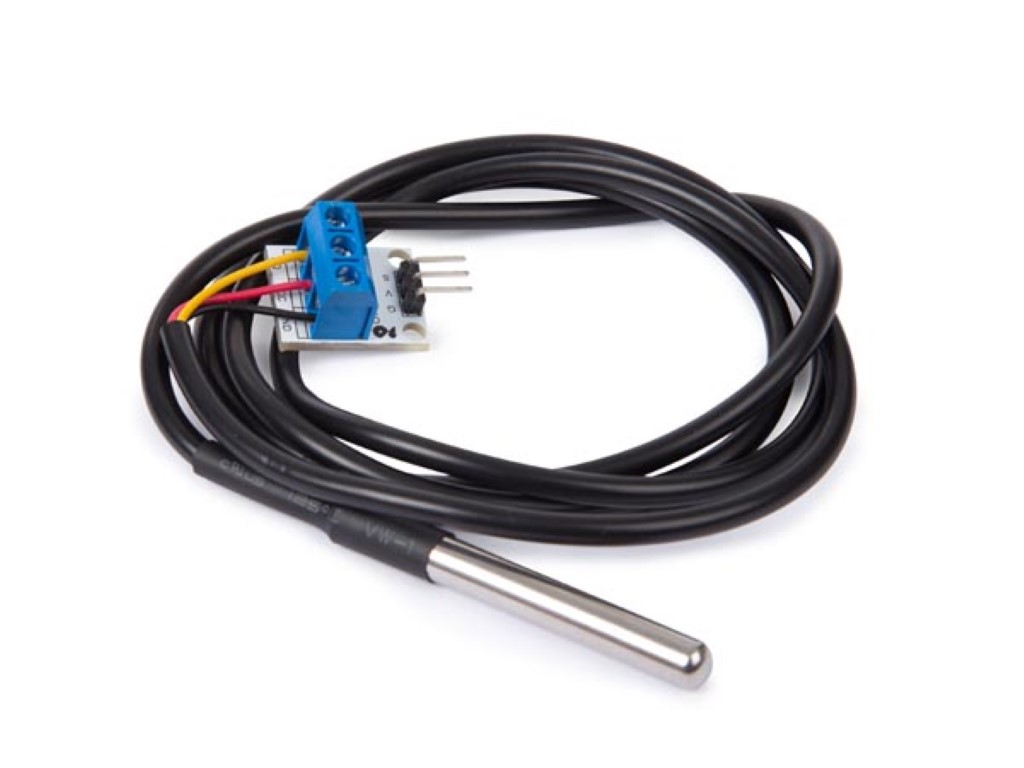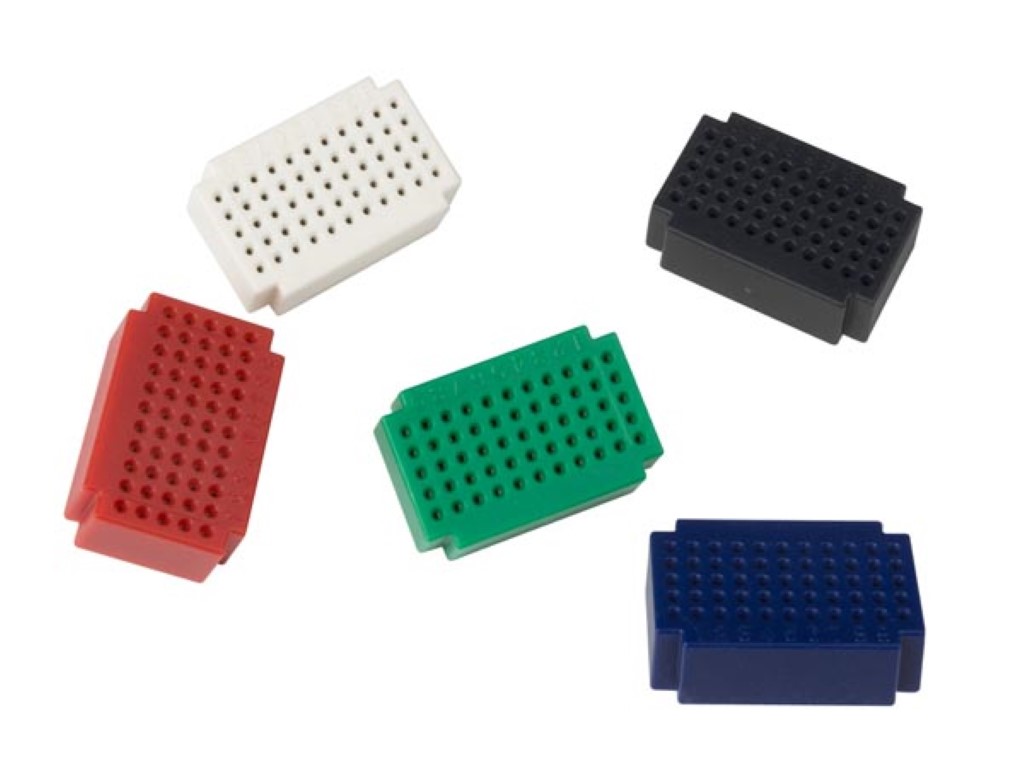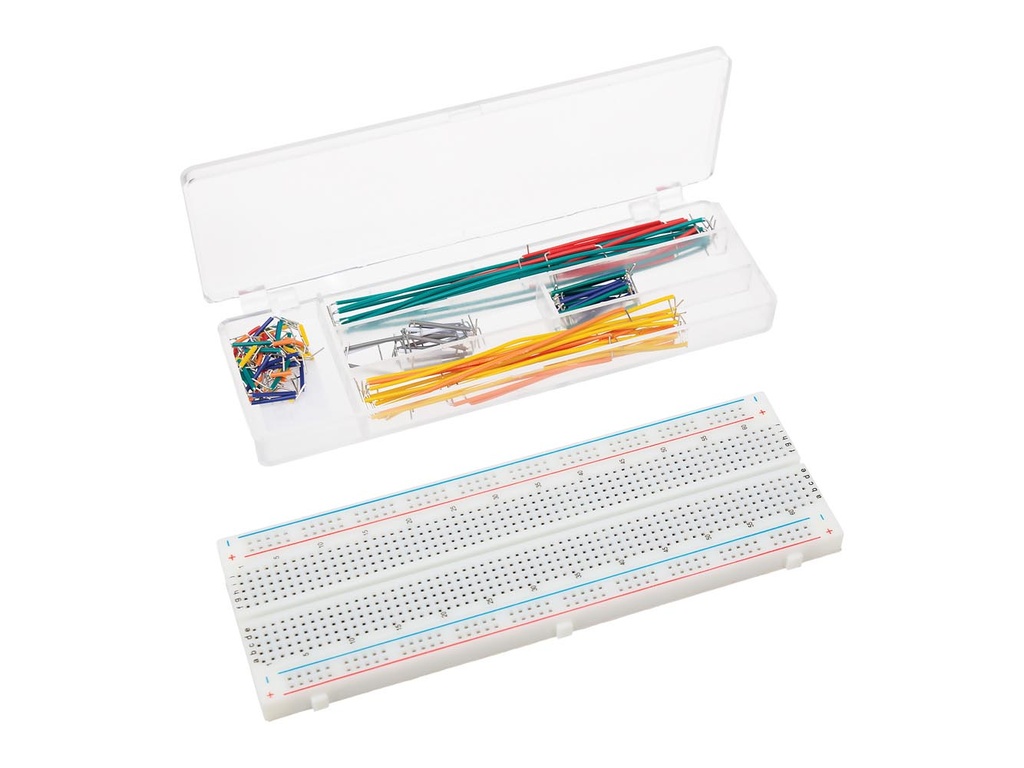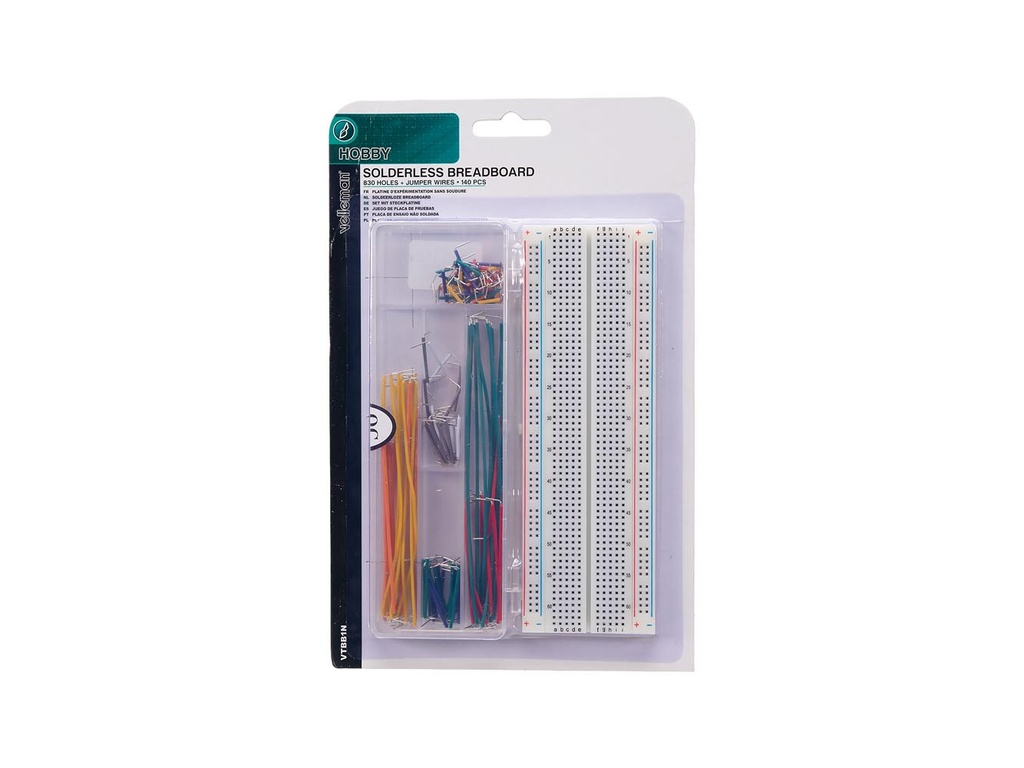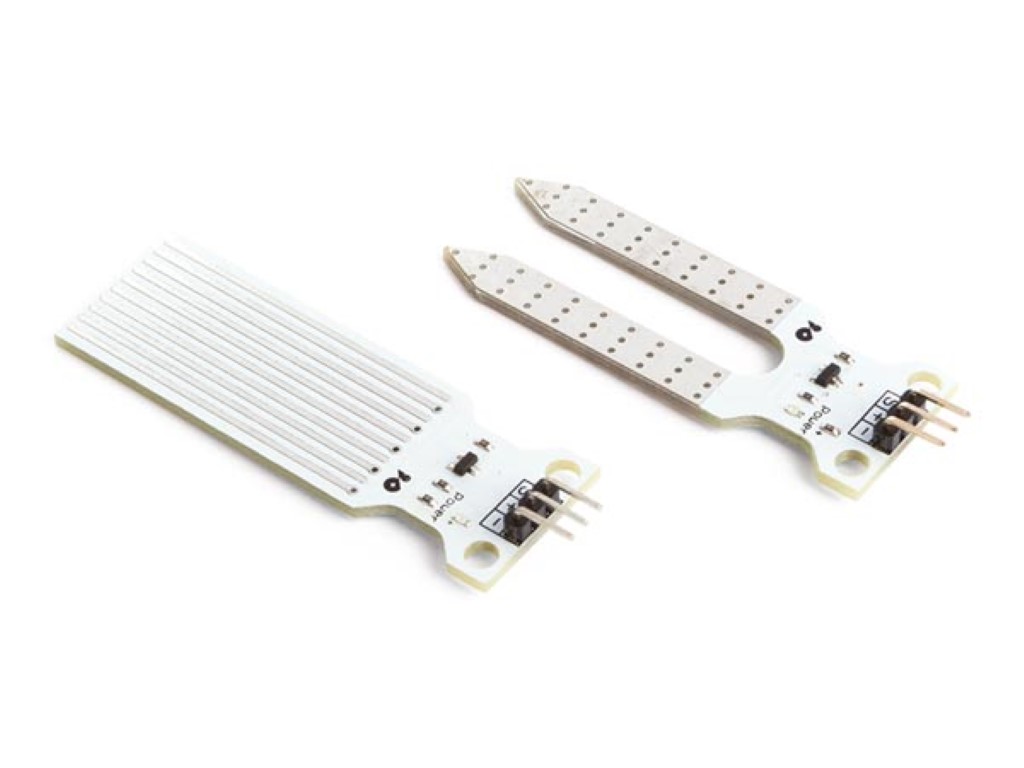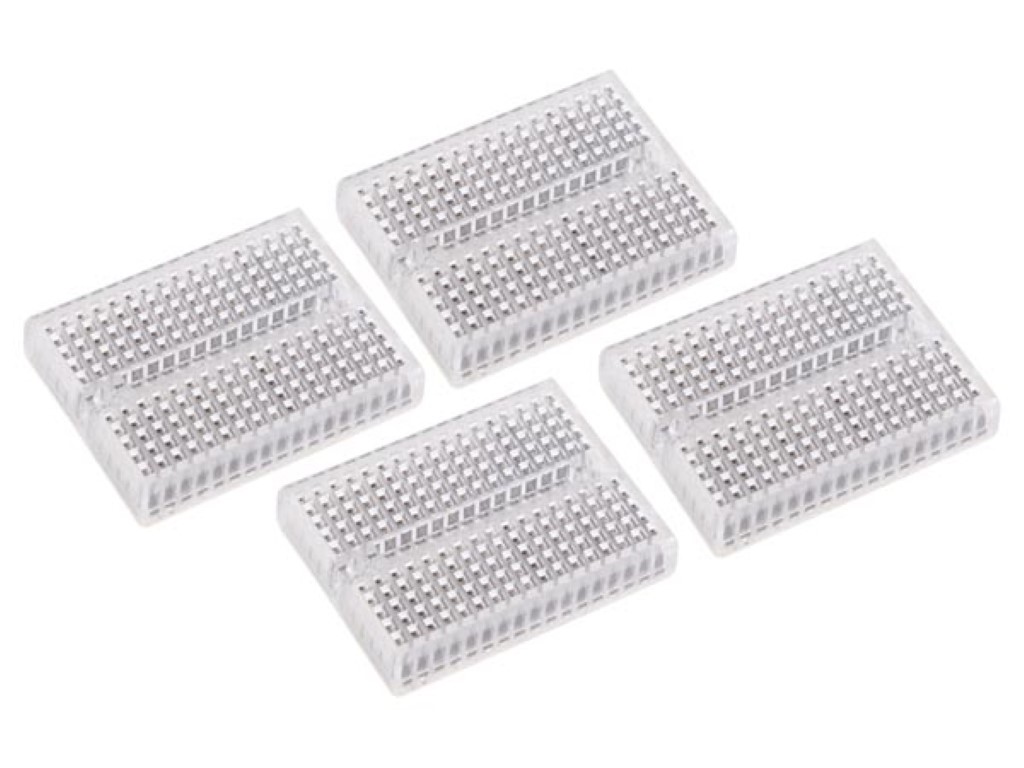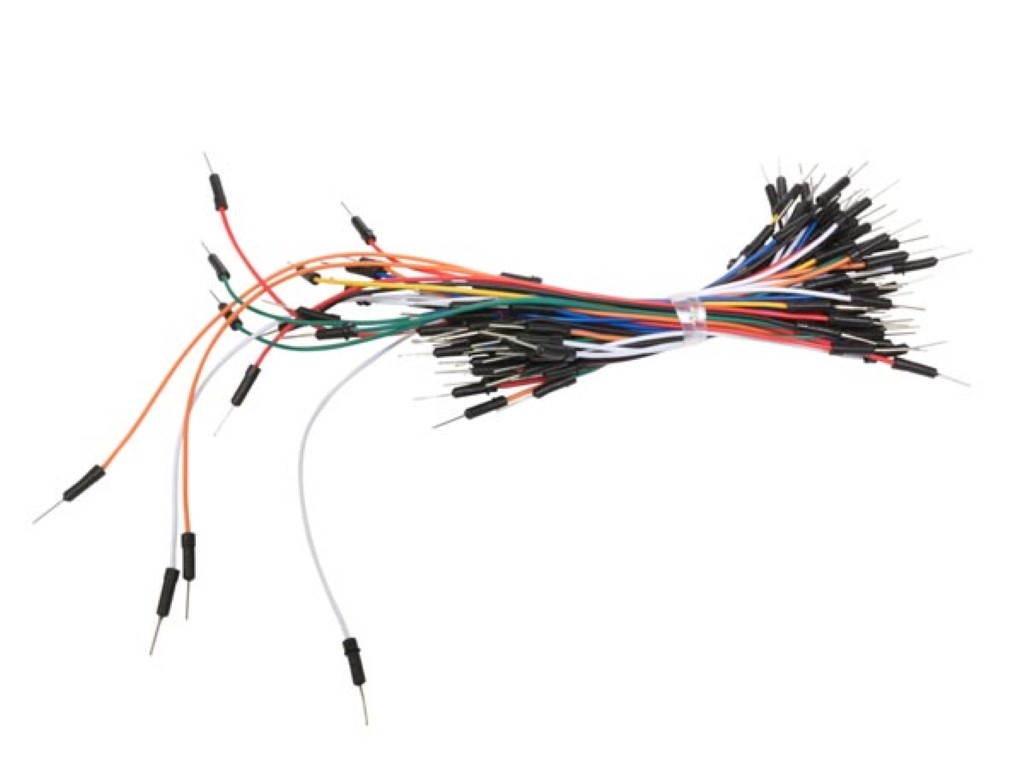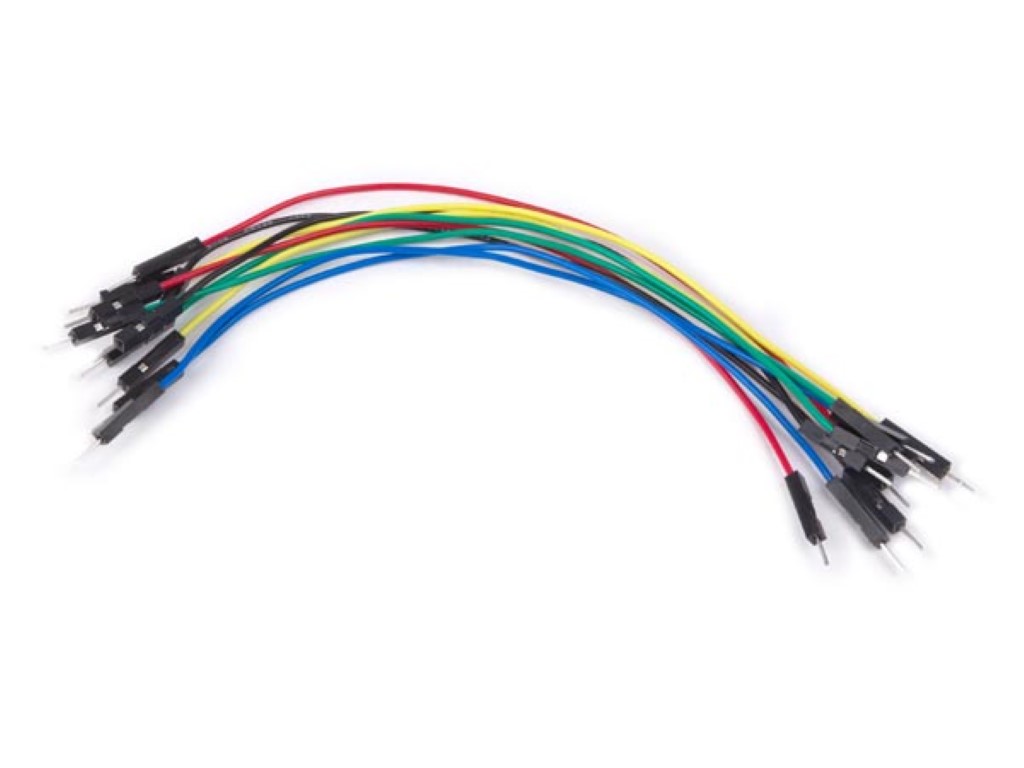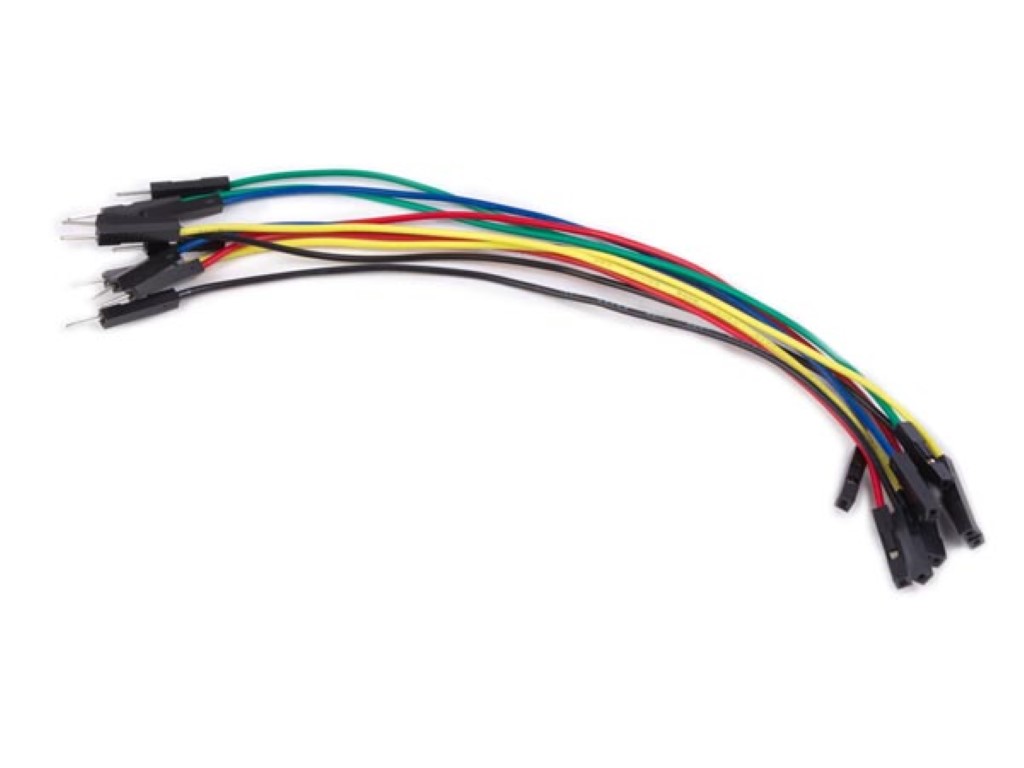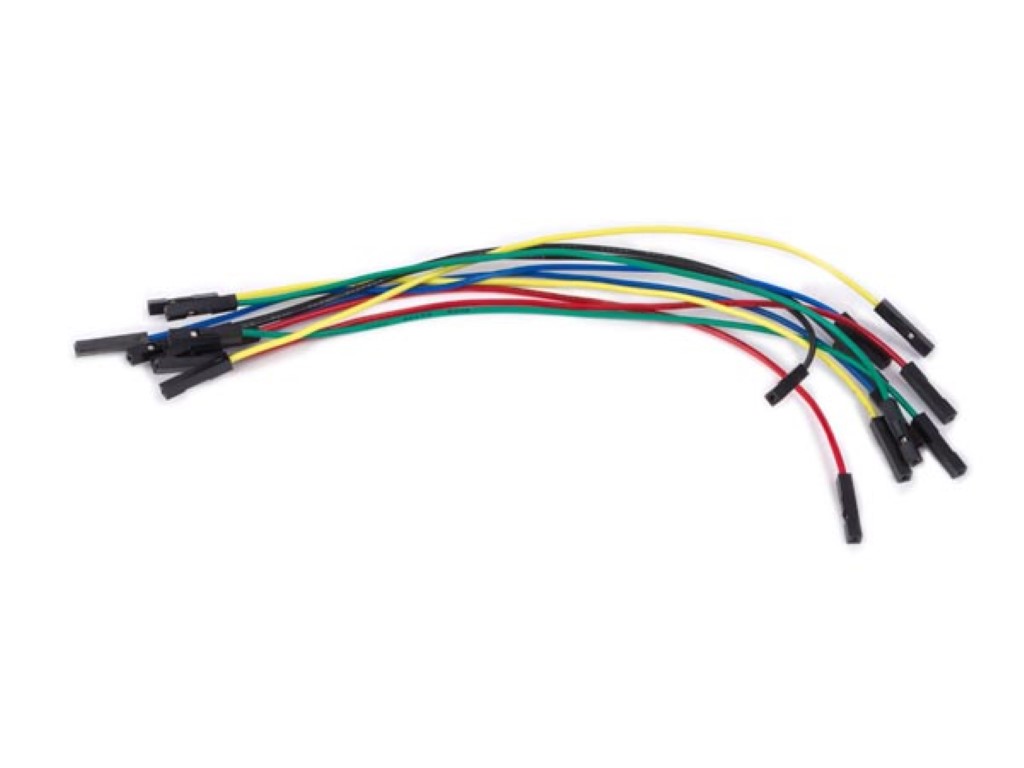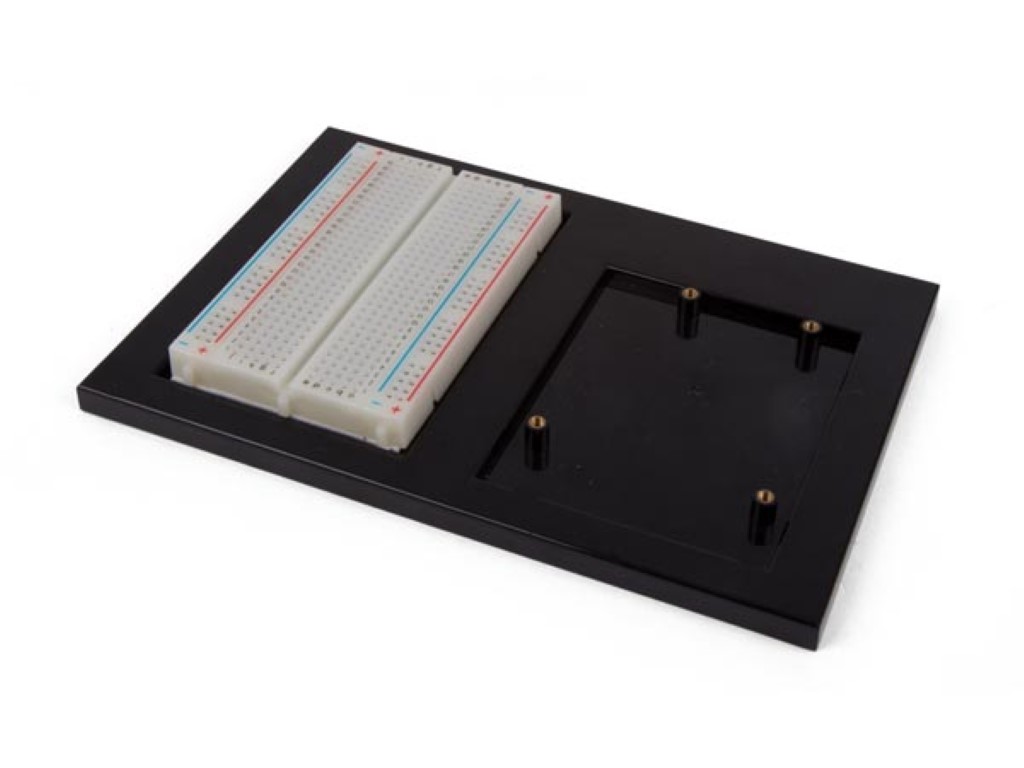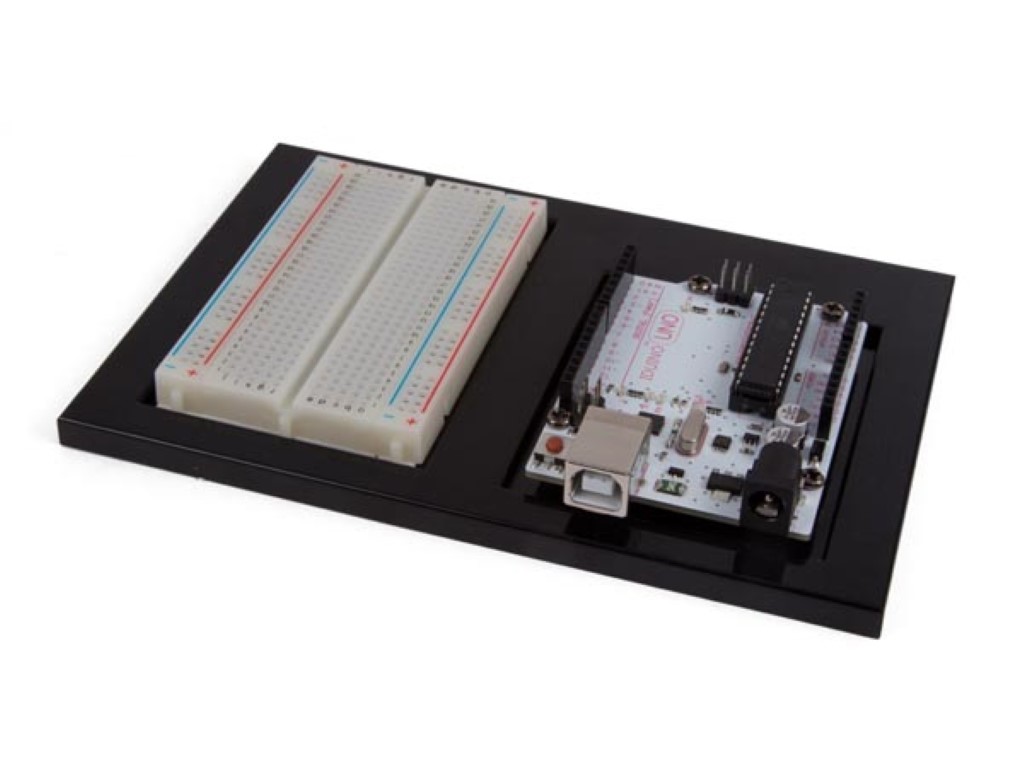
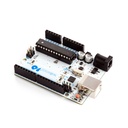
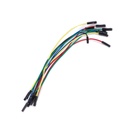
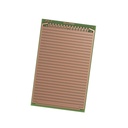
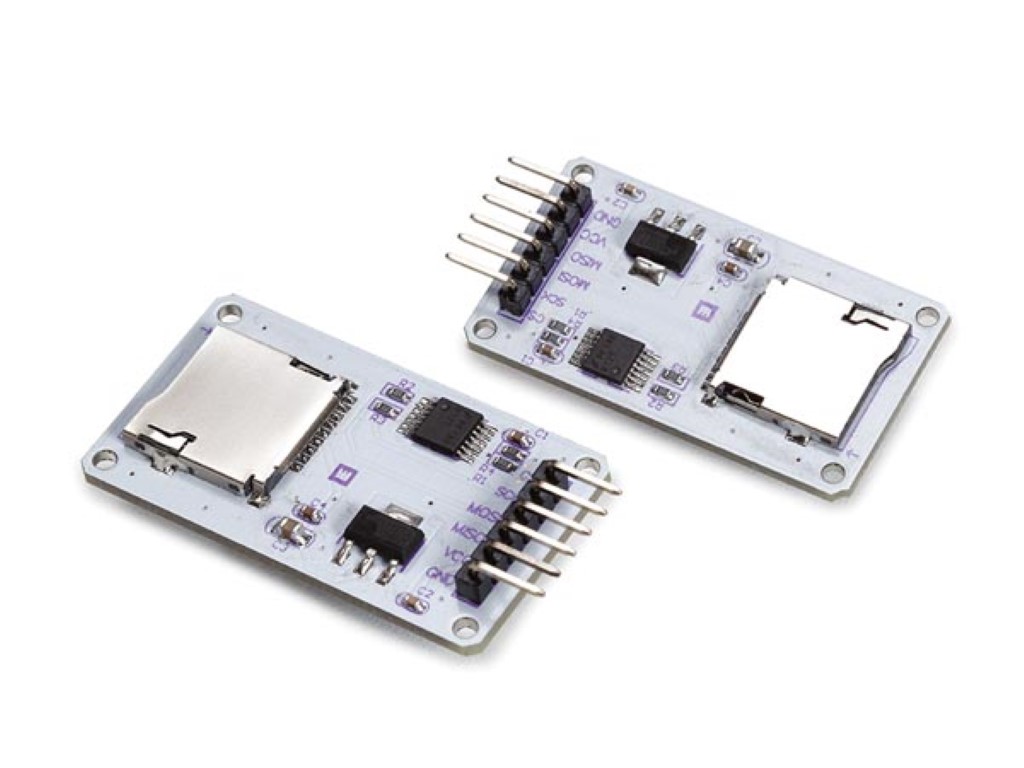
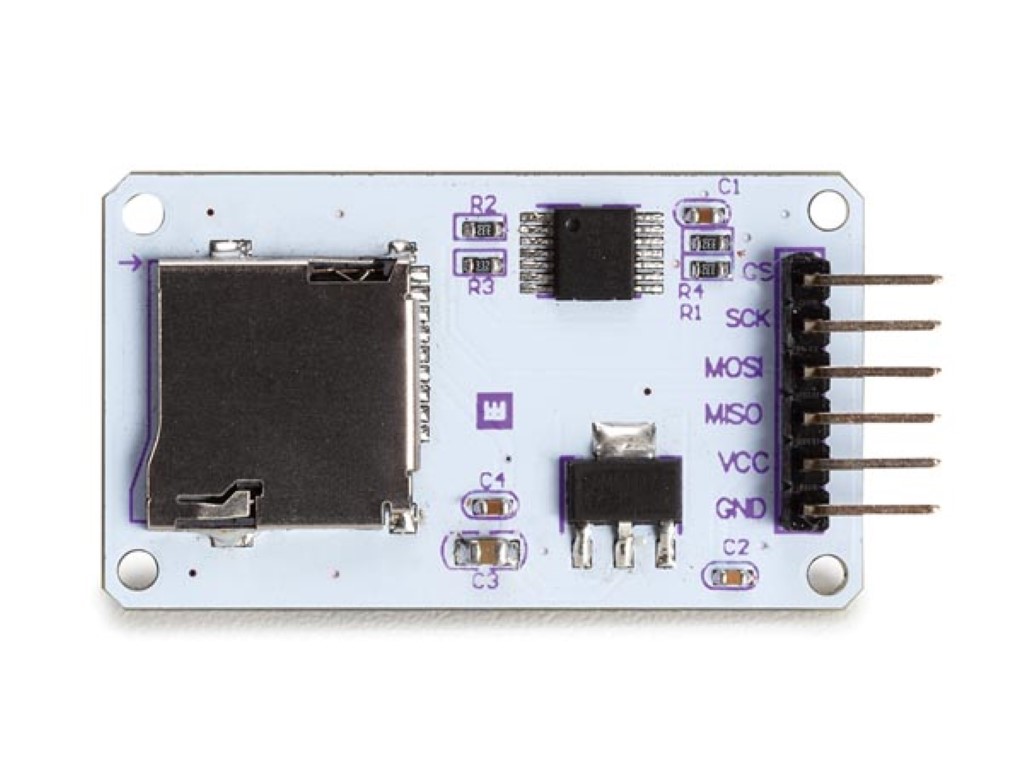
Turn an electronics idea into a working prototype with development boards, sensors, interfaces and connection materials. This prototyping range includes Arduino and compatible boards, breadboards, jumper wires, perfboards and stripboards, plus expansion hardware. Build a temporary test circuit or plan a soldered version once your design works.
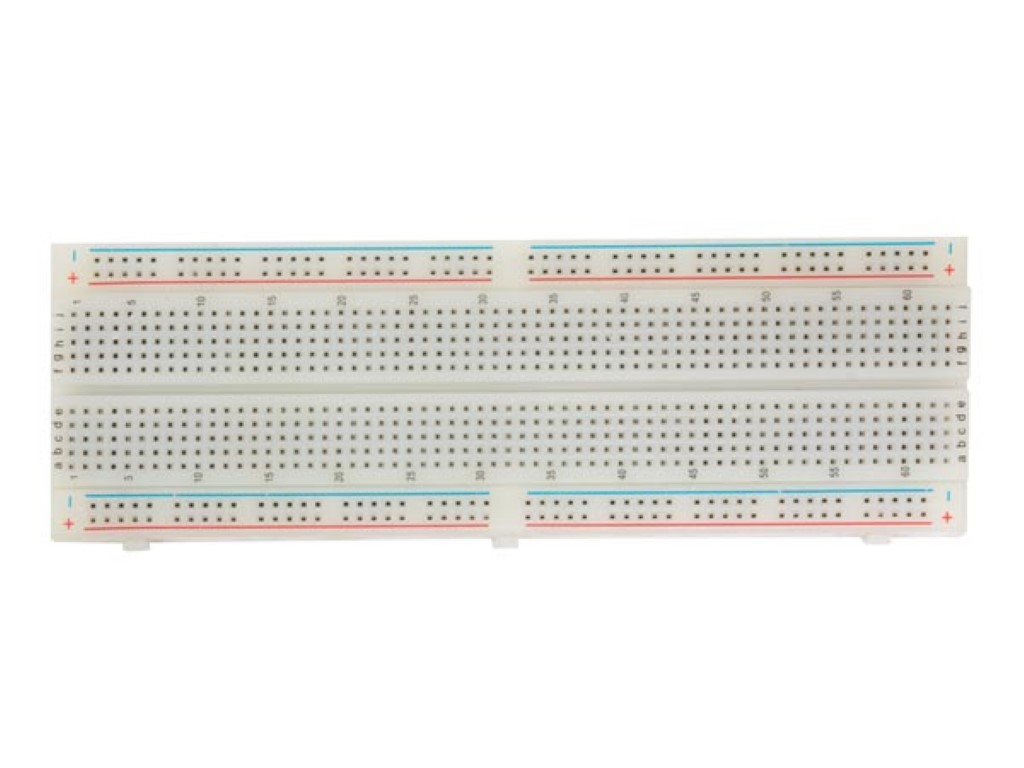
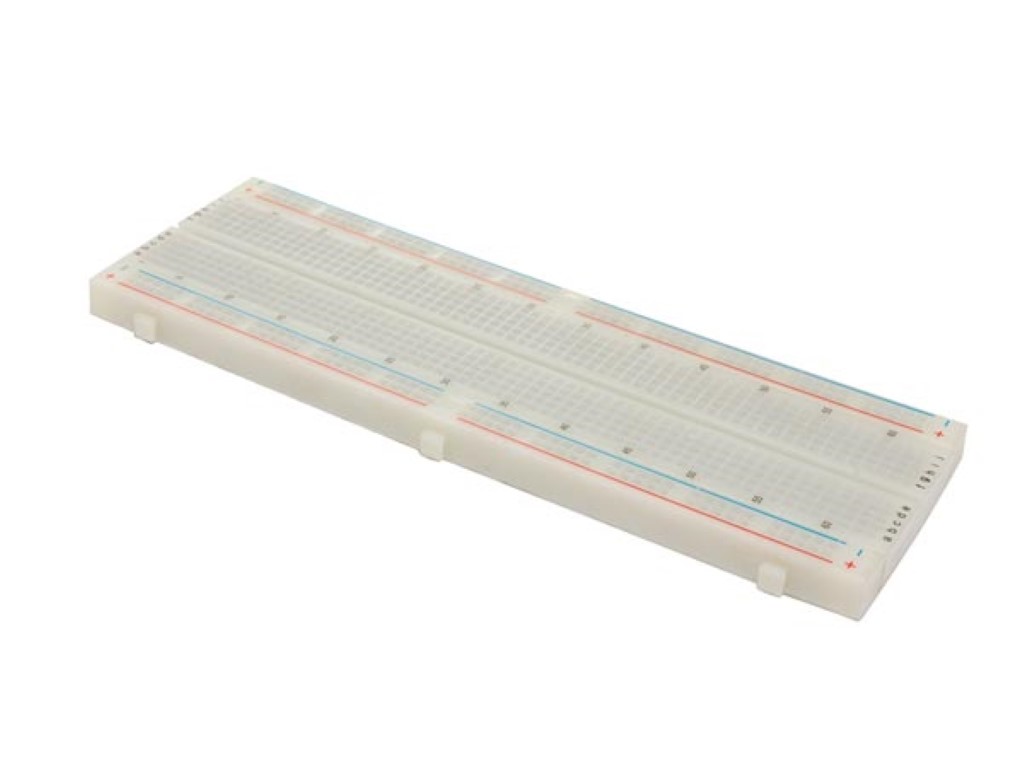
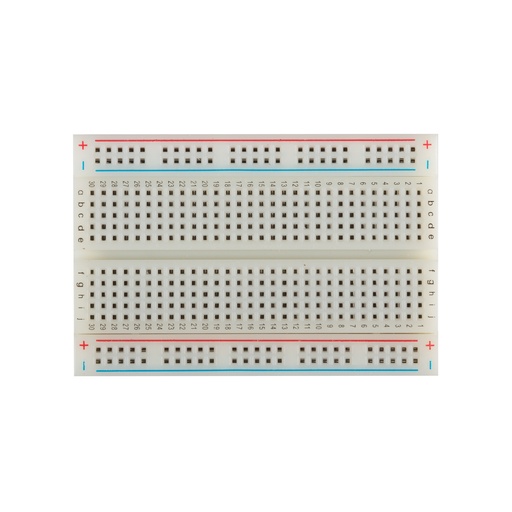
A solderless breadboard makes it easier to change connections while testing. Perfboard and stripboard let you move towards a soldered assembly, with different copper layouts to plan around. Development boards provide the programmable core, while sensors, displays and control modules add the functions you need.
Compare board dimensions, available connections, operating voltage and software requirements. Match jumper-wire ends to the headers or breadboard you use. Check power and logic levels for every connected module, and allow for separate power where a motor or other load needs it. Start with a wiring plan and add functions step by step so each part can be tested.
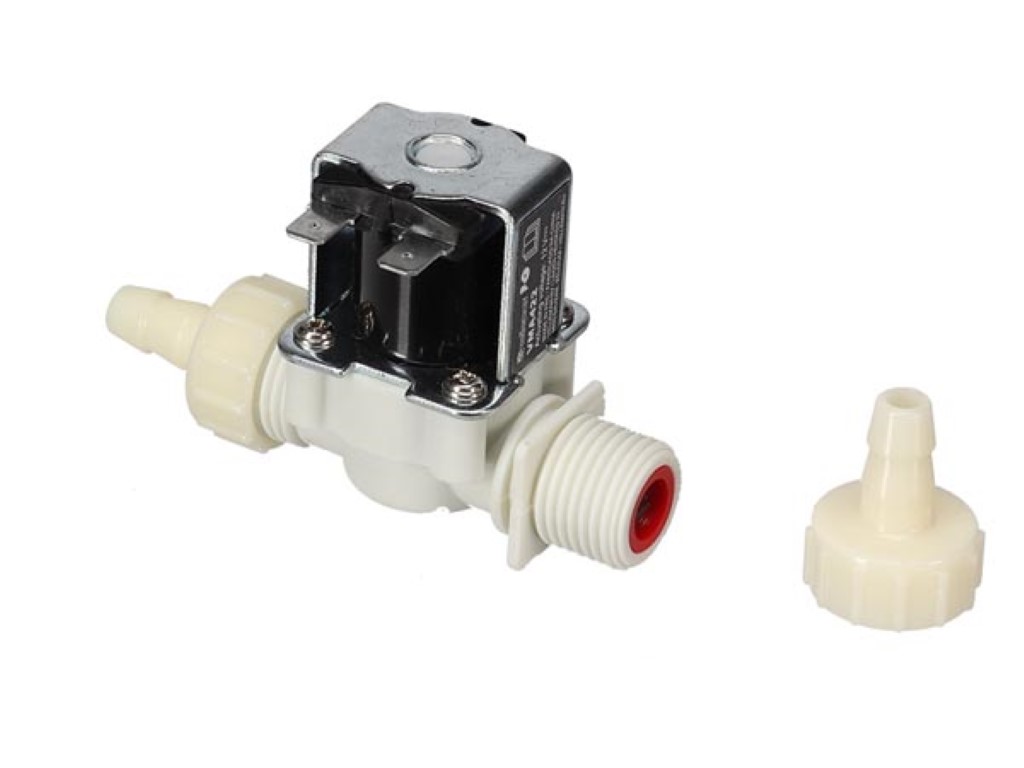
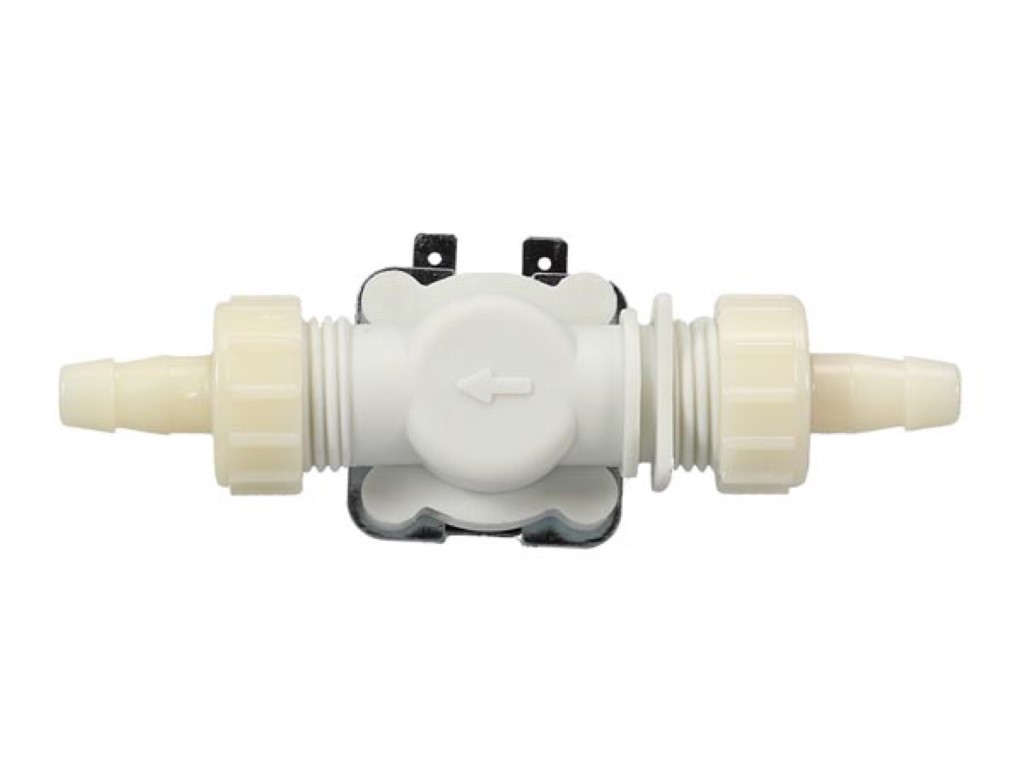
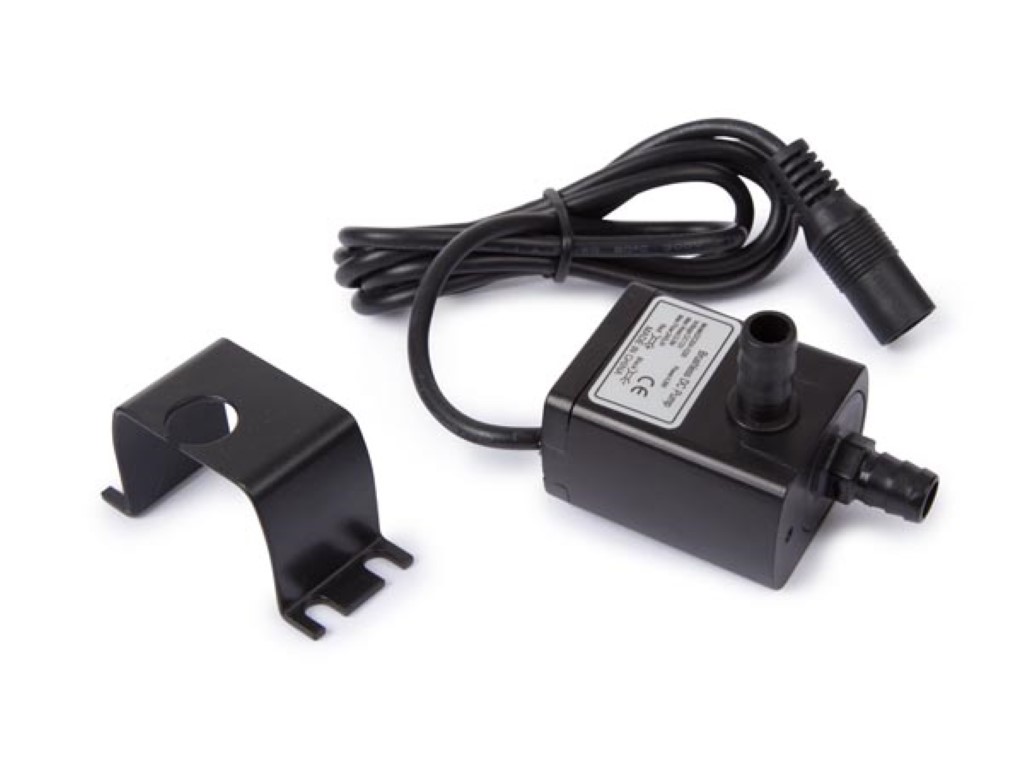
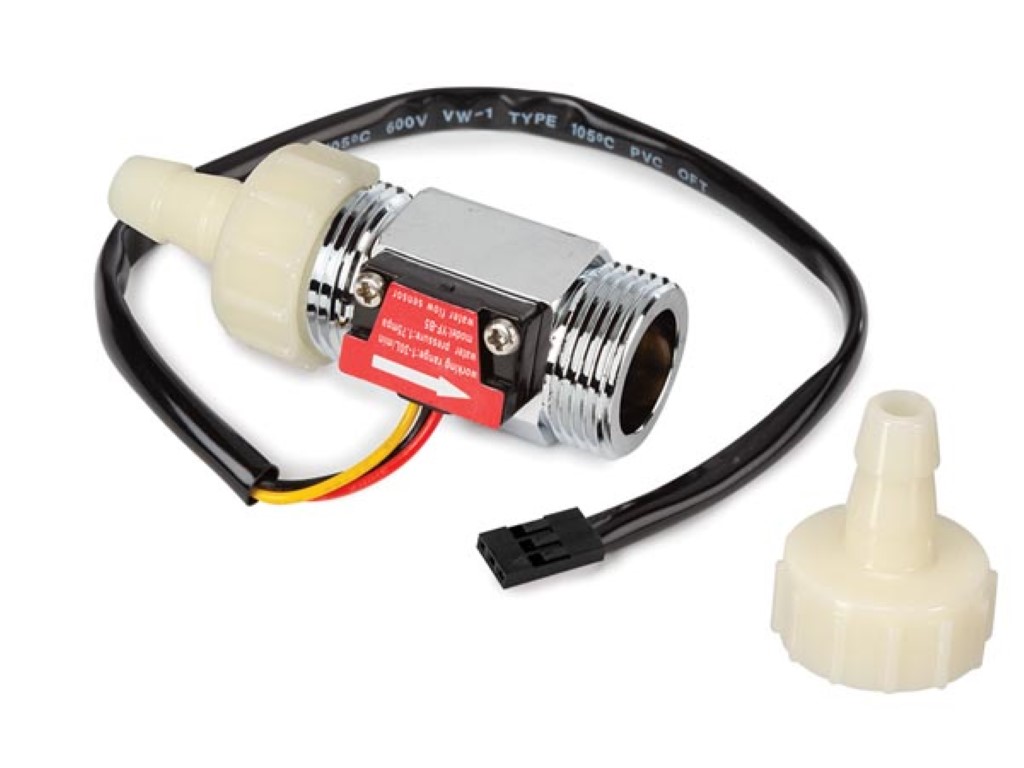
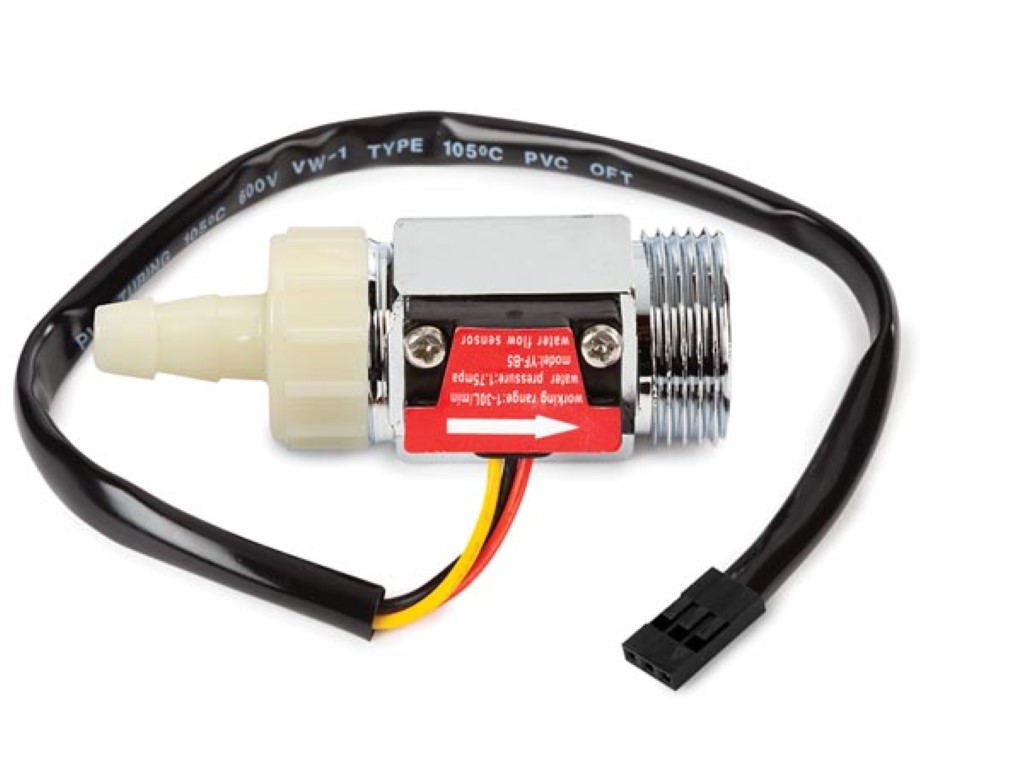


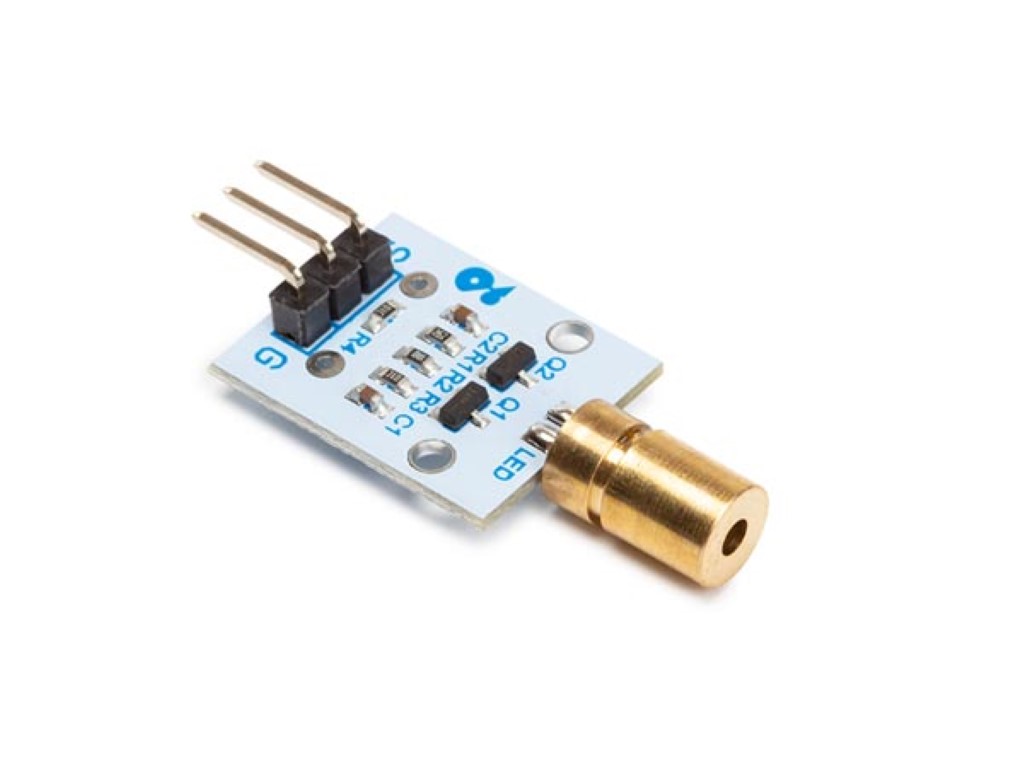
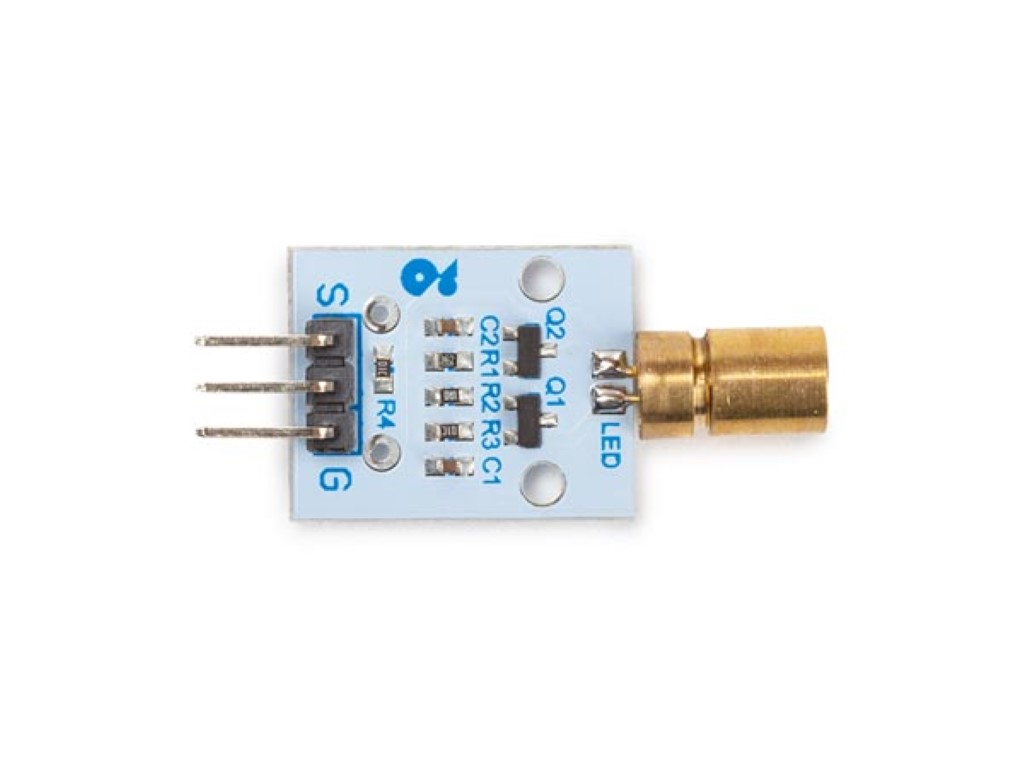
Begin with a circuit idea, a suitable power source, components and a way to connect them. A breadboard and jumper wires make changes easy. Add a development board when your project needs programmed behaviour.
Use a breadboard while testing and changing connections. Choose perfboard or stripboard when the circuit is proven and you want a soldered assembly. The best choice depends on whether easy revision or a durable build matters more.
A development board runs the program that controls your project. A module adds a function such as sensing, display, communication or motor control. You often combine them, matching their voltage levels, interfaces and power requirements.
Sometimes, but a shared connector or familiar name does not establish compatibility. Compare logic voltage, supply voltage, signal protocol and pin assignment. Software libraries must also support the board and the peripheral you want to combine.
Record the tested connections and power requirements, then choose a suitable soldered board or mounting solution. Allow room for connectors, controls and cooling. Test the completed assembly again, because changing the physical layout can introduce wiring mistakes.