Perfboards and Stripboards
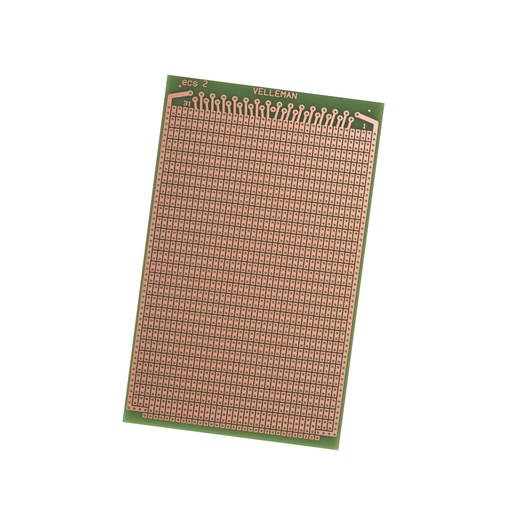
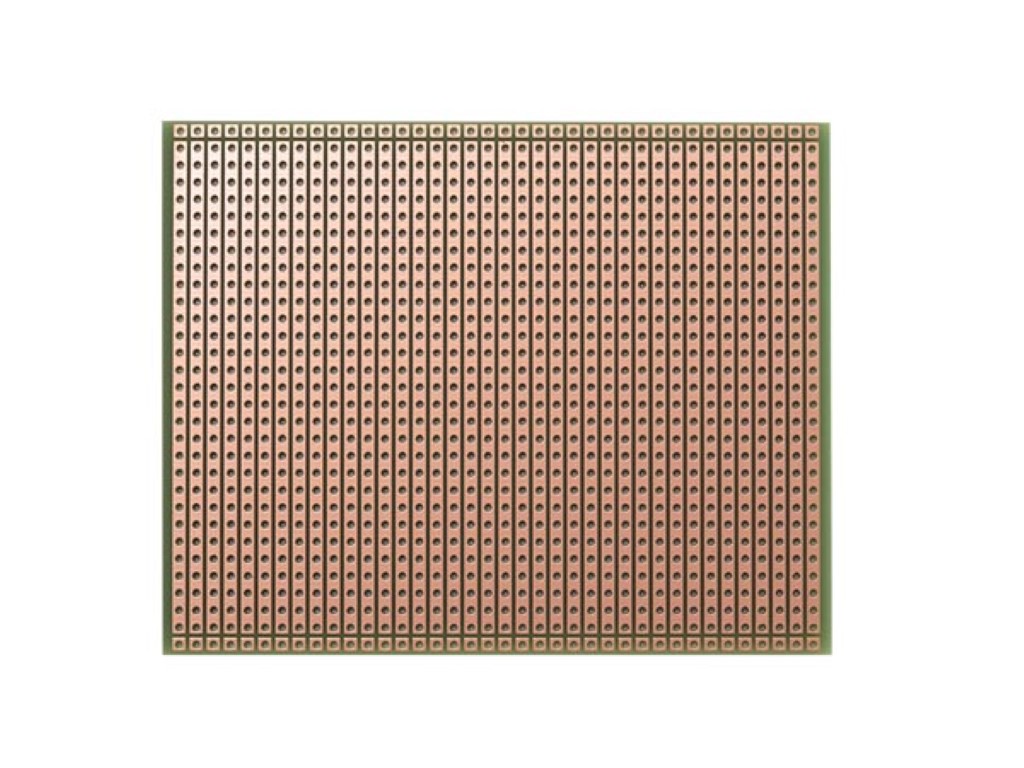
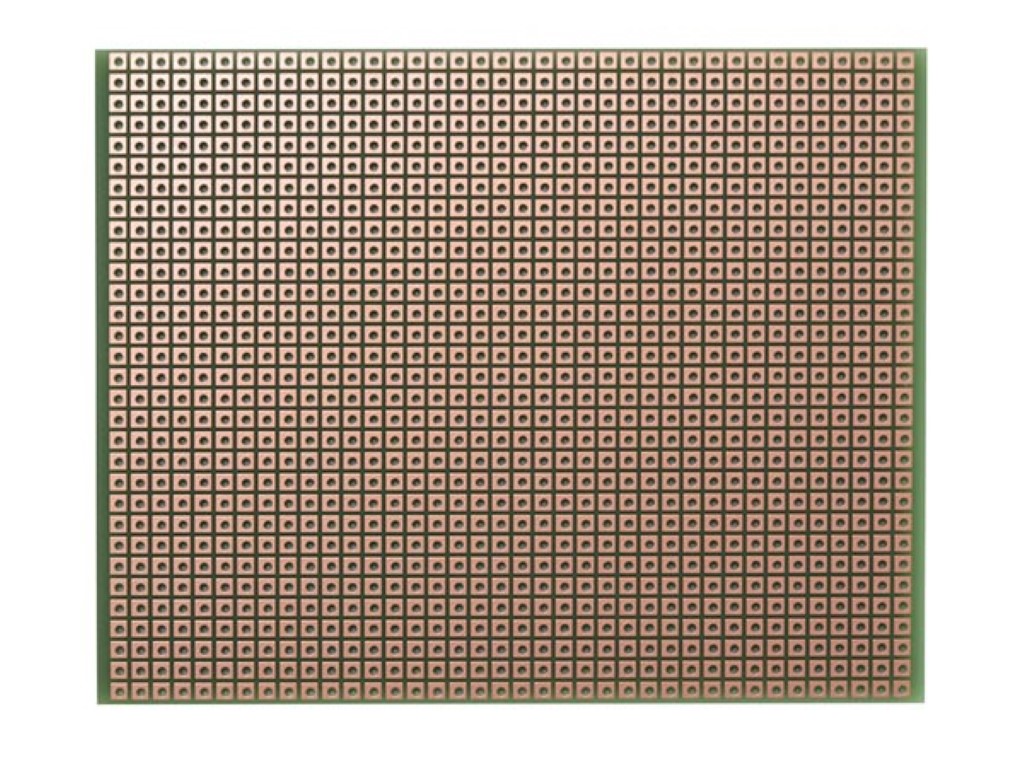
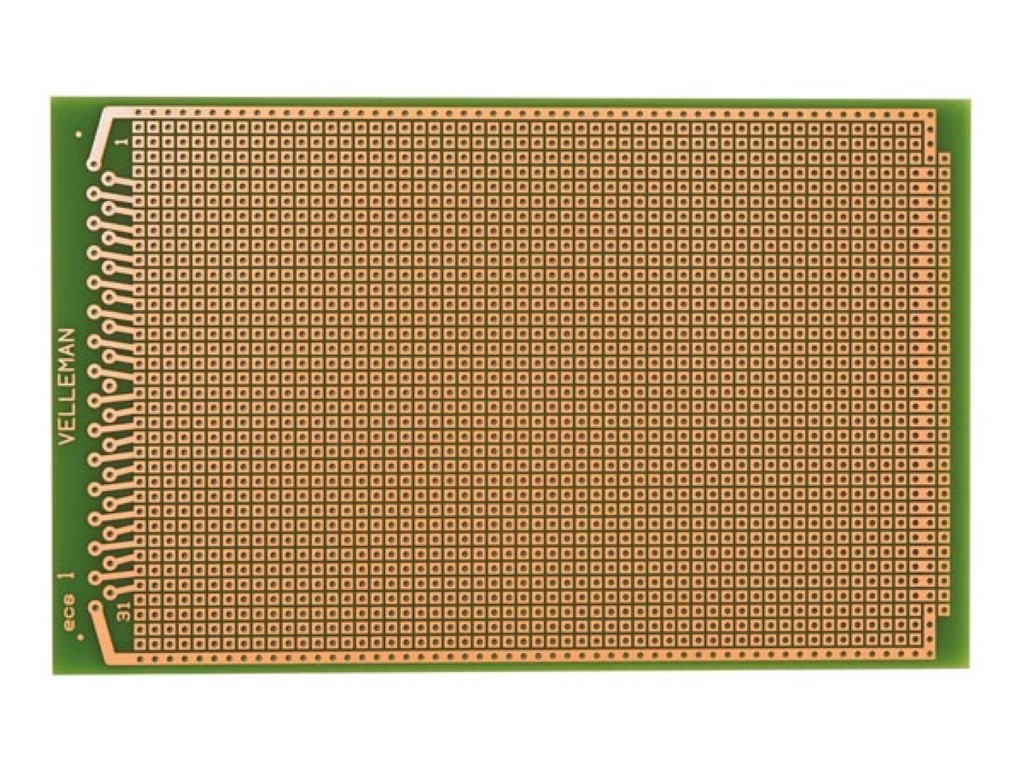
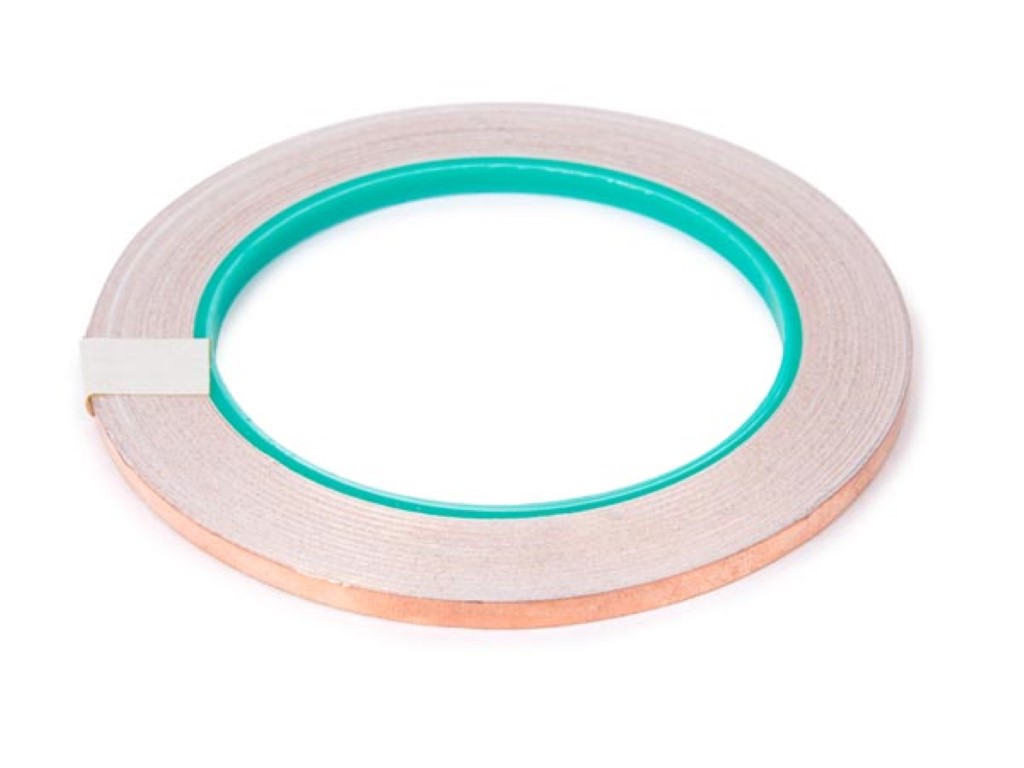
Move an experimental circuit onto a soldered board with perfboards and stripboards matched to your wiring plan. The selection includes FR4 Eurocards with individual copper islands, three-hole islands or continuous strips, in 100 x 80 mm and 100 x 160 mm formats, plus adhesive copper foil tape.
Choose the copper pattern first
Single-hole islands let you decide each connection separately. Three-hole islands group nearby contacts, while full strips provide longer shared tracks. Choose the pattern that follows your circuit most clearly: a convenient track can also create an unwanted connection if you overlook it.
Plan the permanent layout
Check component spacing, board dimensions and space inside the enclosure. Draw the copper-side connections before soldering, and check whether any strips must be cut or separate islands joined. Copper foil tape is a separate material for suitable custom conductive layouts; it is not a populated circuit board. Verify your finished connections before connecting power.
Frequently asked questions
Should I choose perfboard or stripboard for my circuit?
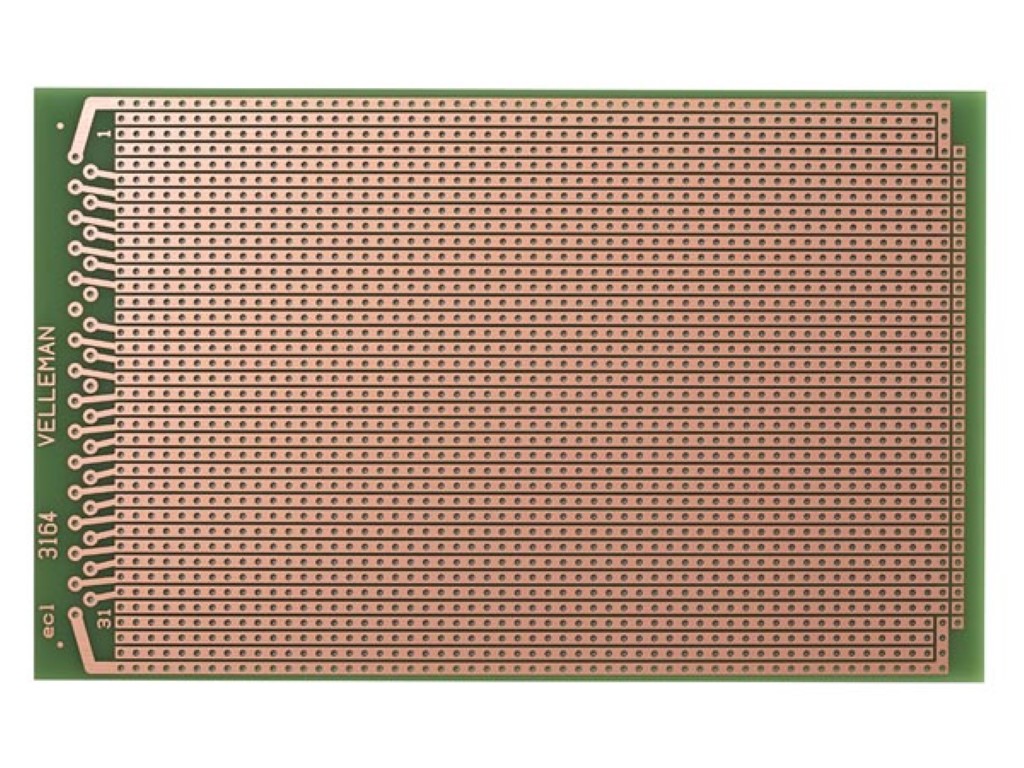
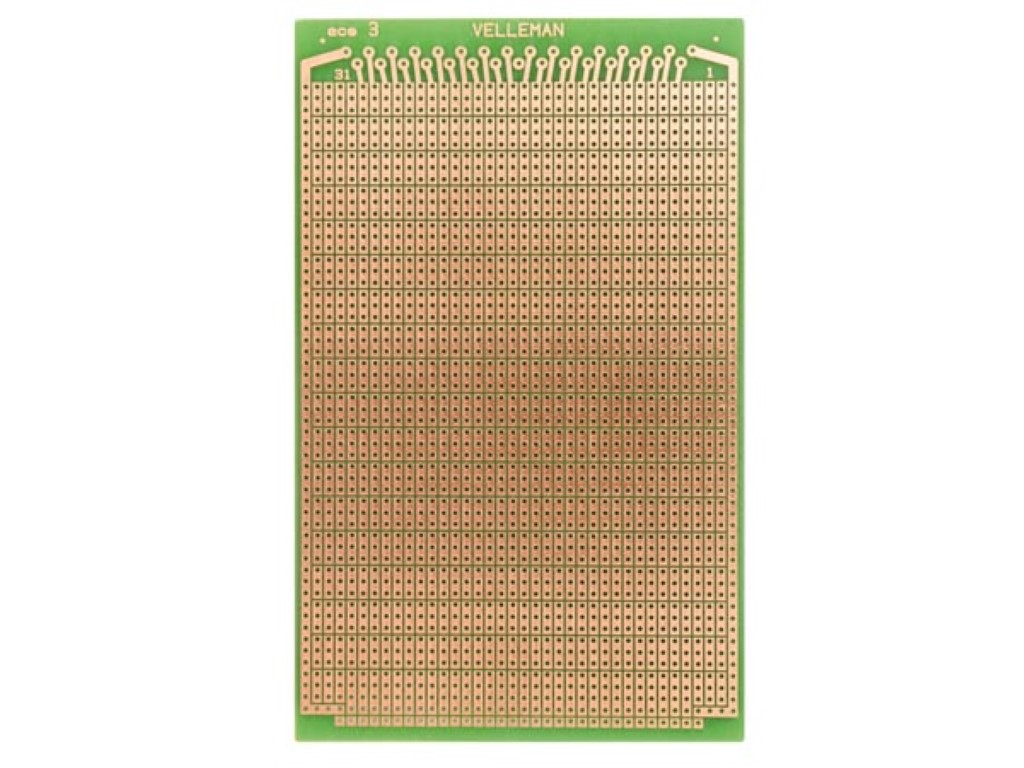
Perfboard with isolated pads gives freedom to route each connection yourself. Stripboard links holes along copper strips, which can simplify shared connections. Choose the pattern that best matches the tested circuit and your preferred wiring method.
What do one-hole, two-hole and three-hole islands mean?
They describe how many neighbouring holes share one copper pad group. An isolated hole needs its own connections; grouped holes provide small ready-linked sections. Select the layout before transferring the wiring from a breadboard.
Do I need to solder components onto these prototyping boards?
Yes. These boards are intended for soldered assembly, unlike a reusable solderless breadboard. Plan component placement, wire links and any required breaks in copper strips before soldering the circuit permanently.
How do I choose the right prototyping-board size?
Allow room for the components, connectors, mounting holes and access for soldering. Think about the final enclosure as well as the circuit. A slightly larger board can make construction and later inspection easier.
Can I copy a breadboard circuit directly onto stripboard?
The circuit can be transferred, but the connection pattern is different. Draw the new layout and identify required links and track breaks first. Check continuity and unintended connections before powering the completed assembly.