Breadboards
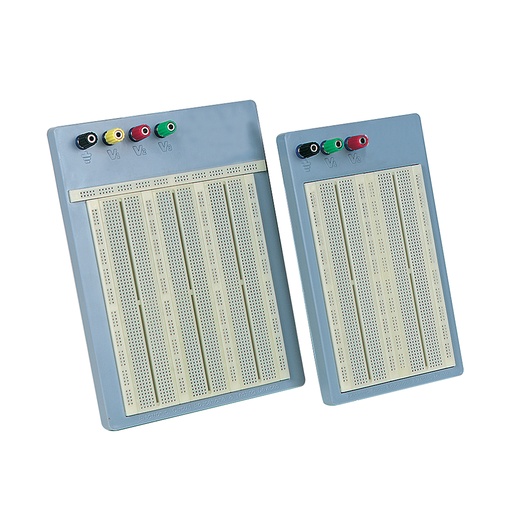
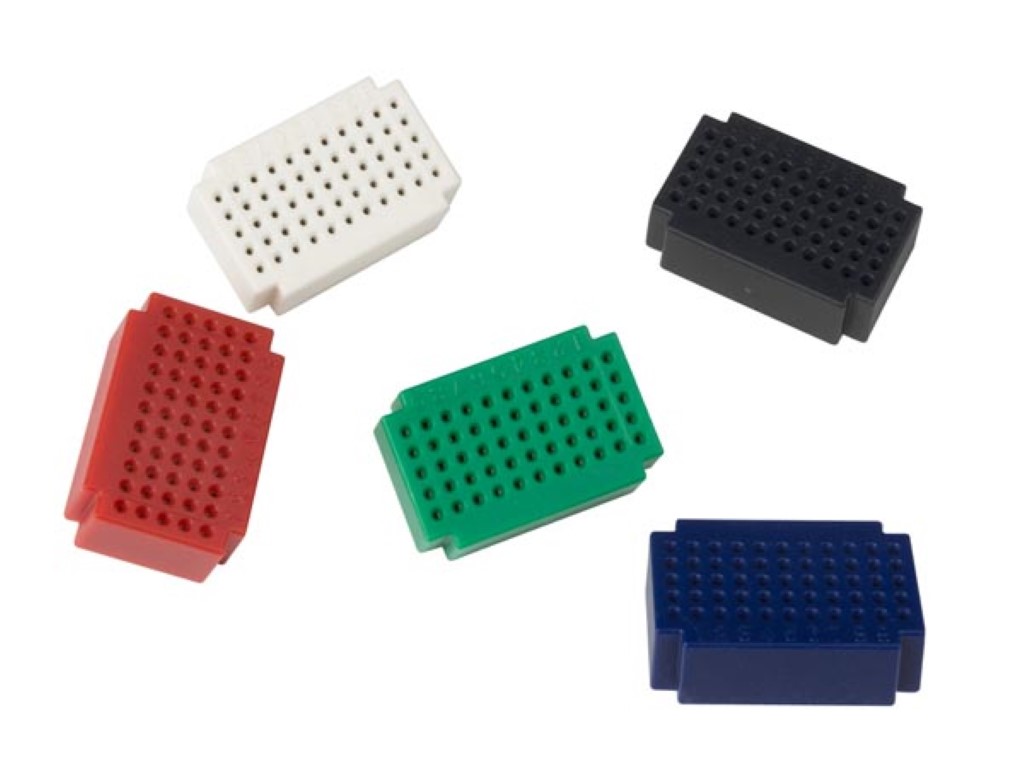
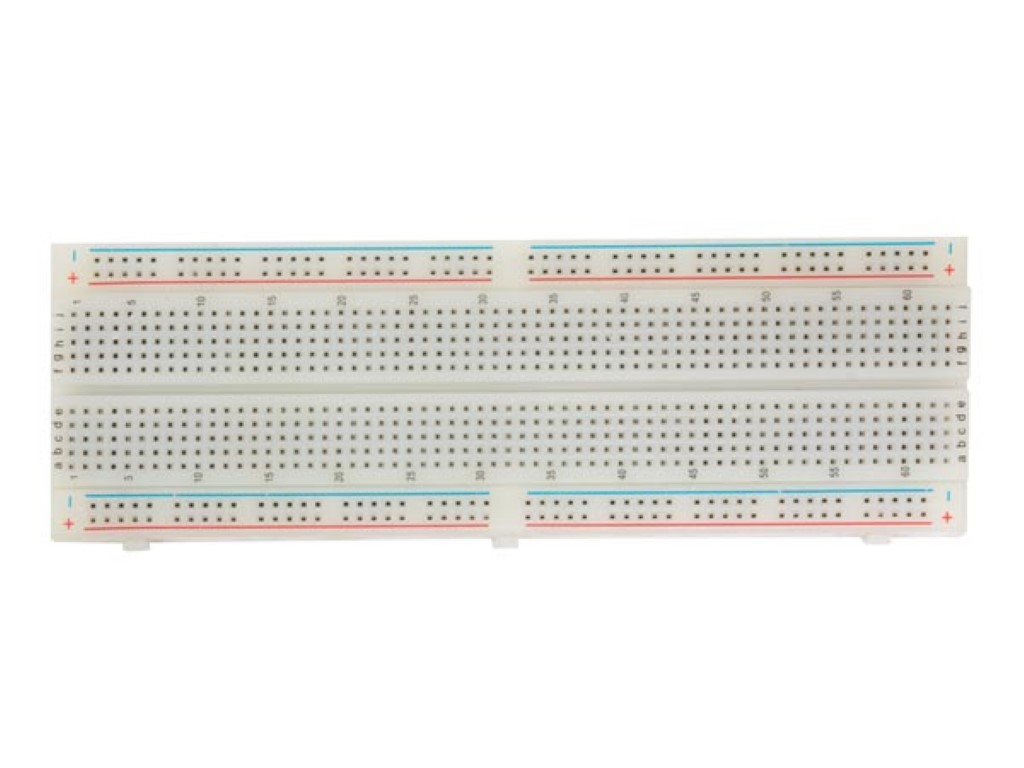
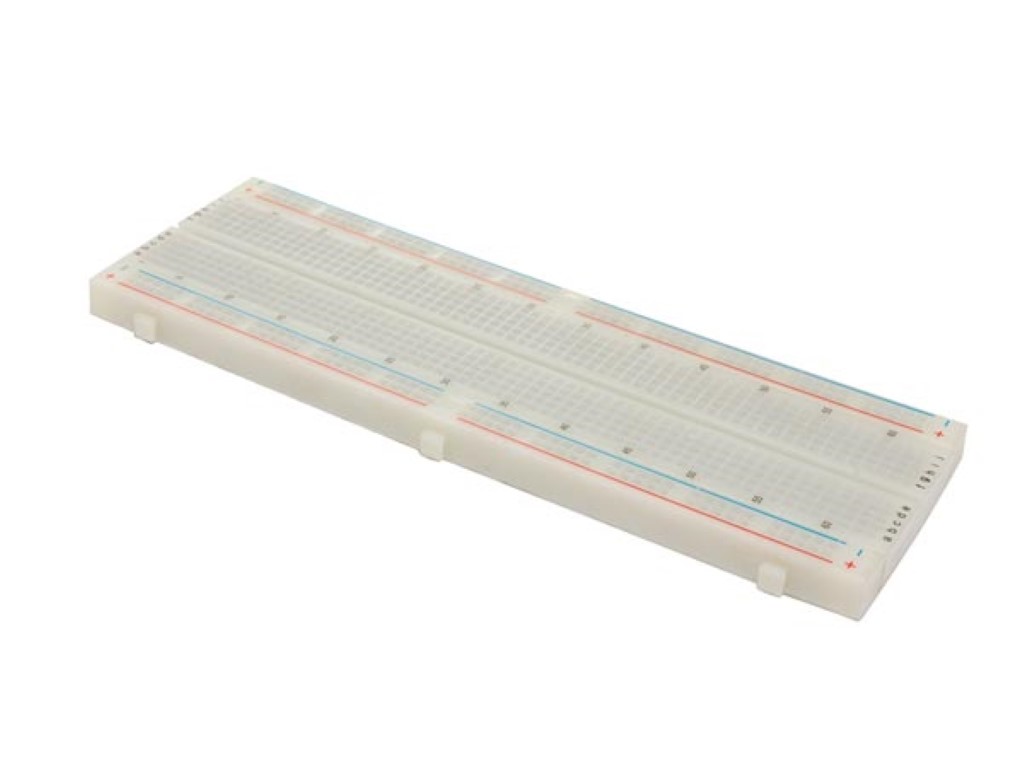
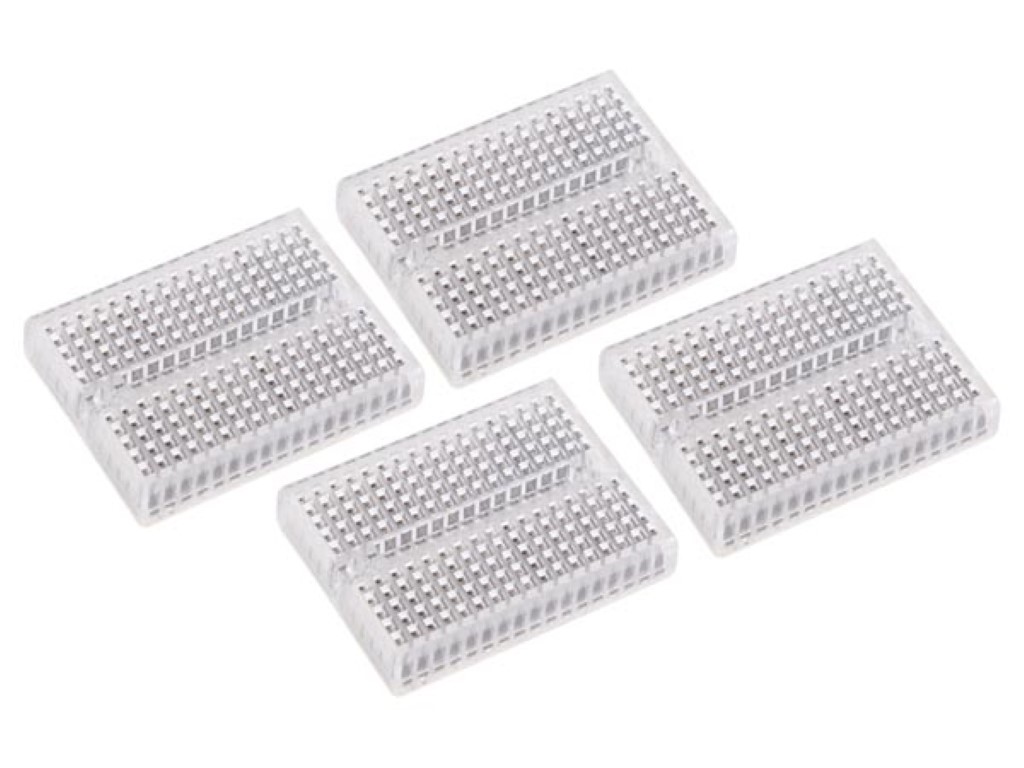
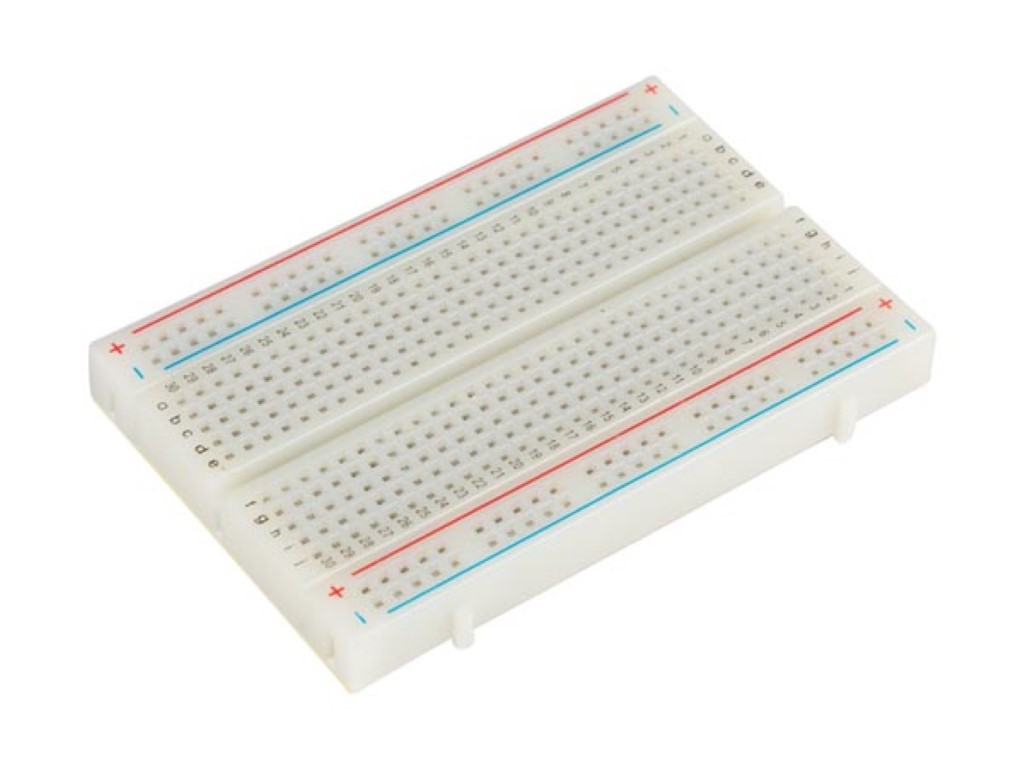
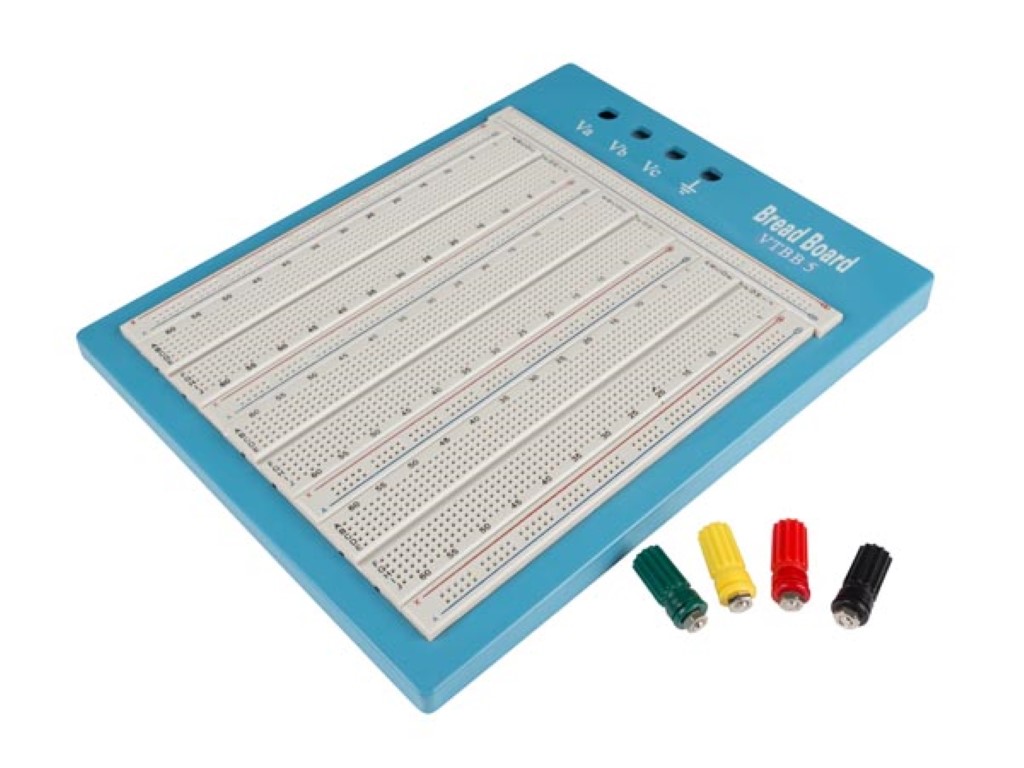
Build and adjust electronic circuits without soldering with a reusable breadboard. Choose from mini boards for a small sensor circuit, 400- and 830-point boards for everyday experiments, or larger 1680- and 2420-point layouts when your prototype needs more space for components and wiring.
Match the layout to your circuit
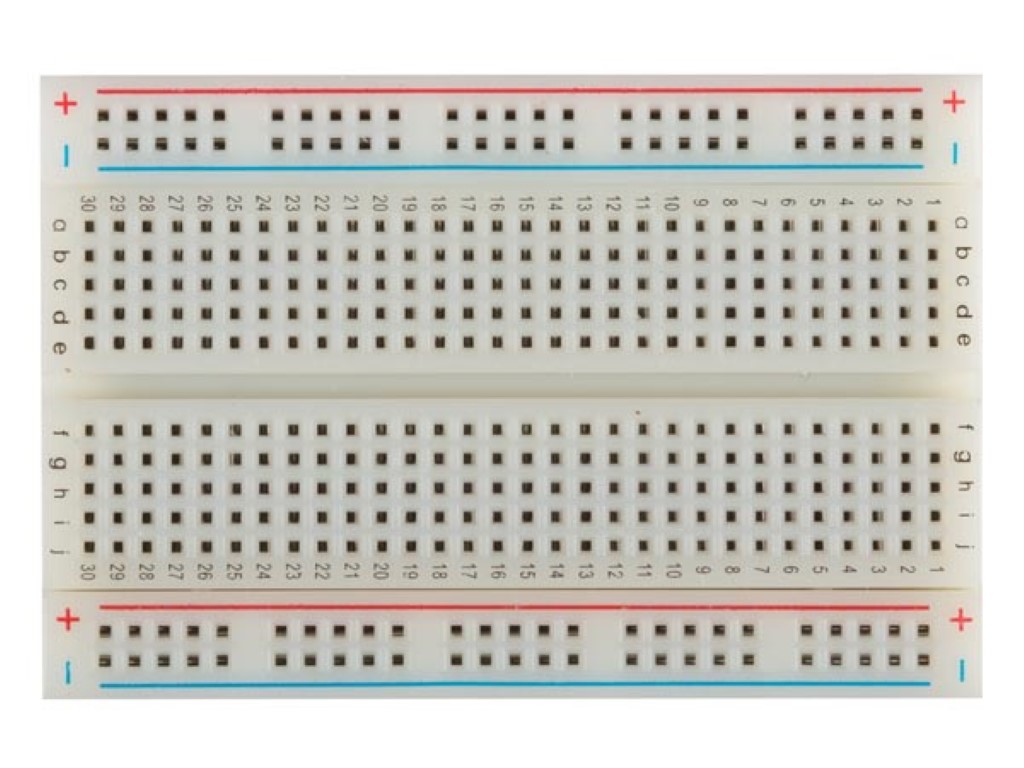
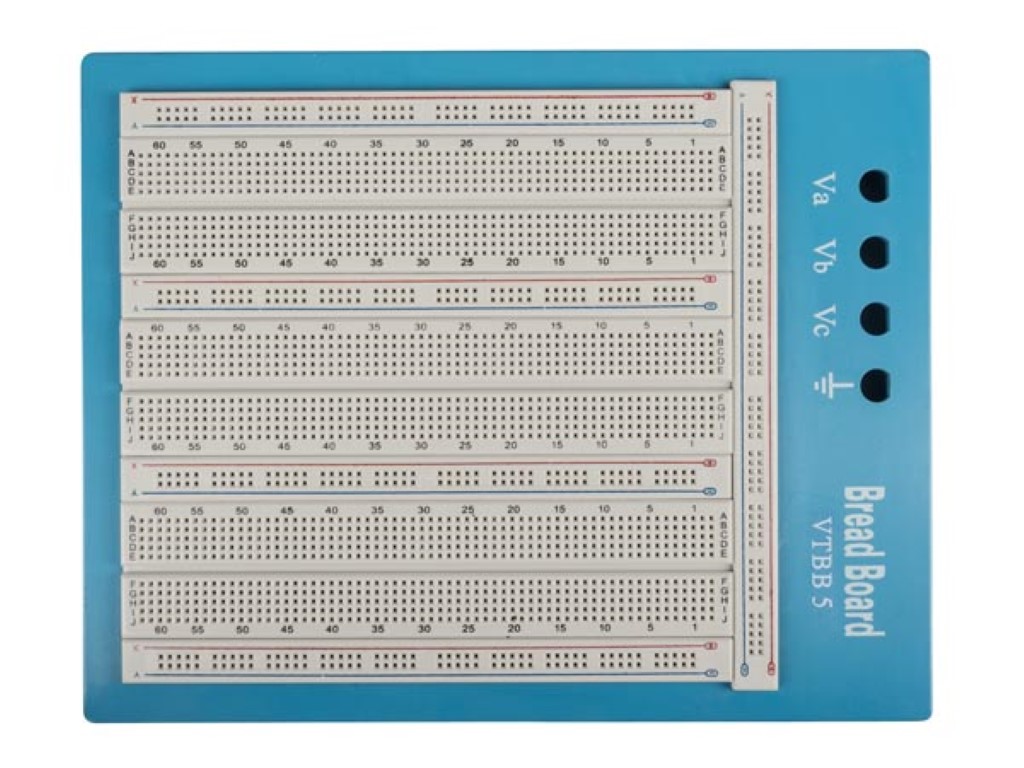
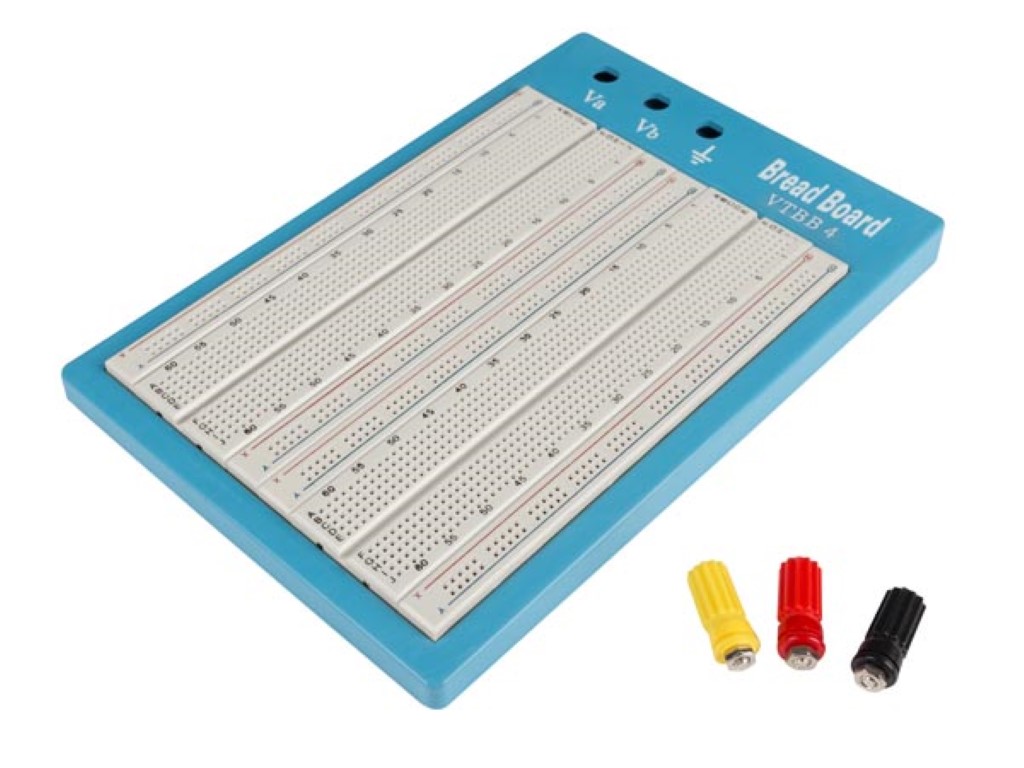
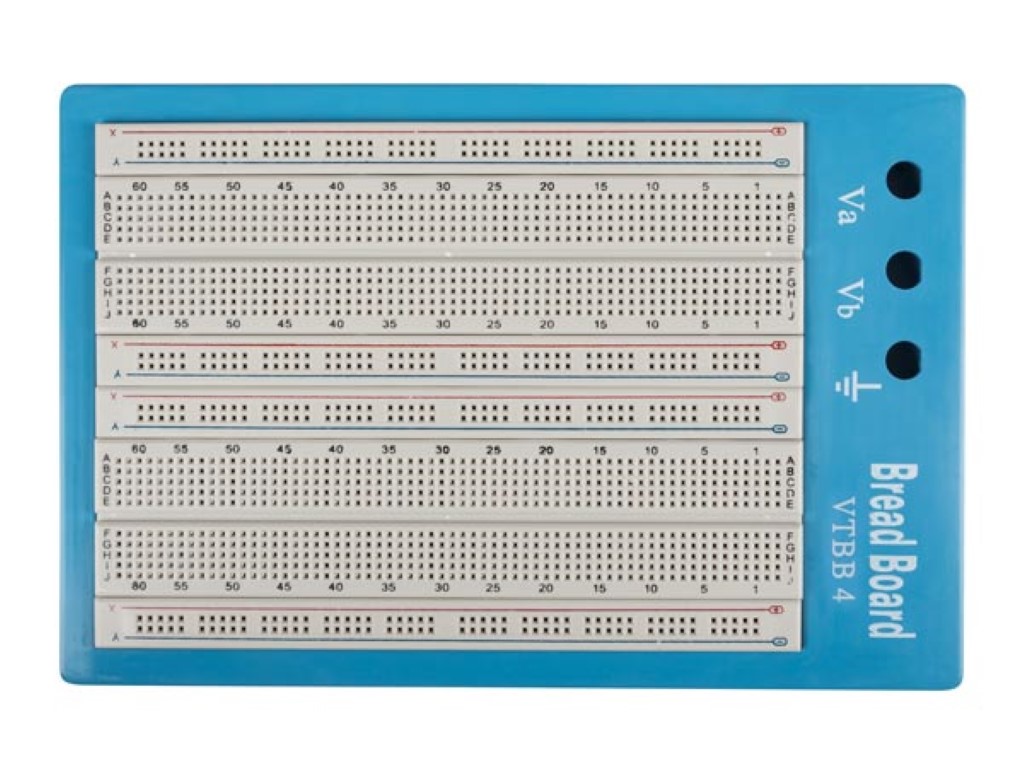
The number of tie-points tells you how much connection space is available, but the arrangement matters too. Check the component area, power rails and overall dimensions before choosing. Leave room to identify wires and reach individual parts; a crowded board makes changes and fault finding harder.
Plan the connections
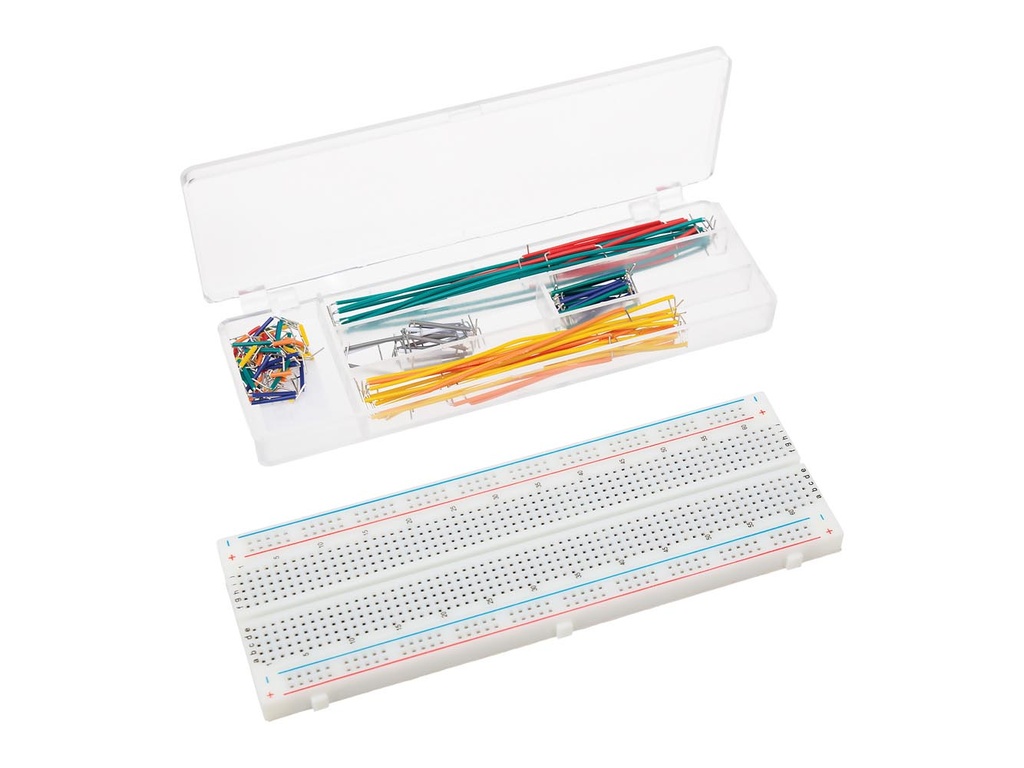
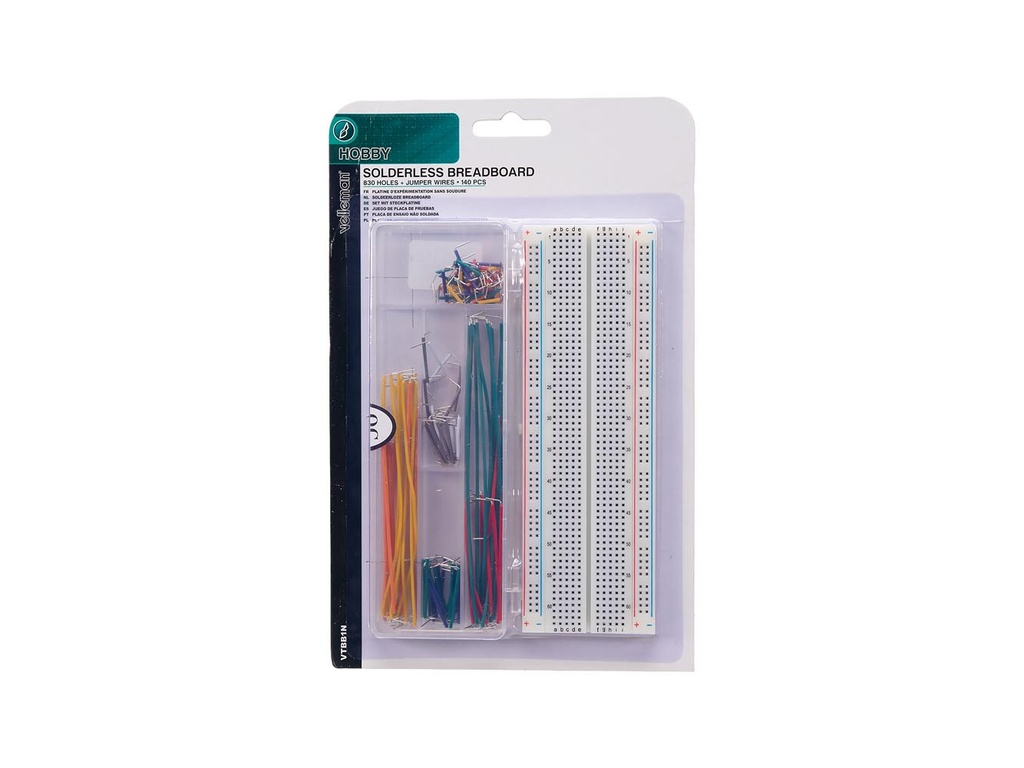
Mini breadboard sets suit separate small assemblies, while larger boards keep a more extensive circuit together. The VTBB1N combines an 830-point breadboard with 140 jumper wires. Check what is included with other boards, and follow their voltage and current limits. Confirm which contact rows and supply rails are internally connected before applying power.
Frequently asked questions
Which breadboard size should I choose?
Choose enough space for the components, connecting wires and any development-board footprint. A small board suits a compact experiment; a larger board leaves room for expansion and clearer wiring. Count usable connection points rather than dimensions alone.
How are the holes in a solderless breadboard connected?
Groups of holes share internal metal contacts. The component area and power rails are arranged differently, and some rails are split. Understand the layout before wiring; neighbouring holes are not necessarily connected in the way they appear.
What wires work well with a breadboard?
Use jumper wires or suitable solid-core wire that fits the contacts. Male ends plug into the board; female ends connect to header pins. Choose lengths that keep the circuit readable and avoid forcing oversized leads into the contacts.
What is the difference between a breadboard and perfboard?
A breadboard holds parts through reusable spring contacts, so no soldering is needed. Perfboard uses soldered connections for a more permanent assembly. Use a breadboard to test ideas and a soldered board when the design is settled.
Are jumper wires included with a breadboard?
That depends on the product. Some breadboards are sold alone, while sets such as VTBB1N include jumpers. Compare the contents as well as the number of contacts so you have the connections needed to start building.