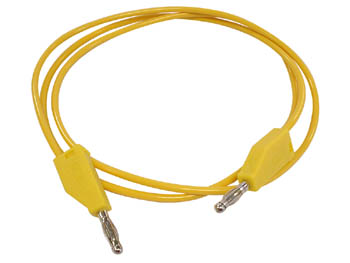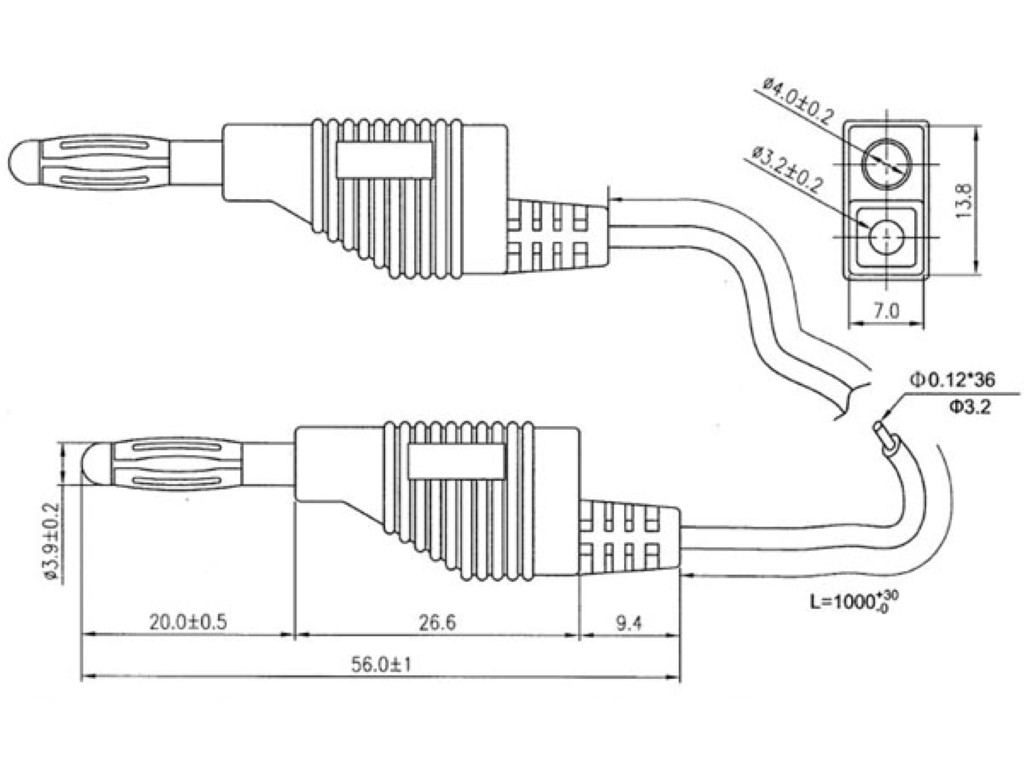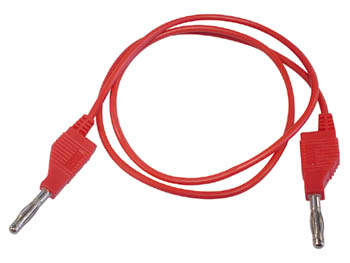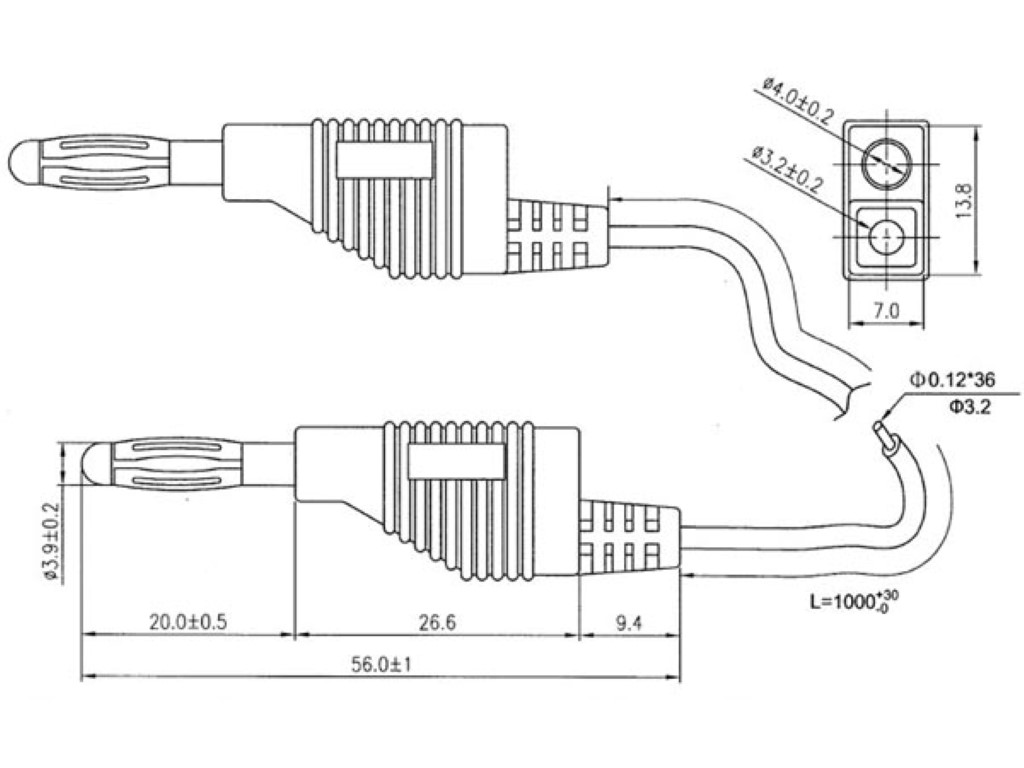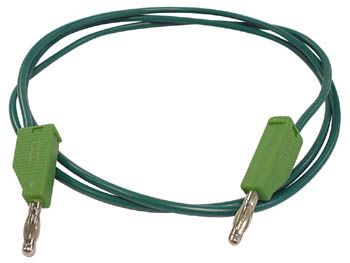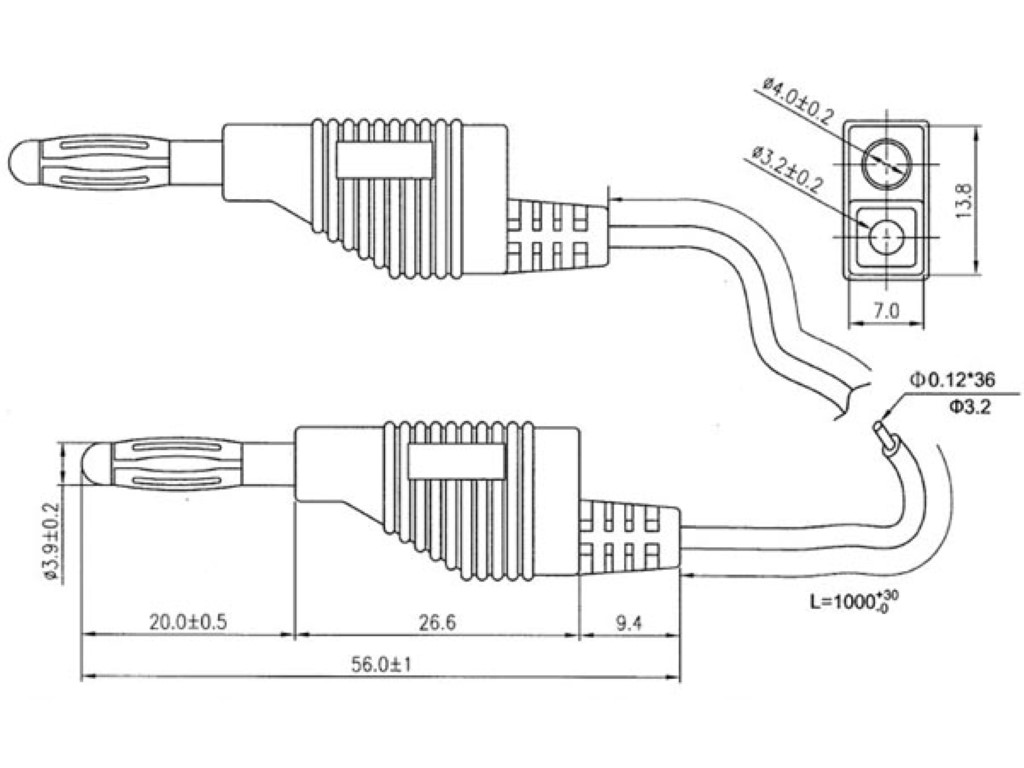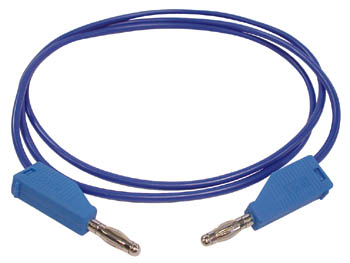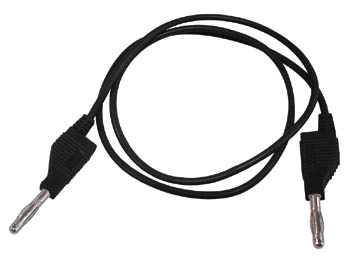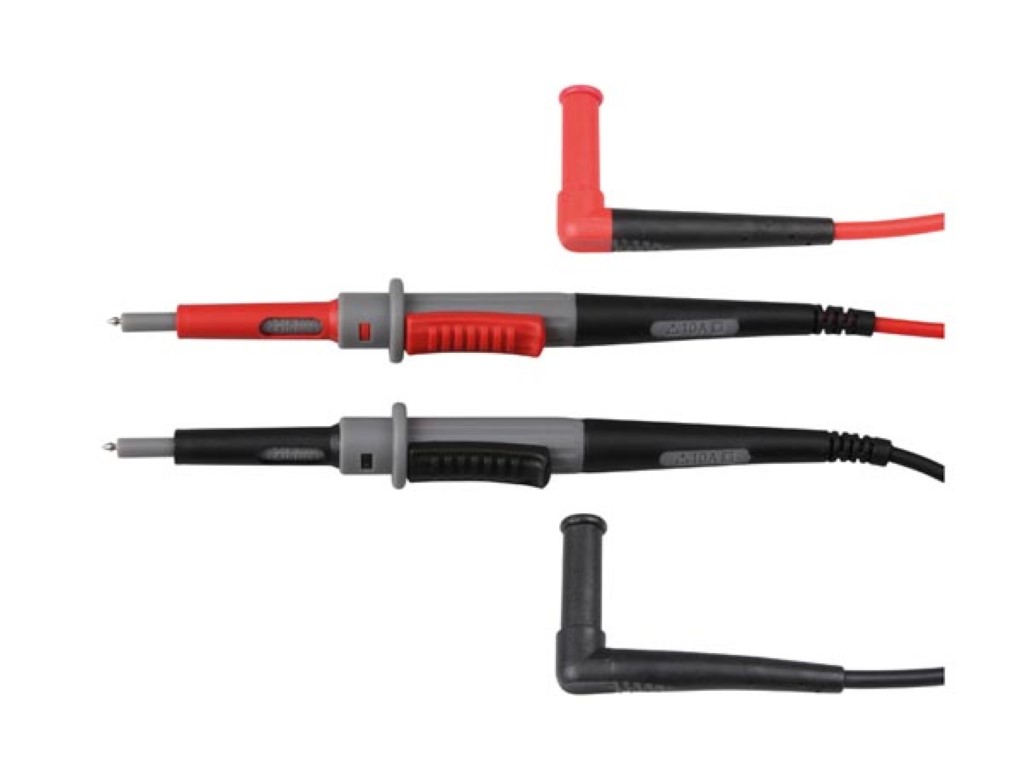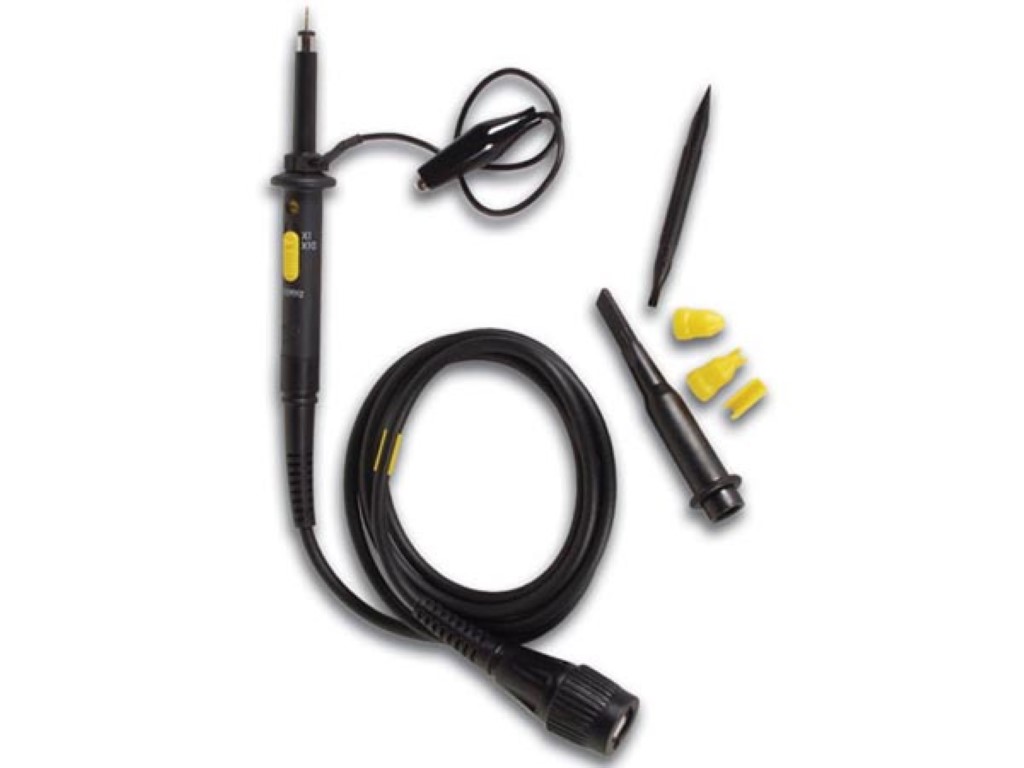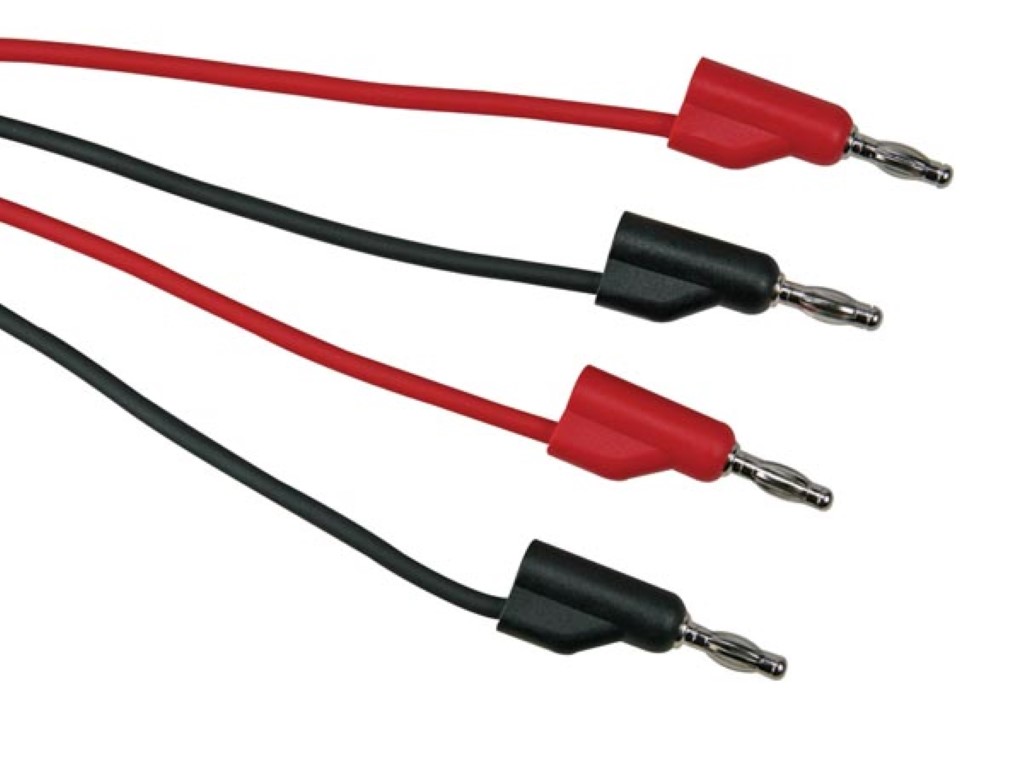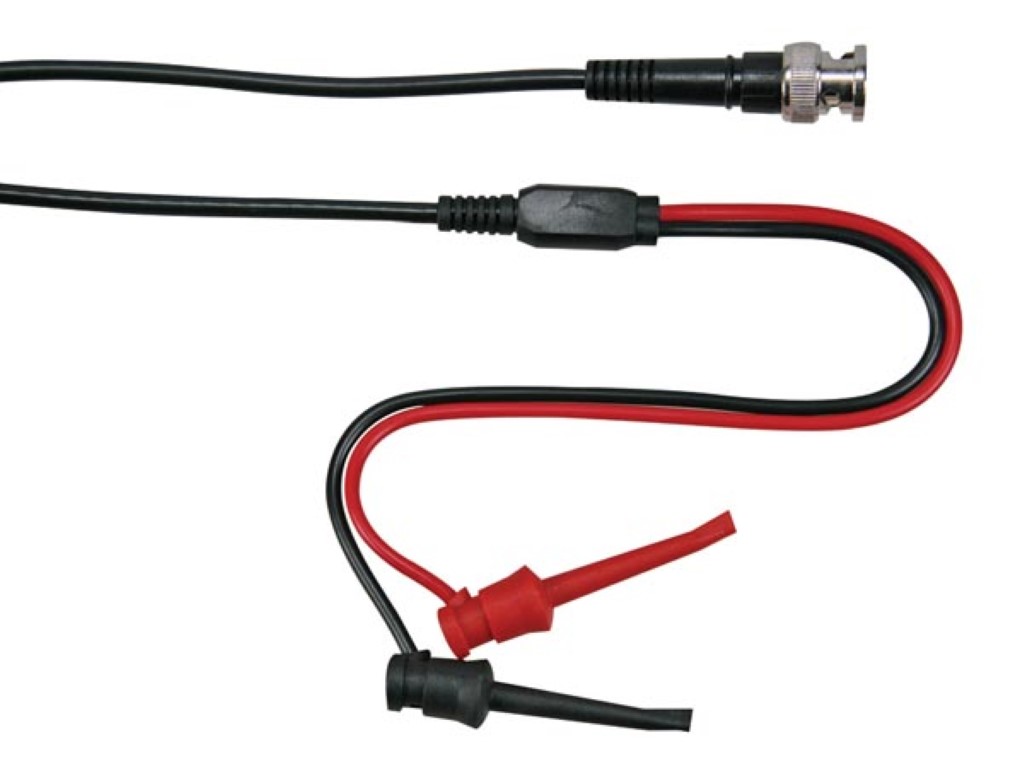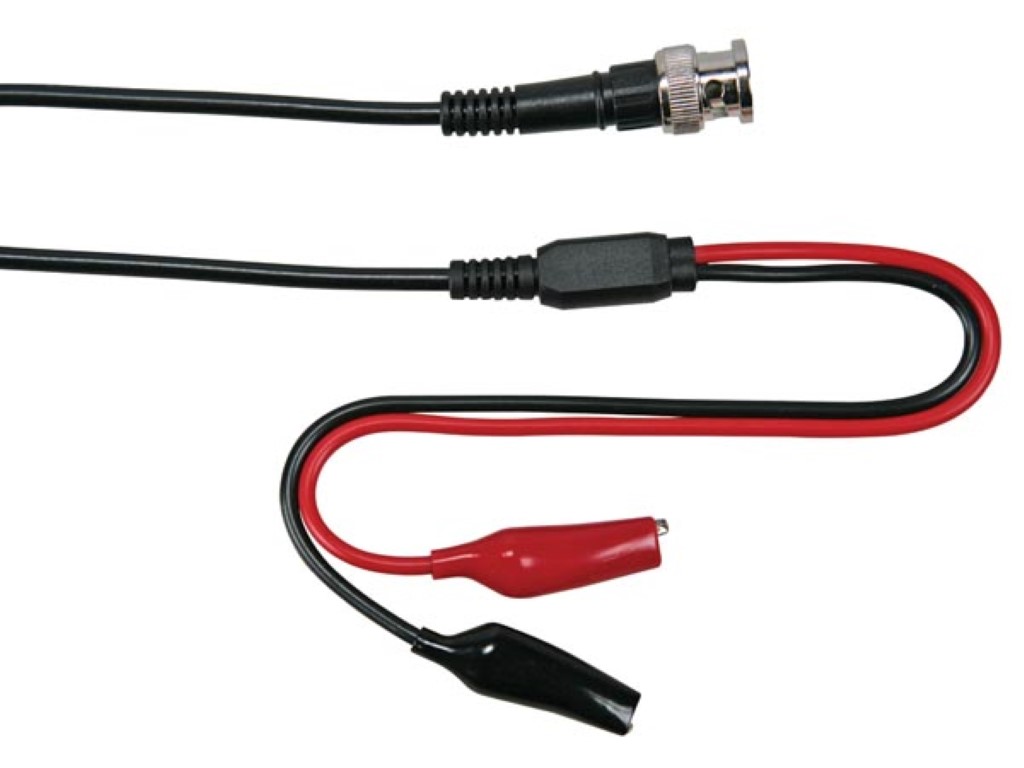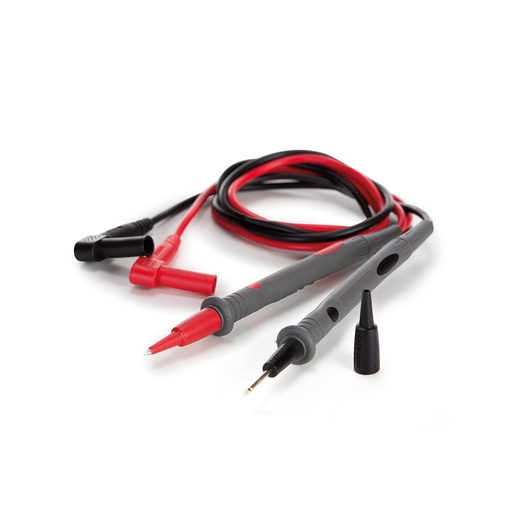
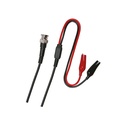
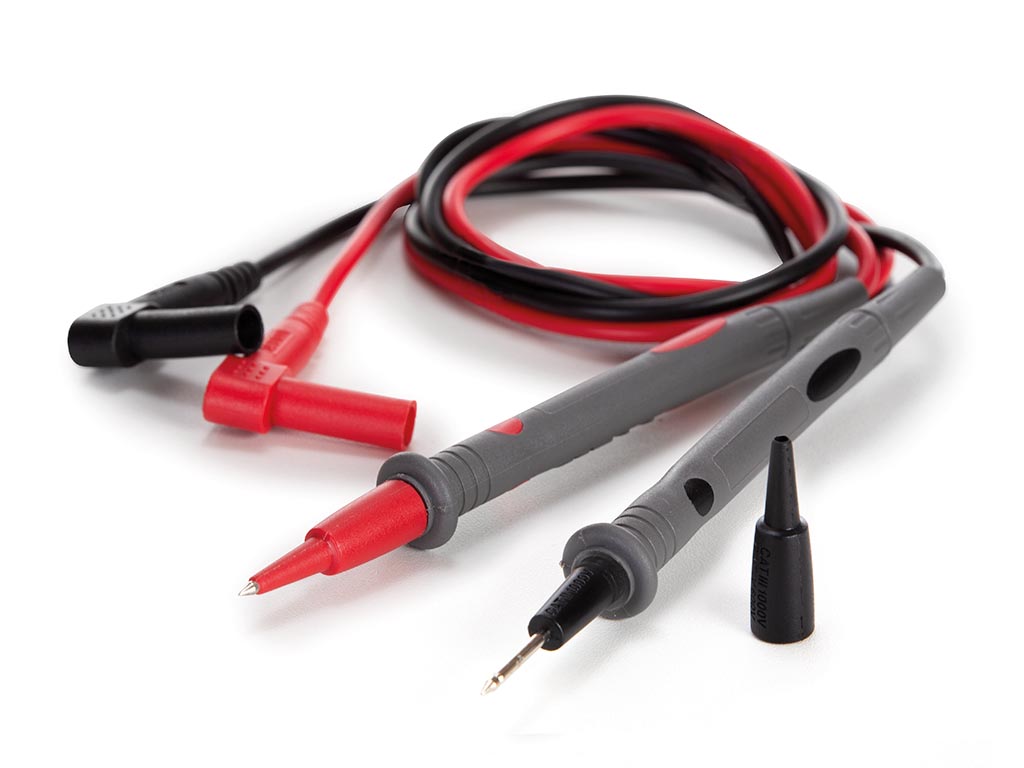
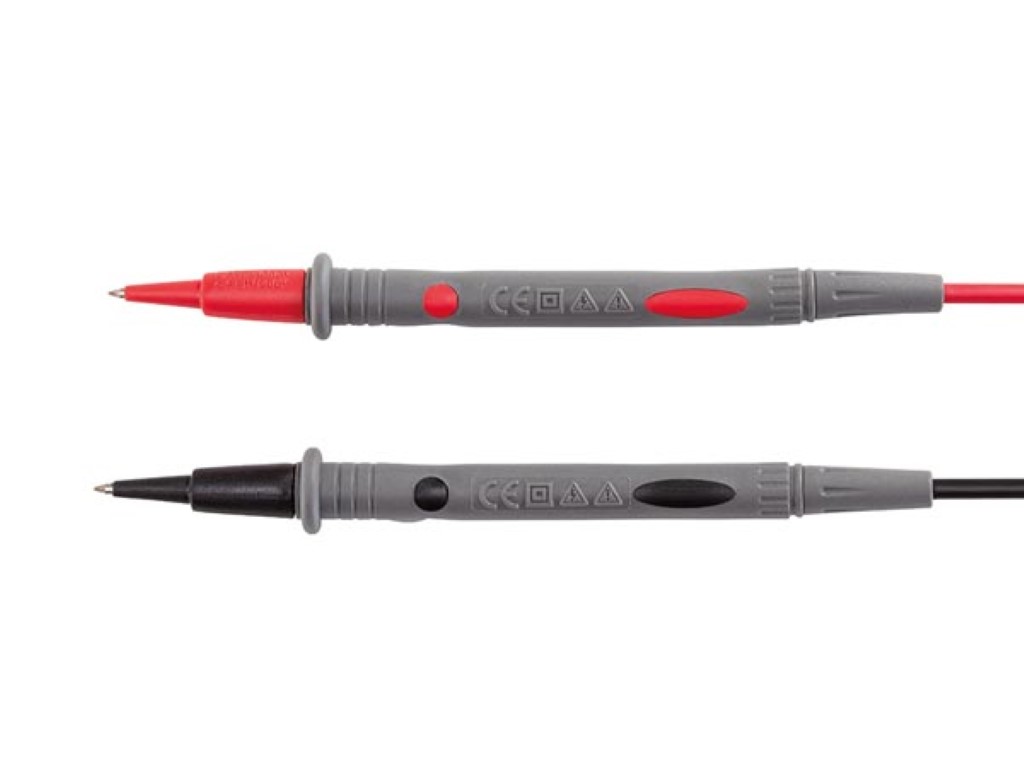
Connect your measuring instrument to the test point with leads suited to both ends of the job. This range covers ready-made banana-plug leads, pointed test-lead sets and BNC cables ending in crocodile or miniature hook clips. The right connection helps you reach the circuit without improvising an unsuitable adapter.
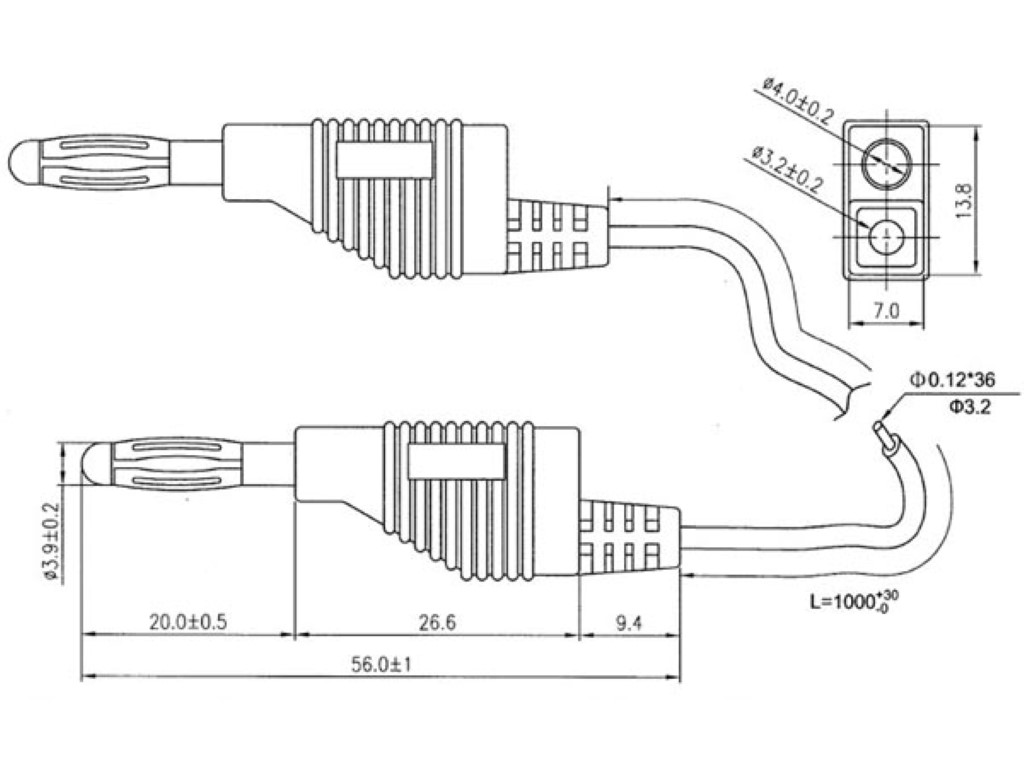
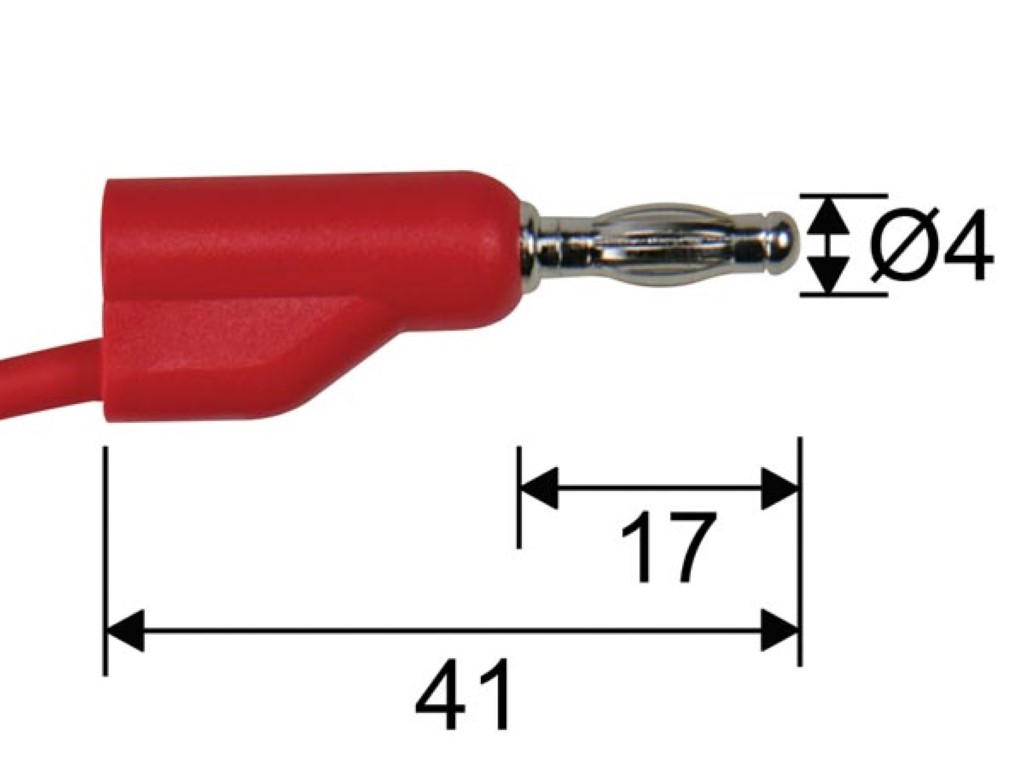
Start with the instrument socket: 4 mm banana and BNC connections serve different equipment. Then choose how to contact the circuit. Pointed probes suit temporary contact, while clips can remain attached to an accessible conductor. Compare lead length and flexibility with the space on your bench and the distance to the test point.
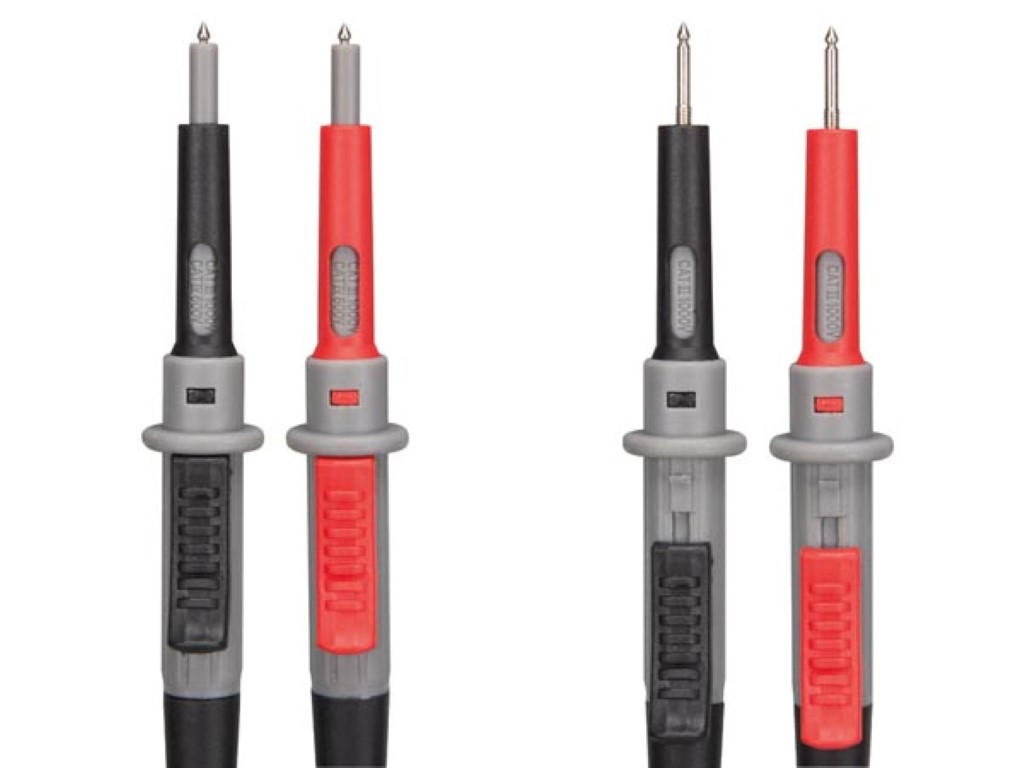
Check the complete lead's voltage, current and measurement-category specifications where applicable. A matching plug diameter does not make every lead suitable for the same measurement. The allowable setup depends on the instrument, lead and attached accessories together. For loose plugs, couplings or clips to assemble your own connection, use the testing connectors category.
Start with the instrument connection and the contact you need at the circuit: banana plug, probe, crocodile clip or hook. Then compare lead length, current and voltage limits, and the required measurement category. Matching plugs alone are not sufficient.
Probe tips are useful for briefly touching a measuring point. Crocodile clips or hooks hold a suitable contact for repeated observations. Choose a contact that grips securely without bridging neighbouring conductors, with insulation appropriate to the measurement.
No. Some bench leads are specified only for low voltages. For mains measurements, use an appropriately rated instrument and a complete lead-and-probe assembly with the required voltage and CAT rating. The lowest-rated component limits the setup.
Choose enough length to position the instrument comfortably without pulling on connections. Shorter leads help keep a small bench tidy; longer leads offer more reach. Avoid unnecessary loops, especially when measuring low-level or rapidly changing signals.
No. A BNC cable with clips provides a connection but does not necessarily provide probe attenuation, compensation or the required bandwidth. For waveform measurements, match the probe or cable to the oscilloscope input and the signal being measured.