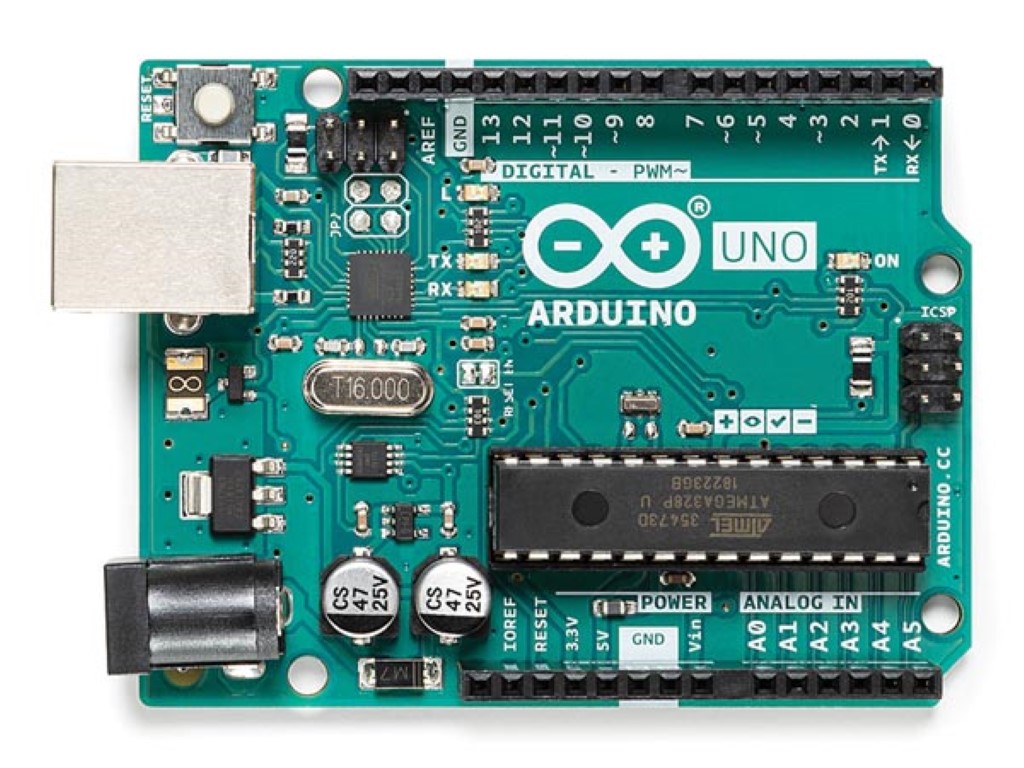
23.10 €
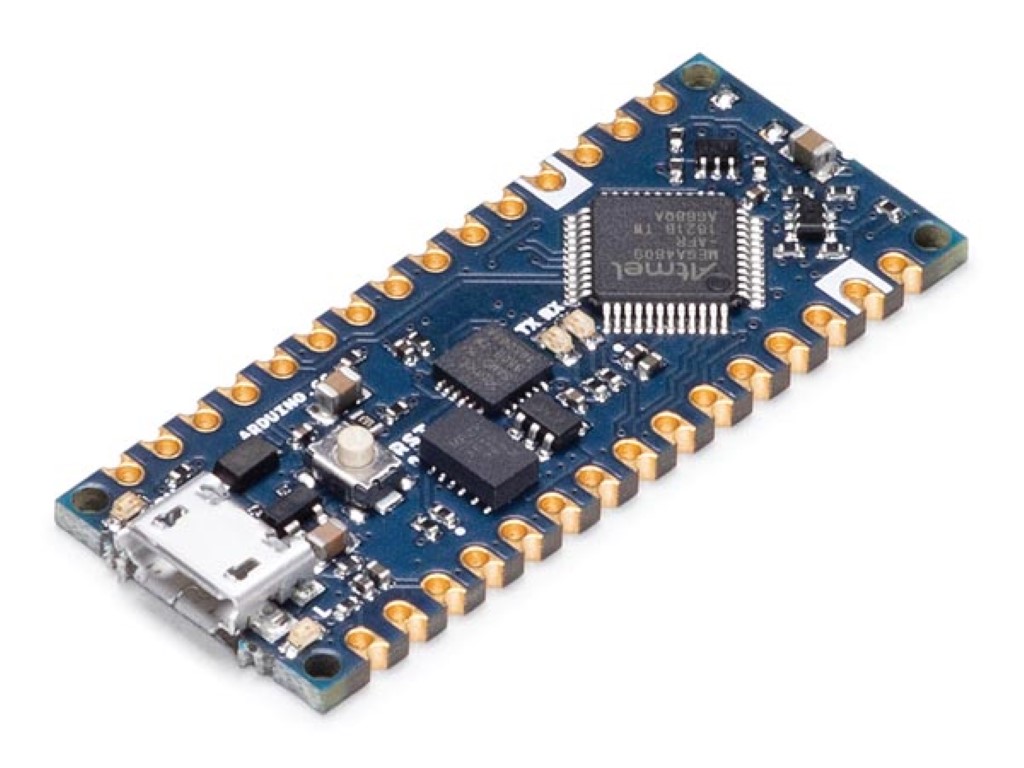
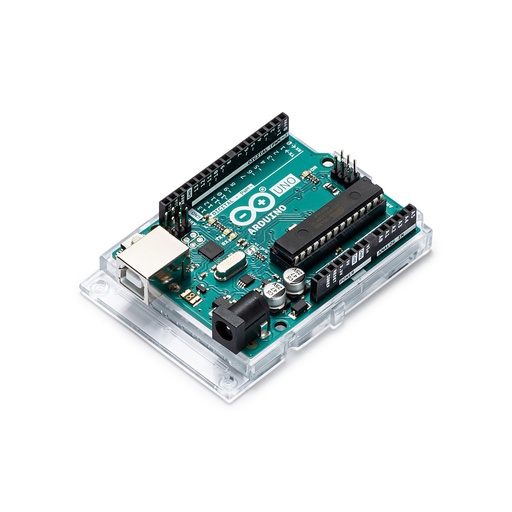
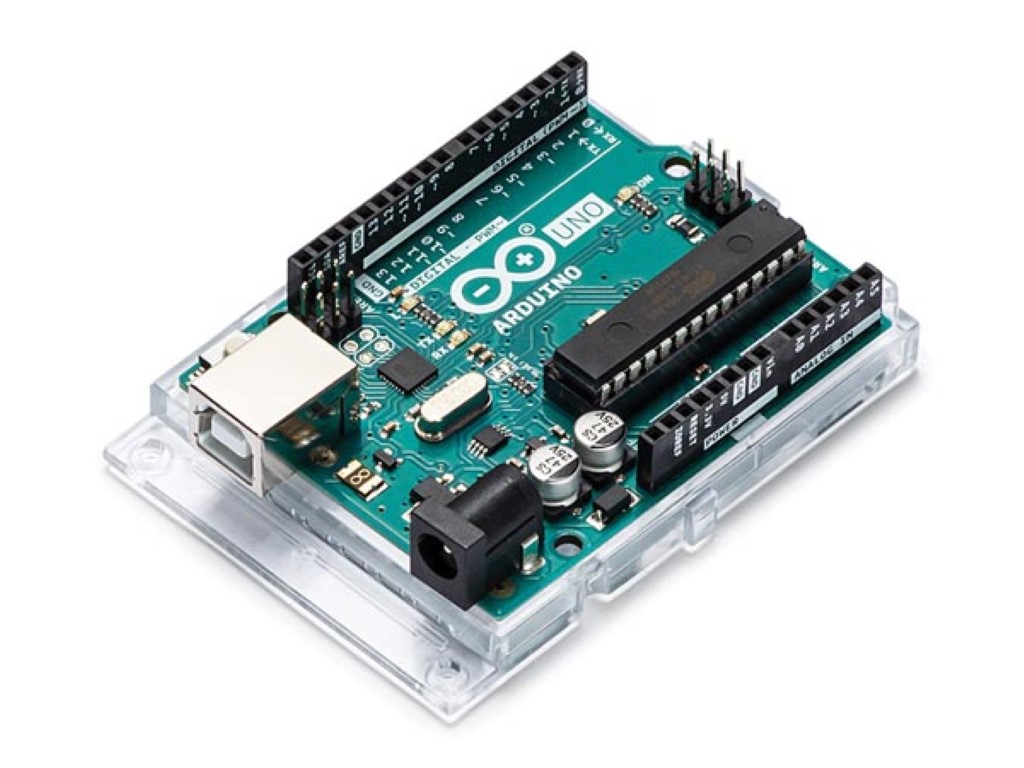
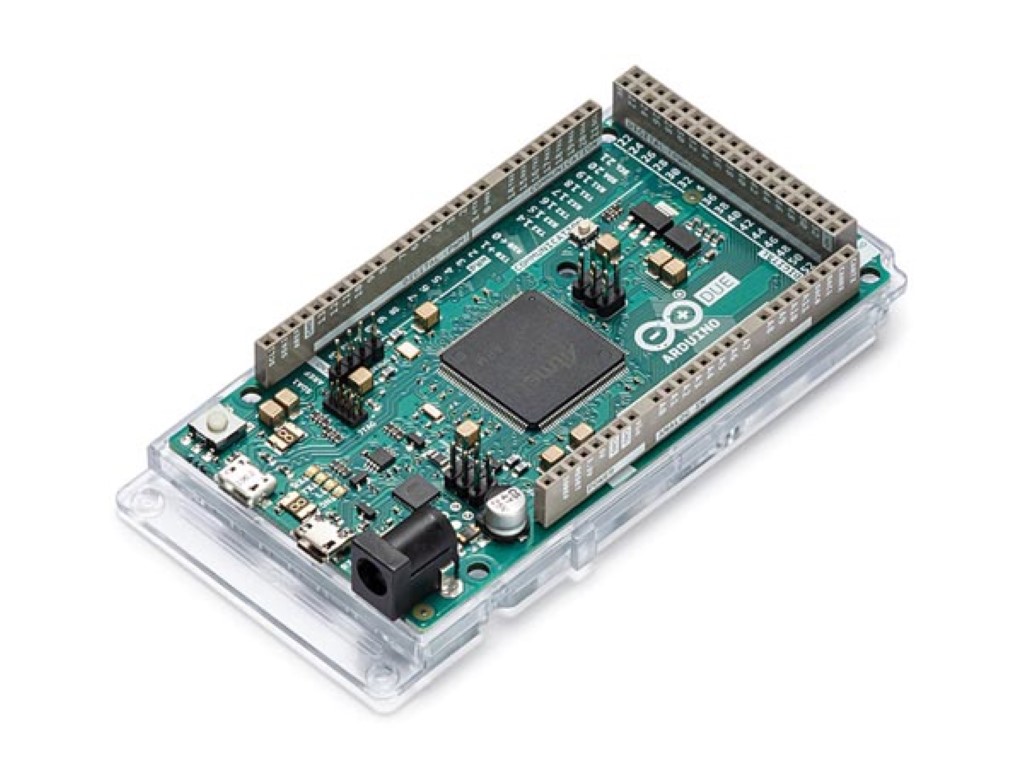
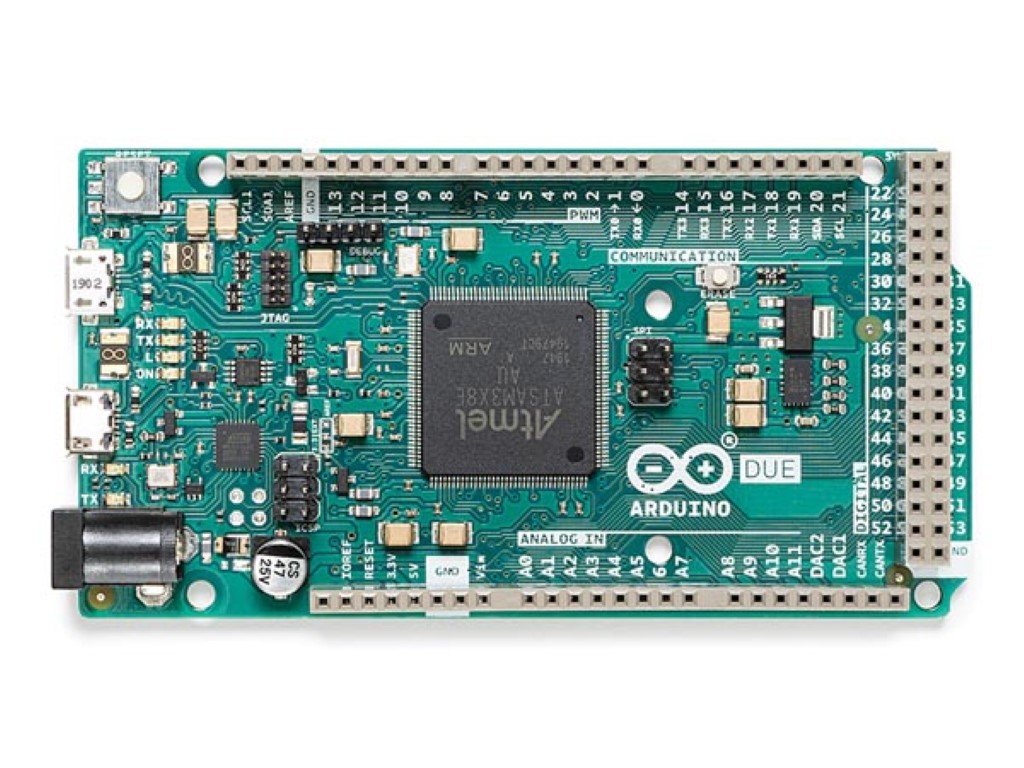
Build your project around an original Arduino development board and choose the format that fits your circuit. This selection brings together the UNO Rev3, the Nano Every without headers and the Due, offering distinct options for learning, compact integration and projects with more connections.
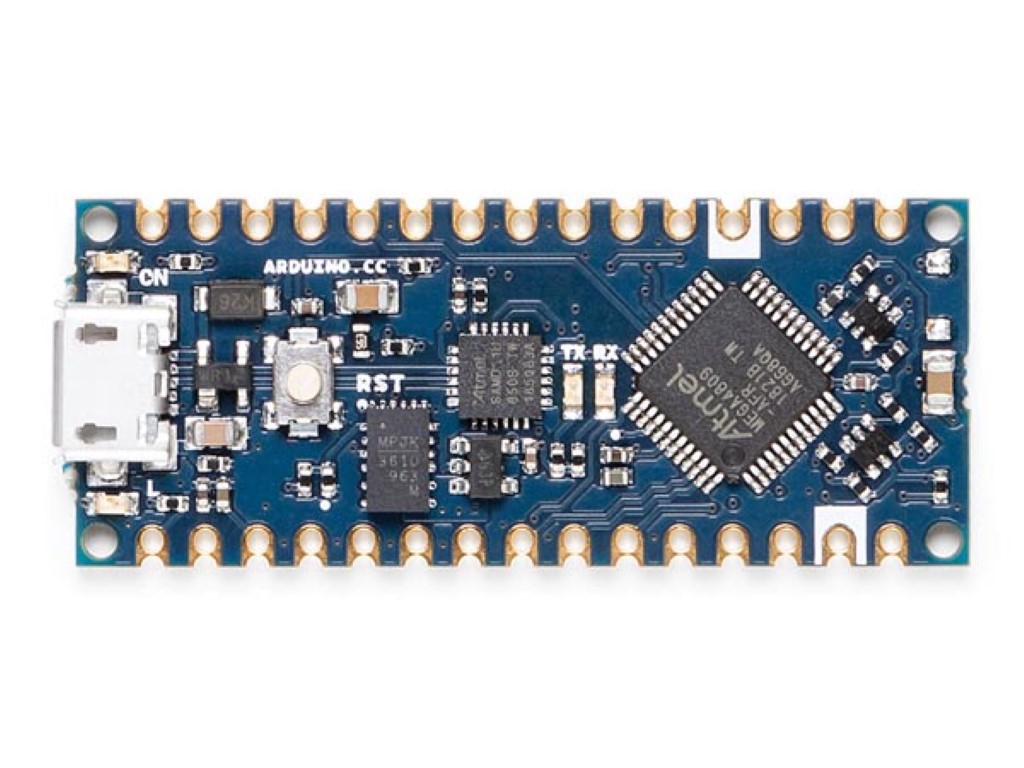
The UNO Rev3 offers the familiar UNO layout for experiments and shields. The Nano Every saves space, but this version is supplied without headers: plan how you will connect it to a breadboard or your own board. Its processor also differs from the classic Nano, so check libraries and code that depend on a specific microcontroller.
The Due uses a 32-bit ARM processor and provides more I/O connections. Its I/O pins operate at 3.3 V and must not receive 5 V signals. Check sensor voltages and shield requirements carefully.
Check the USB connector, power requirements, pinout and supported software before ordering accessories. Board dimensions alone do not establish electrical compatibility. Select your breadboard, connection wires and modules around the exact Arduino model you choose.
Choose an Uno for a familiar starting format, a Mega for more connections or a Nano for compact construction. If wireless connectivity matters, compare models with that function explicitly listed. Match the board to your project rather than size alone.
A board provides the programmable controller. A Starter Kit adds components and learning material for guided projects. Choose a kit when you want a learning package, or a board when you already have the parts and a project plan.
No. Pin layout, logic voltage, processor and supported peripherals vary. A circuit designed for one model may need changes on another. Compare the exact board documentation before reusing shields, sensors or an existing wiring layout.
Pre-fitted headers make plug-in wiring easier when they match your setup. A board without headers lets you choose its final connection arrangement but normally adds a soldering step. Decide according to the way you plan to mount and connect it.
It may, but a newer model can use a different processor and board support package. Check the libraries, pin assignments and hardware-specific code. Mechanical similarity between generations does not guarantee identical software behaviour.