24.75 €
Prepare for assembly, repairs and careful finishing with tools chosen around the work you actually do. Choose from hand tools for electronics, cable preparation and small mechanical jobs, alongside magnifiers, pick-up tools and watch-case tools. Build a useful kit by starting with the operations you repeat most.
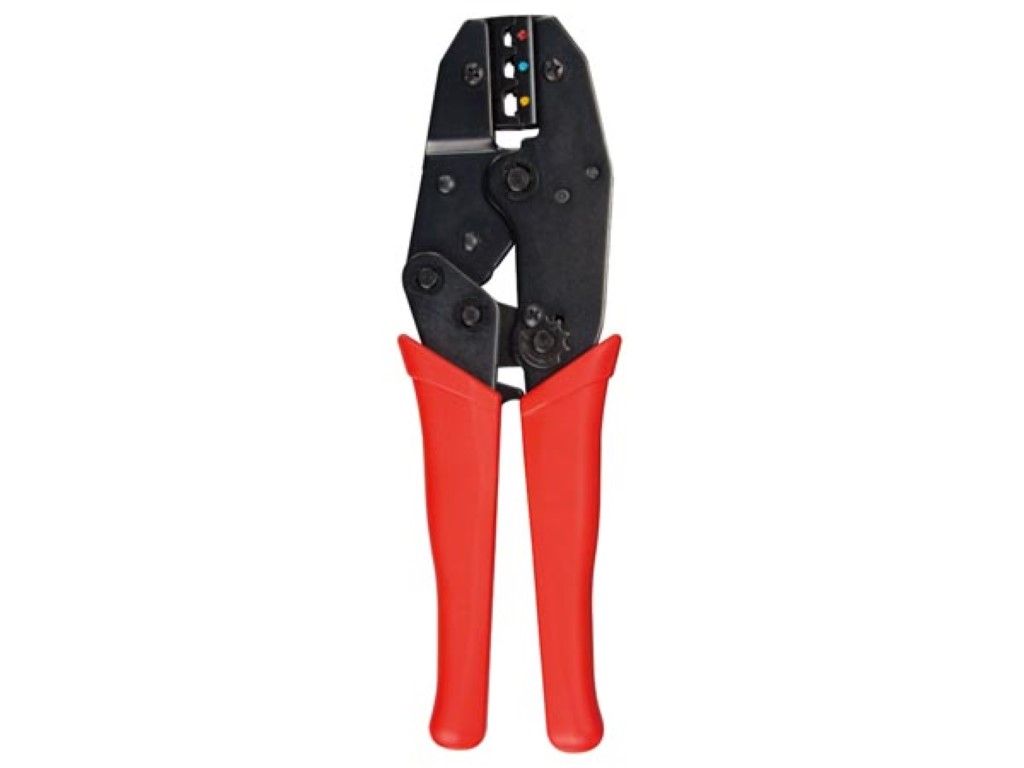
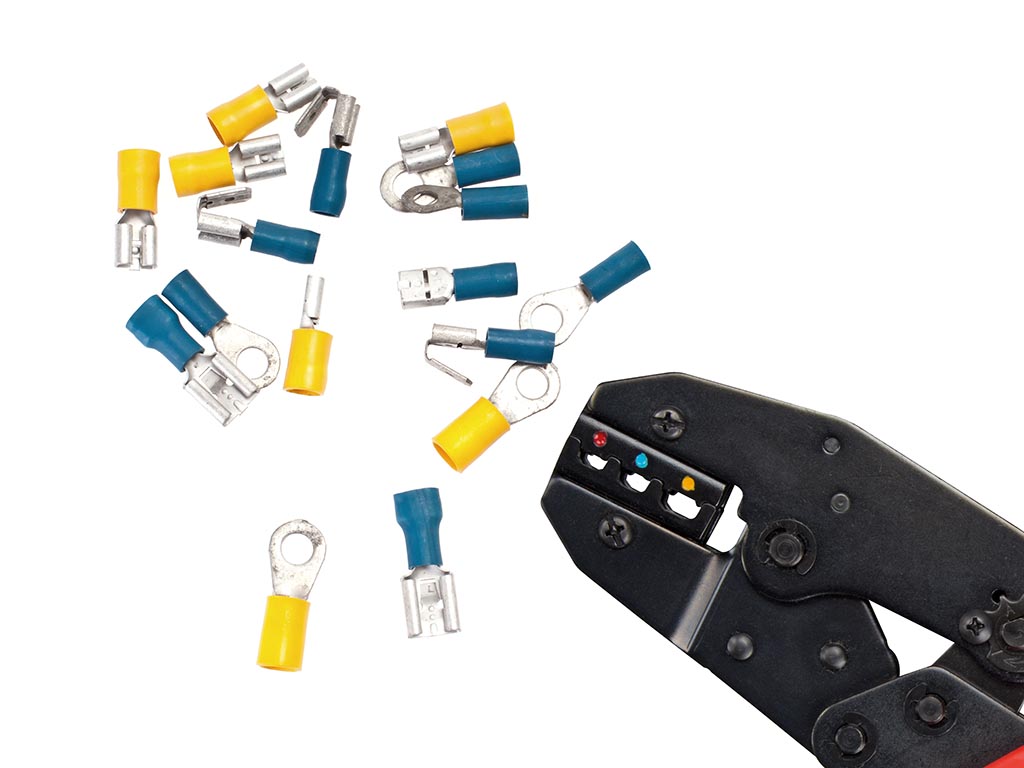
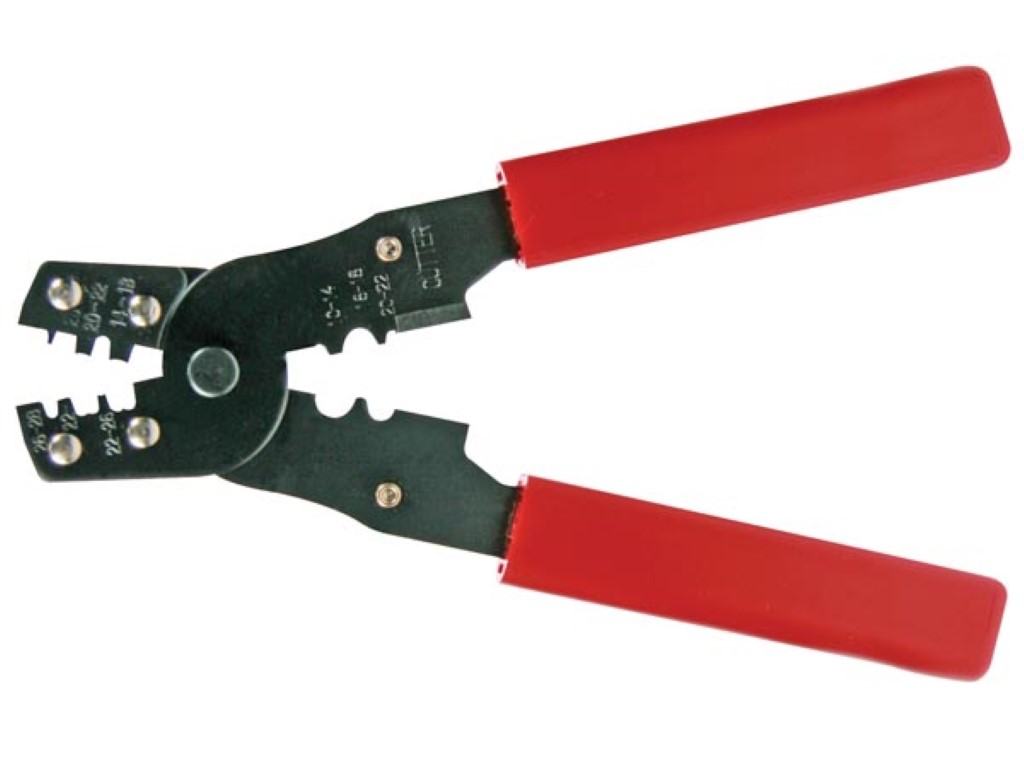
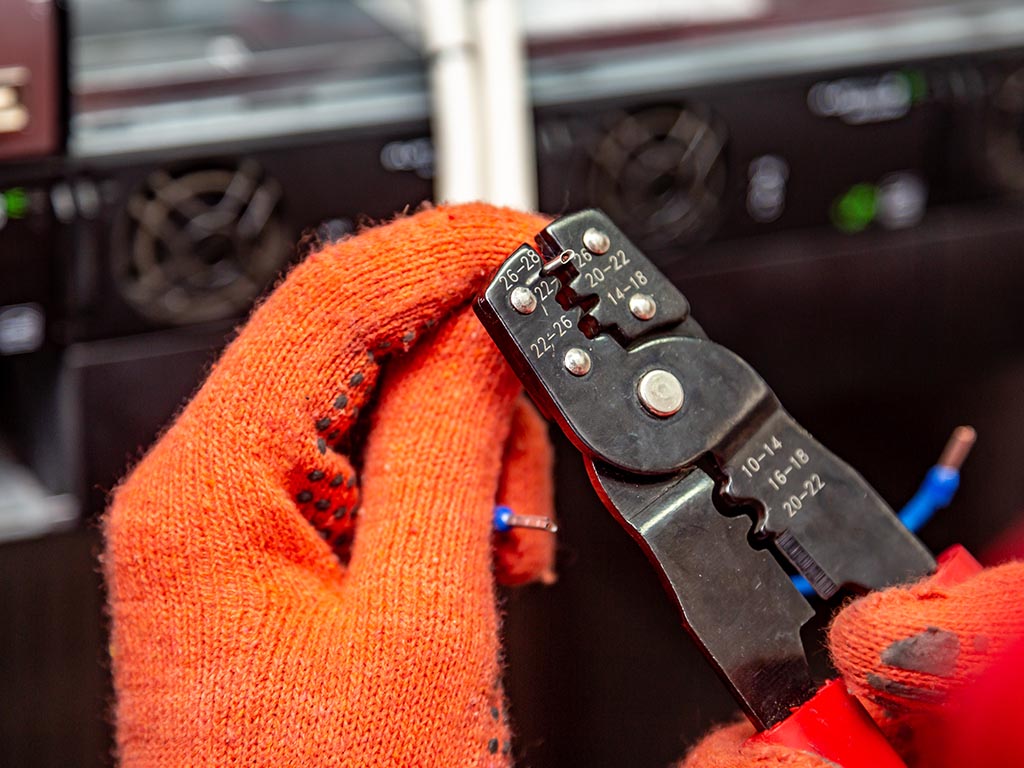
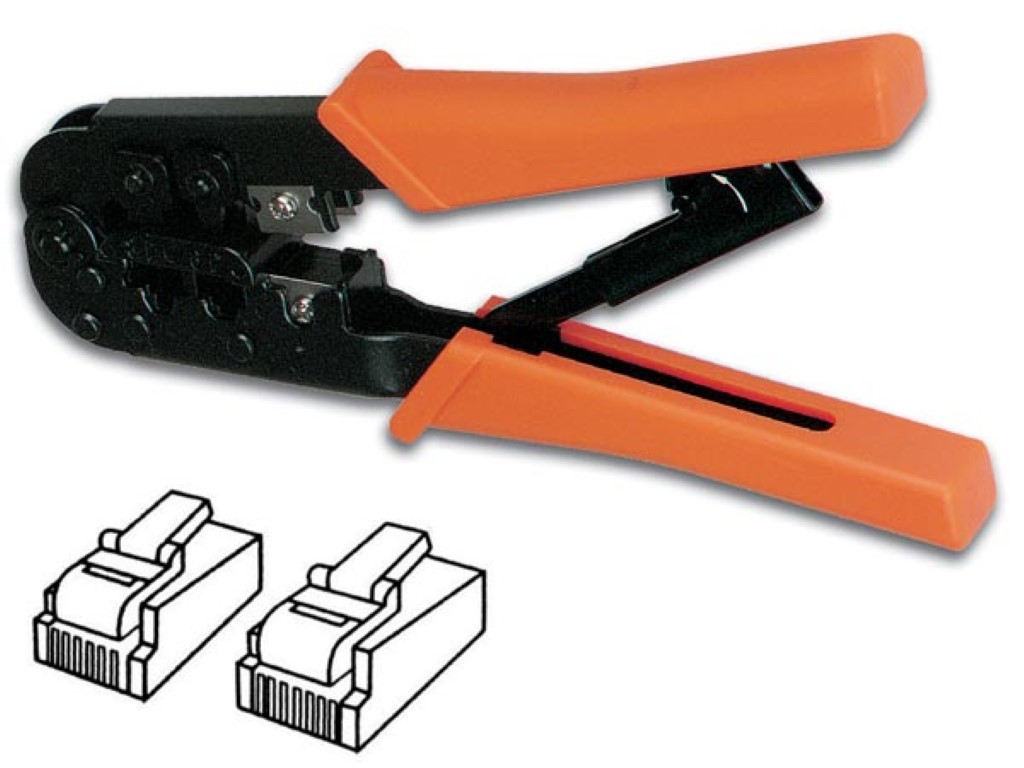
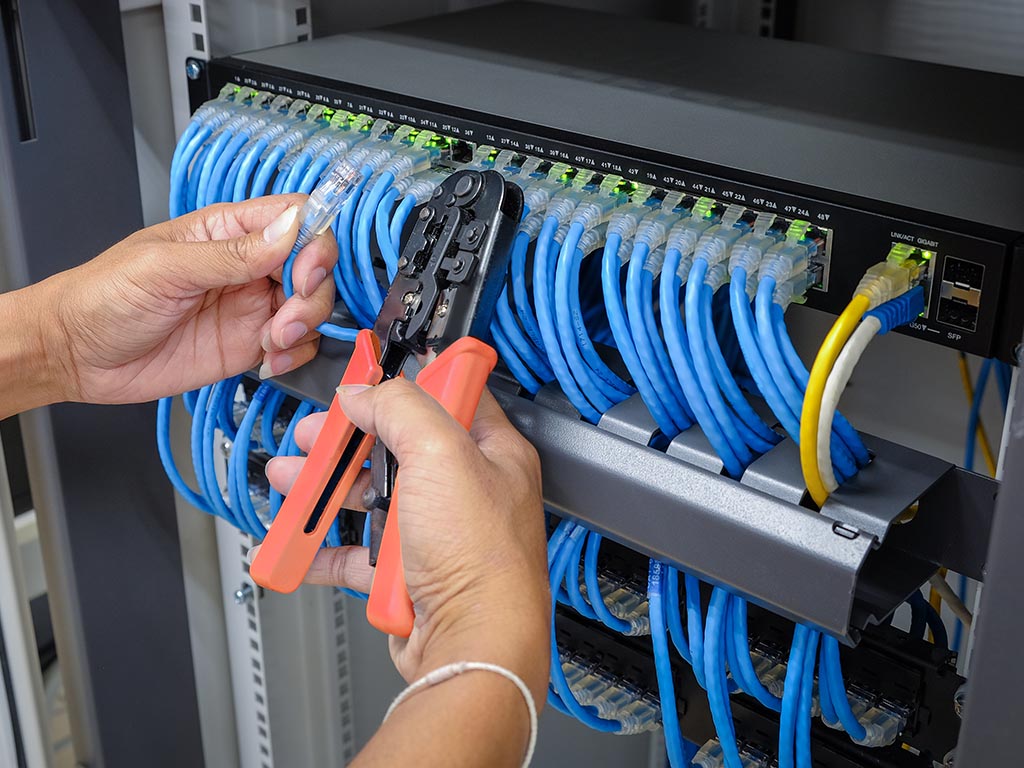
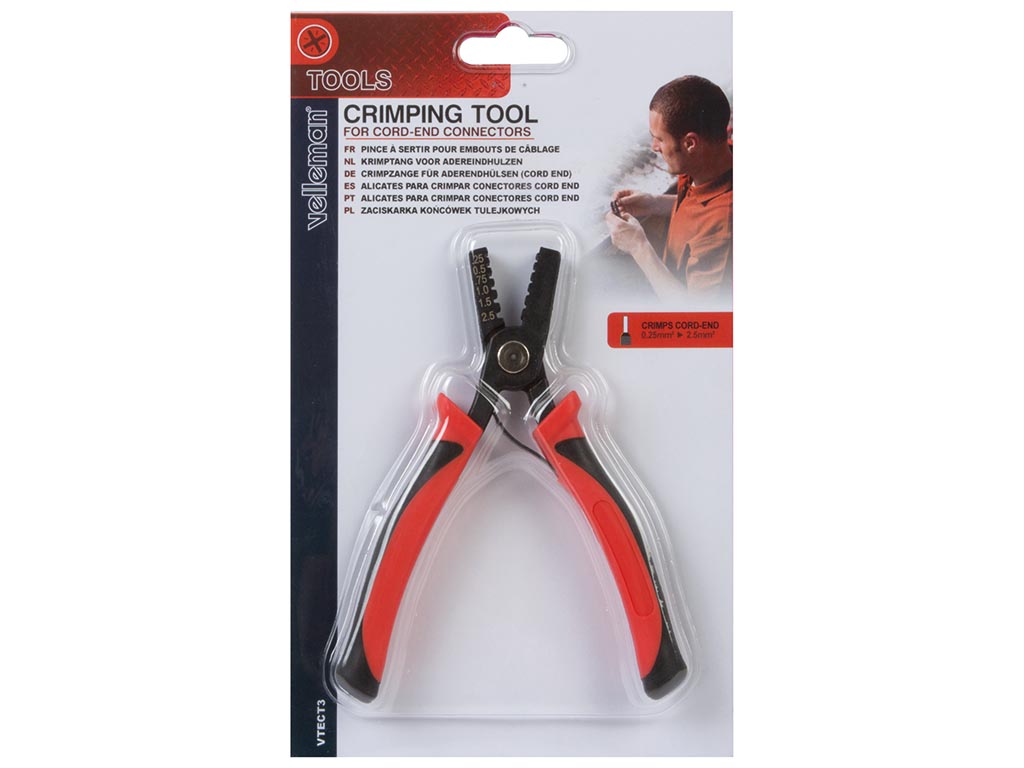
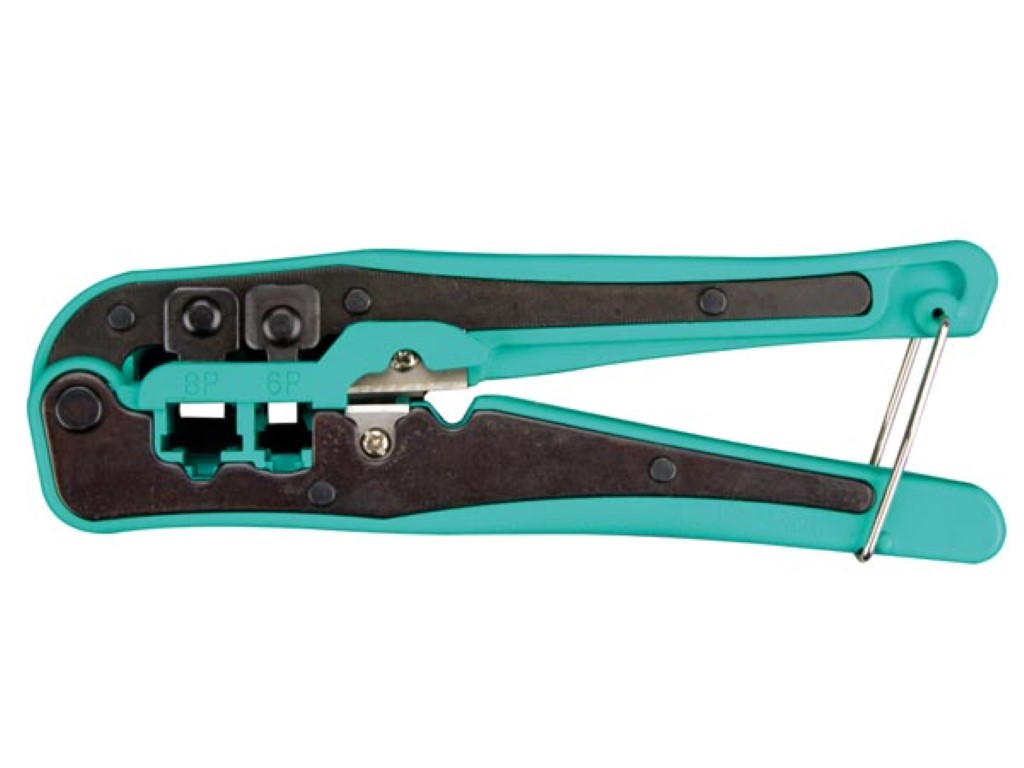
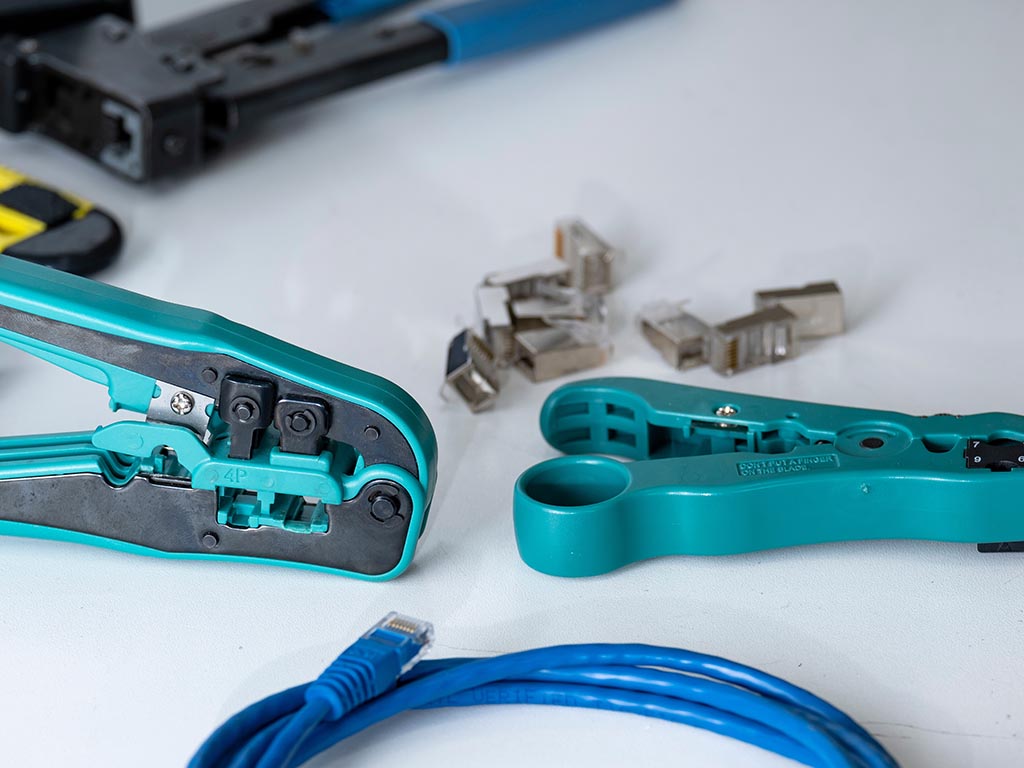
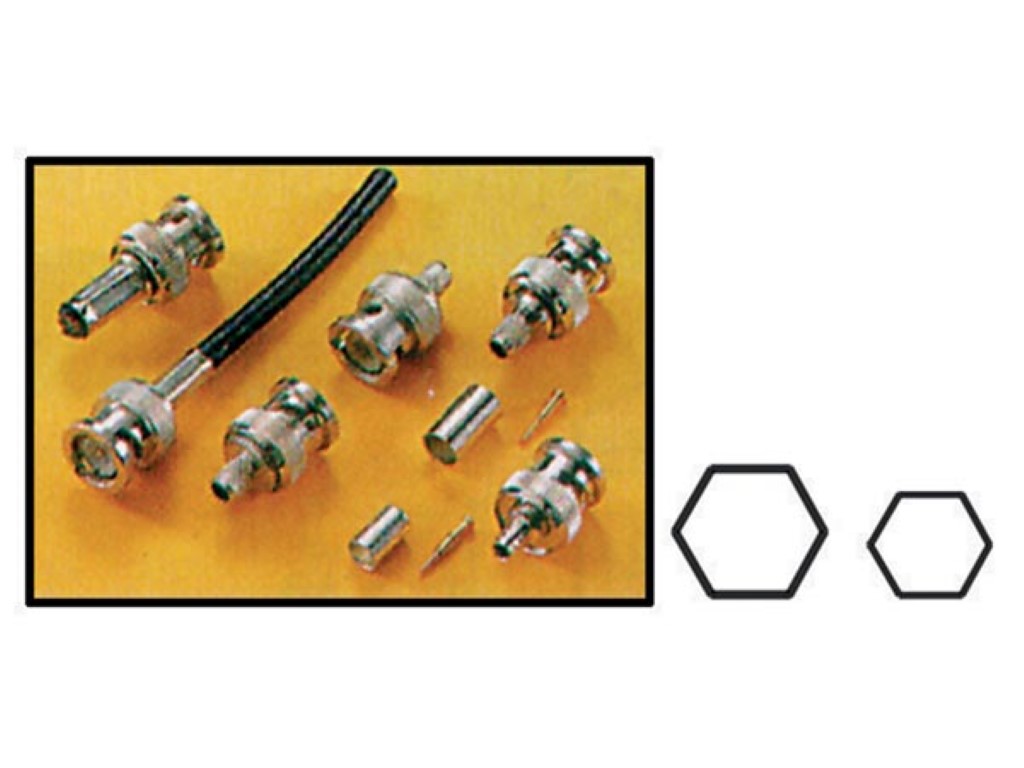
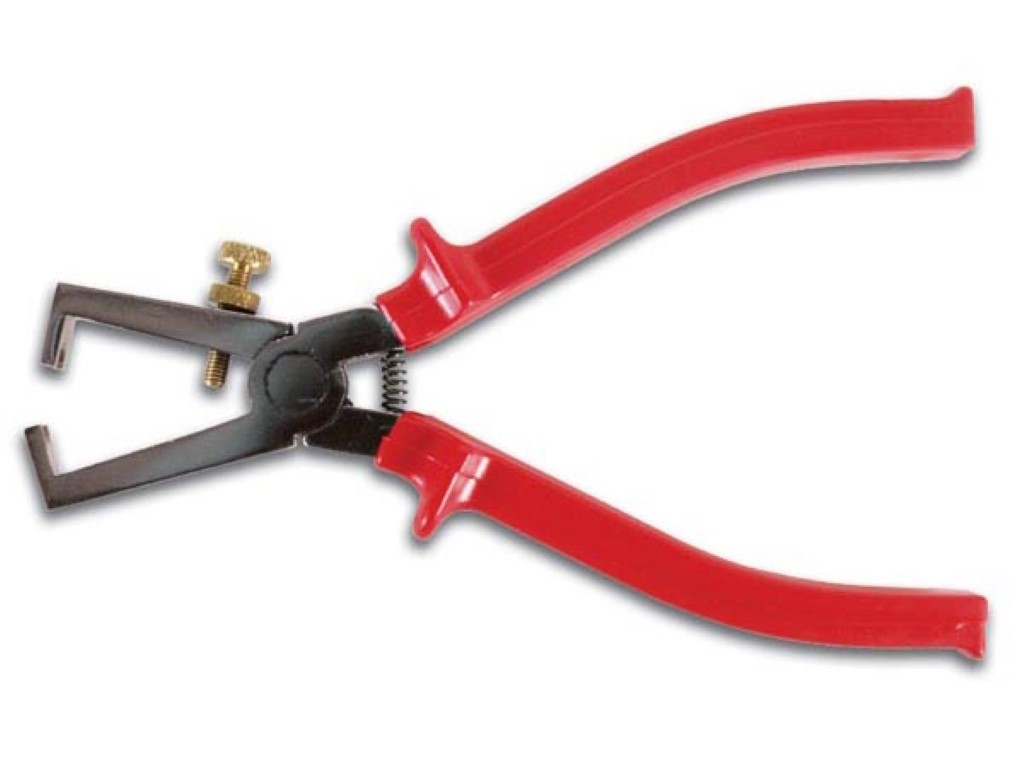
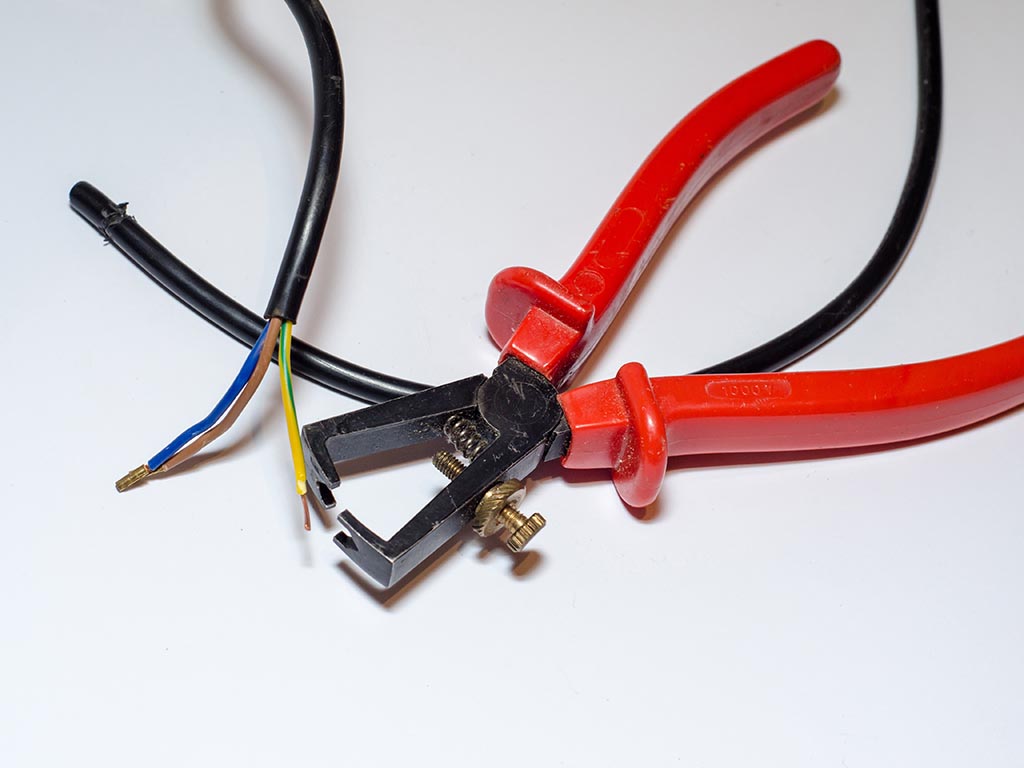
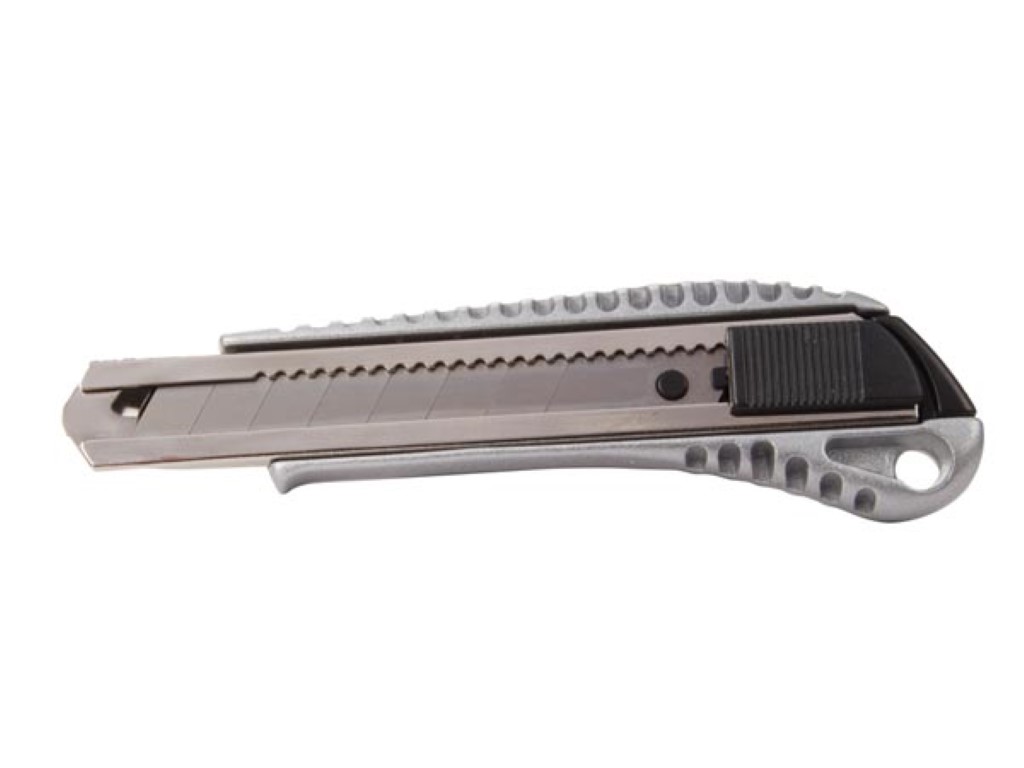
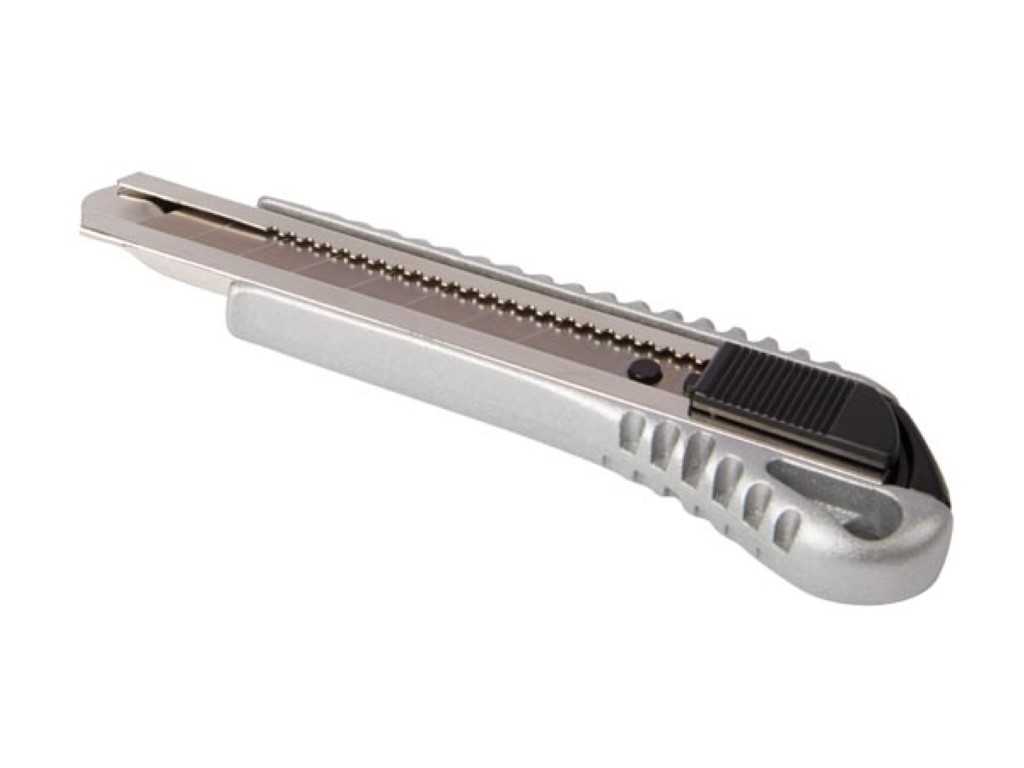
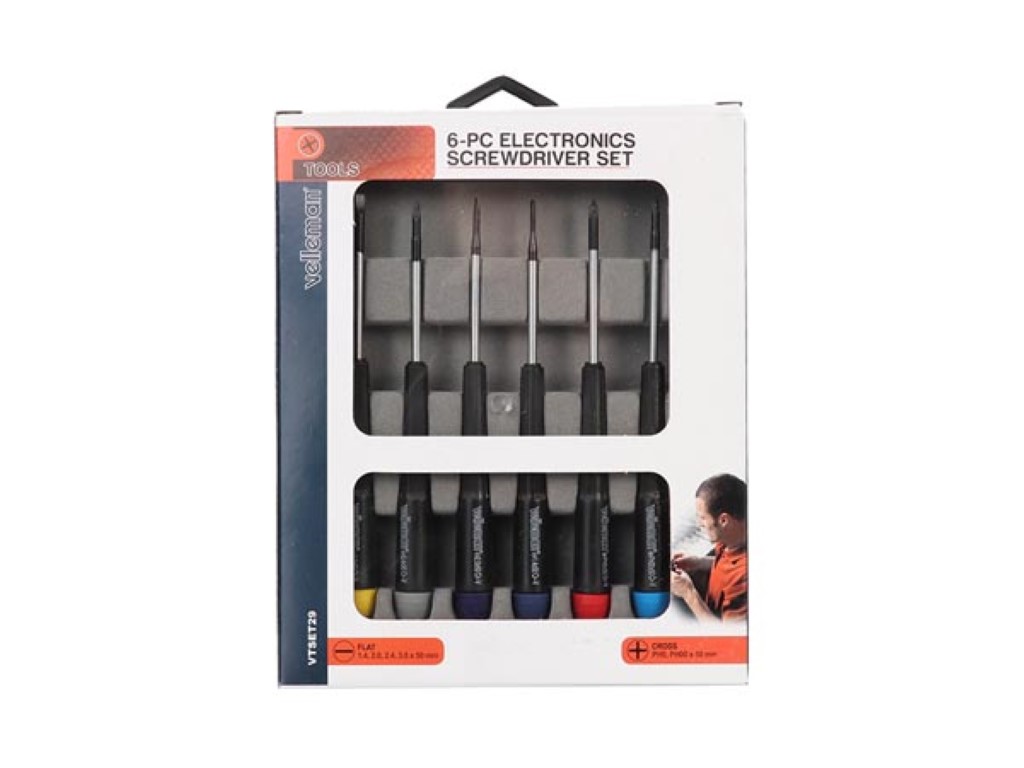
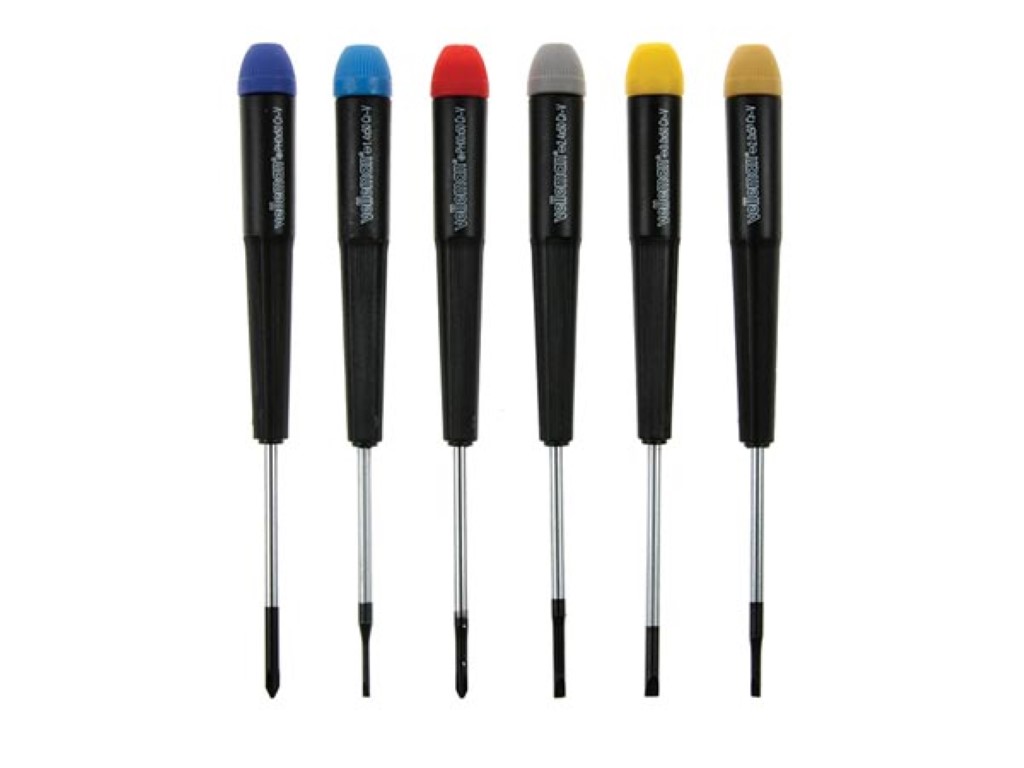
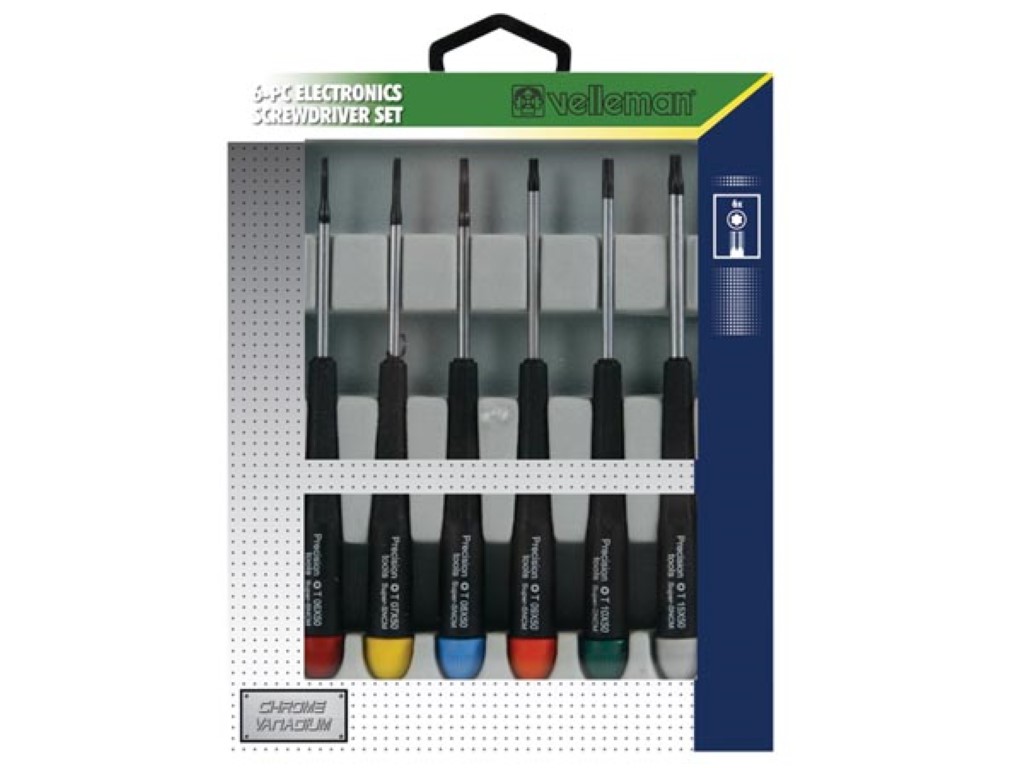
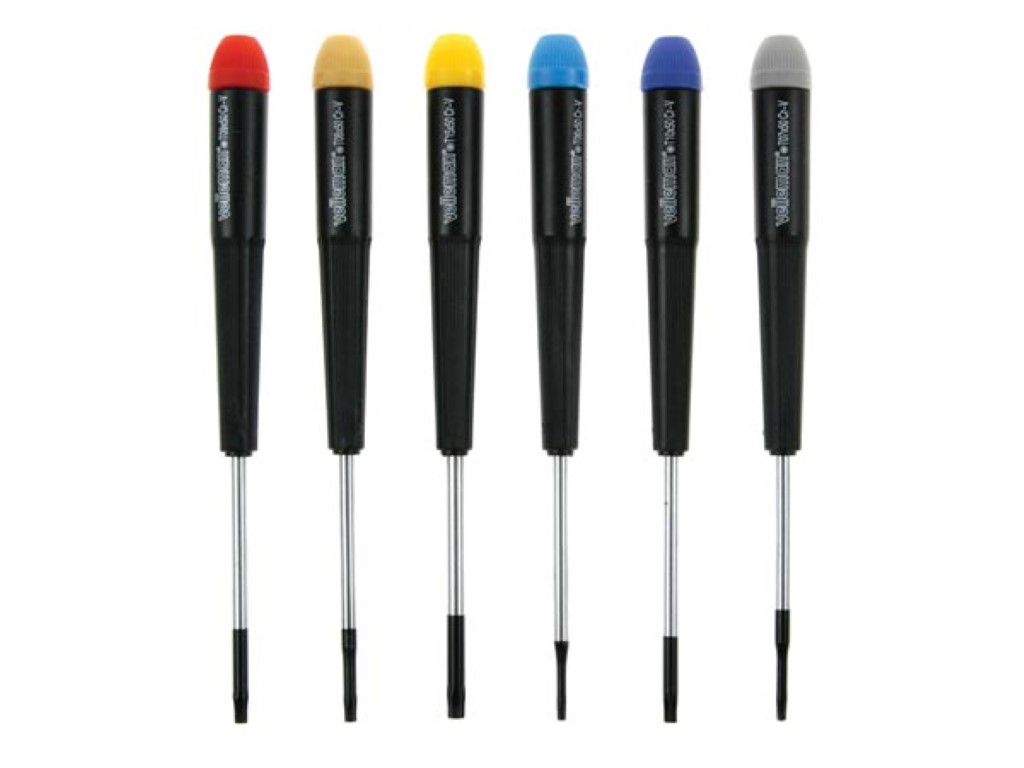
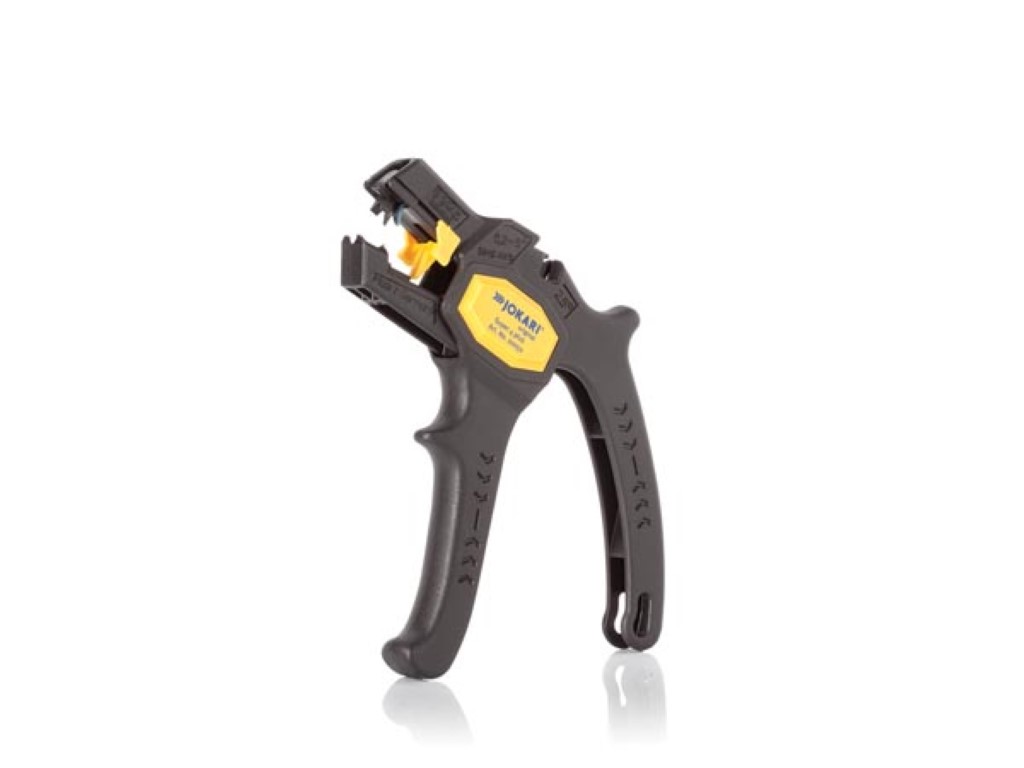
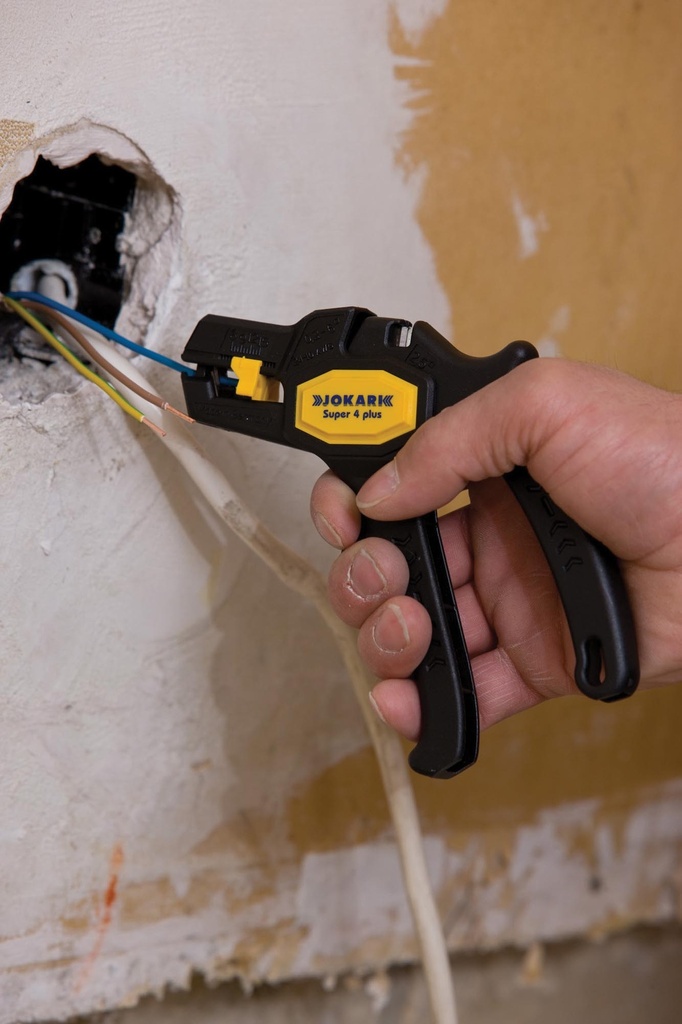
Use cable strippers to remove insulation, pliers to grip or cut, and the correct crimping tool for the connector you are fitting. Precision screwdrivers help with small fasteners, while utility and craft knives cover different cutting tasks. Headband magnifiers and tweezers support work where seeing and handling small details matters.
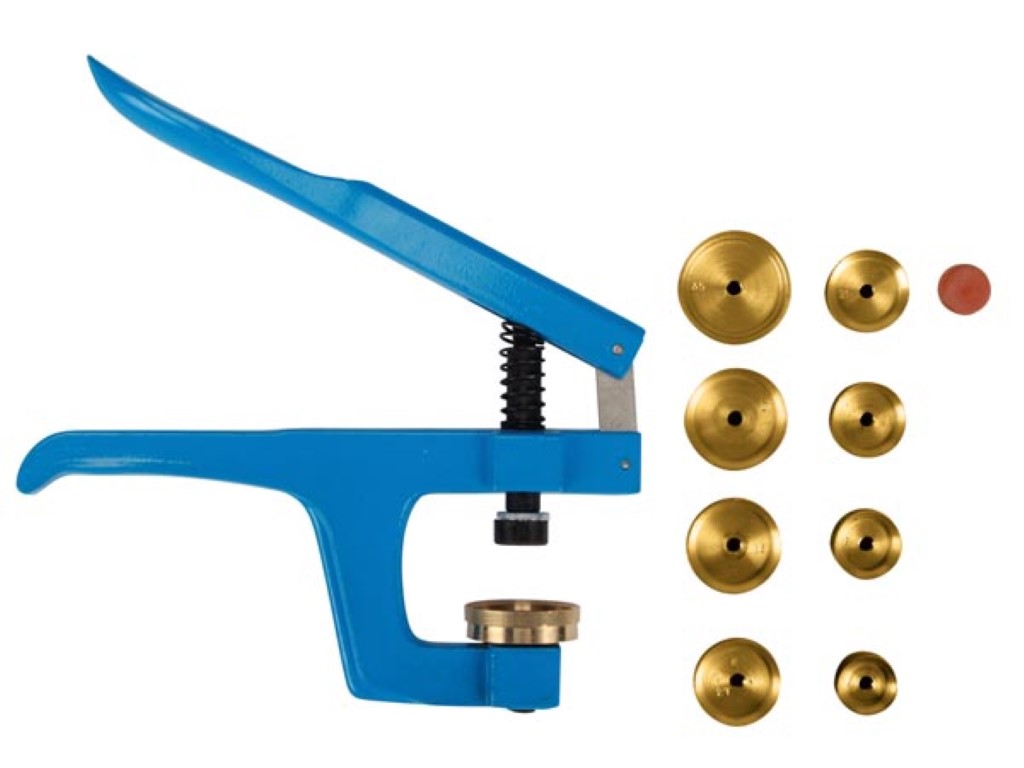
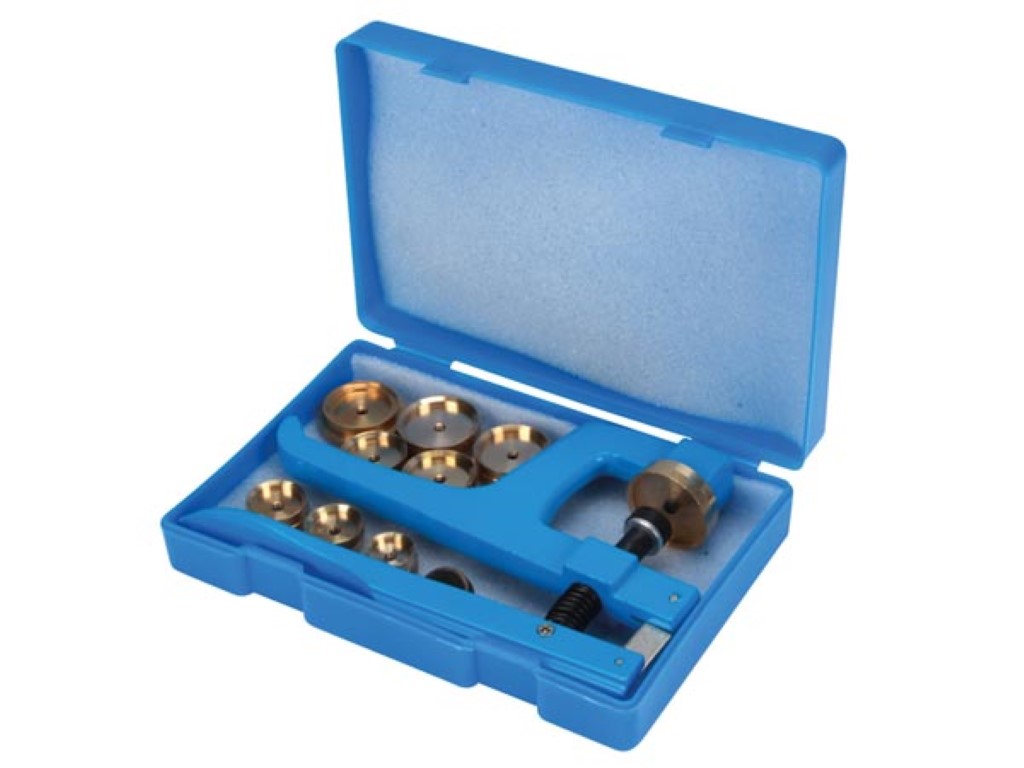
Compare working ranges, tip or blade shapes and access around the workpiece before choosing. A general tool kit can bring several basics together; specialised watch-case opening and closing tools serve a narrower job. Check the listed contents and sizes so your purchase adds the functions you need without duplicating tools already on your bench.
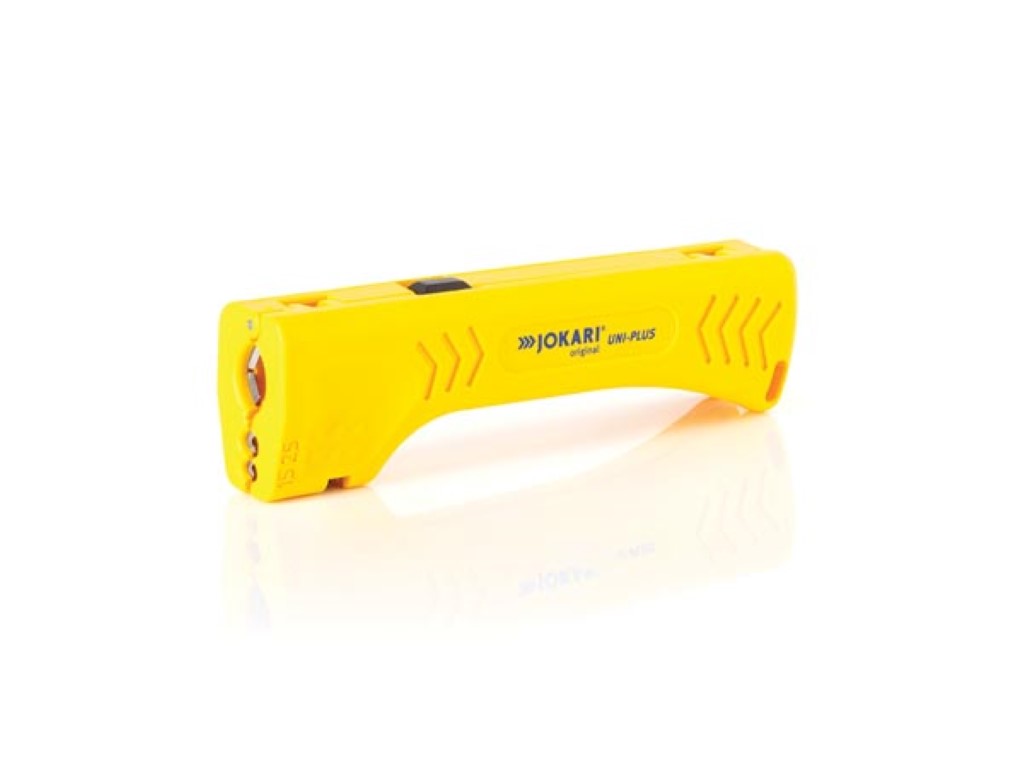
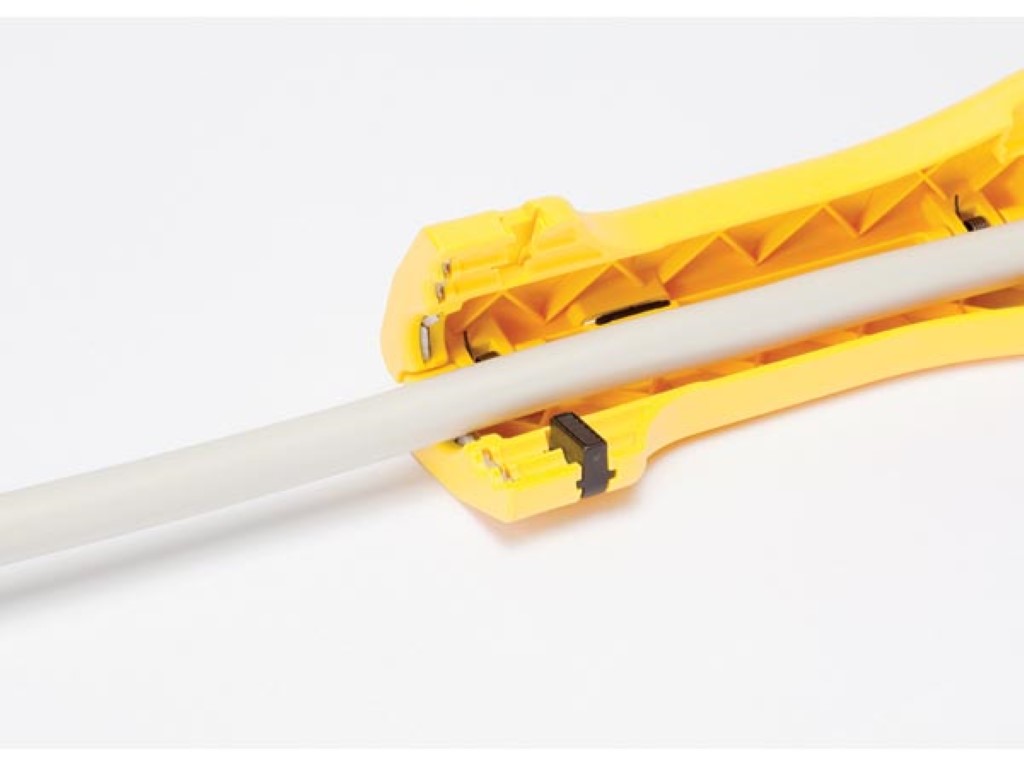
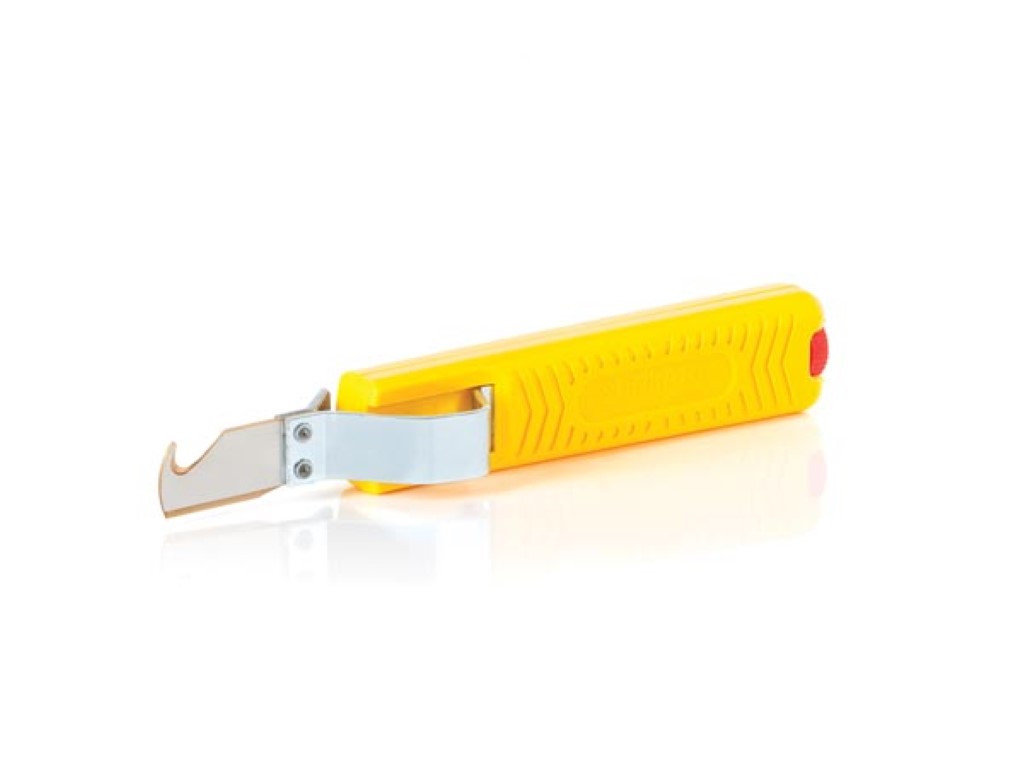
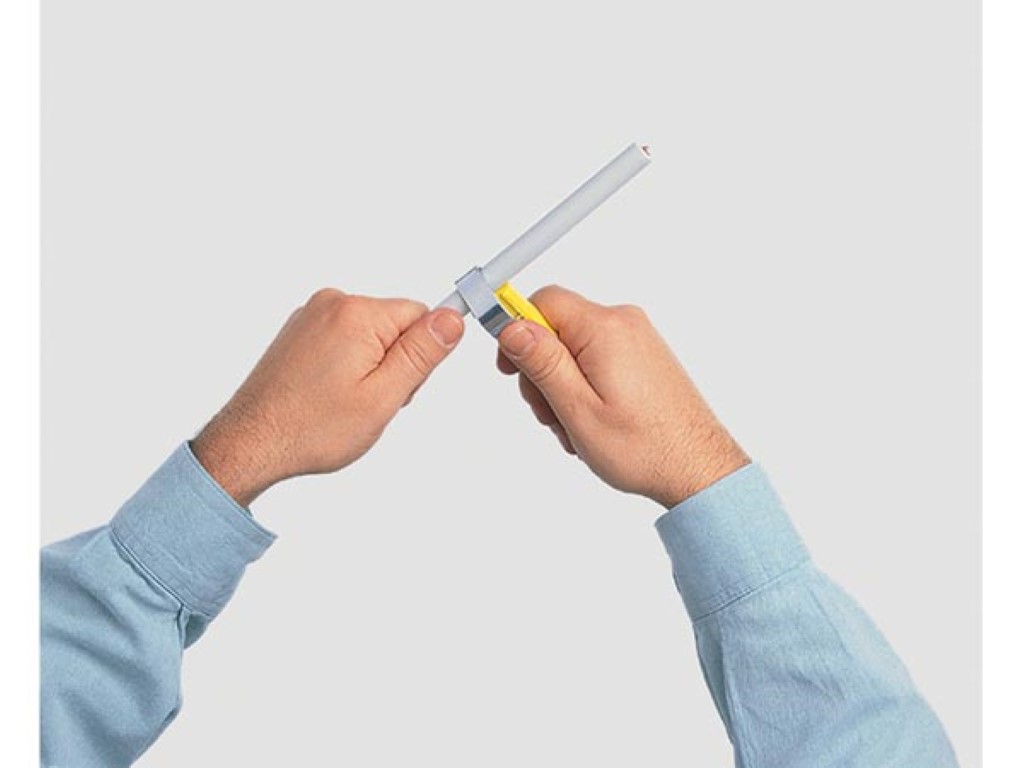
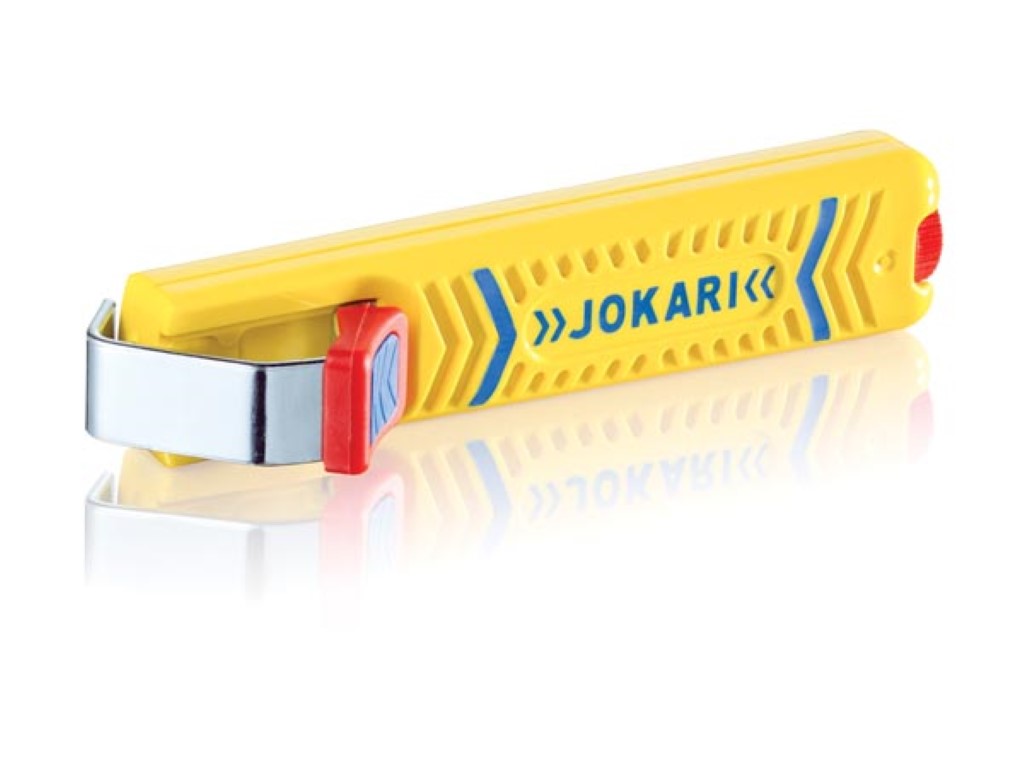
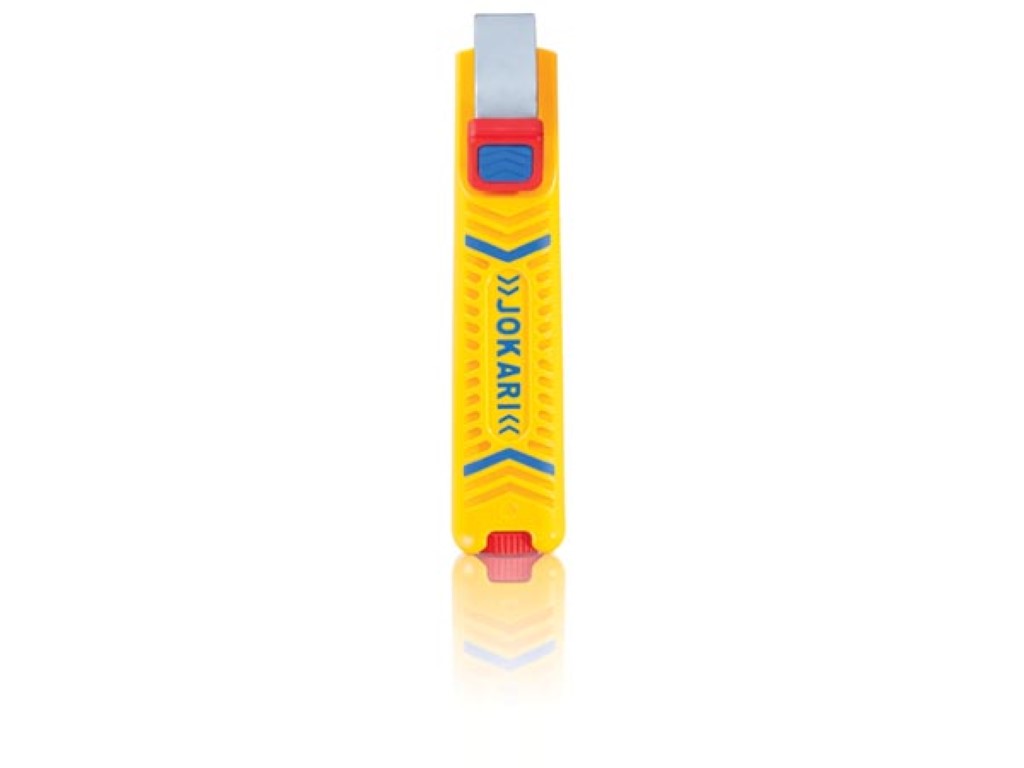
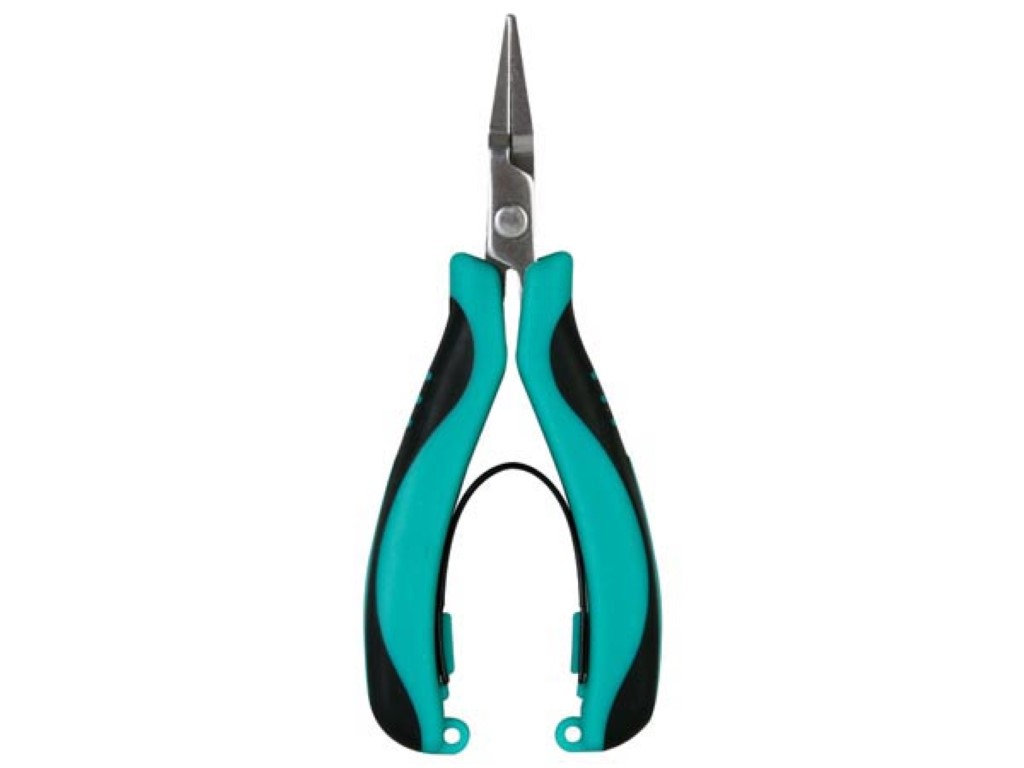
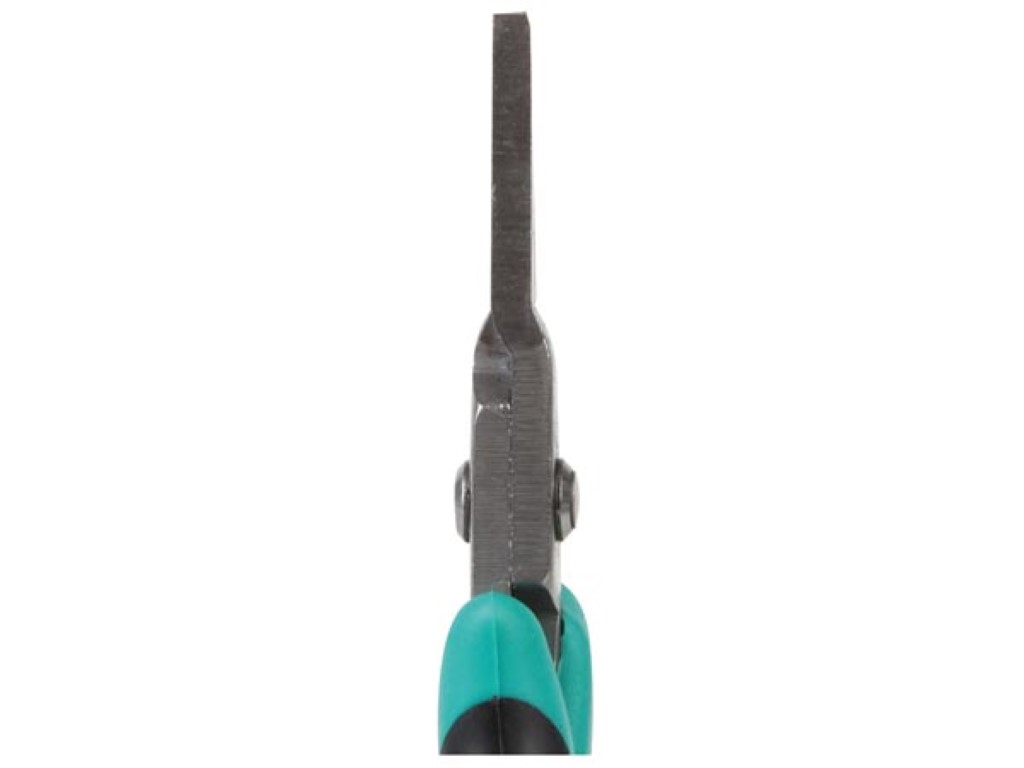
List the operations first: opening an enclosure, cutting material, preparing a cable or handling small parts. Match each tool to the material and dimensions involved. A small selection of well-matched tools is more useful than a large set with unsuitable sizes.
Hand tools offer direct control for small fasteners, fine cuts and delicate adjustments. Powered tools can help with repeated work where their speed and force suit the material. Choose according to the task rather than assuming more power gives a better result.
A general kit can cover common assembly tasks, but electronics often needs small screw profiles, fine cutters and precise gripping tools. Compare the actual contents with your project. Add specialist tools only where the components or fasteners require them.
Match screw profiles, cutting capacity and jaw shape before starting. Oversized, undersized or unsuitable tools can slip, crush parts or damage fasteners. For delicate work, favour controlled access and a correctly sized working end over extra leverage.
Add tools for recurring tasks that your existing set handles poorly: more precise gripping, suitable cable preparation, better visibility or a specific fastener profile. Check what you already own so new tools add a useful capability rather than duplicate the same sizes.