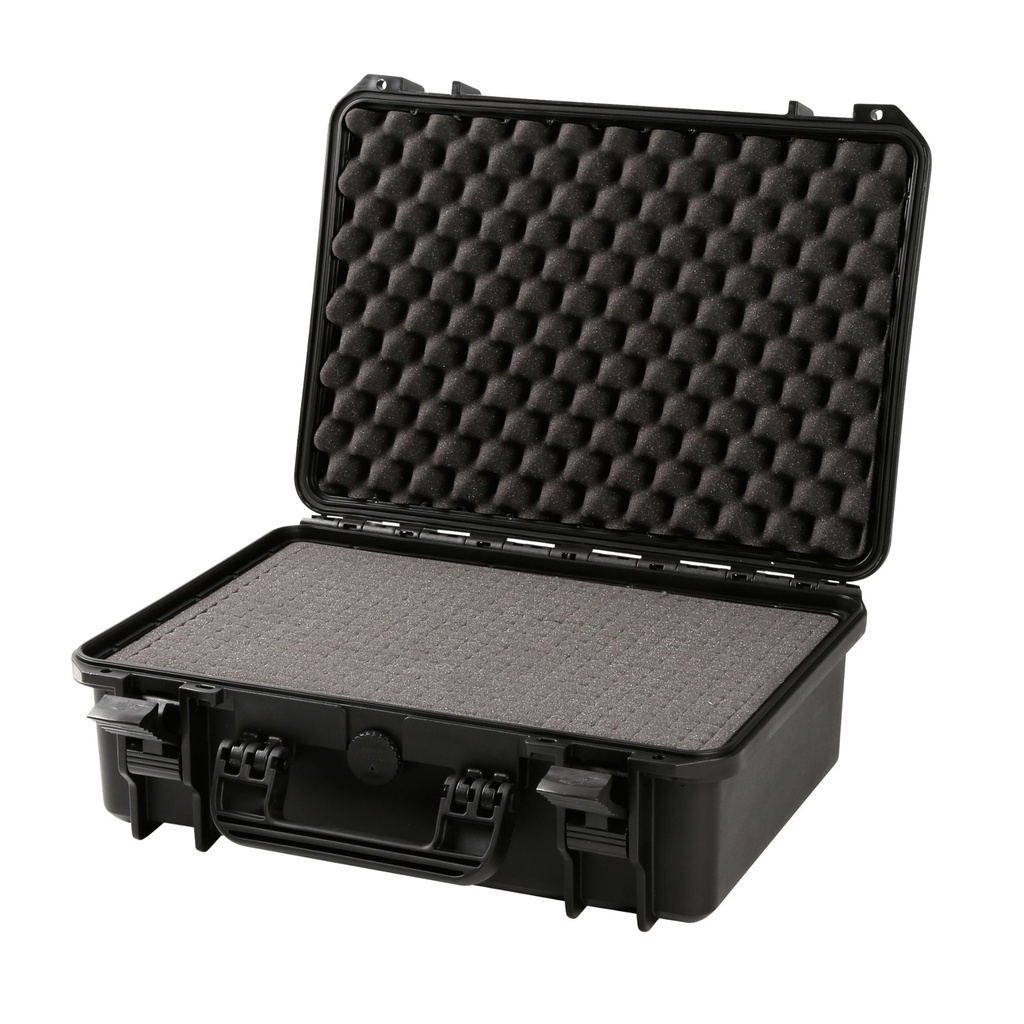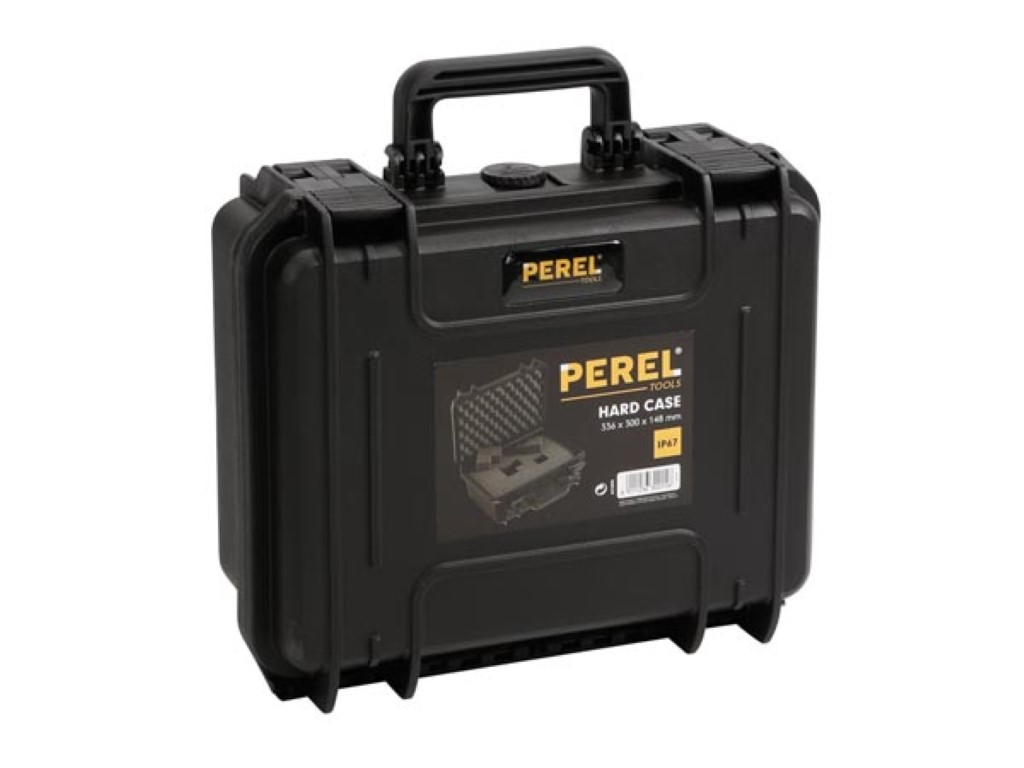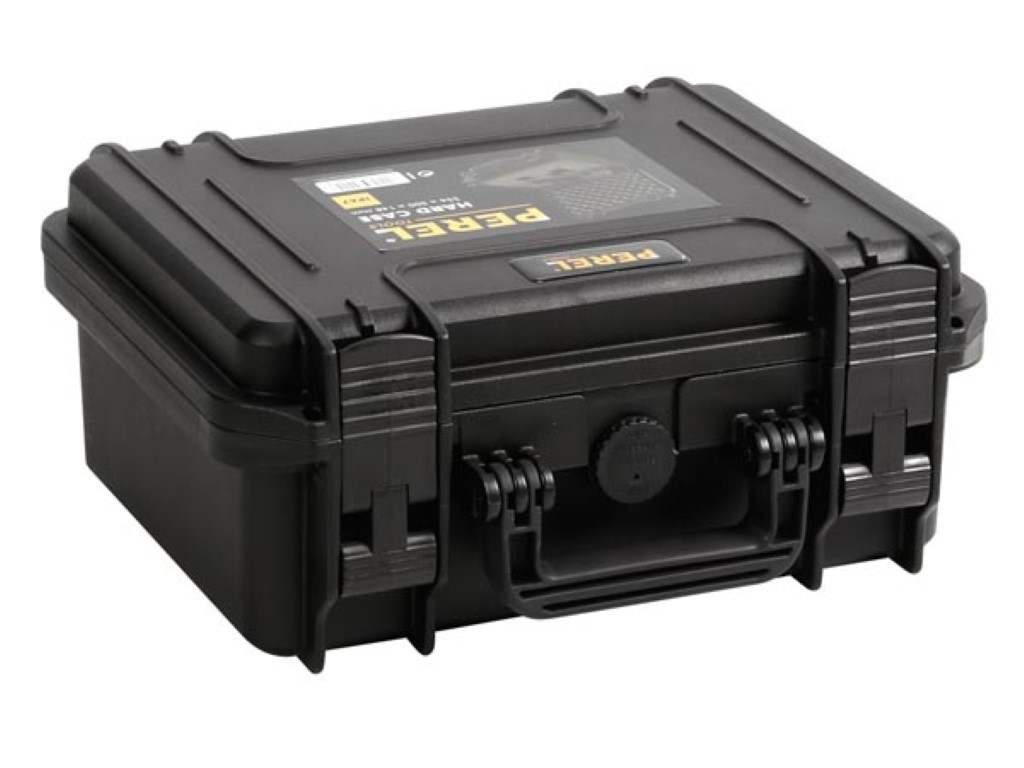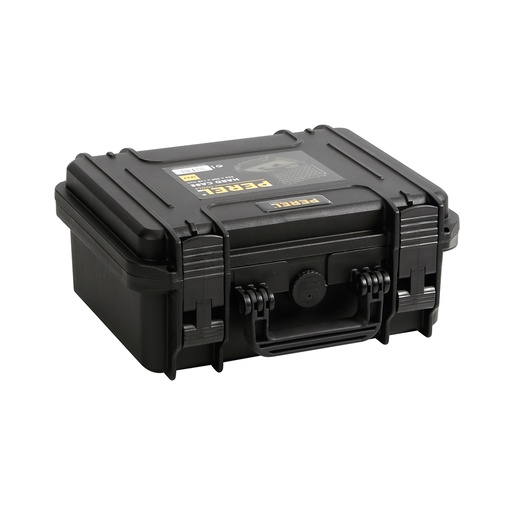
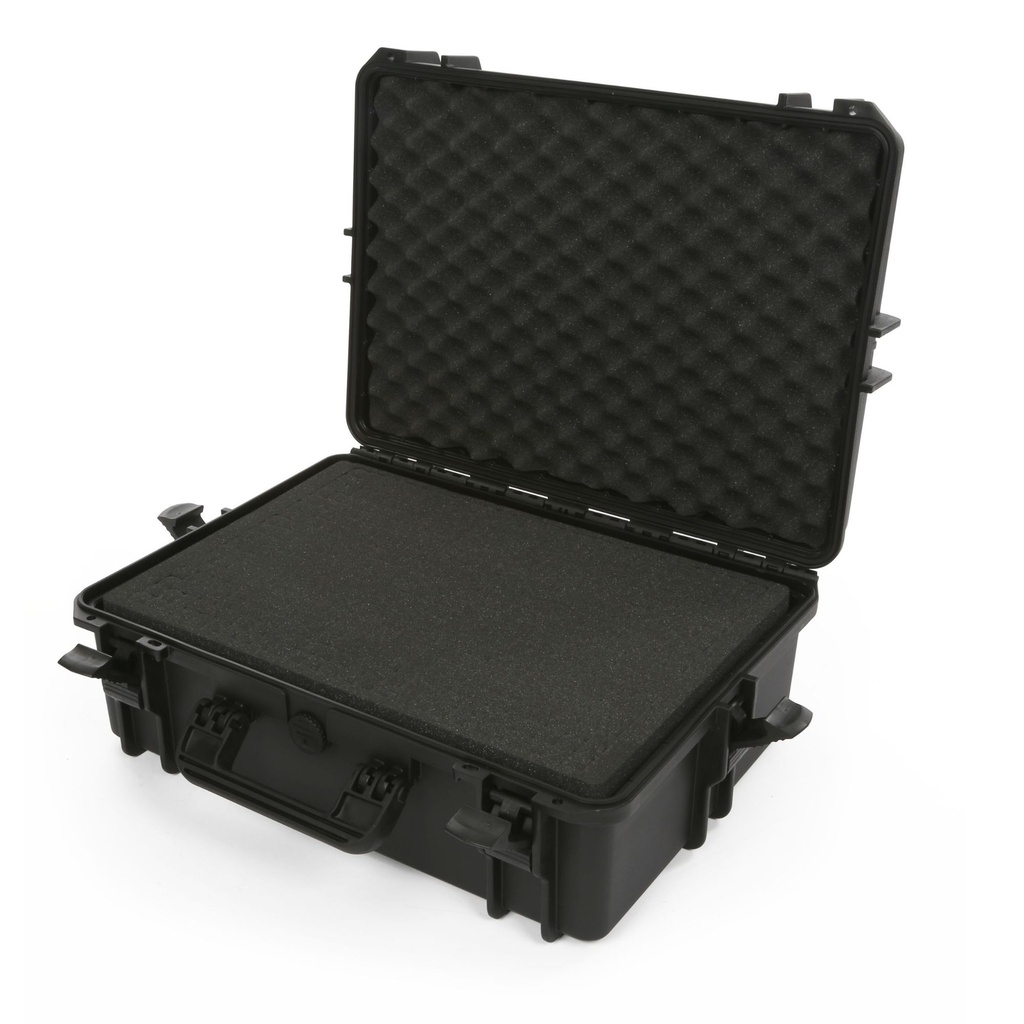
Carry tools, measuring equipment or electronics in a protective case with an interior arranged around your equipment. This selection consists of foam-lined hard cases in three sizes, giving you a choice between a compact layout and more room for a larger set. Start with the items you want to carry together.
Measure each item, including protruding knobs, plugs and cables. Compare those measurements with the case's internal dimensions and leave room for foam between items and around the outside. Exterior dimensions tell you how the case fits in storage, not how much equipment fits inside.
The configurable foam in the base allows individual recesses; the shaped foam in the lid provides cushioning from above. Think about which accessories need their own position and how easily you can lift the main device out. Finally, compare the case weight plus the planned contents so your chosen layout remains manageable to carry.
Measure the equipment with any plugs, handles and accessories that will remain attached. Allow space for cushioning and compare the case's internal dimensions and load capacity. The right case supports the equipment without pressing on displays, switches or connectors.
Foam suits equipment that stays in a fixed layout and benefits from support around its shape. Adjustable dividers are easier to rearrange for changing tool collections. Choose the interior around how often your contents change and how delicate they are.
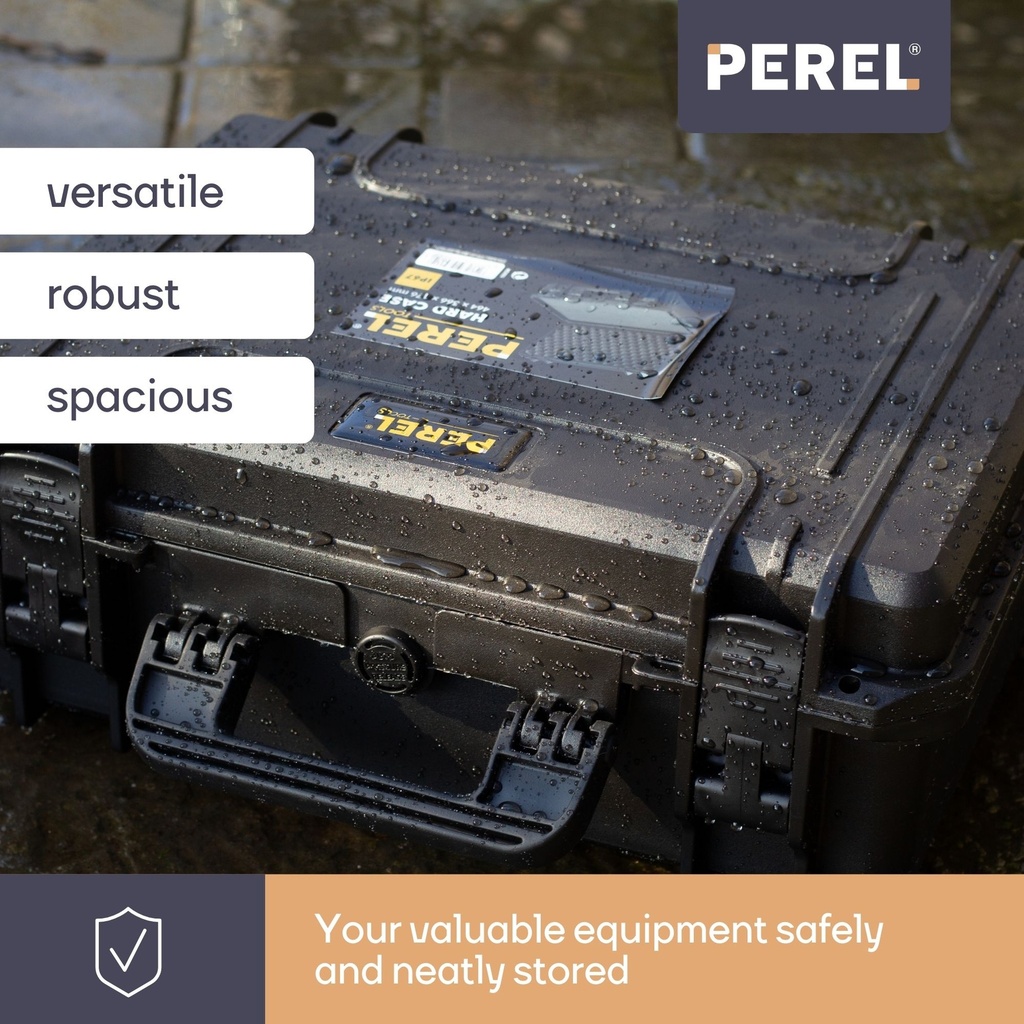
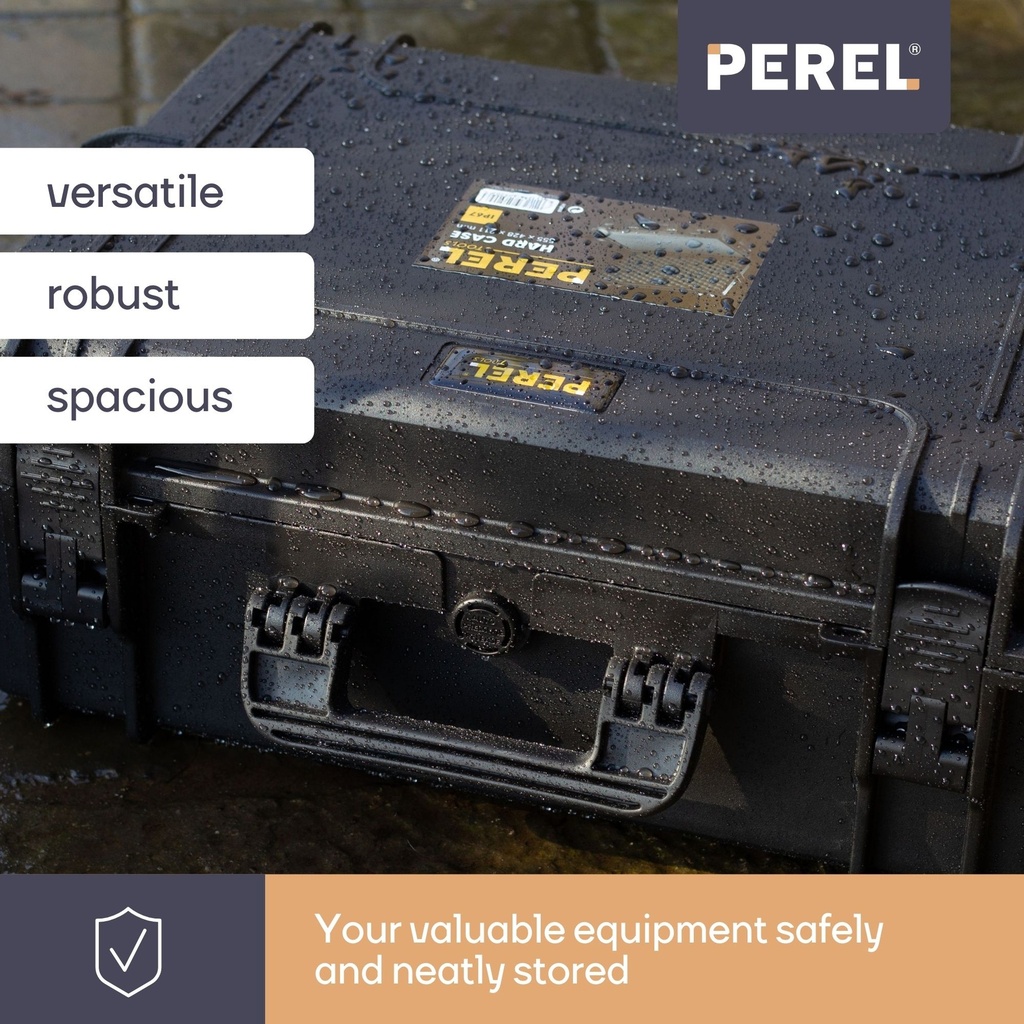
No. A rigid shell alone does not establish water resistance. If the case will face rain, splashes or dust, choose a model with an explicit protection rating and use it within the conditions specified for that rating.
Dimension conventions can differ between cases. For fitting equipment, use the internal measurements; for shelves or transport space, use the external measurements. Leave clearance for opening the lid and operating latches, especially in a vehicle or storage cabinet.
A lockable case helps control casual access and keeps the lid secured as designed. Also consider the strength of the case, how the contents are held and whether the equipment must remain under supervision. A lock does not establish an anti-theft rating.