49.55 €
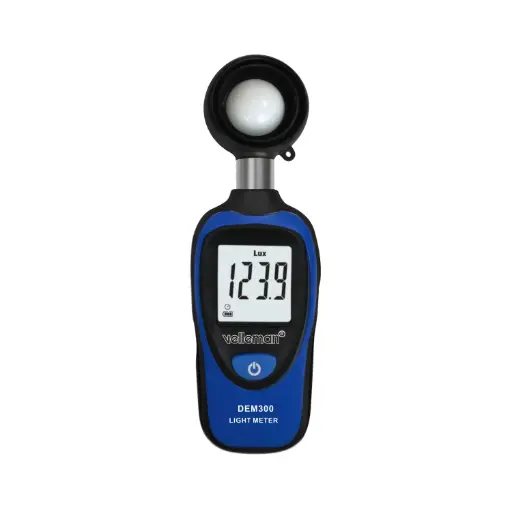
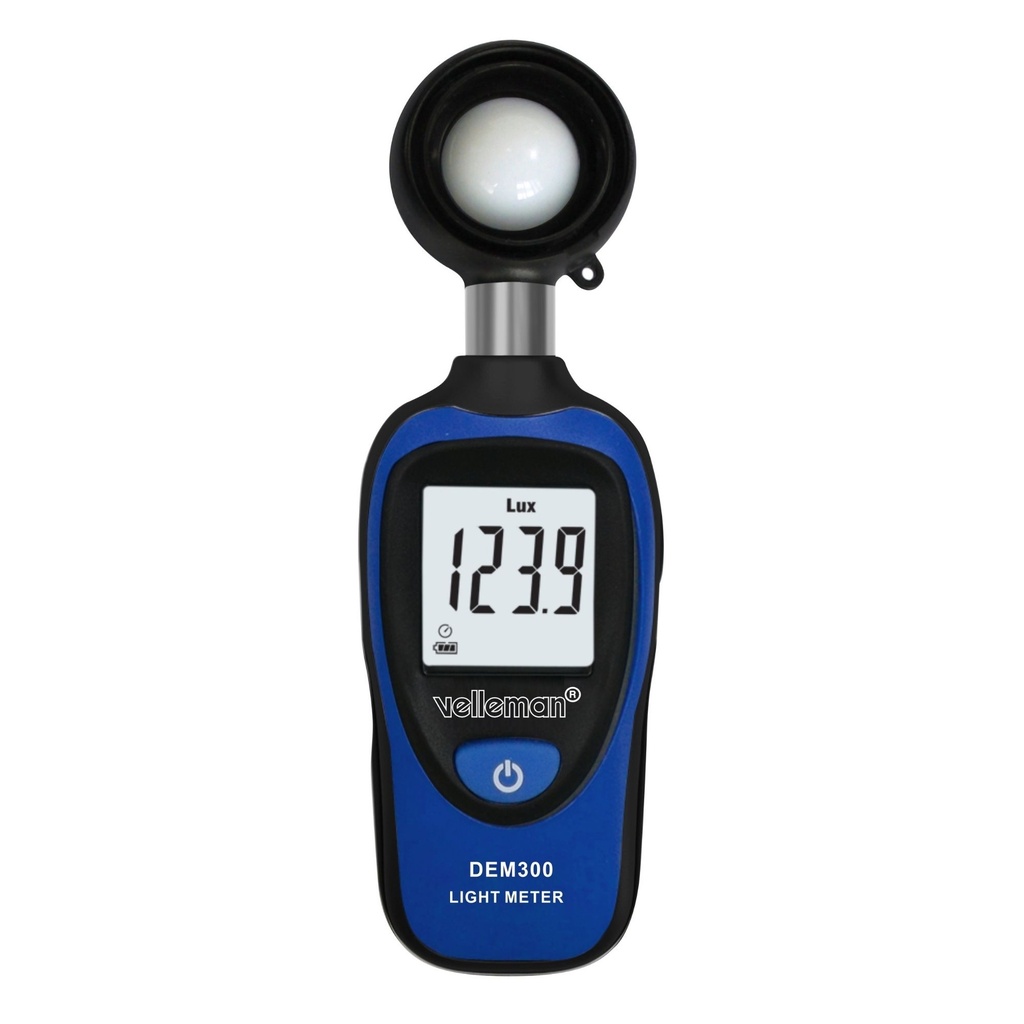
Compare the light falling on a work surface with a digital lux meter. The DEM300 measures illuminance and provides a compact option for checking lighting at different positions. Use it to compare a desk, workbench or other surface before and after a change in lamp position or lighting arrangement.
The DEM300 lists a range up to 200,000 lux and minimum/maximum functions. Check the measurement range, display readability and how you will position the sensor for your task. Lux describes light arriving at a surface; it is different from the lumen output stated for a lamp.
Keep the sensor position and orientation consistent when comparing readings. Your body, nearby objects and changing daylight can affect the result. Record the location and lighting conditions so that later readings are meaningful. A spot measurement alone does not establish compliance with a complete workplace lighting assessment.
A lux meter measures illuminance: how much visible light reaches a surface. It helps compare lighting at desks, workbenches or display areas. It does not directly measure a lamp’s total lumen output or the electrical power it consumes.
Compare the measuring range, accuracy, sensor design and reading functions. For measurements at different points, a compact handheld meter is practical. The DEM300 offers a range up to 200,000 lux and min/max functions for comparing changes in illumination.
Lumens describe the total visible light emitted by a source; lux describes the light arriving on each square metre of a surface. Distance, beam angle and the room affect lux readings, so lamp lumen ratings alone do not determine workplace illumination.
Place the sensor at the surface and orientation you want to assess, such as the working plane of a desk. Avoid shading it with your hand or body. Use the same positions when comparing different lamps or lighting settings.
A phone app can provide a rough indication, but results depend on the phone sensor and software. A dedicated lux meter offers specified measuring performance. For meaningful comparisons, use the same instrument, sensor position and lighting conditions.