45.41 €
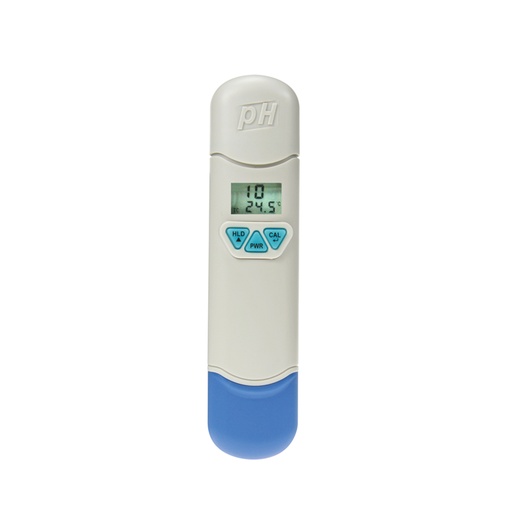
Check the acidity or alkalinity of a liquid with a pen-type pH meter. A portable instrument showing both pH and temperature lets you record the sample conditions alongside the result. Its compact format is convenient for repeated spot checks, provided you plan for calibration and proper electrode care.
Check the pH range, temperature limits and required resolution against your application. Regular calibration with suitable buffer solutions is part of using the instrument, so consider those supplies as well as the meter. Temperature indication helps you record the conditions of a measurement.
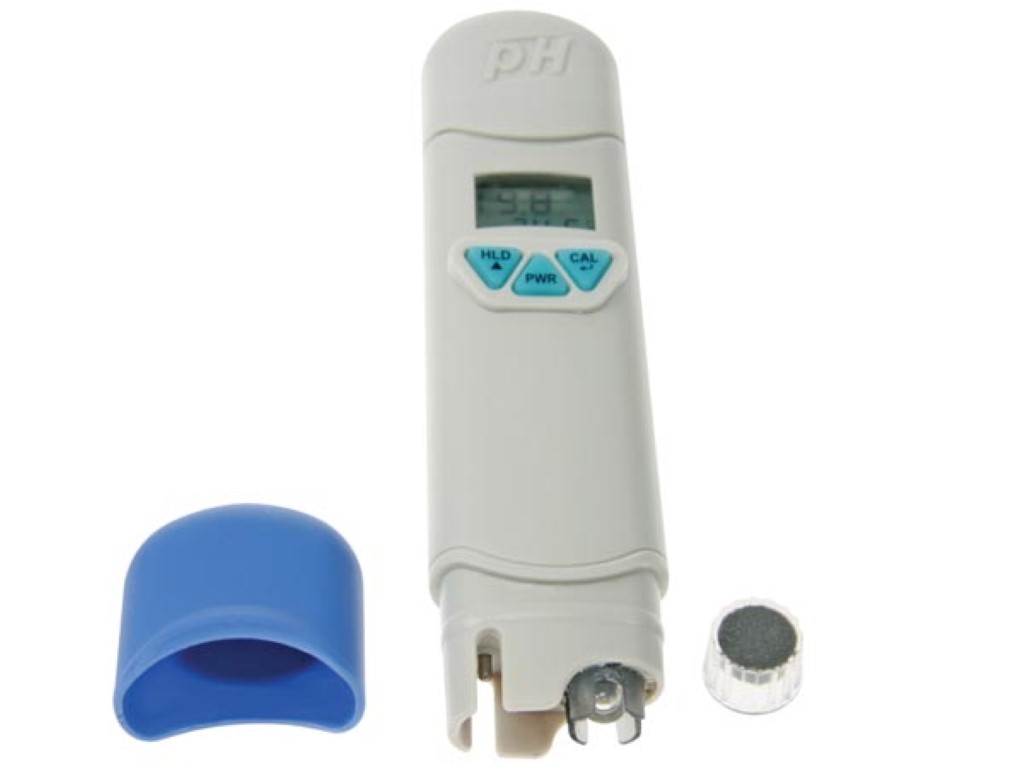
Rinse the electrode after use and keep it stored as instructed, including the moist sponge in its cap. Allow readings to stabilise before comparing samples. A pH reading does not establish drinking-water safety or identify contaminants; it answers a specific acidity or alkalinity question.
A pH meter indicates how acidic or alkaline a suitable aqueous sample is. It does not provide a complete chemical analysis. Choose it when acidity is the quantity you need to monitor rather than conductivity or dissolved solids.
A pH meter measures acidity or alkalinity. A TDS meter estimates dissolved-solids content from electrical conductivity. The readings describe different properties, so a pH value cannot be used as a substitute for TDS or salinity.
The electrode response changes with use and storage. Calibration with appropriate known buffer solutions helps maintain meaningful readings. Allow for buffers and electrode care when choosing a pH meter for repeated measurements.
Temperature affects electrode response. Automatic temperature compensation helps account for that effect during measurement. It does not mean that a sample's actual pH is independent of temperature, so consistent sample conditions still matter for comparisons.
No. pH is only one water characteristic and does not detect every contaminant or microorganism. Choose the appropriate additional analysis when the purpose is to assess drinking-water quality rather than monitor acidity.