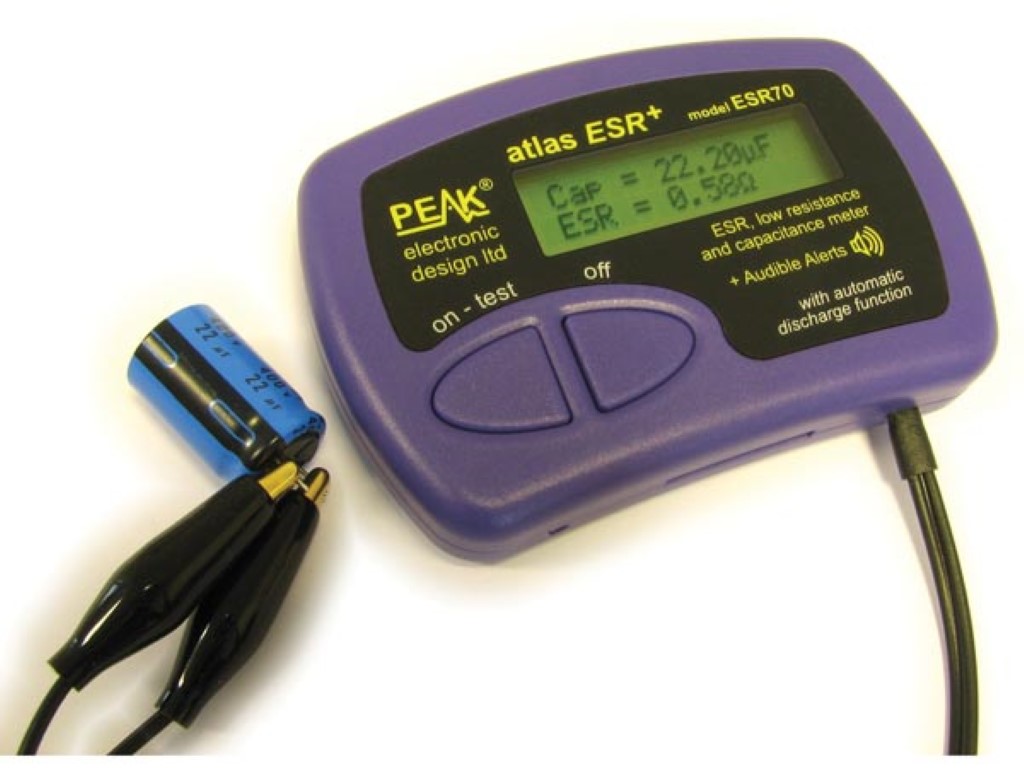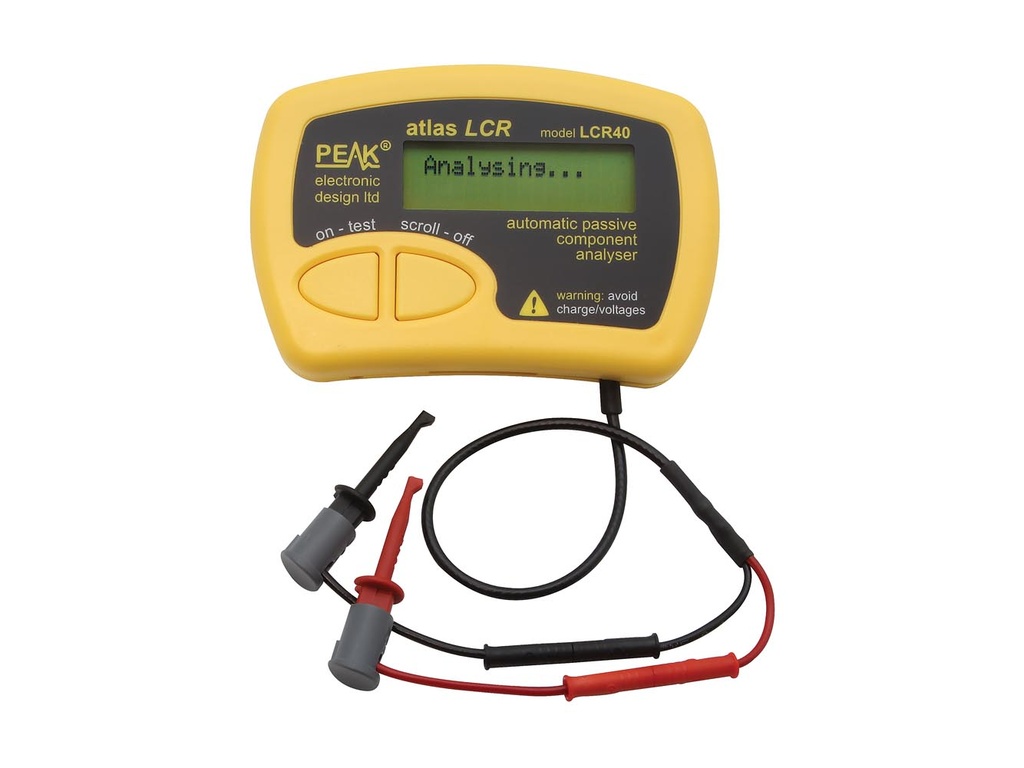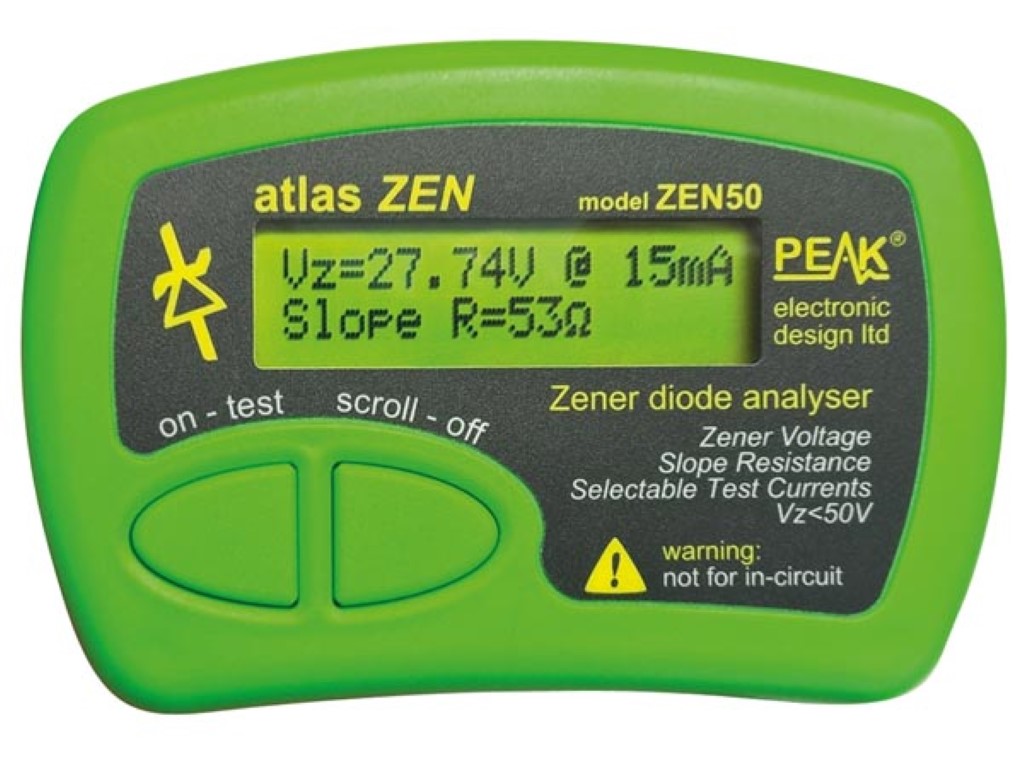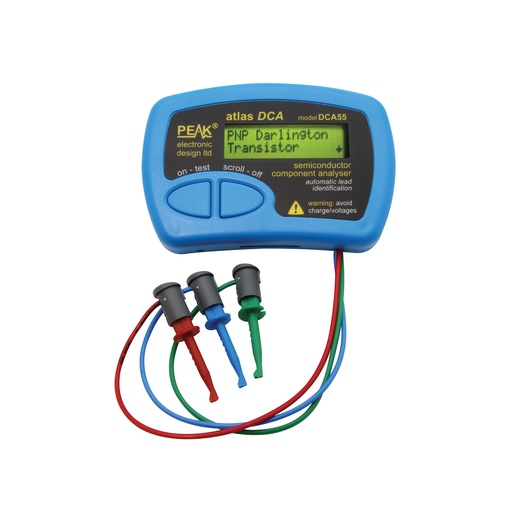
Identify electronic parts and investigate their electrical characteristics with a component analyser matched to the component type. This range includes Peak semiconductor analysers, LCR instruments, a capacitance and ESR meter, and a dedicated Zener diode analyser. They serve different bench tasks, from sorting unknown parts to examining a suspect capacitor.
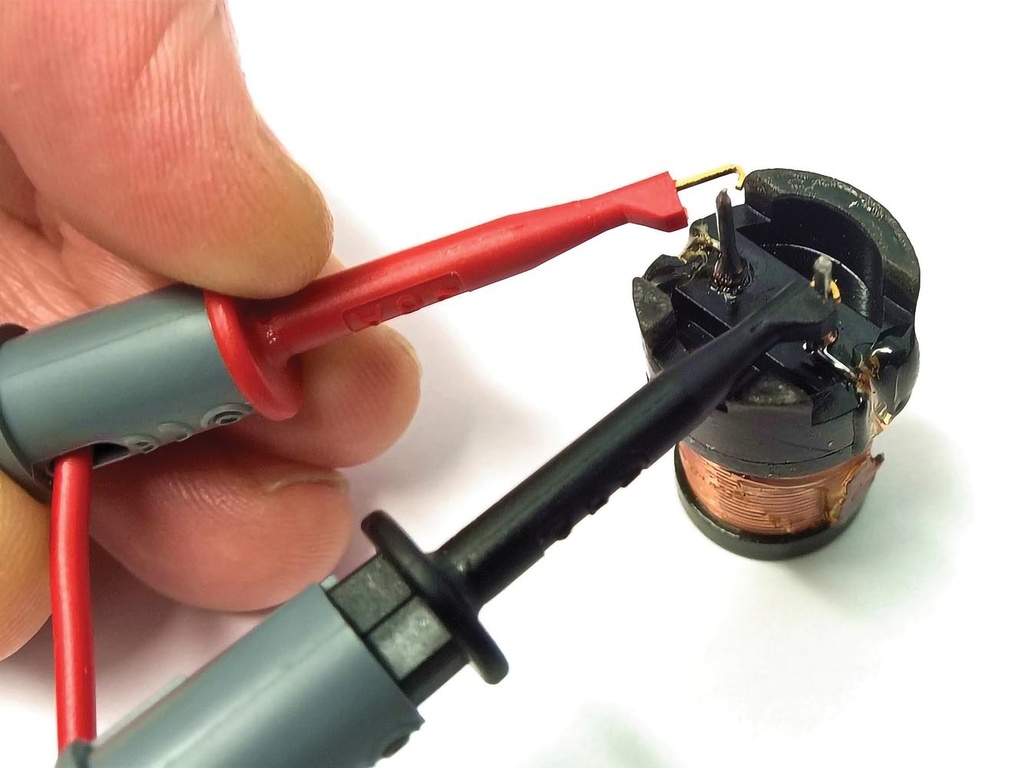
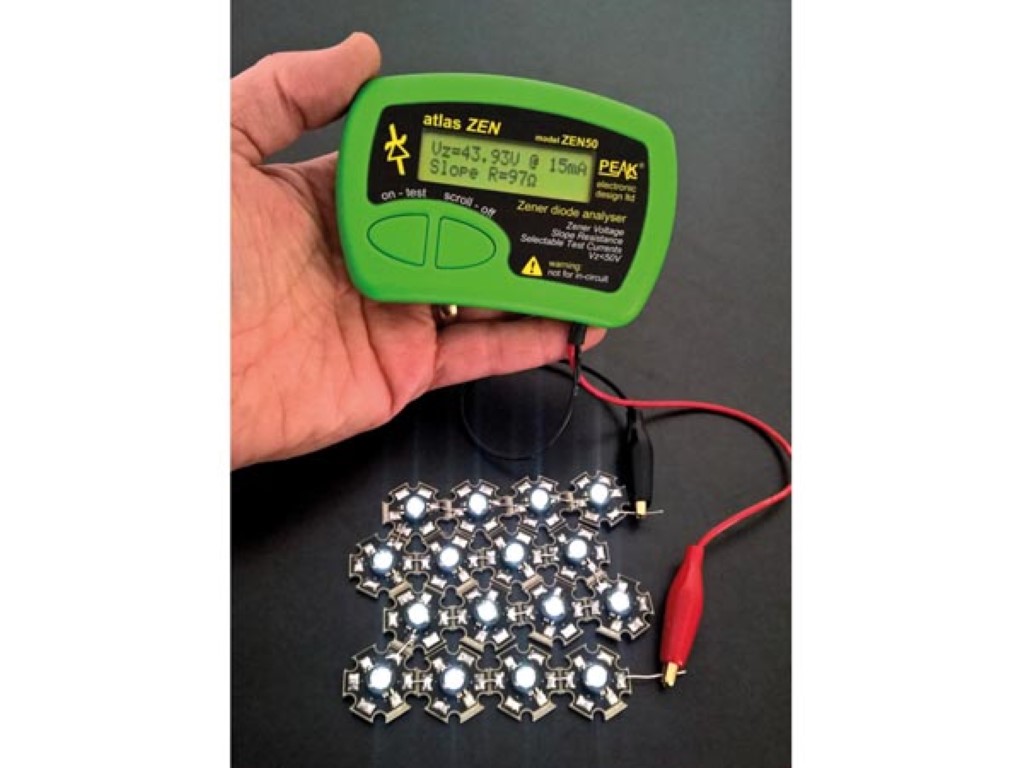
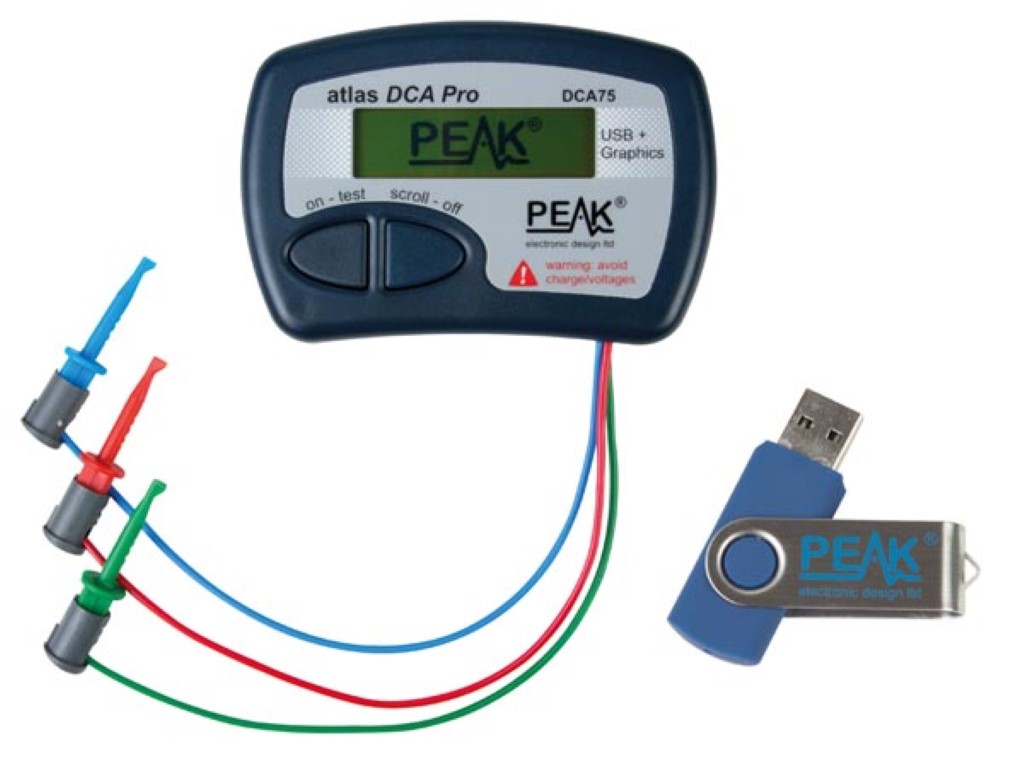
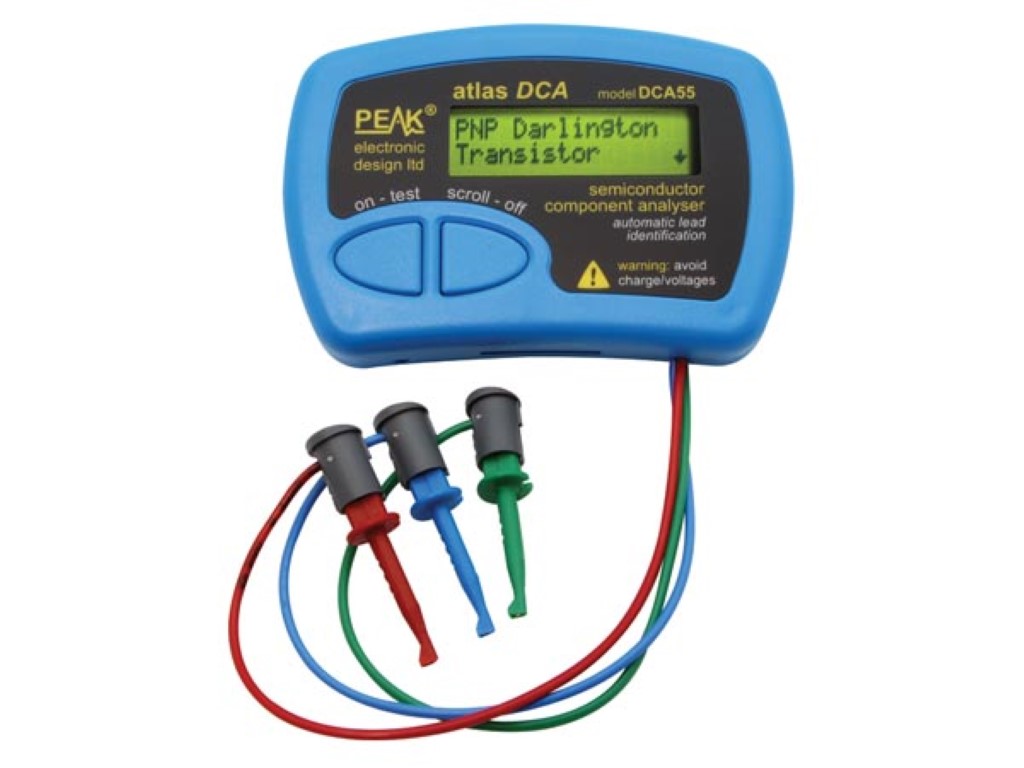
For semiconductor identification, compare the DCA55 with the DCA75, which adds curve-tracing capability through its PC software. For resistors, capacitors and inductors, look at the LCR40 and LCR45; check the measurement modes and test conditions rather than treating every LCR instrument as interchangeable. The ESR70 measures capacitance and equivalent series resistance, while the ZEN50 focuses on Zener diodes.
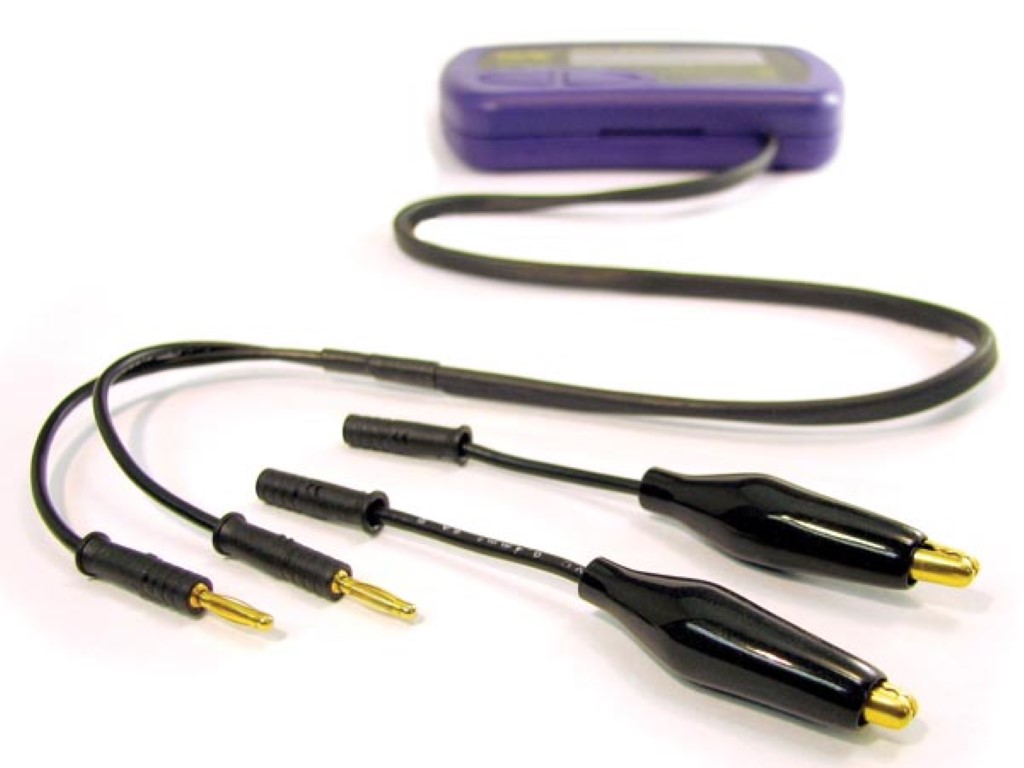
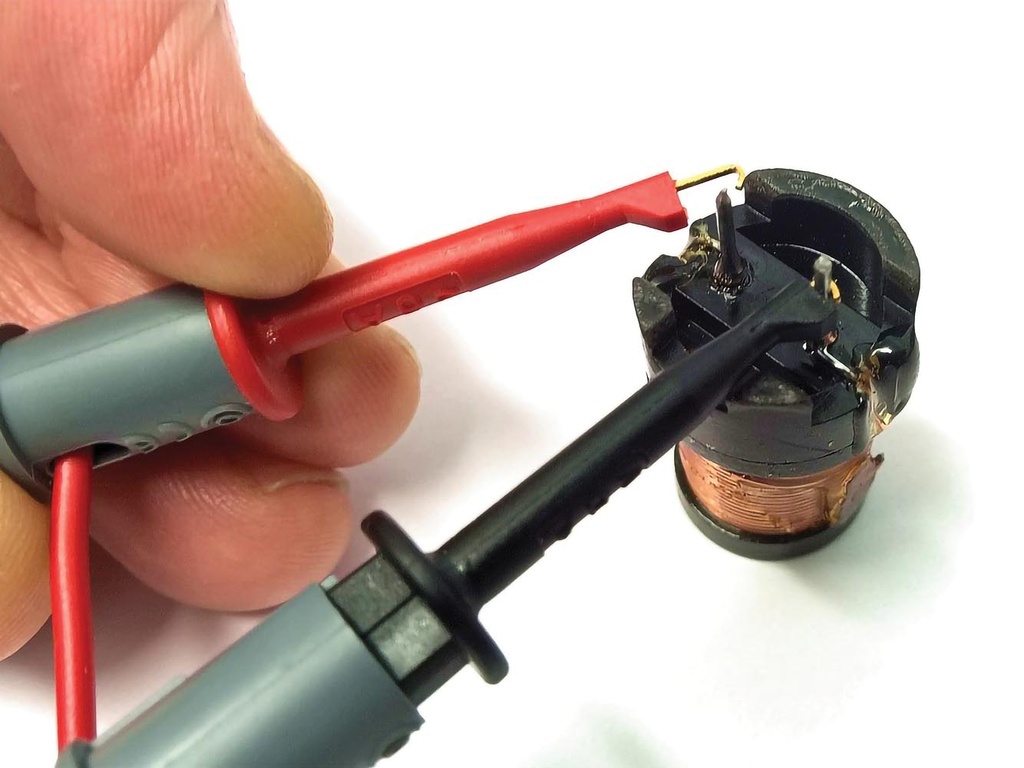
Start with the component families and value ranges you expect to measure. Lead access, the information shown on the display and any computer connection also affect everyday use. Check the supported devices and limitations in the individual manual before choosing.
Measurements depend on how a part is connected. Isolate components and discharge capacitors as instructed; nearby circuitry can change readings. Peak's dedicated instruments help answer specific component questions, so select by the parameter you need rather than the number of functions alone.
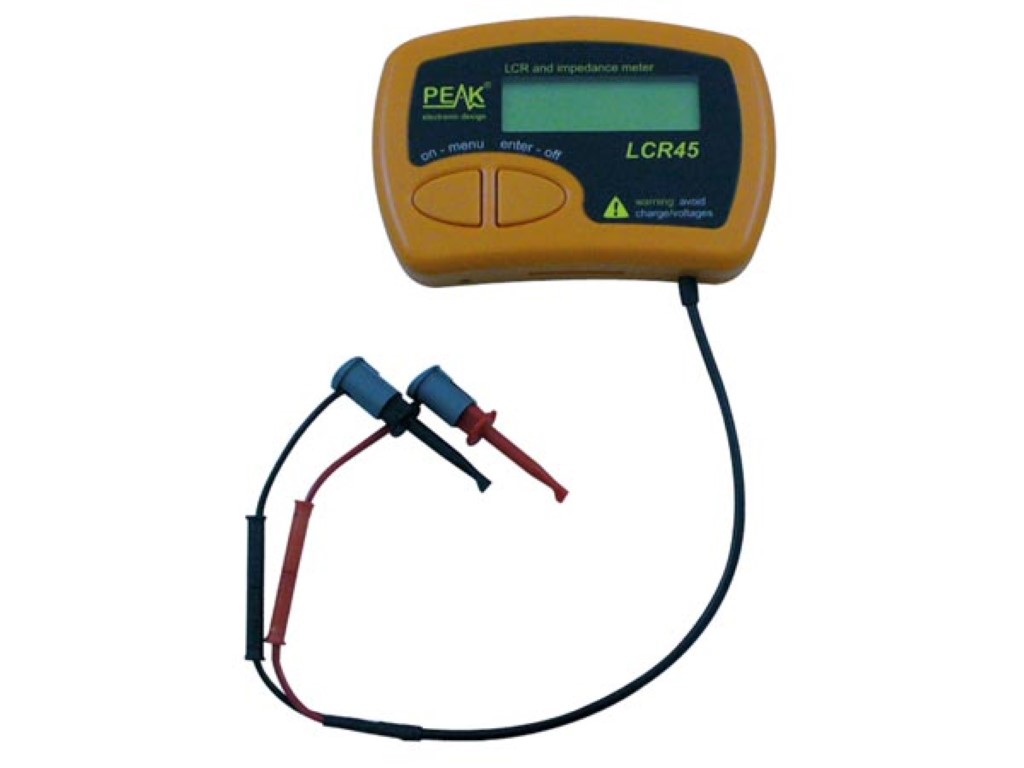
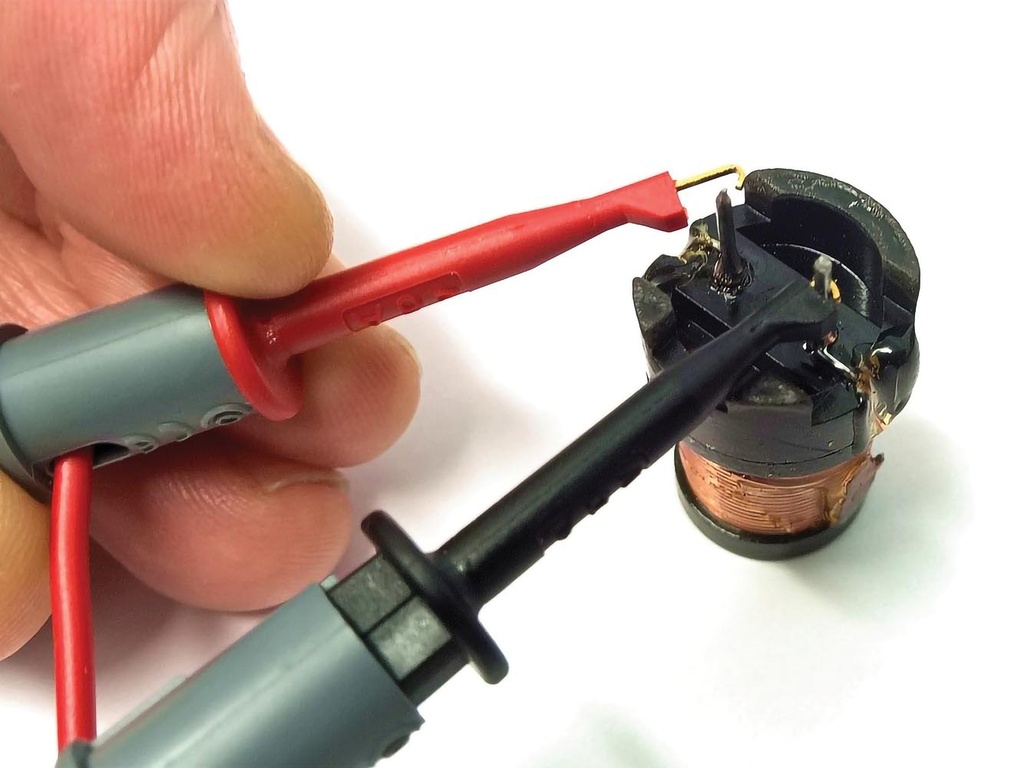
Choose by the components and parameters you need to examine. A semiconductor analyser helps identify supported devices and pinouts, an LCR meter measures passive components, and an ESR meter is especially useful when investigating capacitors.
An LCR meter measures inductance, capacitance and resistance. An ESR meter focuses on equivalent series resistance, particularly useful for electrolytic capacitors. Capacitance and ESR describe different properties, so one reading does not replace the other.
A suitable semiconductor analyser can identify supported transistor types and their pin connections. Detection depends on device type and the analyser's test limits. It does not replace a datasheet for maximum ratings or application design.
That depends on the instrument and surrounding circuitry. Some ESR measurements are possible in-circuit, but parallel components can influence results. Test only unpowered equipment and safely discharged components; isolated testing helps resolve ambiguous readings.
Computer connectivity is useful when you need supported curve tracing, exported results or further analysis. Basic handheld identification may be sufficient for sorting and repair. Choose the model around required measurements rather than assuming every analyser needs a computer.