8.22 €
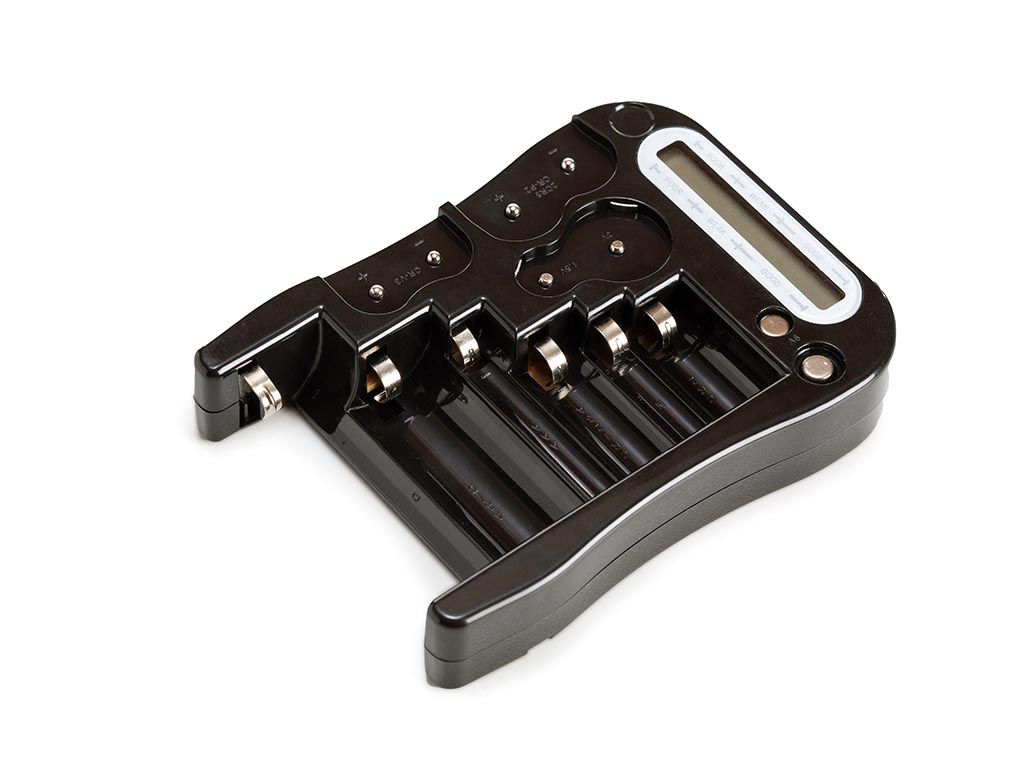
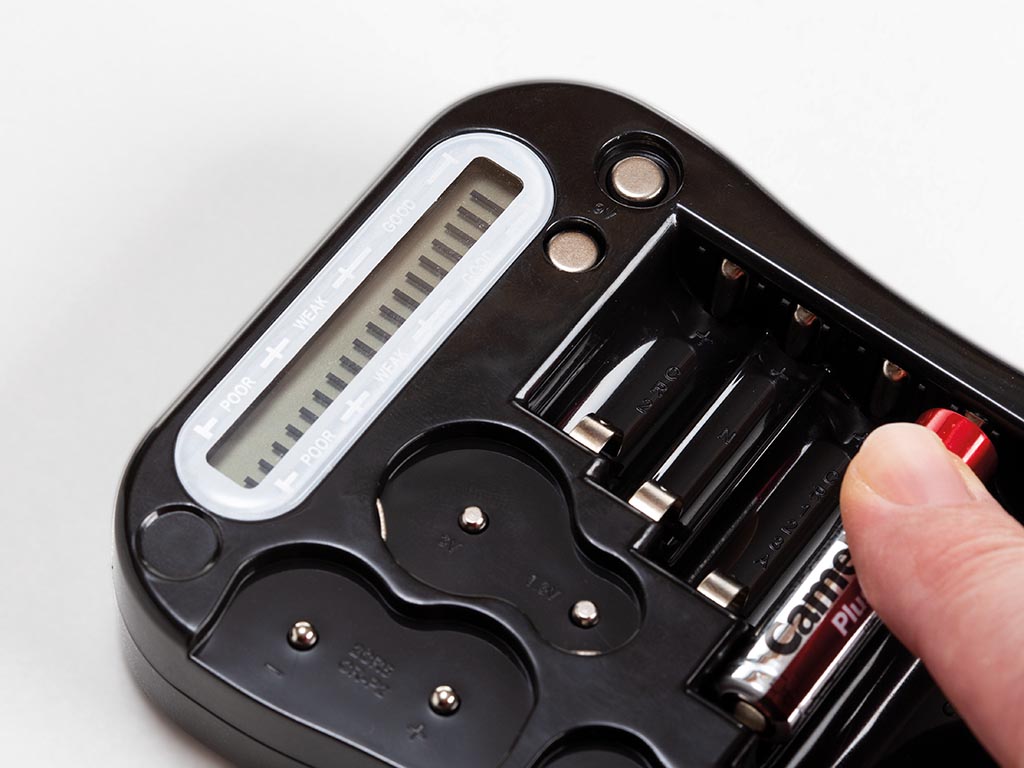
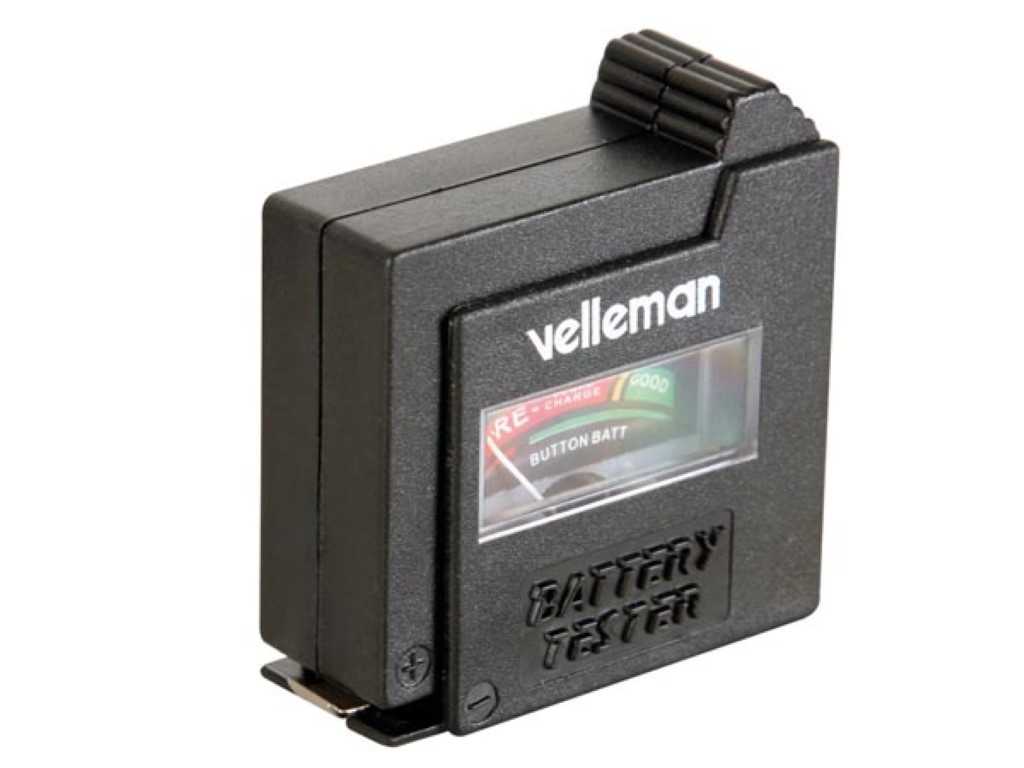
Find out which household batteries are worth keeping with a battery tester that matches their size and voltage. Choose between the pocket BATTEST and the BATTEST2 with LCD display. The range is intended for checking individual batteries, with the supported formats determining which tester suits your drawer of spare cells.
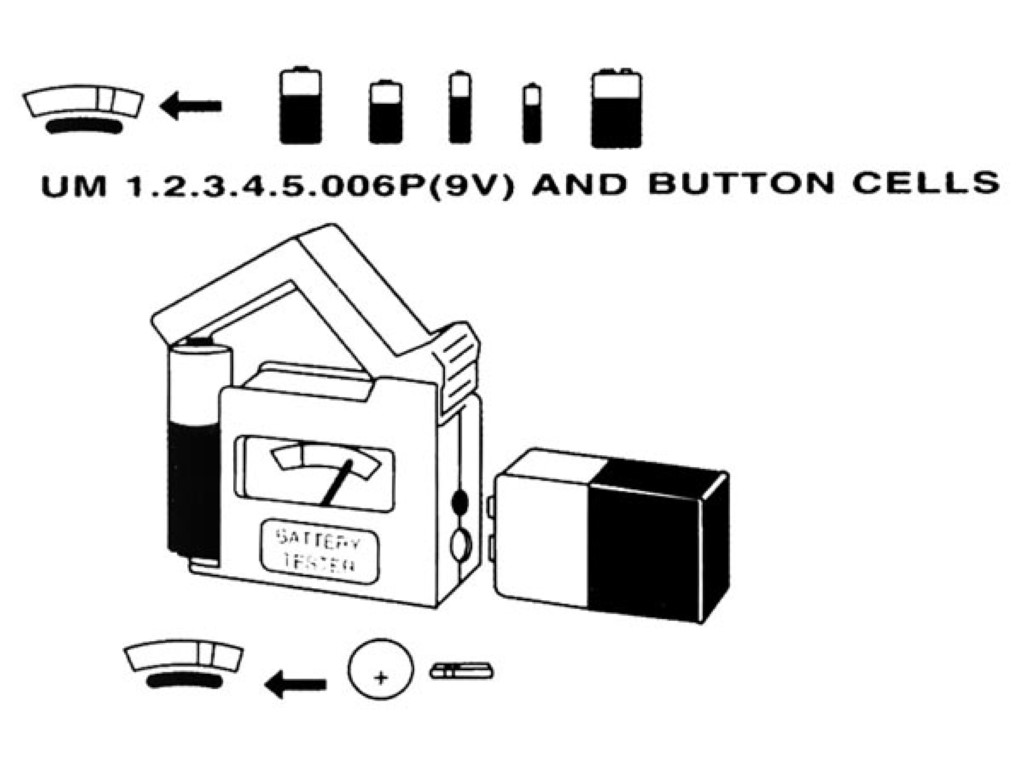
Start with the battery types you actually use. The BATTEST2 supports common AAA, AA, C, D and 9 V formats, plus specified photo batteries and button cells. Check the exact list for less familiar formats rather than assuming that a similar-looking cell will fit. The pocket model suits a simpler, compact checking routine.
An easy-to-read indication helps you sort cells before putting them back into service. A battery test is a snapshot of its condition under the tester's method; it does not directly state the remaining running time in every appliance. Match the contacts and polarity as instructed, and keep different battery types separate when interpreting results.
Choose by the battery sizes and types you actually use. A pocket tester suits common household cells; a more versatile LCD tester adds supported photo-battery formats. Match the named battery format rather than judging only by physical fit.
An analogue tester gives a quick visual indication on a scale. An LCD tester presents the result digitally and may support more battery formats. Choose around readability and supported batteries, not the display technology alone.
A condition indication is not the same as a controlled capacity test in mAh. It helps you sort batteries by condition, but does not guarantee exact runtime in a device with a particular power demand.
A battery tester offers contacts for supported cell formats and a quick condition indication. A multimeter gives a numerical voltage reading and serves other electrical measurements too. Choose according to the batteries you handle and the information you need.
Only use formats and chemistries explicitly supported by that tester. Similar-looking cells can have different nominal voltages. A battery fitting between the contacts does not establish that the test method is suitable.