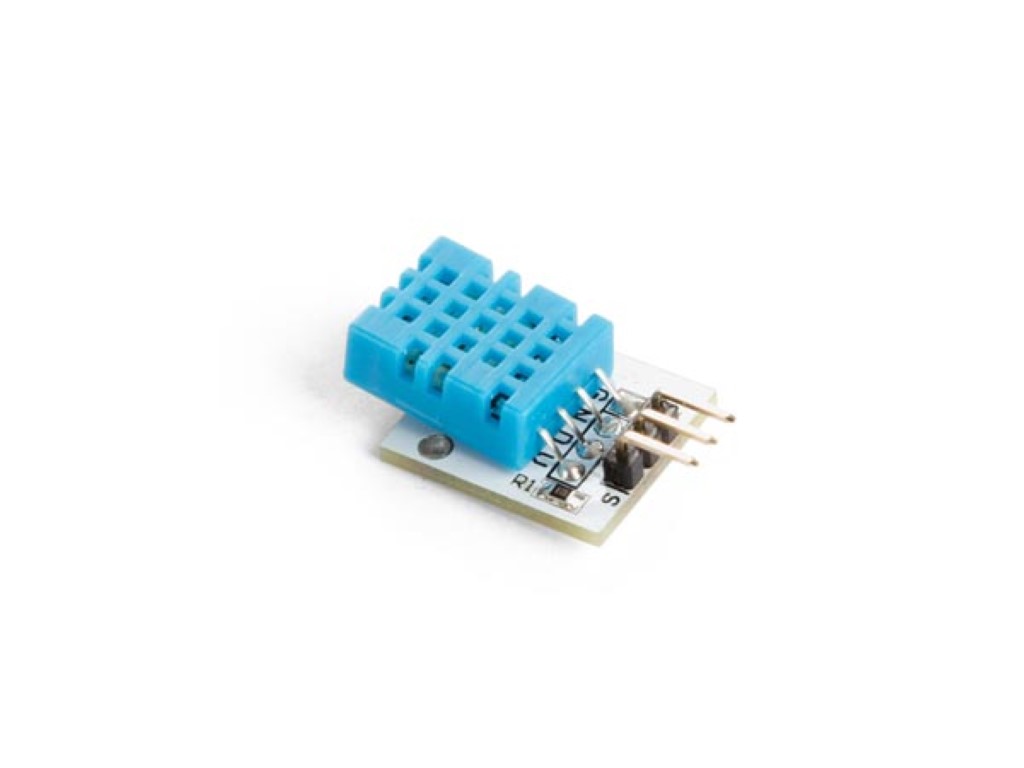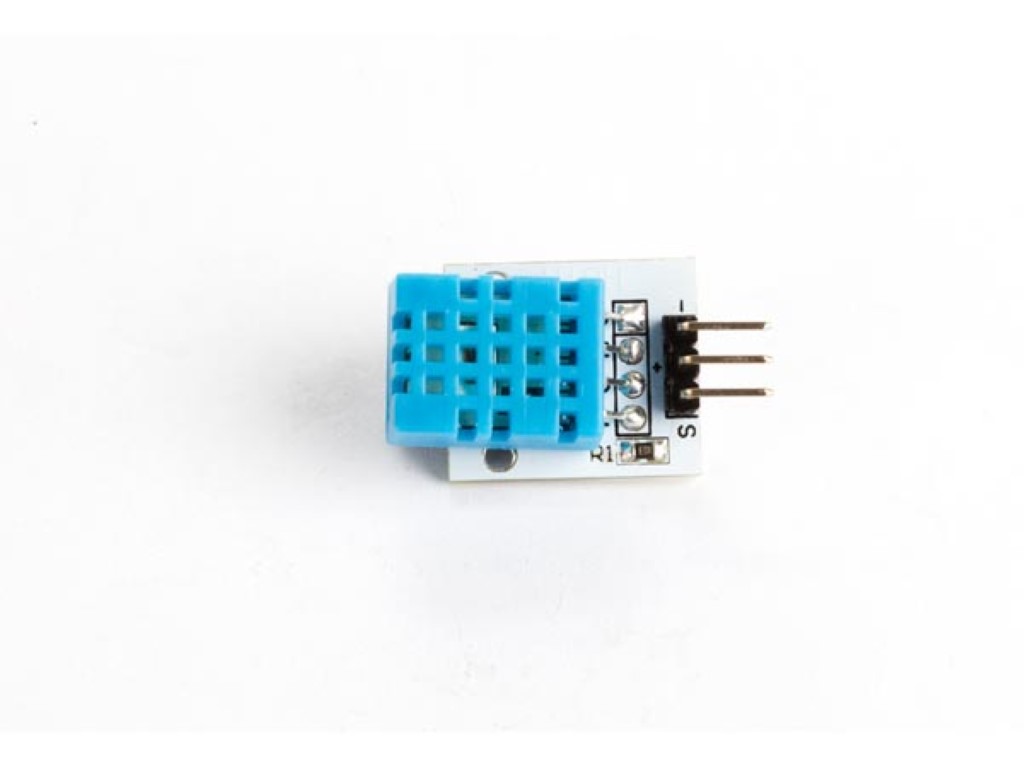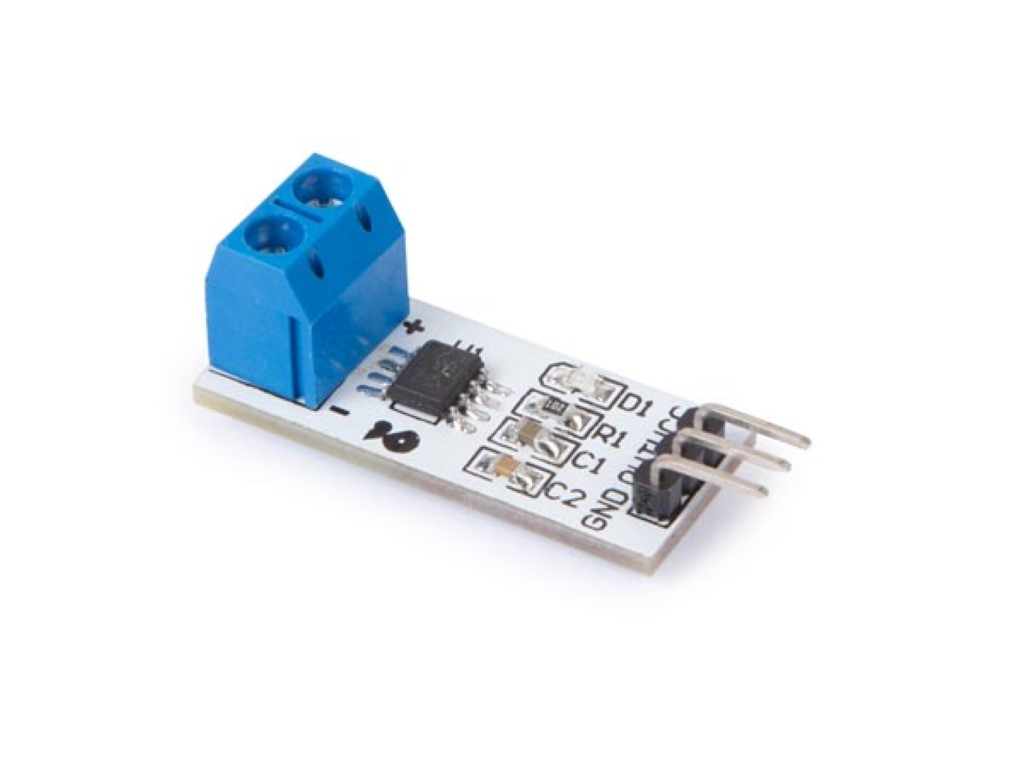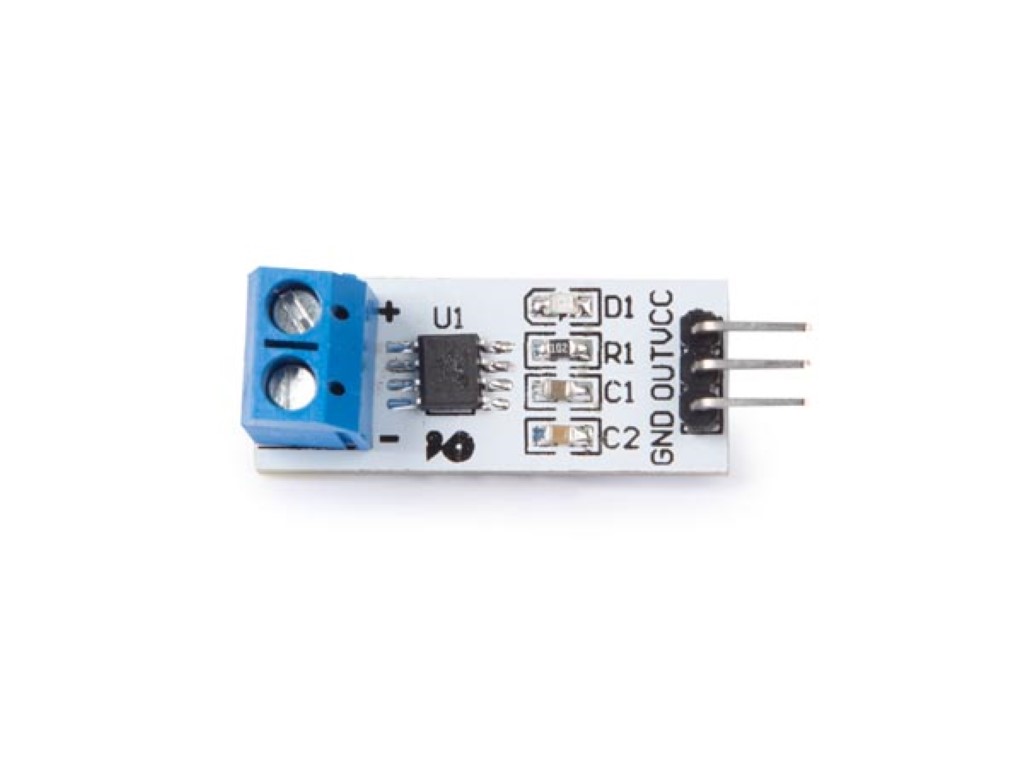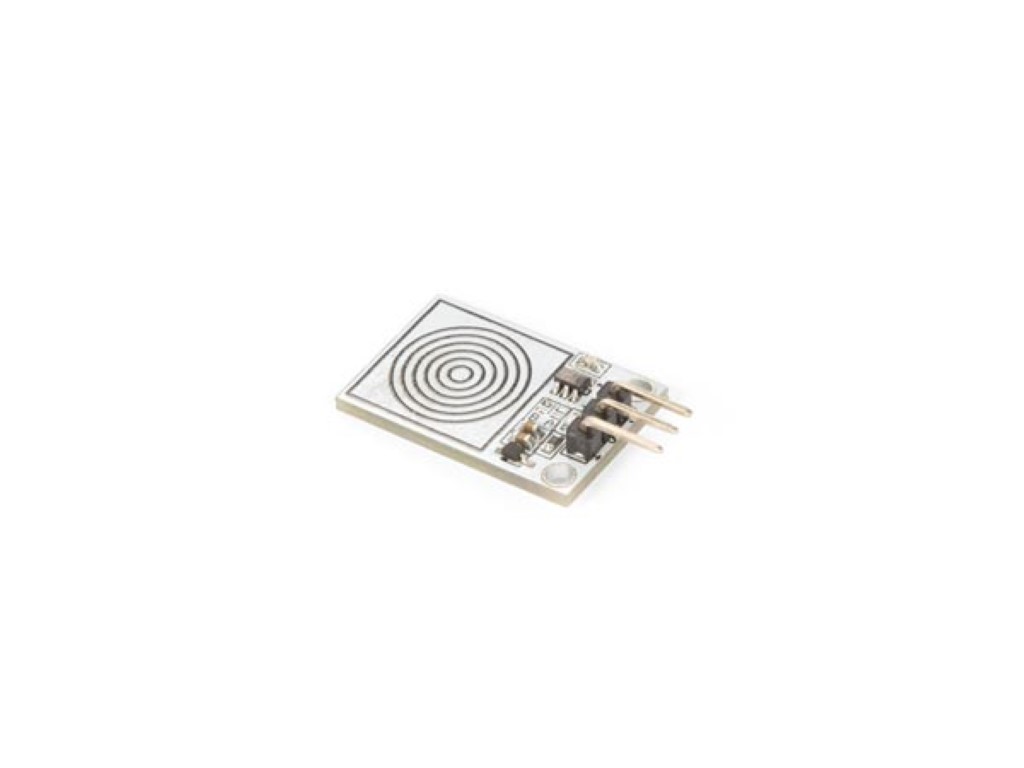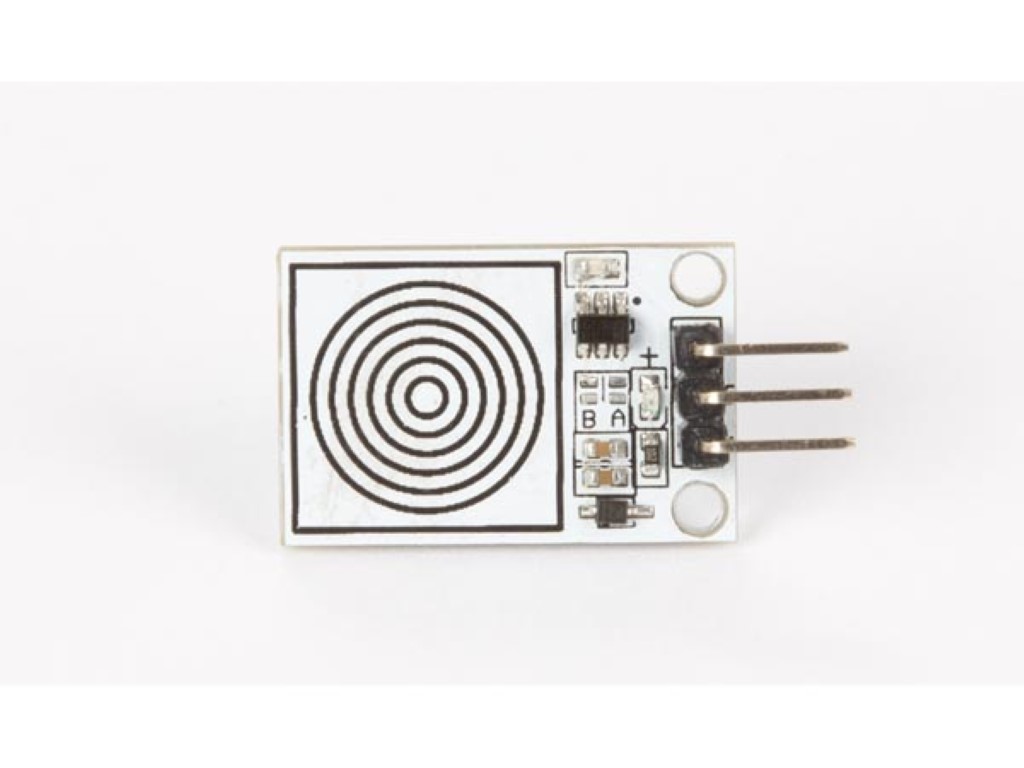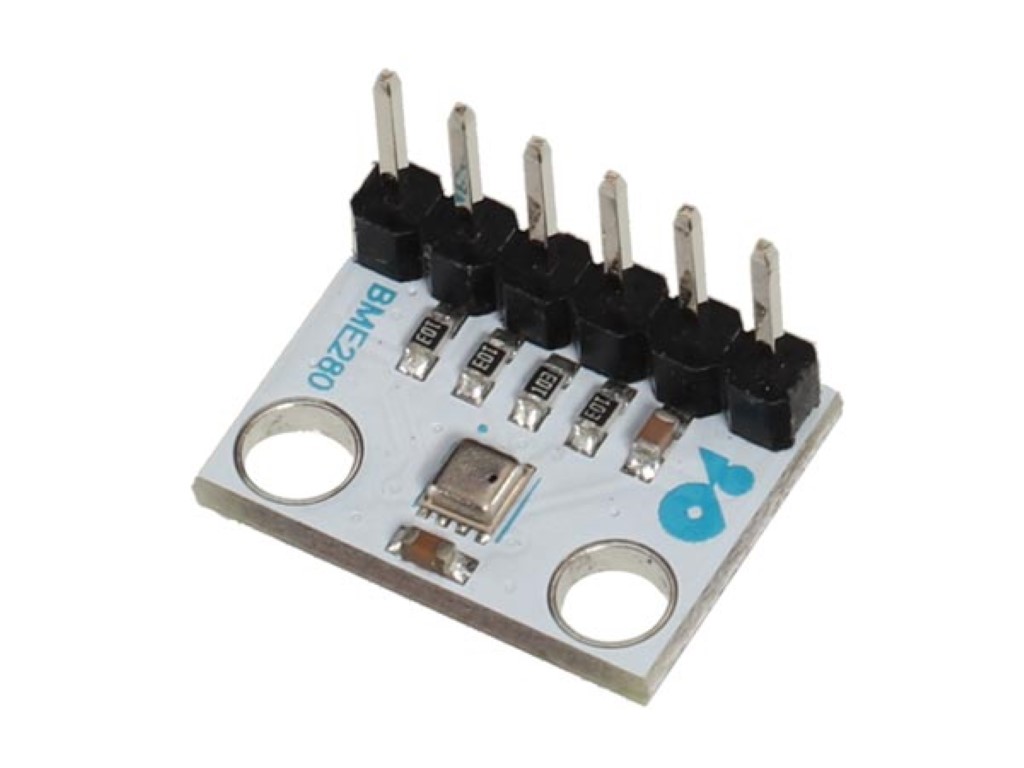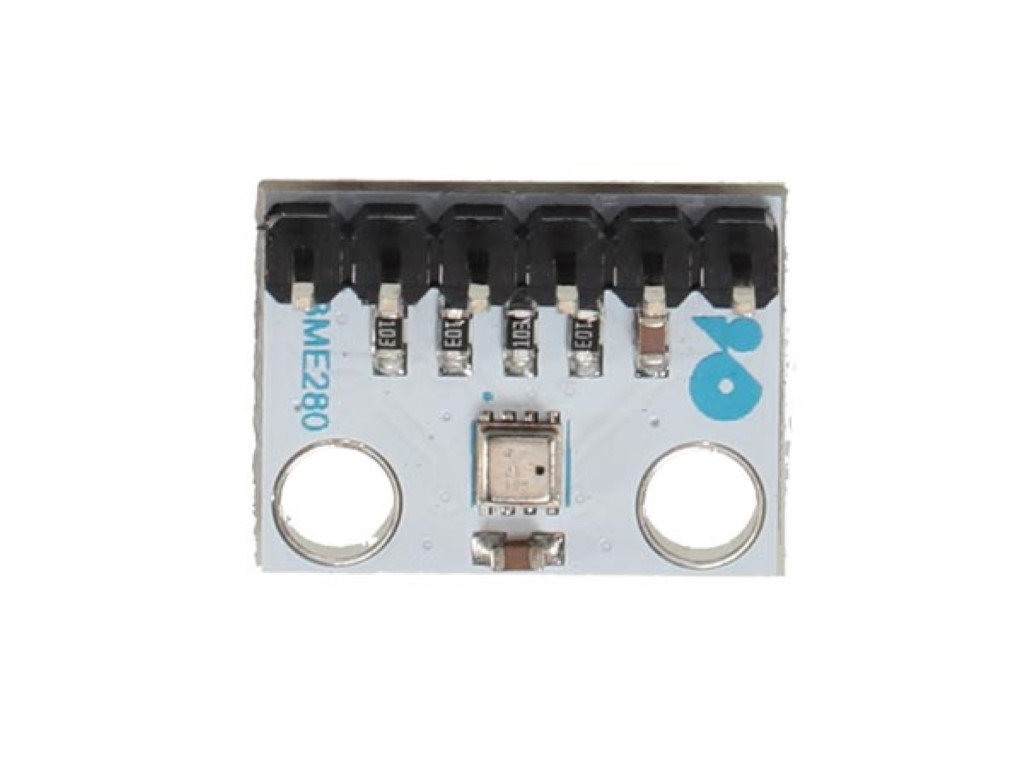
11.53 €
Let your Arduino-compatible project respond to its surroundings with a sensor matched to the task. This range covers temperature and humidity, air pressure, motion, distance, touch, magnetic and inductive detection, sound, current and water-related measurements. Choose what you need to detect before comparing the sensor’s electrical and physical requirements.
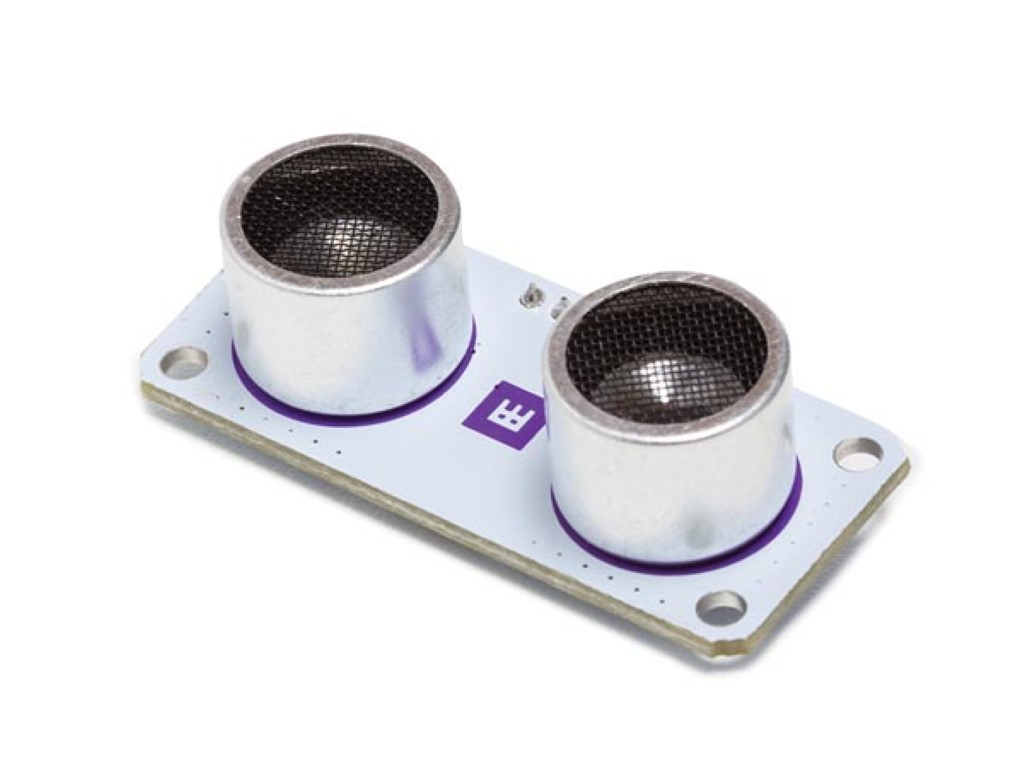
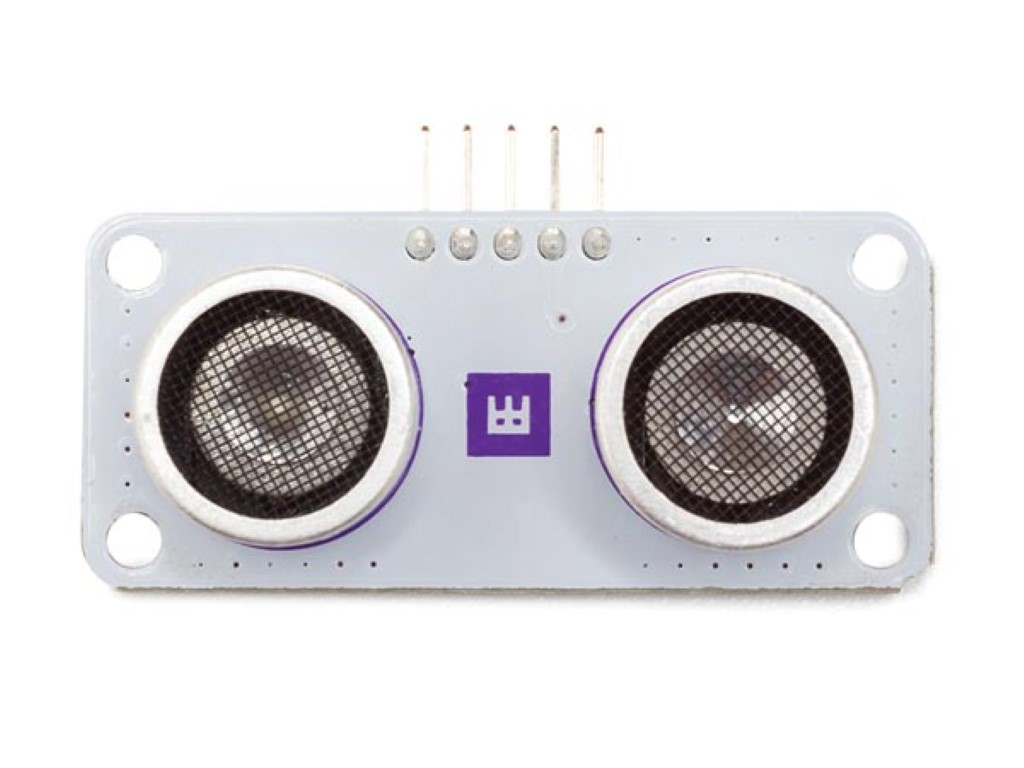
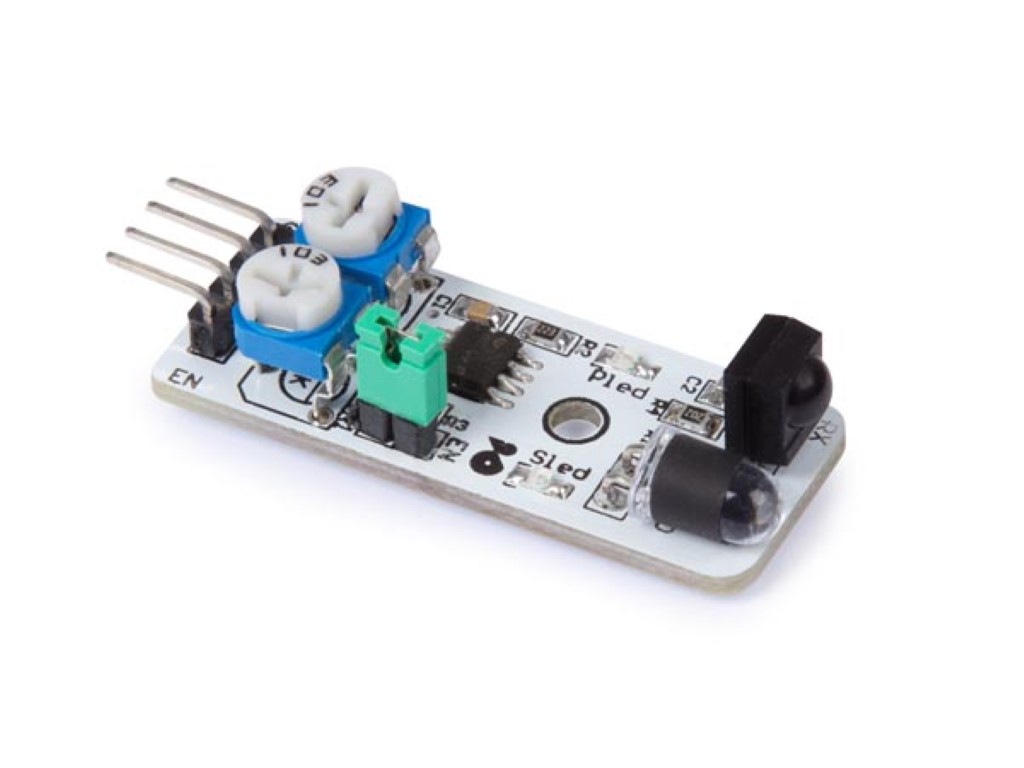
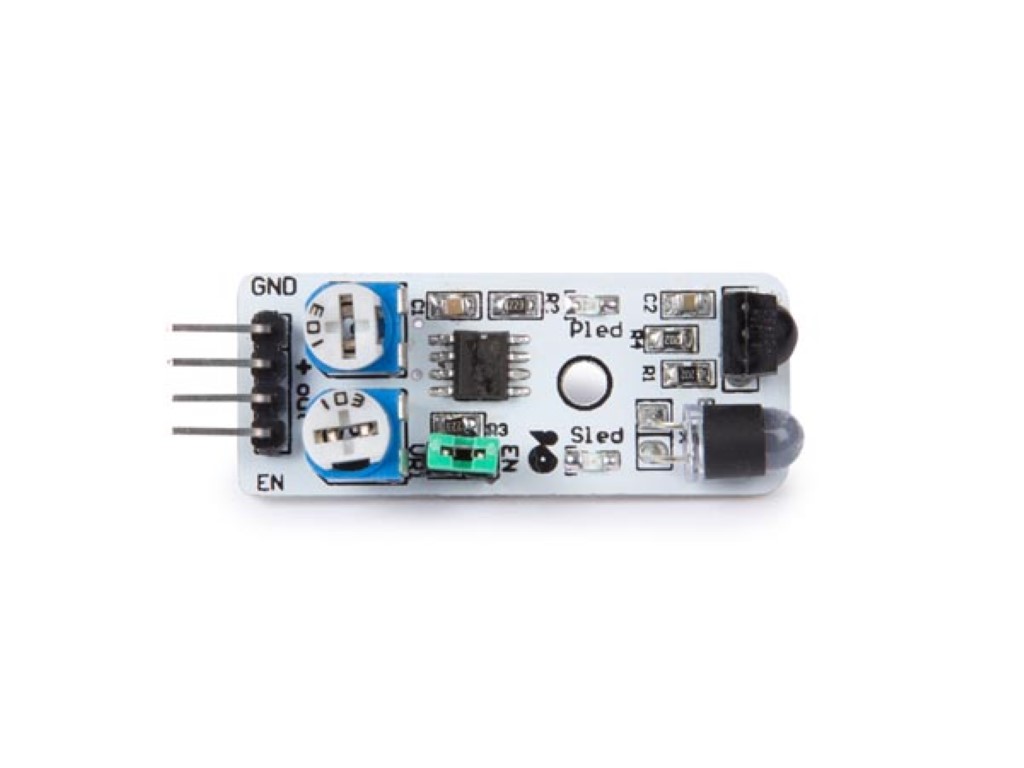
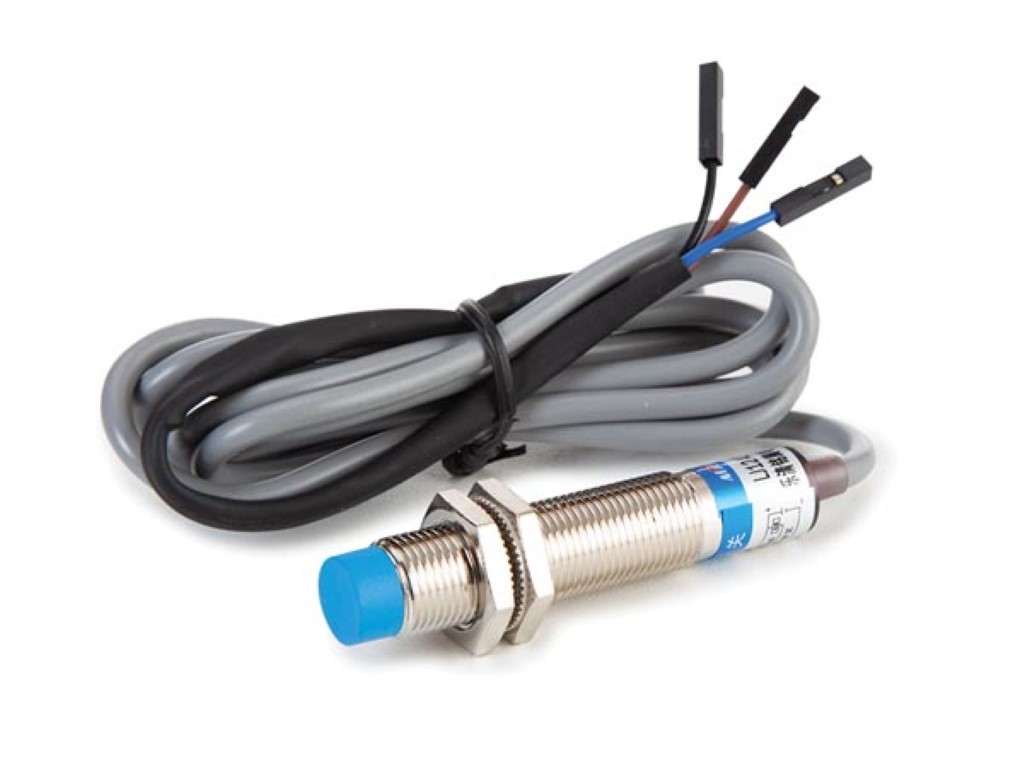
A BME280 combines temperature, humidity and pressure, while other modules target a single condition or switching event. An ultrasonic distance sensor, PIR motion sensor and inductive proximity switch detect different things, so their range figures are not interchangeable.
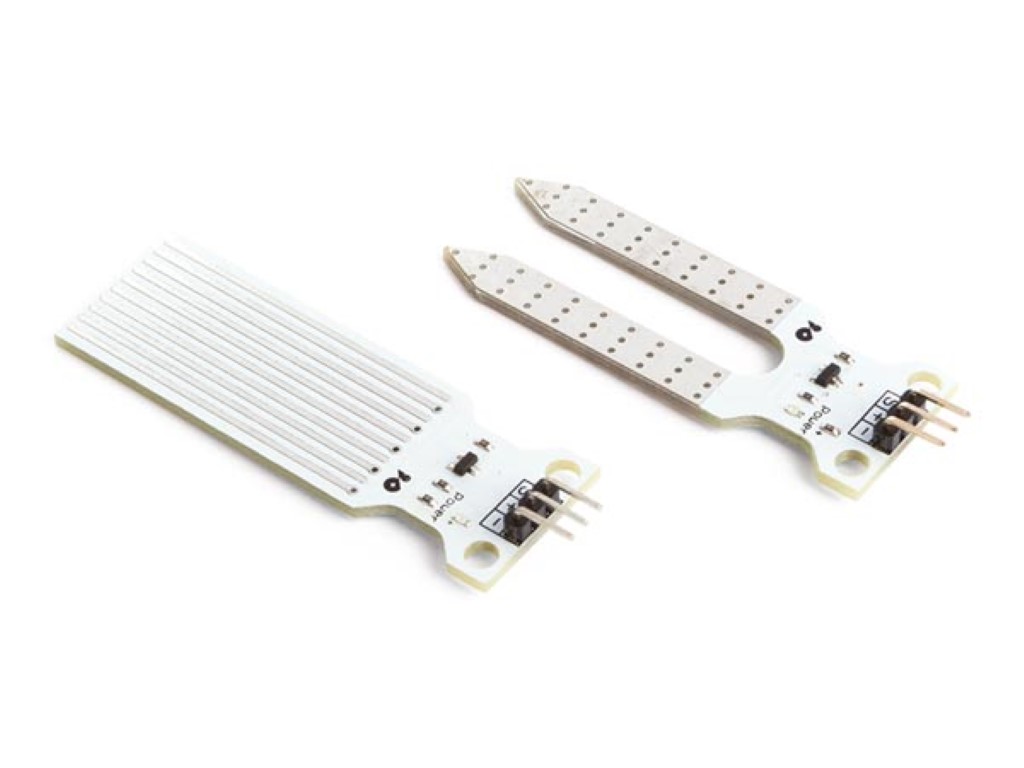
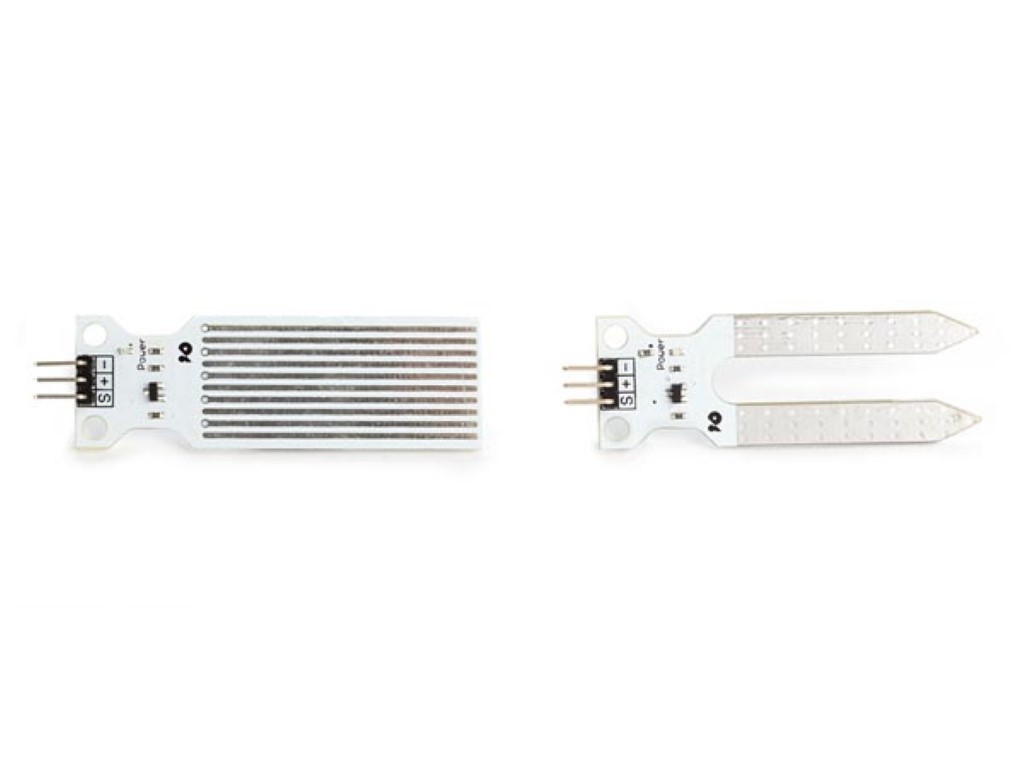
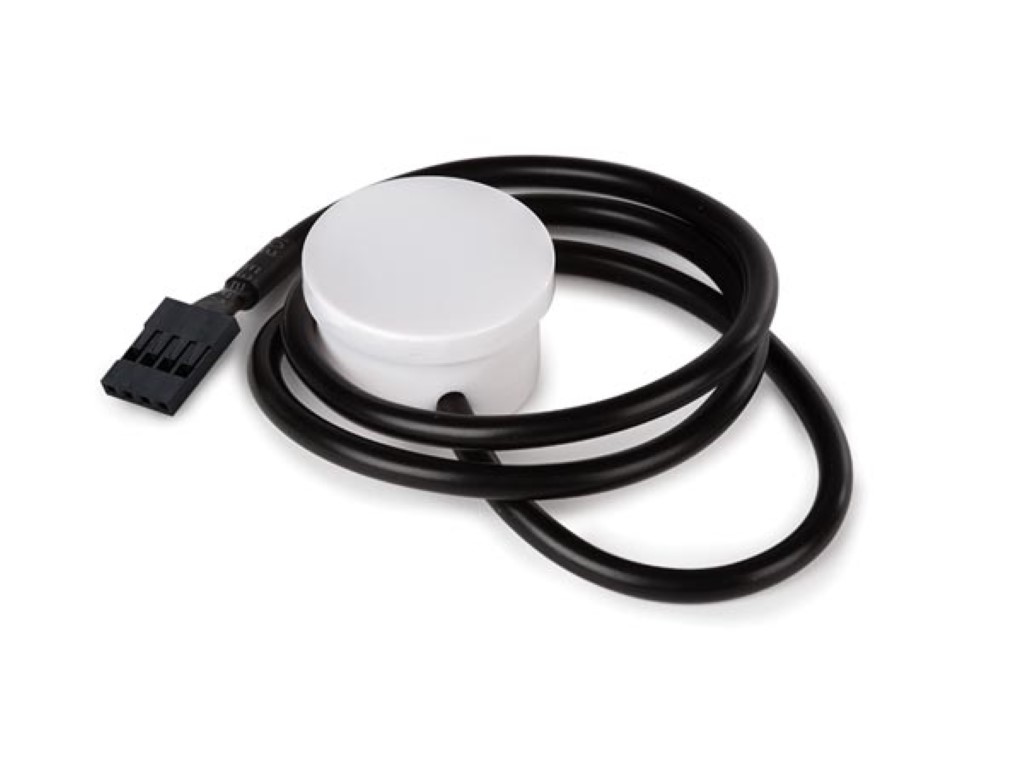
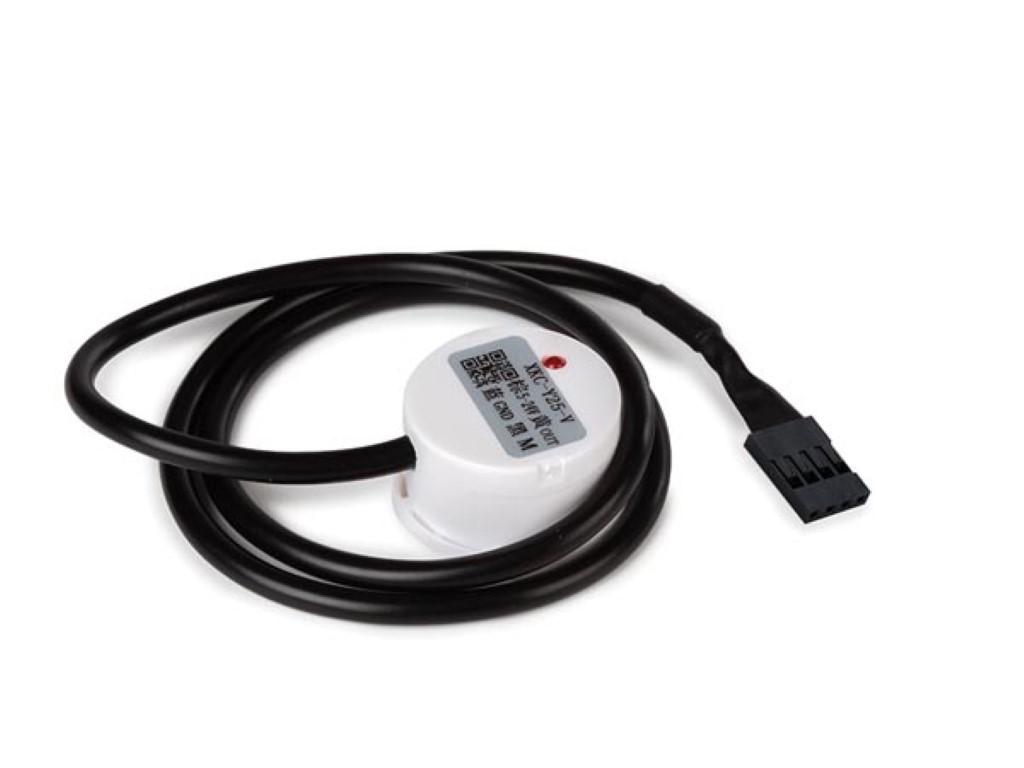
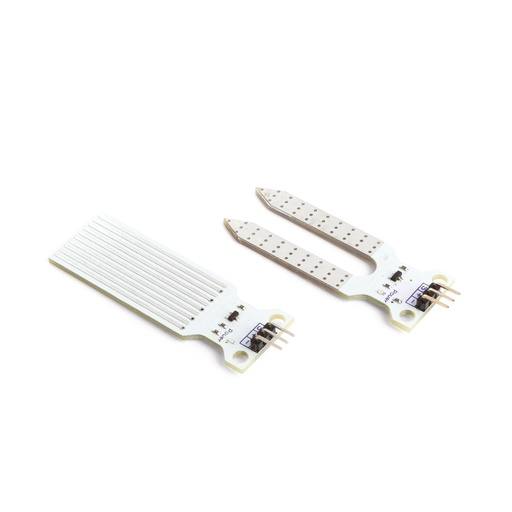
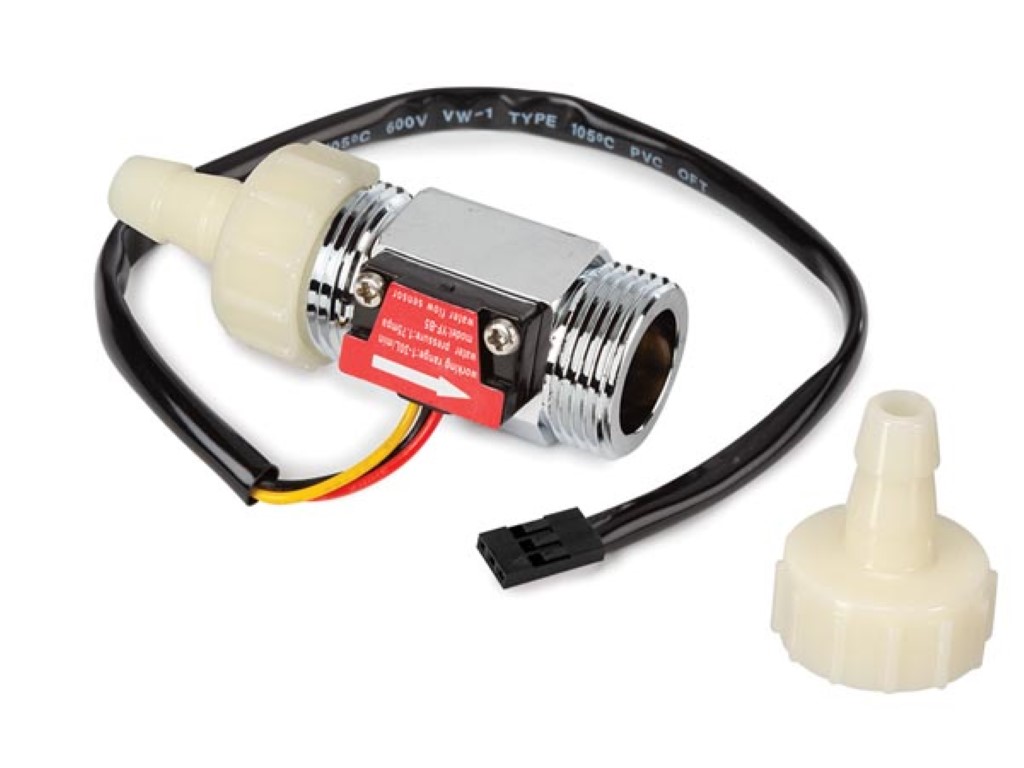
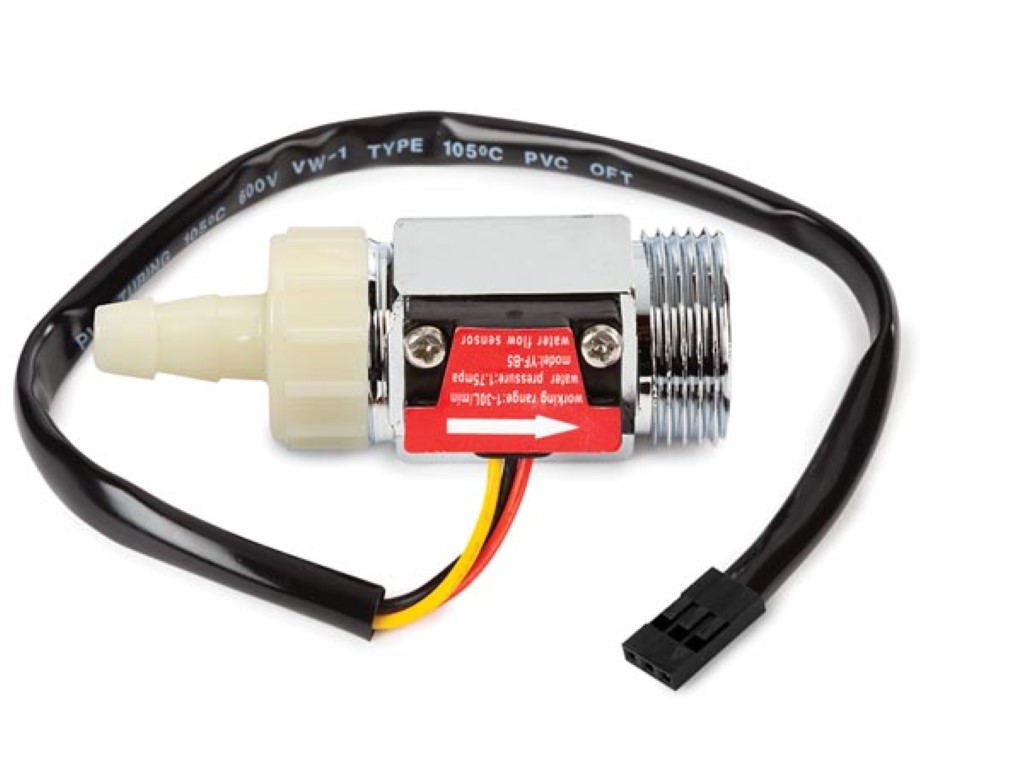
For water projects, distinguish flow, soil moisture and liquid-level detection. A contactless level sensor needs the specified container arrangement. Check the documentation before adding power or writing code; sensing range alone does not establish compatibility or suitability for outdoor installation.
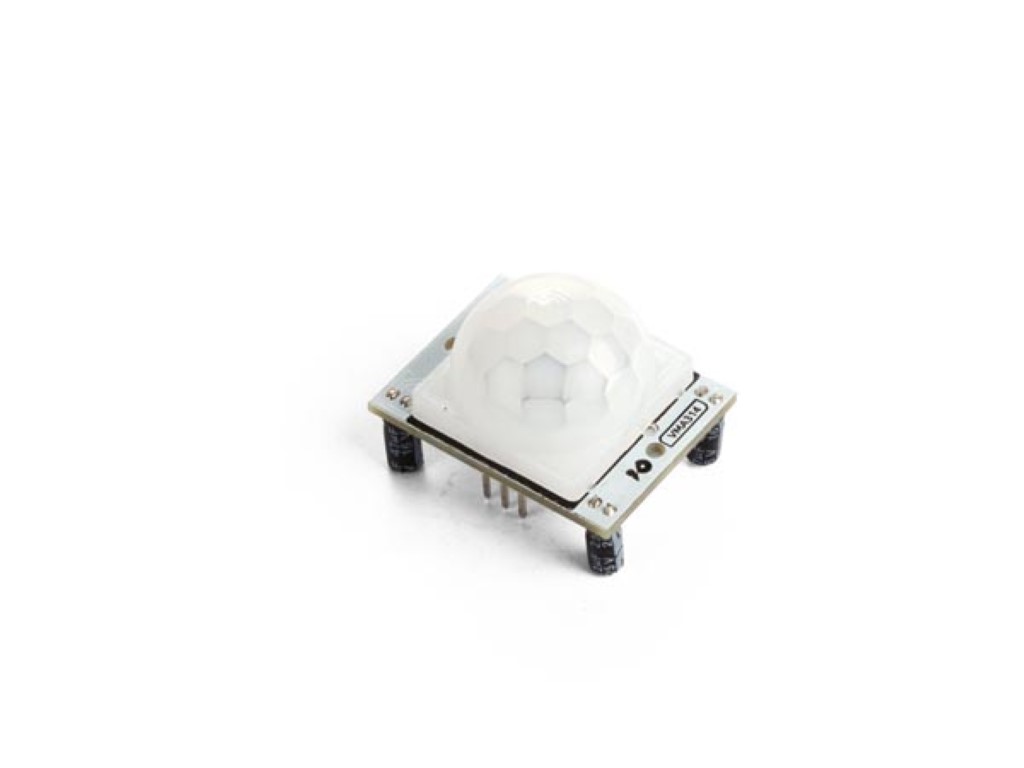
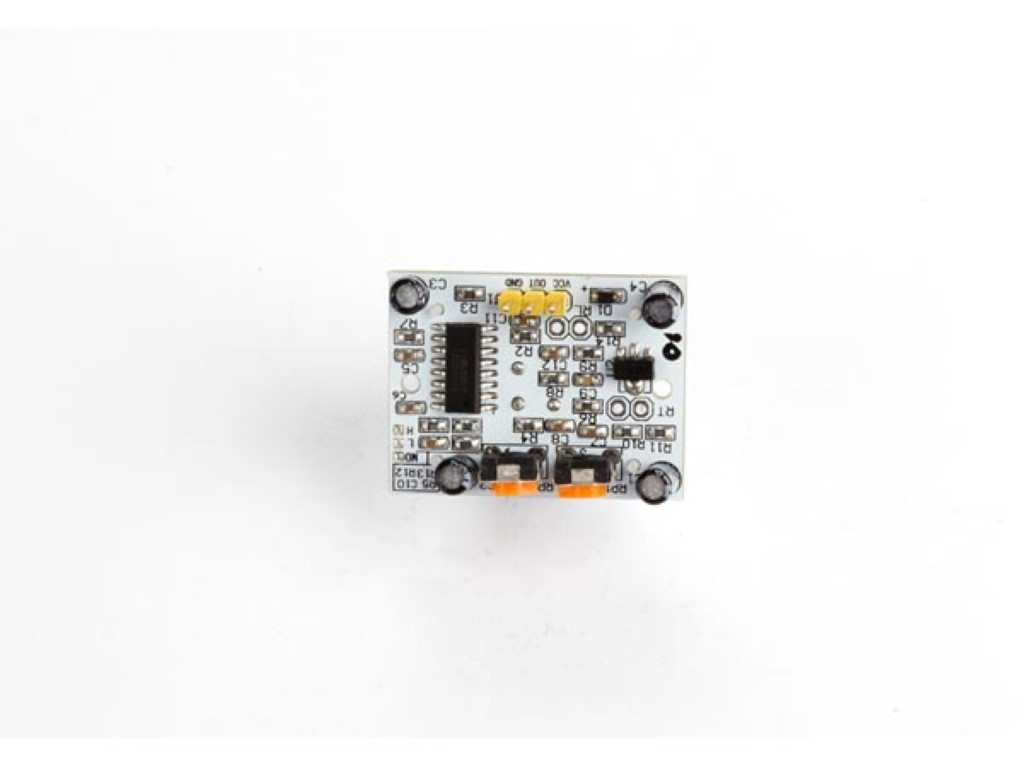
Choose the quantity or event first: temperature, humidity, distance, movement, liquid level or another input. Then compare measurement range, accuracy, response time, output type and supply requirements. A sensor should fit the task, not just the connector.
An analogue output varies as a voltage that the controller measures. A digital output may be a switching signal or data sent using a protocol. Match the output to the board's inputs and the software needed to interpret it.
Choose motion detection to trigger an action when movement is detected. Choose a distance sensor when the project needs a measured distance to an object. Detecting movement and measuring position are different tasks.
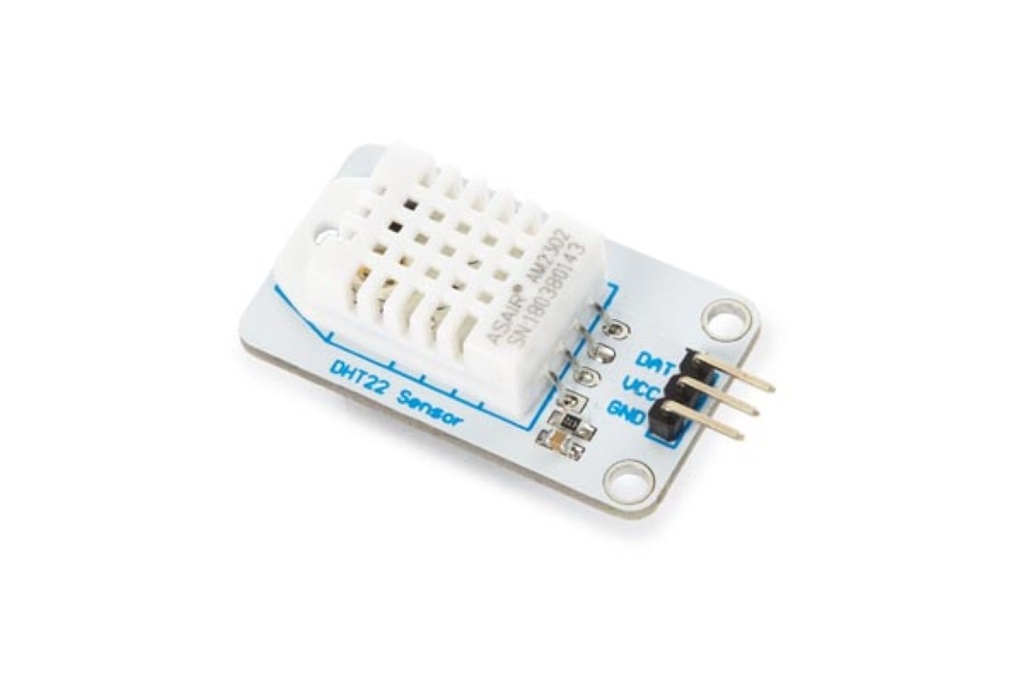
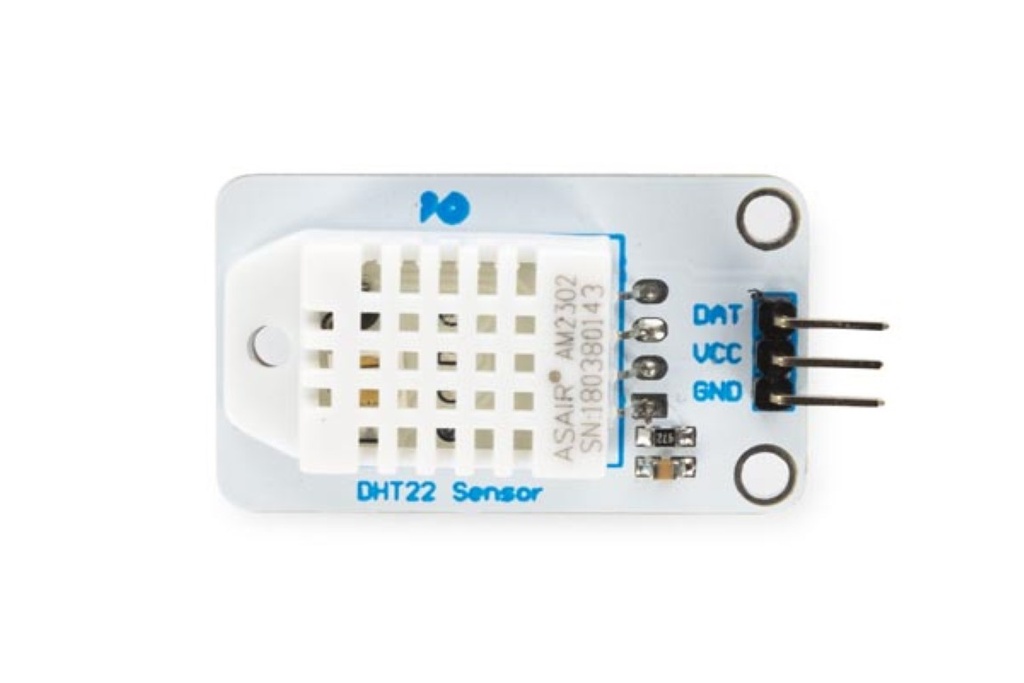
Some combined sensors measure several environmental quantities; other modules measure only one or two. Select the combination your project needs, then compare the individual ranges and accuracy. Do not assume all environmental sensors provide identical measurements.
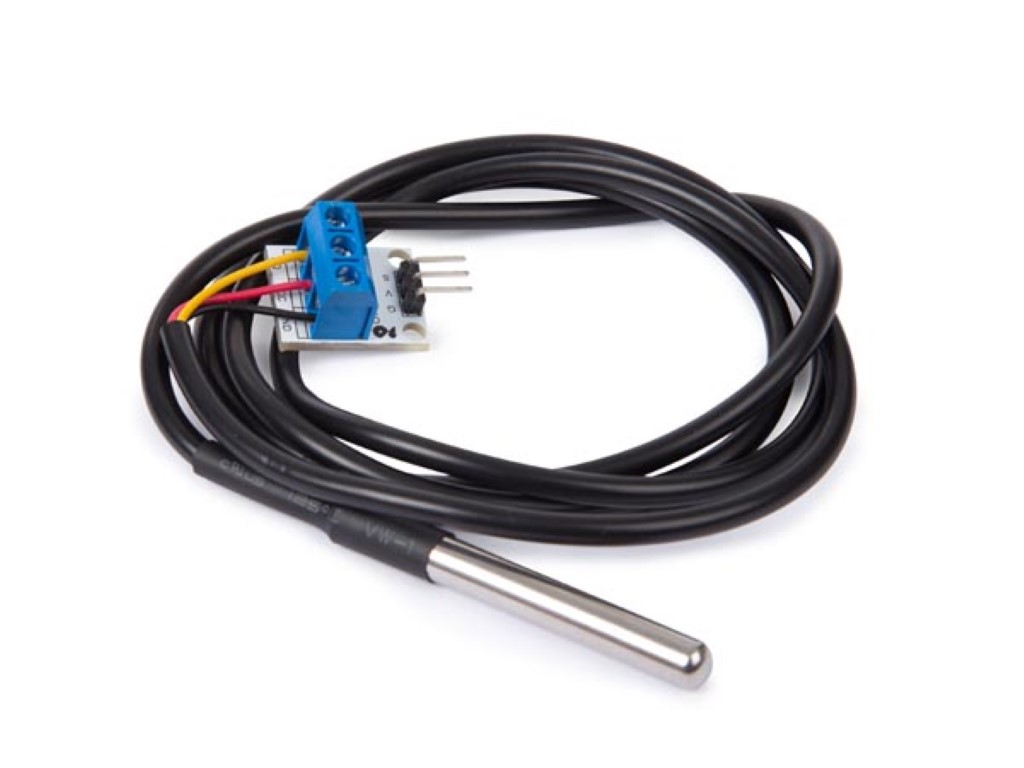
Only the parts designed for those conditions should be exposed. A waterproof probe does not make its interface board waterproof, and measuring water level does not imply the whole module can be submerged. Plan protection and placement accordingly.