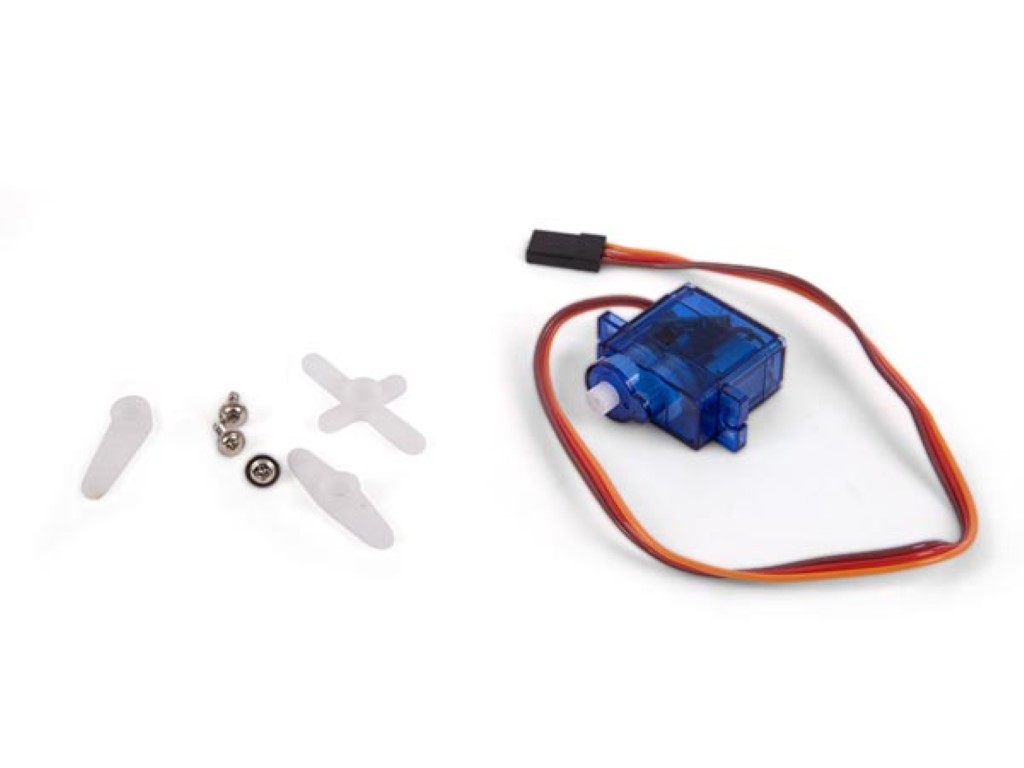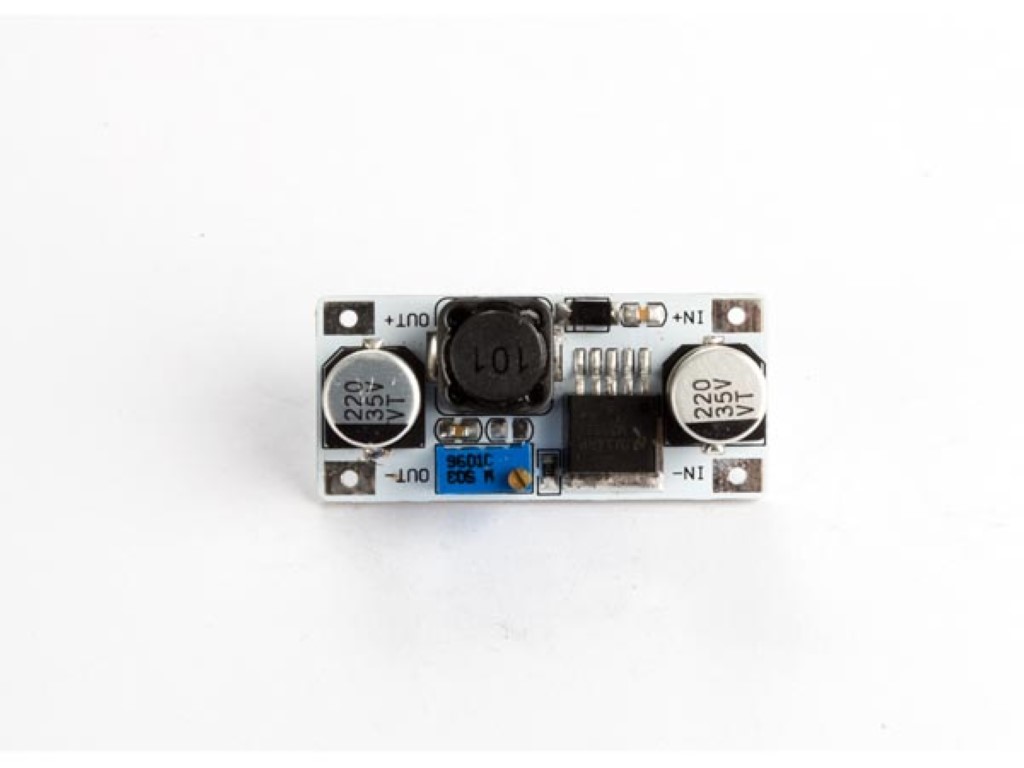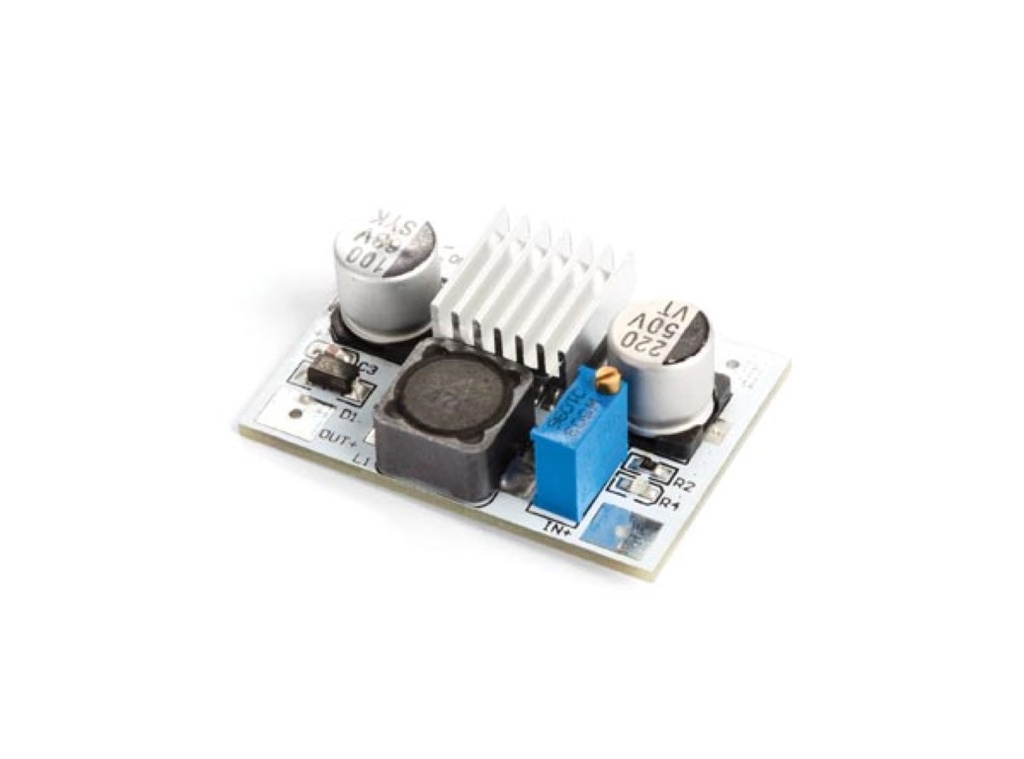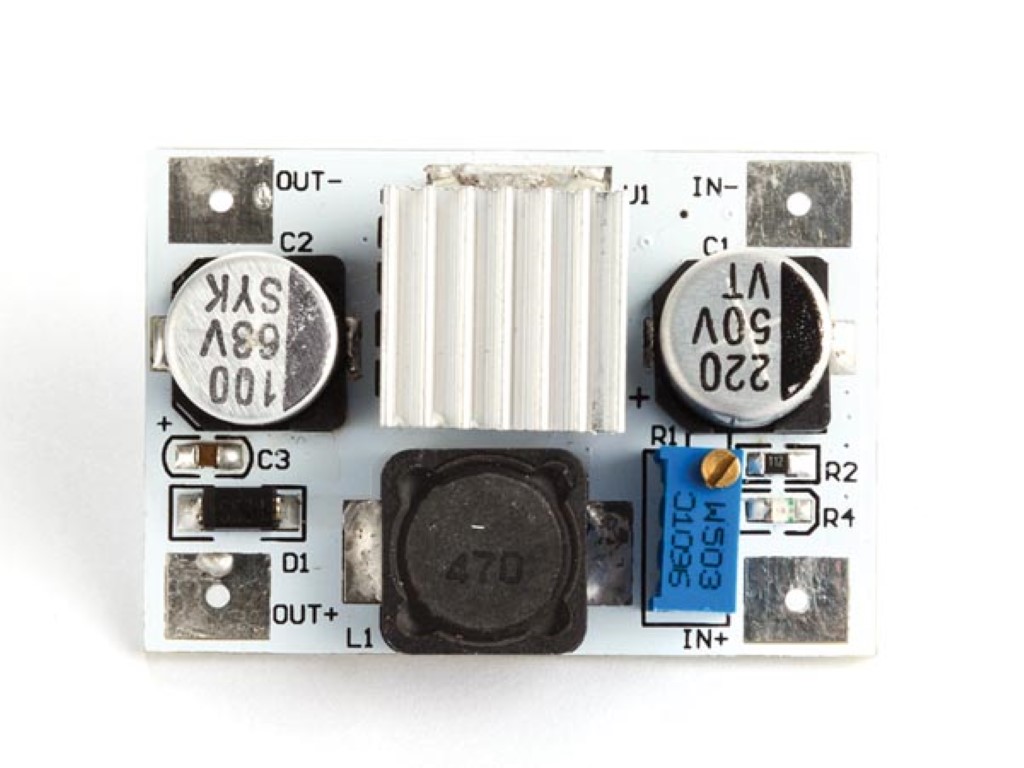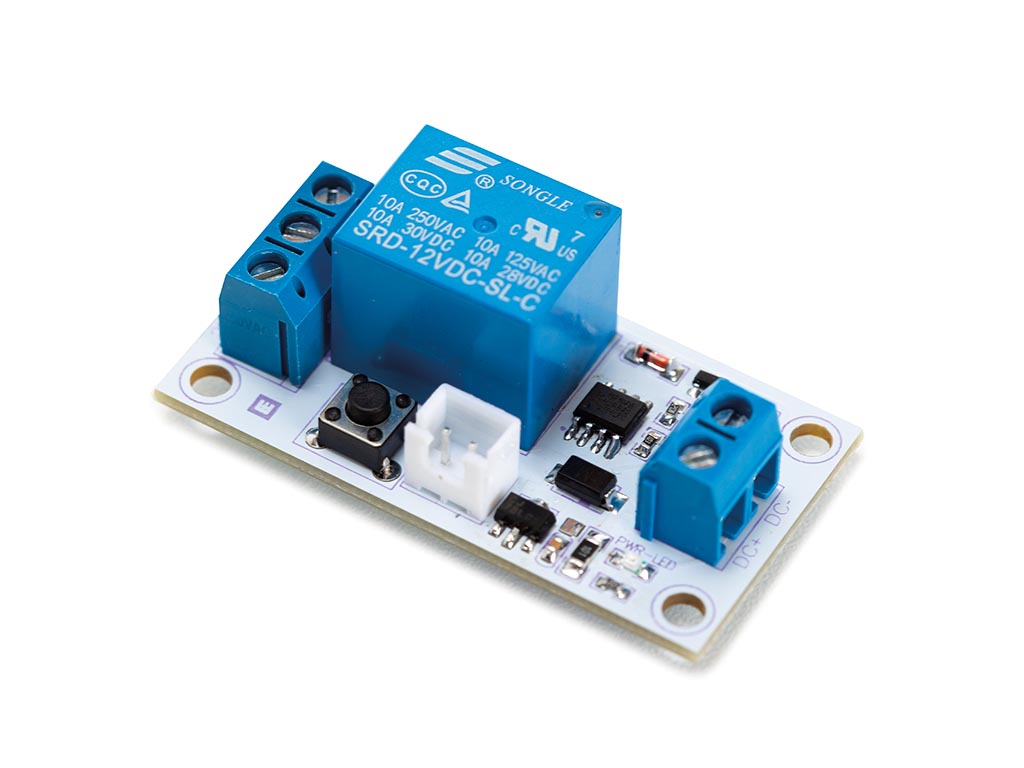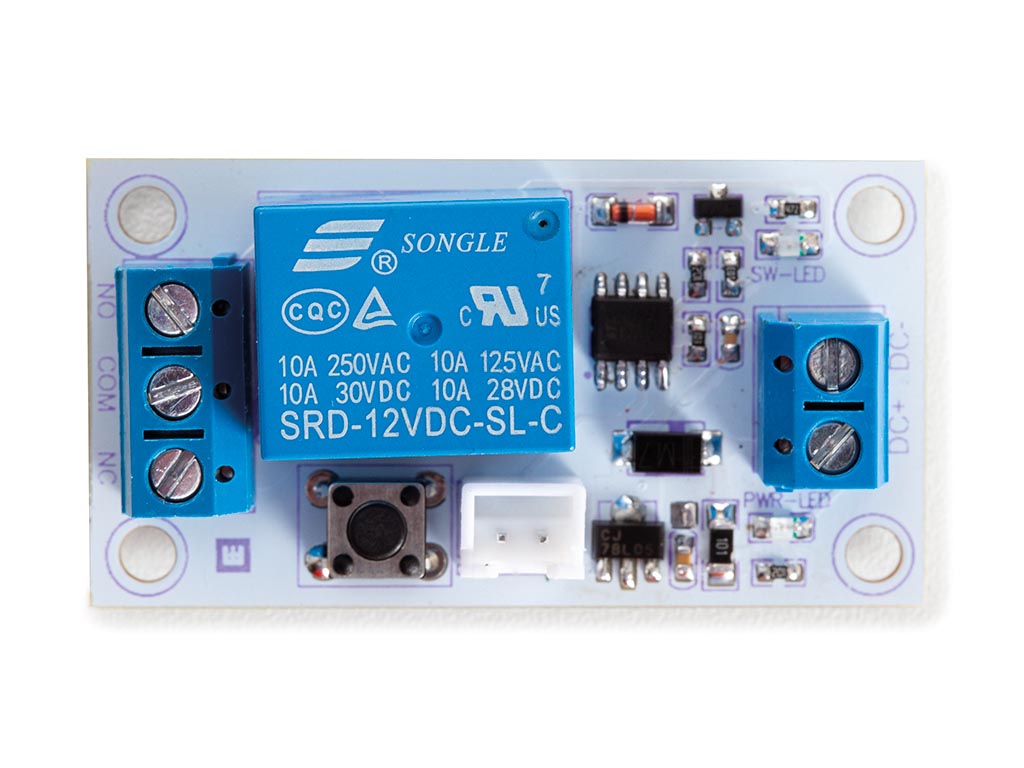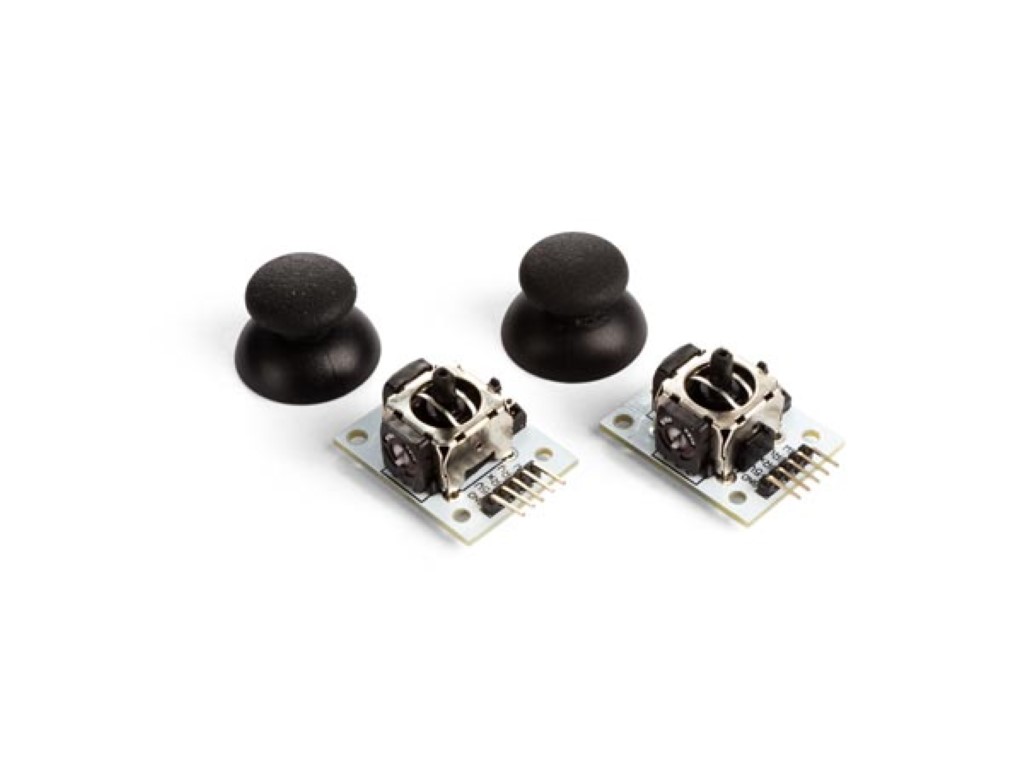
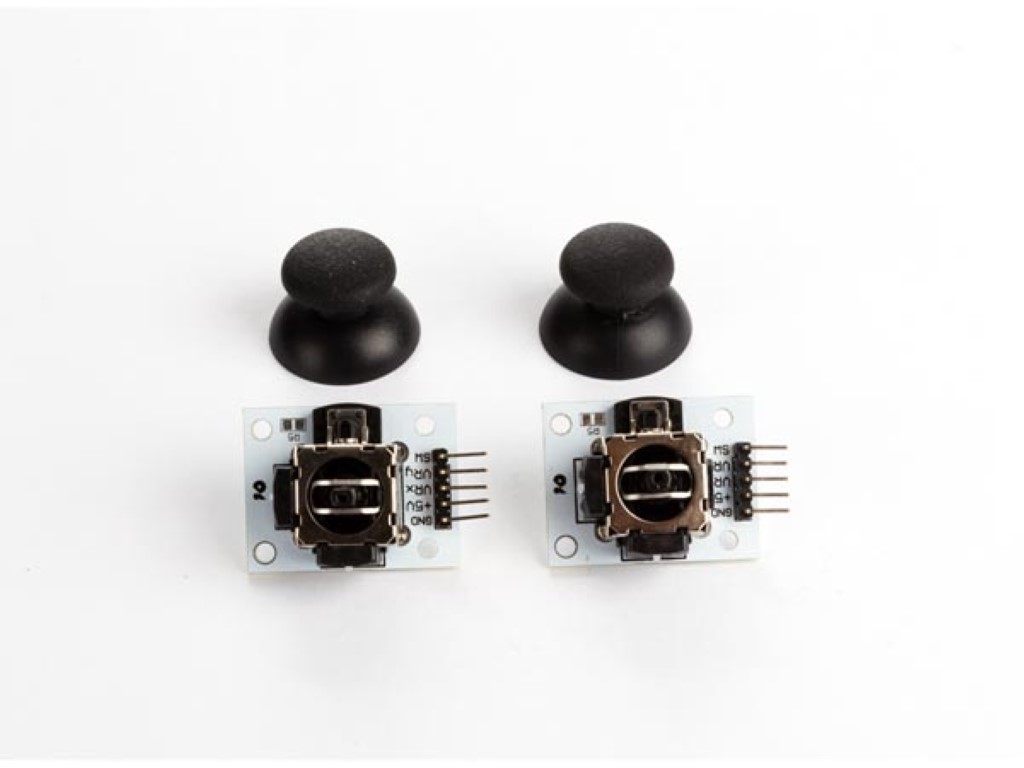
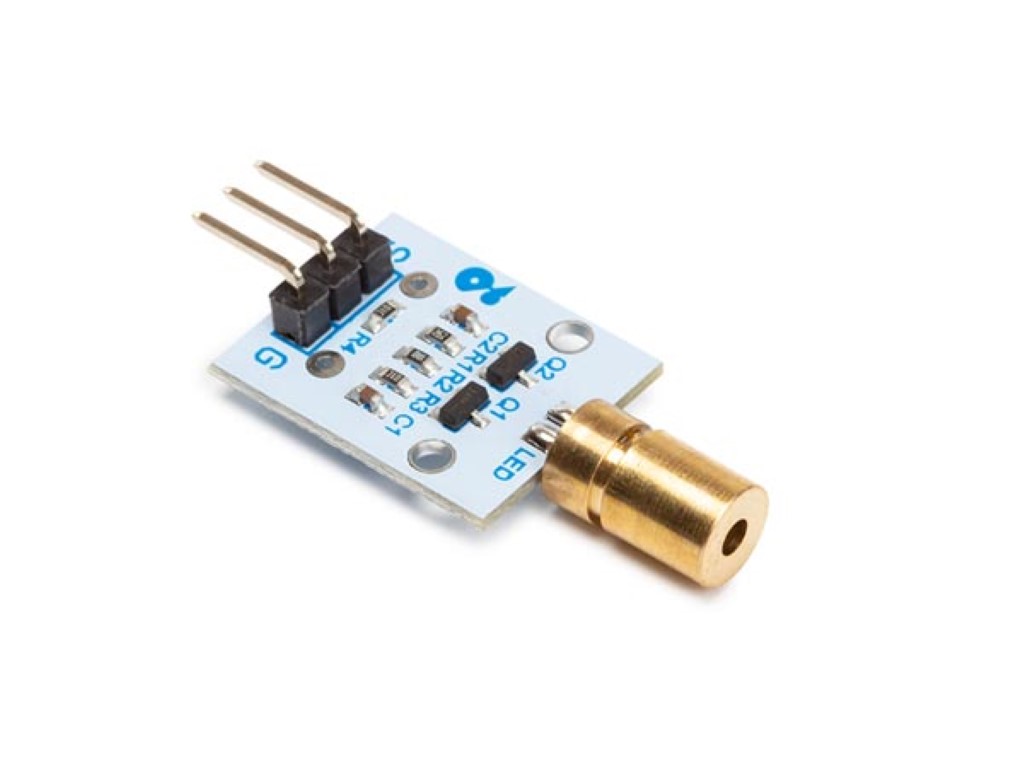
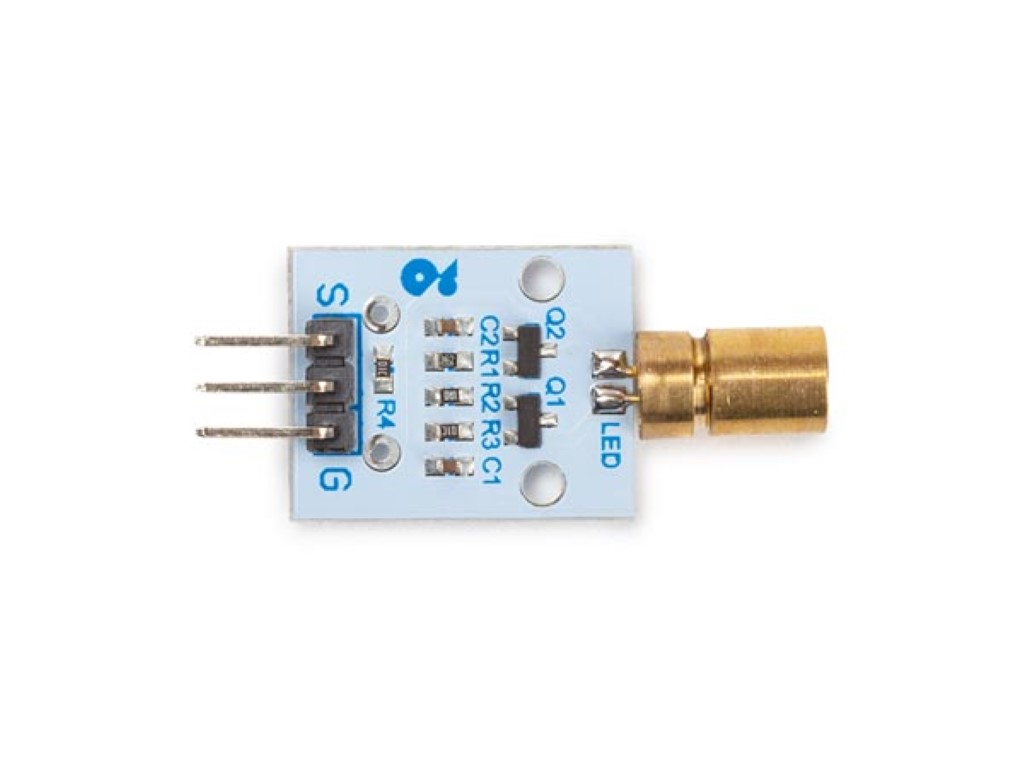
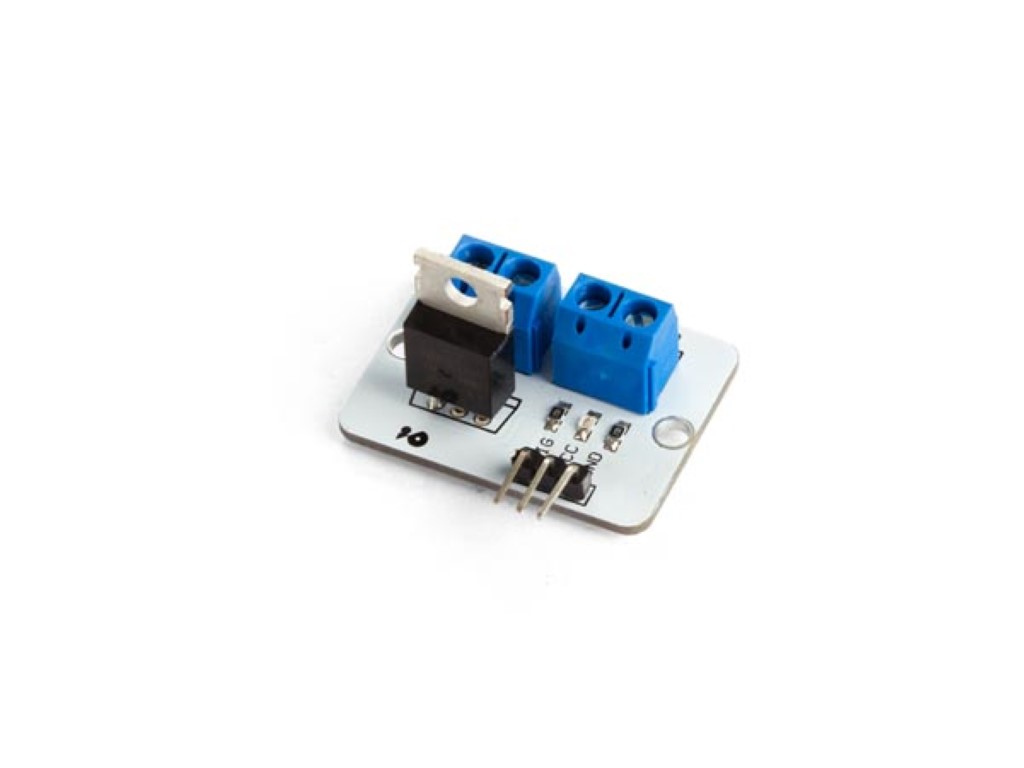
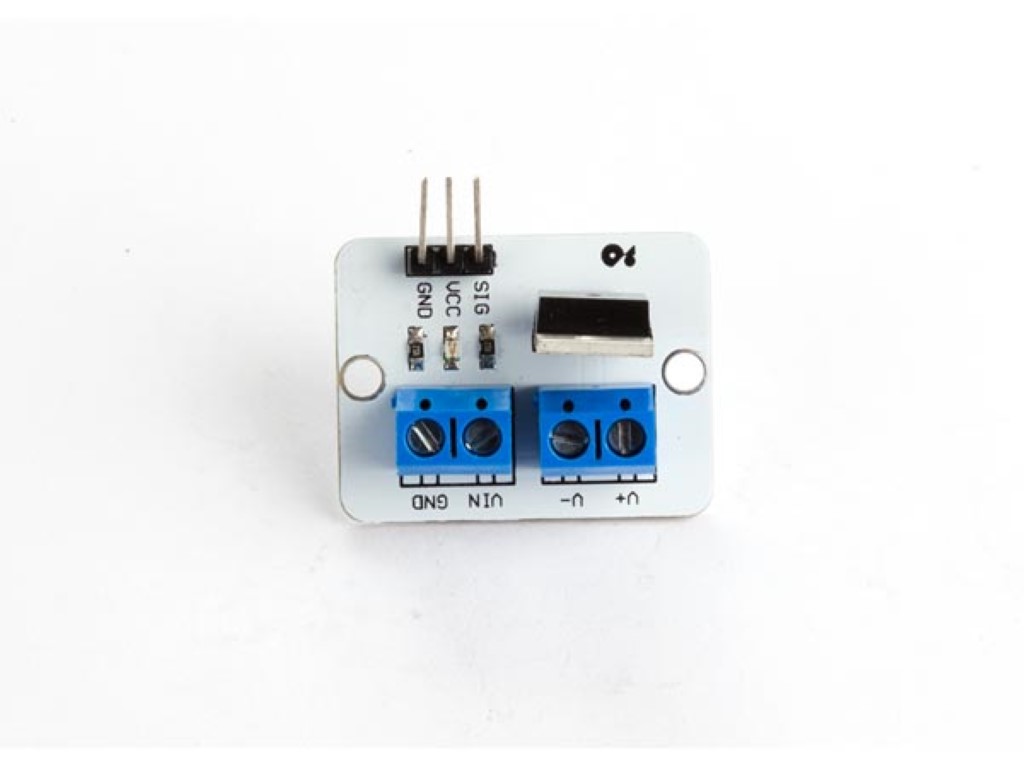
Make your prototype switch a load, move a mechanism or manage its power supply. These Arduino-compatible modules include relay boards, DC-DC converters, a MOS driving module, a mini servo, pumps, a water valve, a joystick and a red laser module. Select the function that connects your control circuit to the task.
A relay switches a separate circuit; a DC-DC converter changes the supply voltage. Step-up and step-down modules perform opposite jobs, so compare the required input and output before choosing. For movement or liquid handling, check the particular servo, pump or valve rather than treating all modules as interchangeable boards.
Plan a suitable driver and separate supply where required; a microcontroller pin is a control connection, not a general power source for pumps or motors. Follow the specific laser module’s operating instructions when building an optical project.
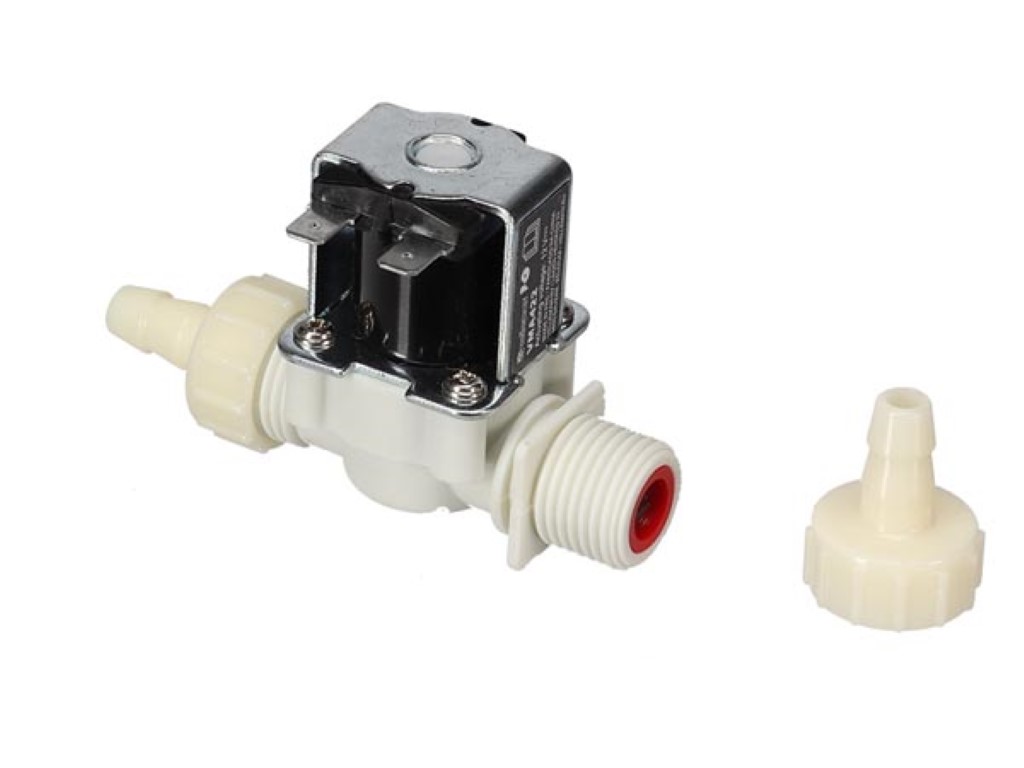
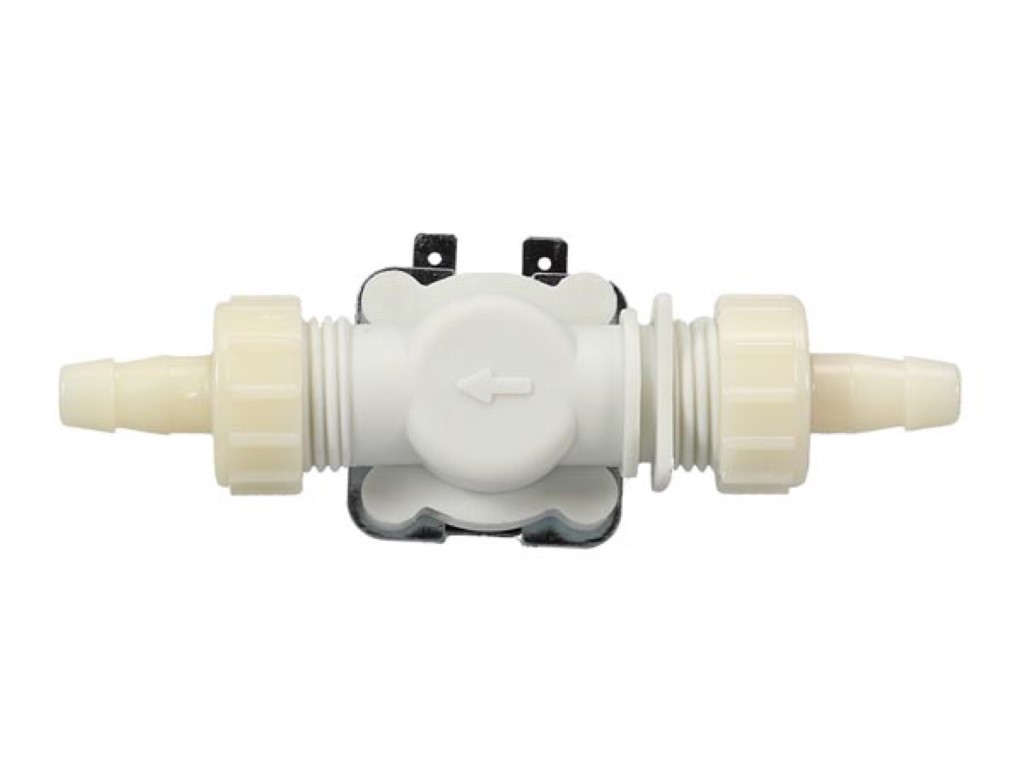
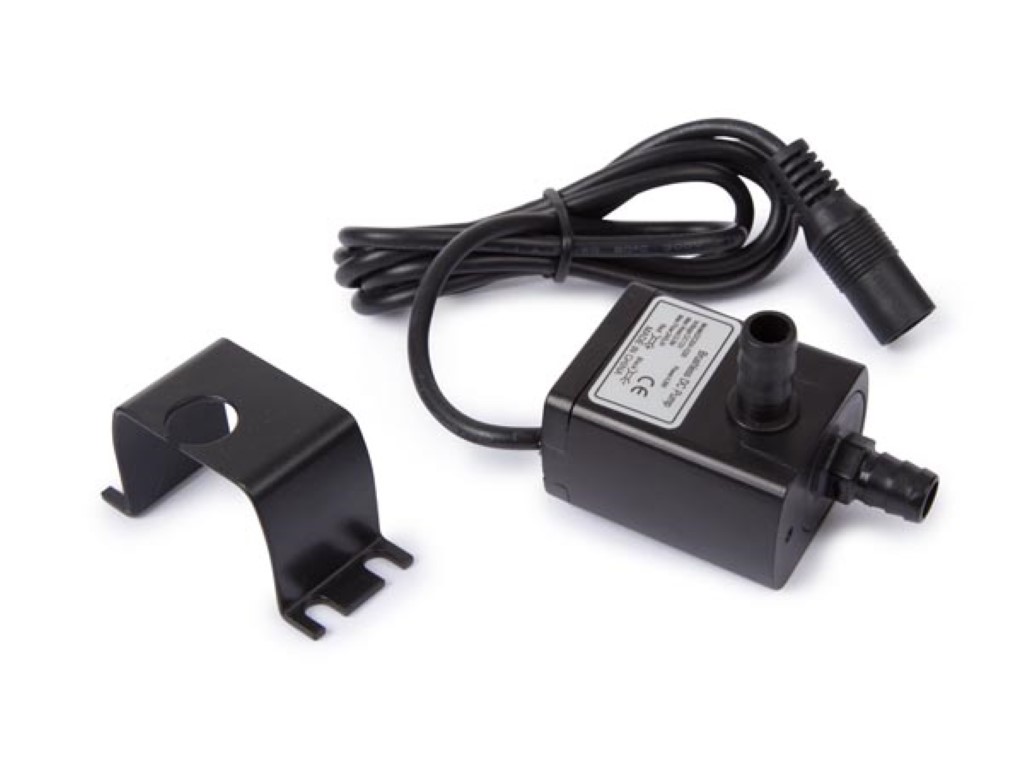
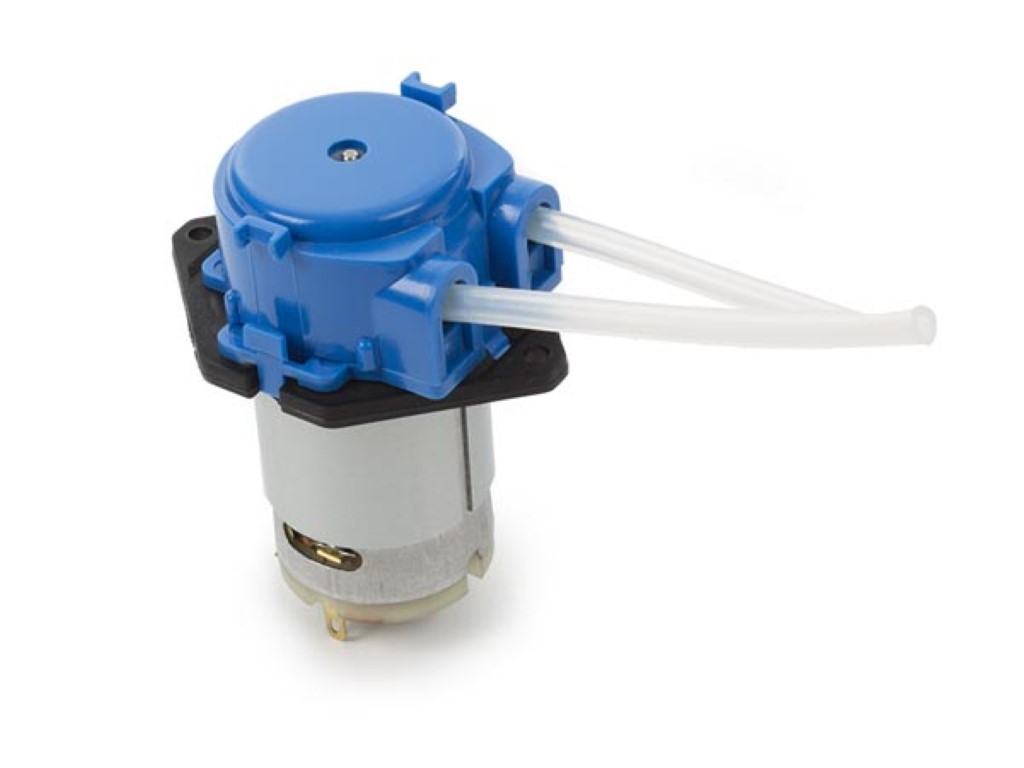
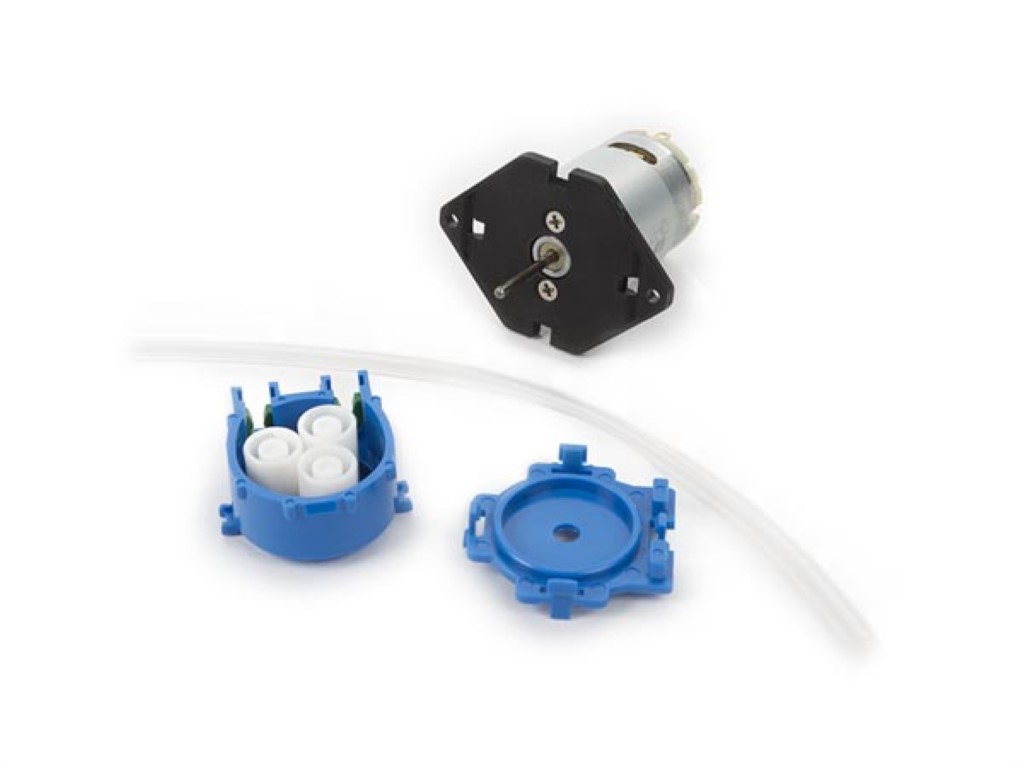
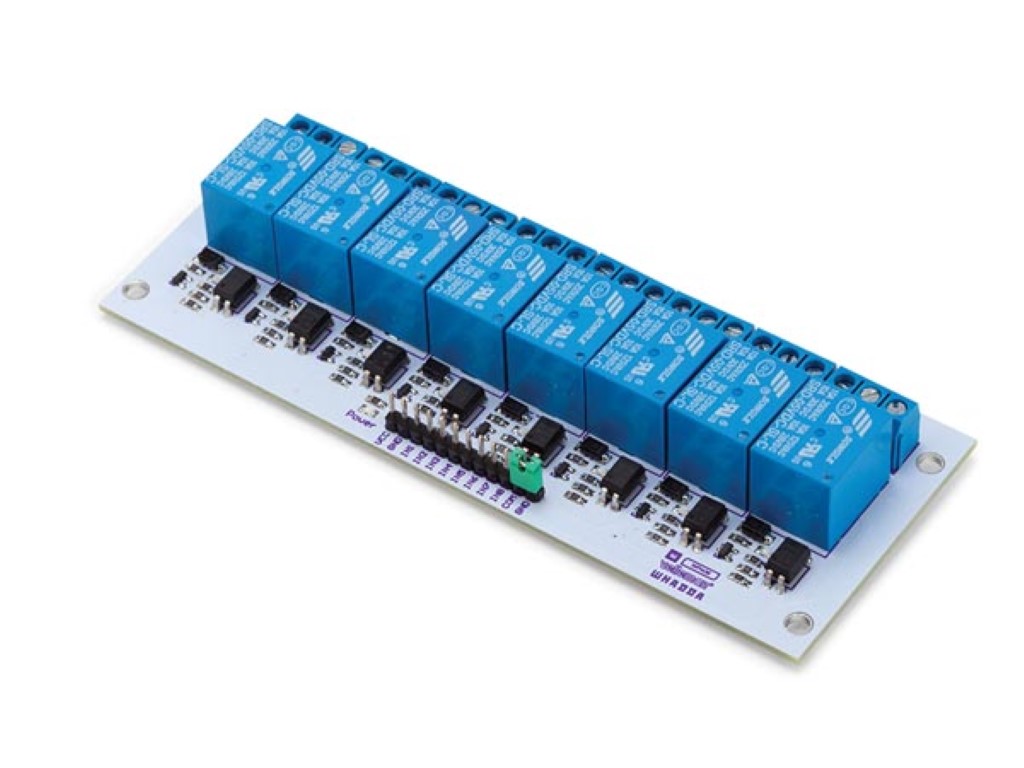
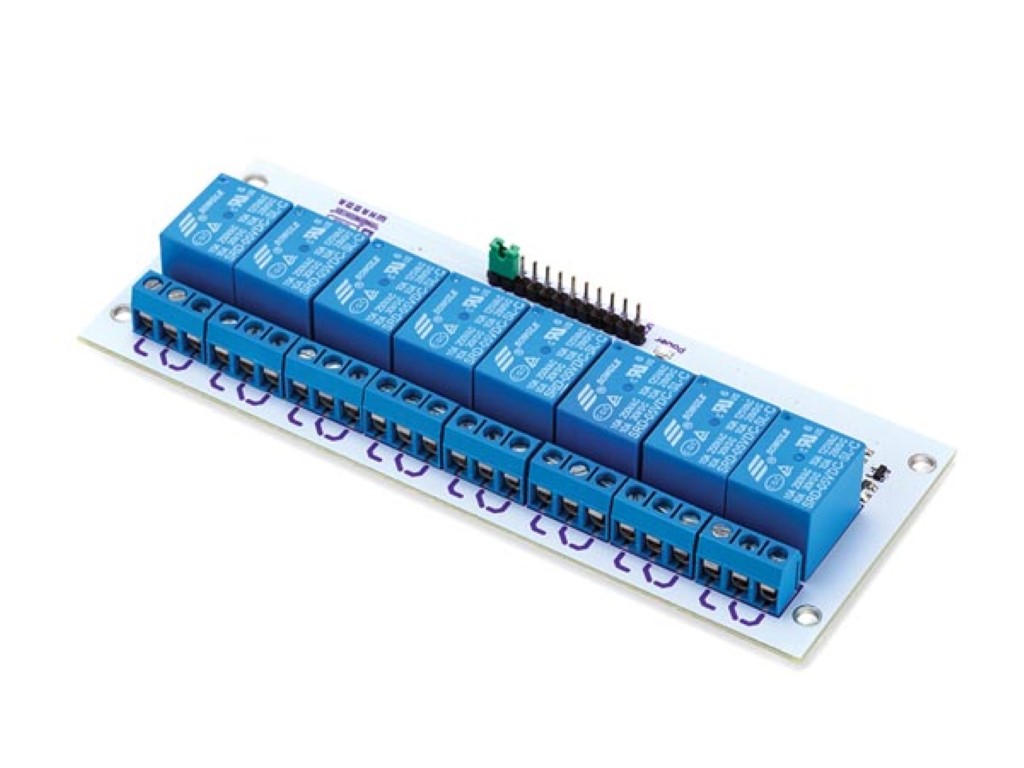
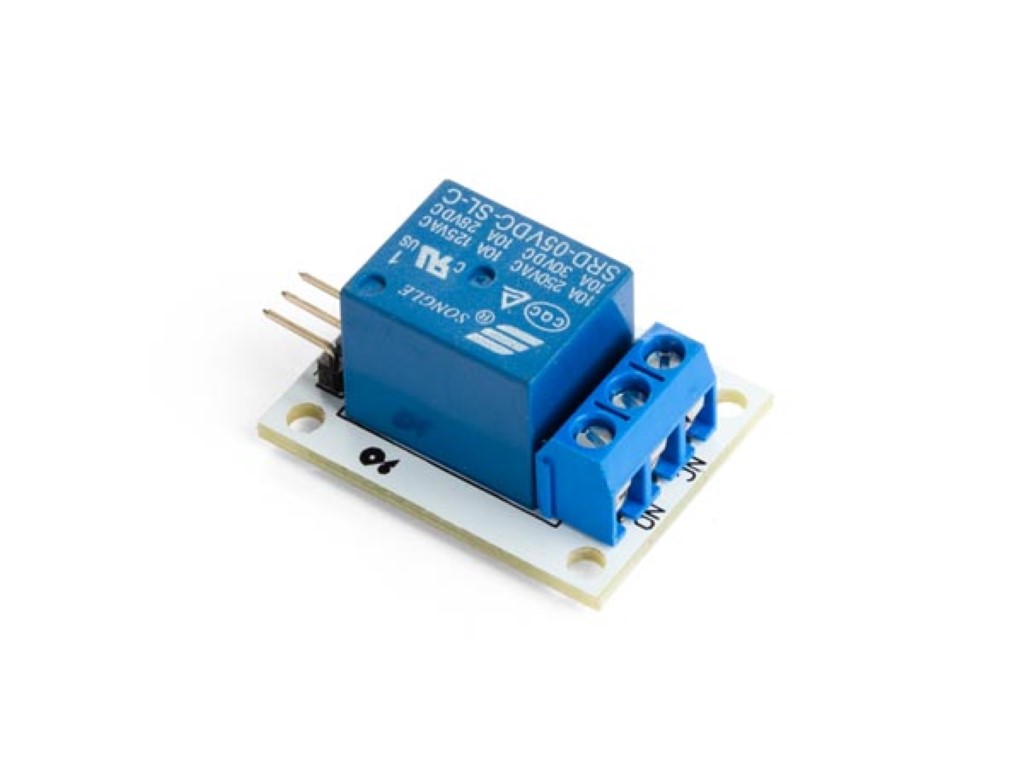
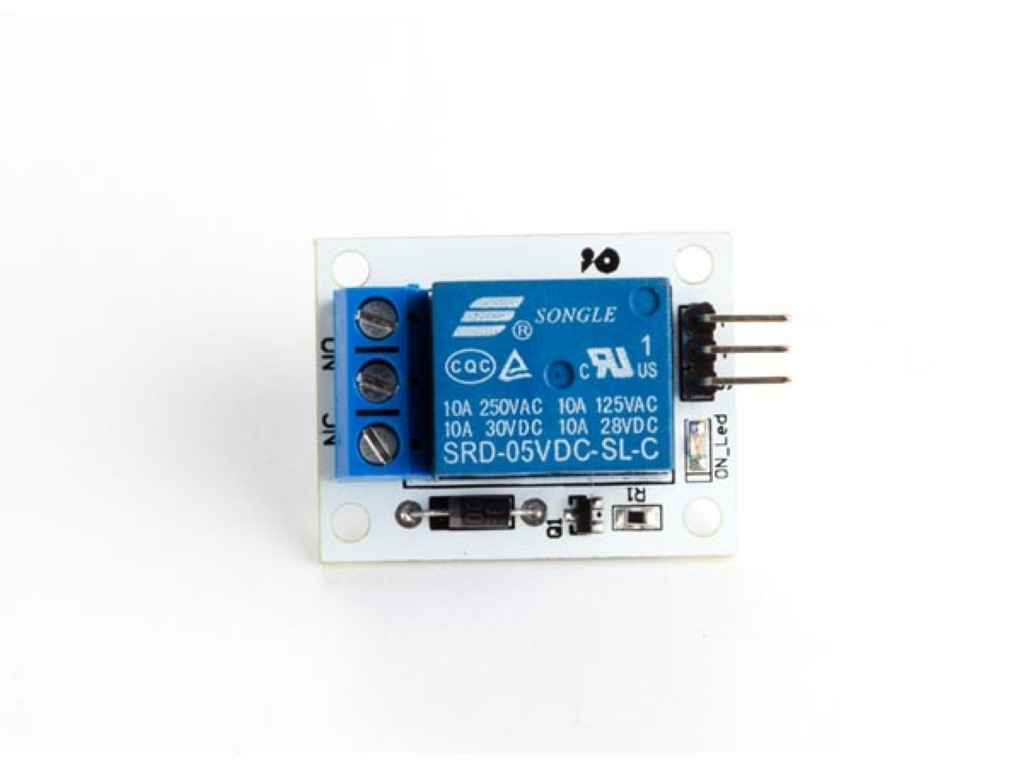
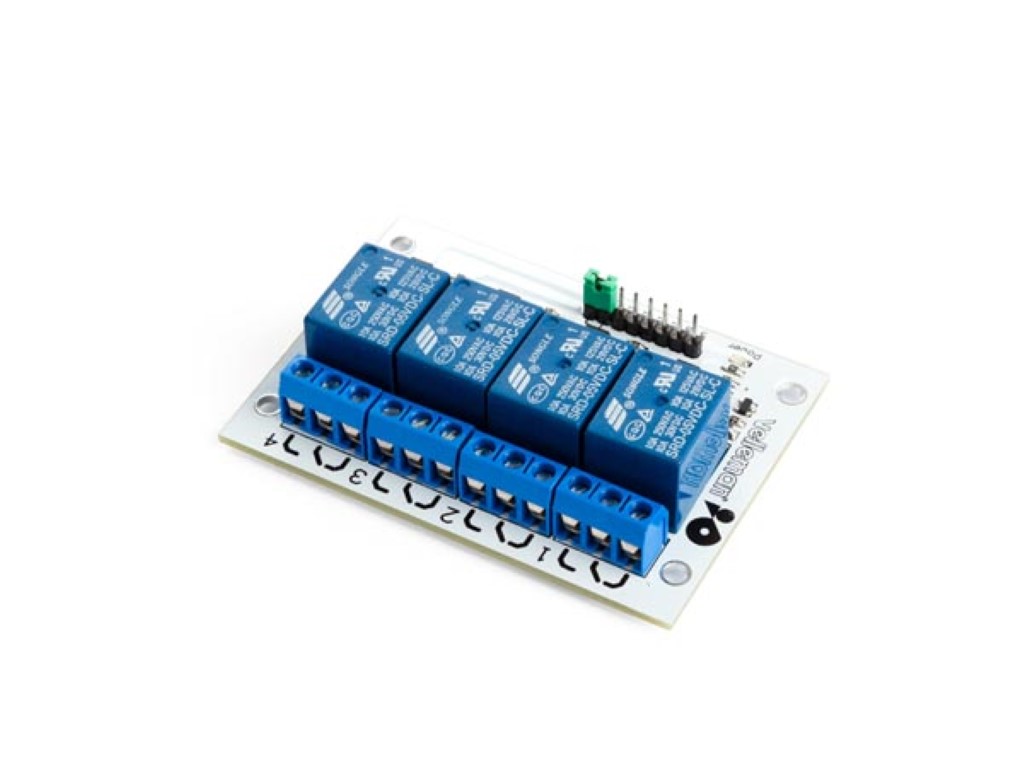
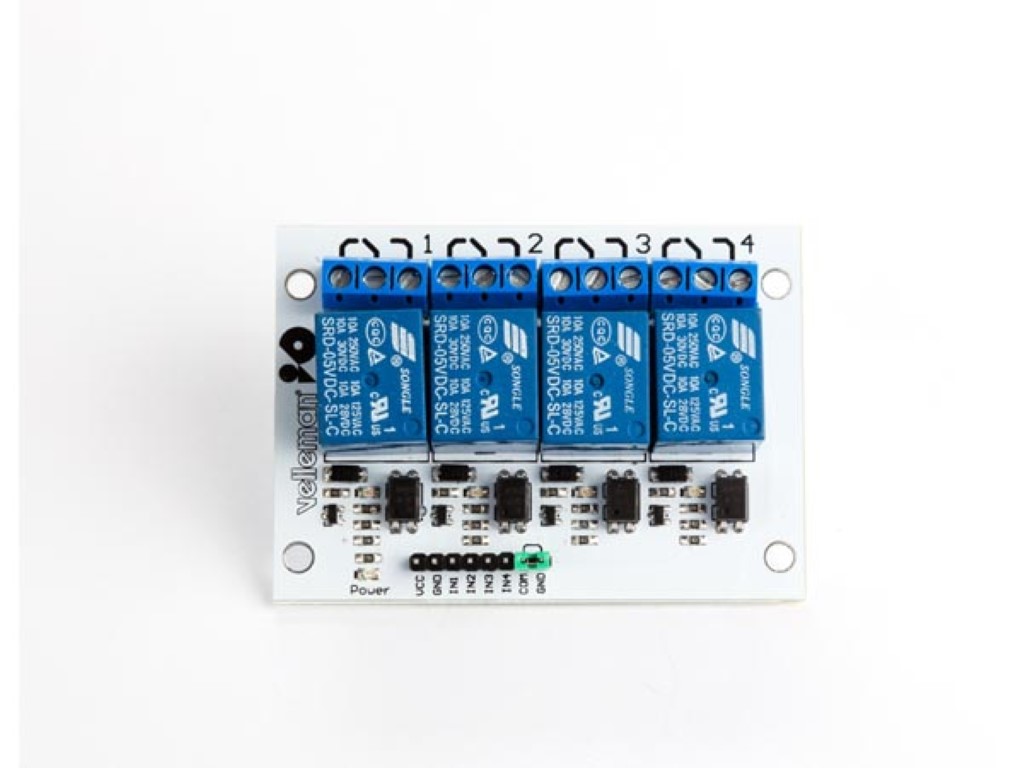
Choose by the job: a relay for switching, a driver for controlling a motor, a regulator for changing DC voltage or a pump or valve for moving liquid. First define the load and the control signal available.
A relay switches a circuit on or off. A suitable motor driver can provide electronic motor control, including speed or direction where supported. Choose according to the control you need and the motor's voltage and current requirements.
A step-down module reduces a DC voltage; a step-up module raises it. Select the conversion direction before comparing voltage and current ranges. The output power must remain within the module's limits, not just its voltage setting.
Do not assume that its supply or output pins can deliver the required current. Use a suitable supply and control arrangement for the load. Starting or stall current can be higher than the current during normal movement.
Compare the liquid, flow requirement, supply voltage, tubing connections and intended operating conditions. A peristaltic pump and a small water pump work differently. Choose the pumping method that suits your liquid-handling task.