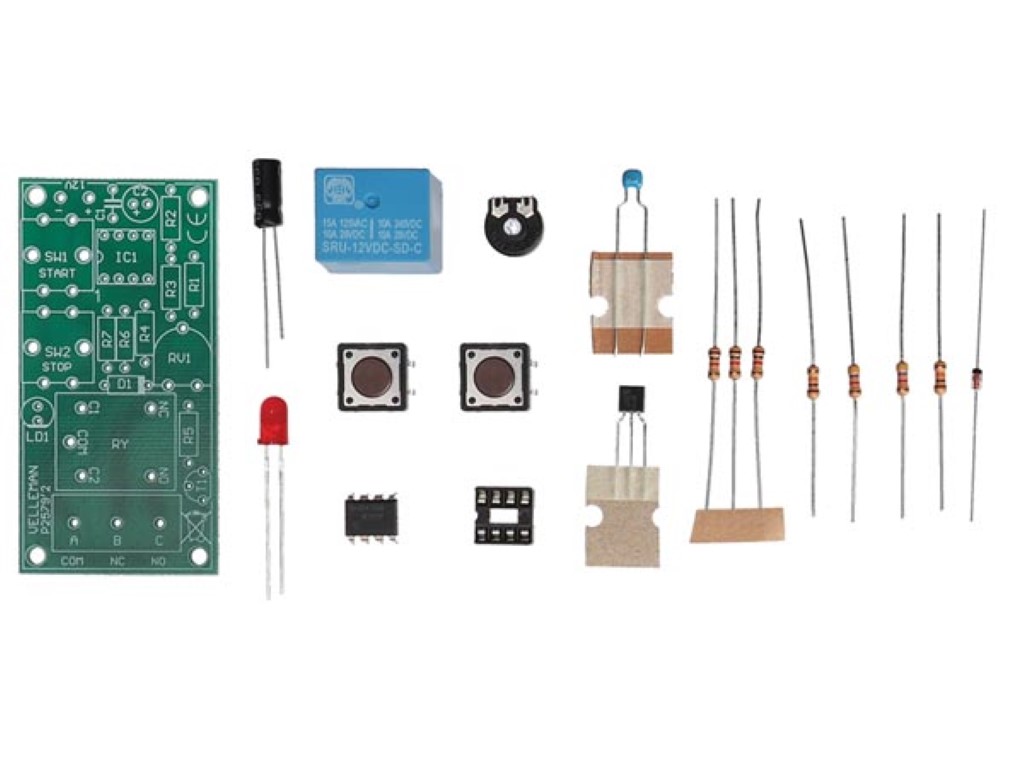
11.53 €
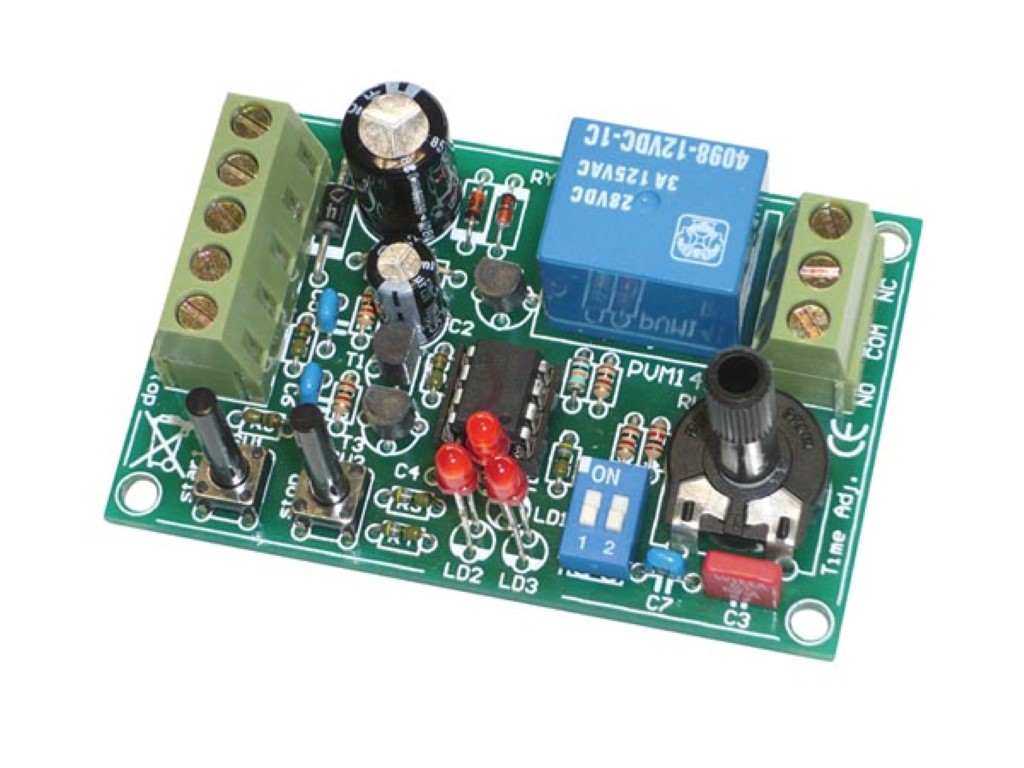
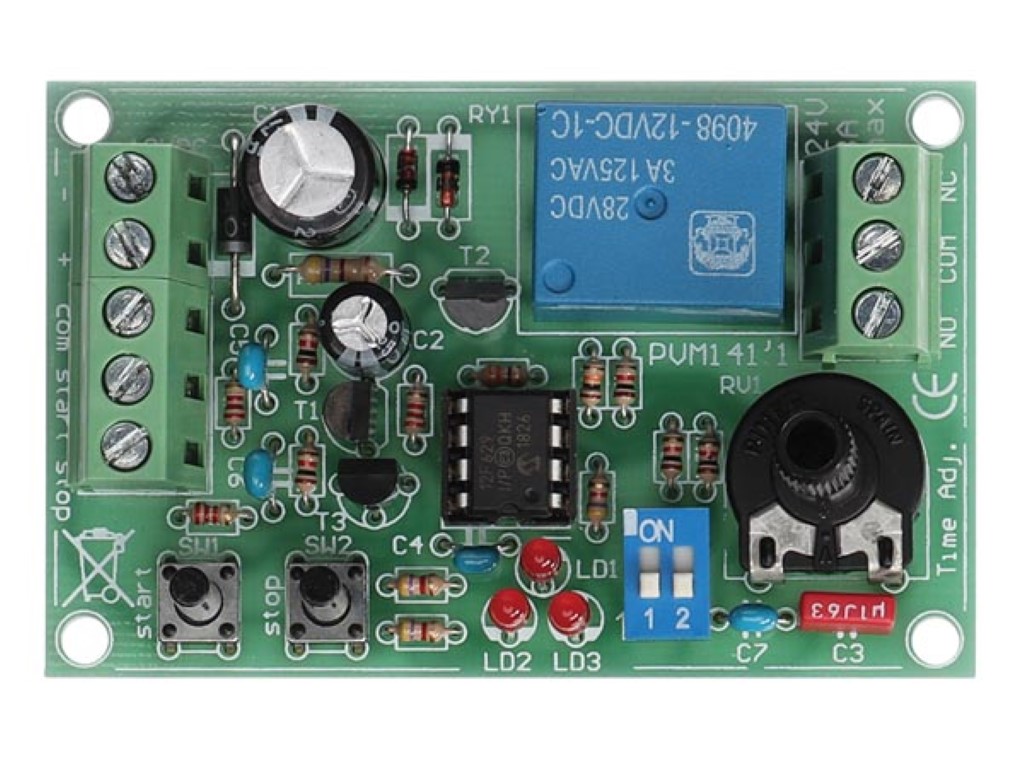
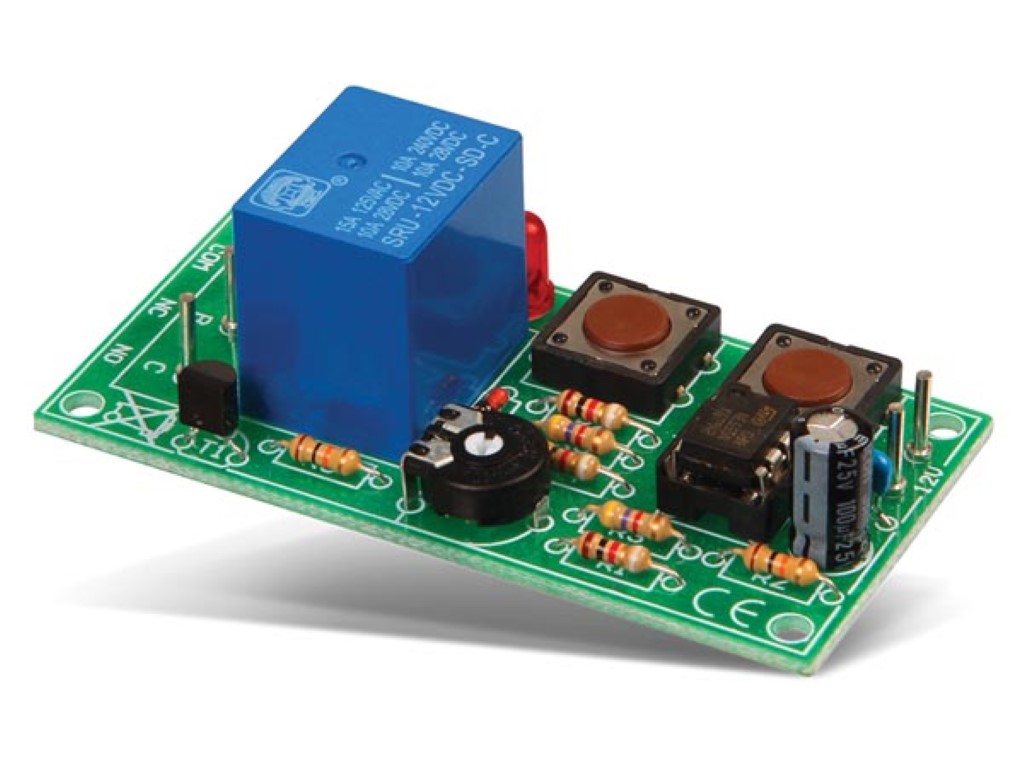
Set a delay, repeat an on/off cycle or control how long a circuit runs. These electronic timers and controllers include soldering kits and assembled timer modules for different timing tasks. Choose an interval or pulse-pause timer for repeated switching, or a start-stop timer when you want a defined operating period.
Compare the minimum and maximum time settings and how the timer is triggered or stopped. A repeating cycle and a single timed action need different functions. Consider whether you want to build the electronics yourself or use an assembled module such as WMT136 or WMT141.
Before connecting a load, check the supply voltage, output contact ratings and wiring diagram for the specific model. Plan accessible controls and any enclosure needed for your project. Read the setup instructions as well as the assembly guide: setting the right pulse, pause or delay matters as much as selecting the total time range.
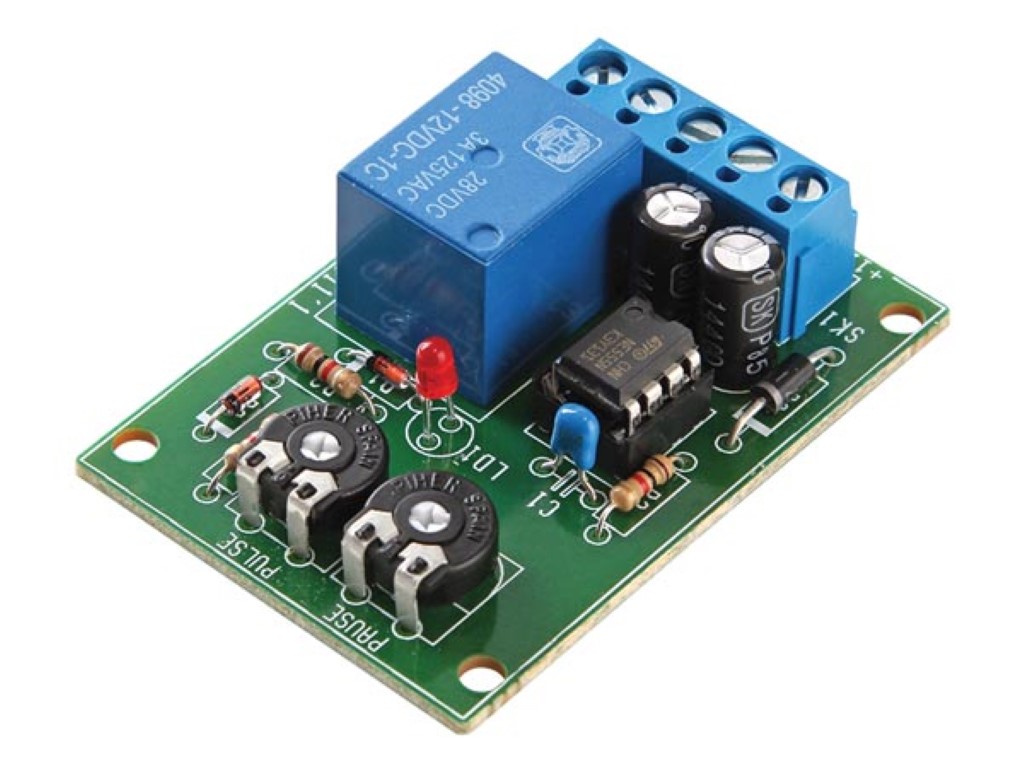
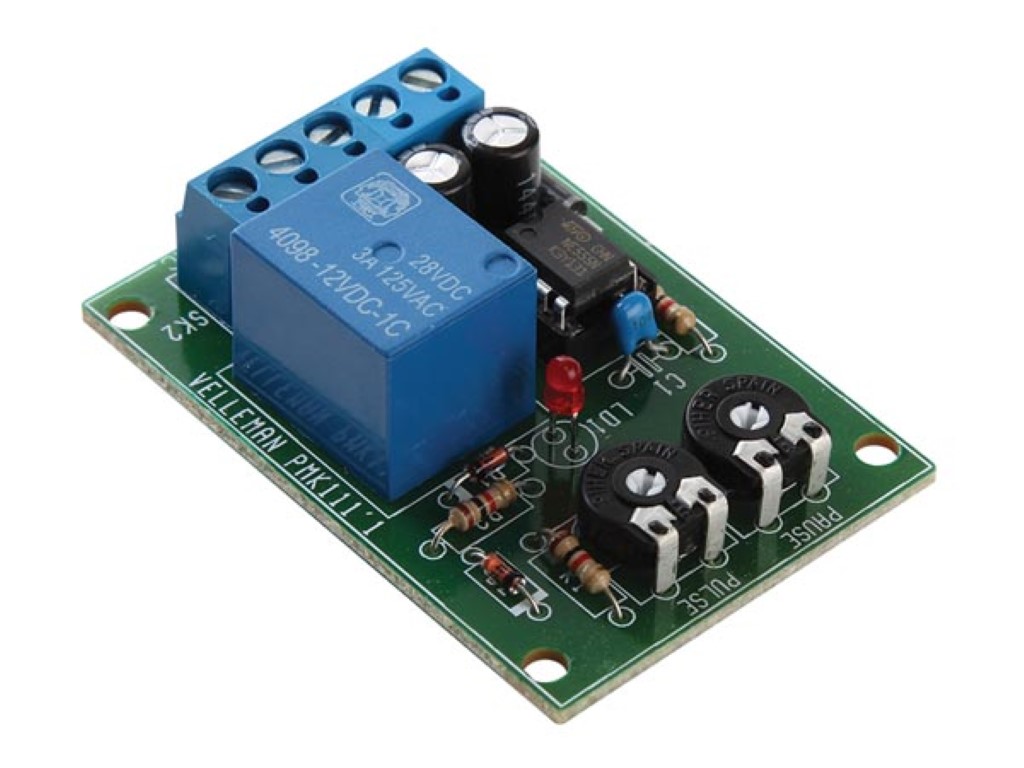

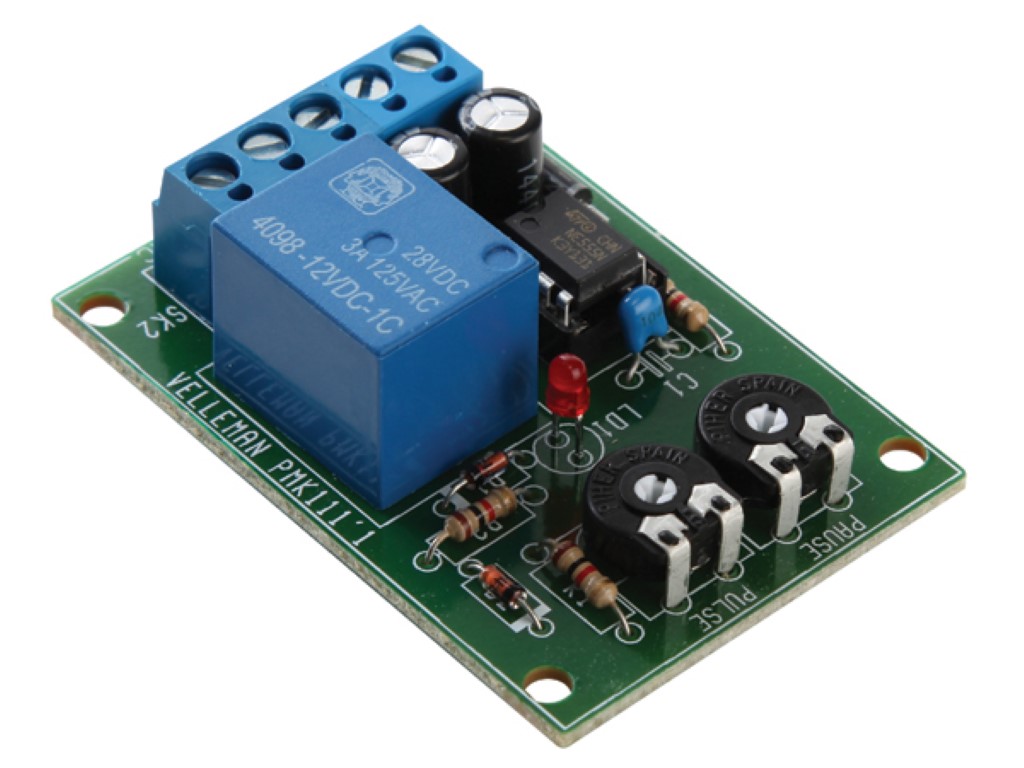
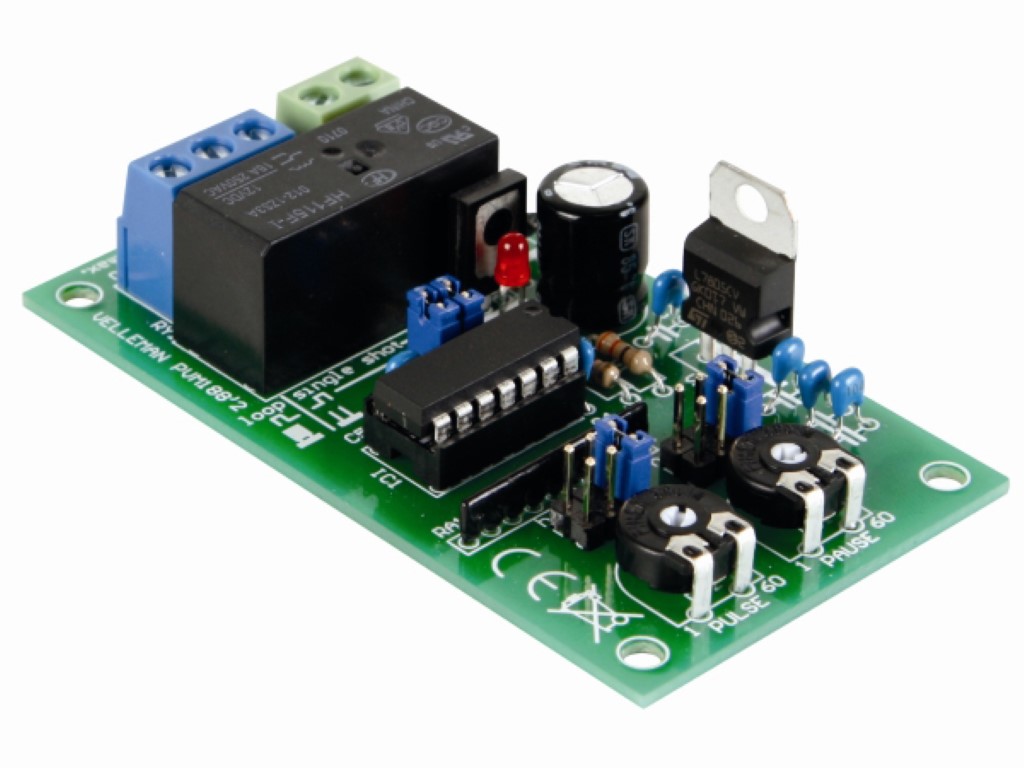
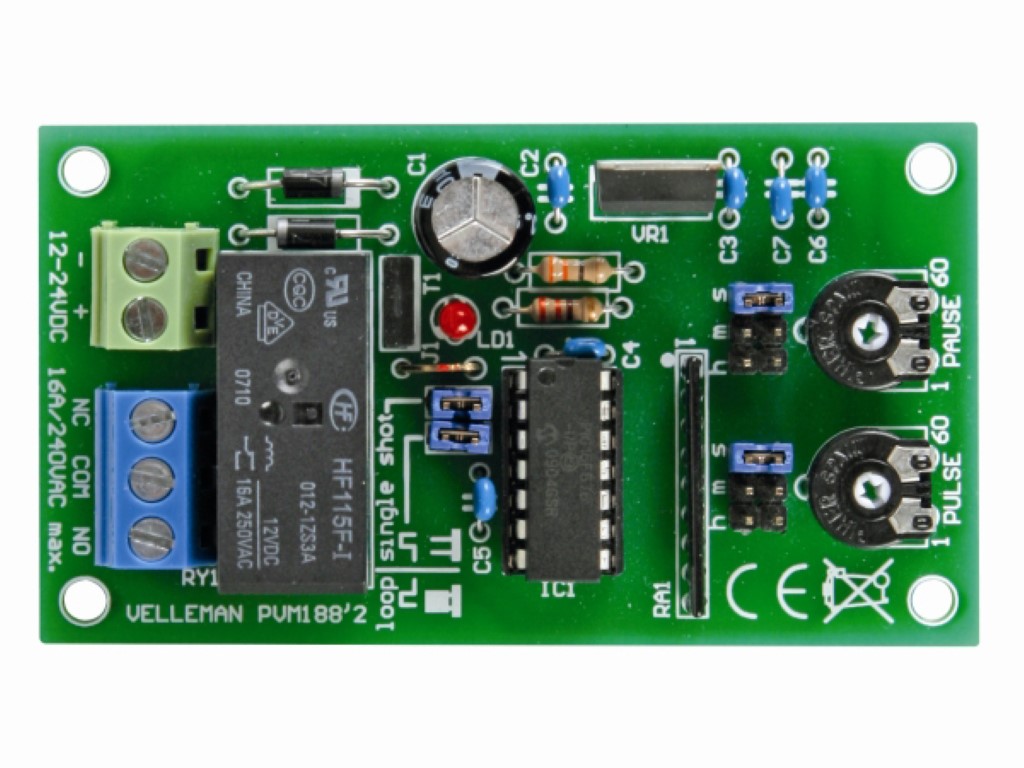
Choose a start-stop timer for a timed action after a trigger, or a pulse-pause timer for repeated switching with an on-time and an off-time. Match the timing range and output to the equipment you want to control.
A soldering kit lets you build the timer circuit yourself. An assembled module reduces that construction step but still needs suitable power and connections. Compare the actual product format as well as the timing function.
Pulse time is the period when the output is active; pause time is the interval between activations. For repeated cycles, both values matter. Choose their ranges according to the complete operating cycle you need.
No. The voltage powering the timer and the permitted load on its output are separate specifications. Match the relay contact rating to the voltage, current and type of load, including any starting current.
Timers can sequence lights or operate equipment for defined periods when their ratings suit the application. Plan how the cycle starts, whether it repeats and how the output connects to the load before choosing a timer.