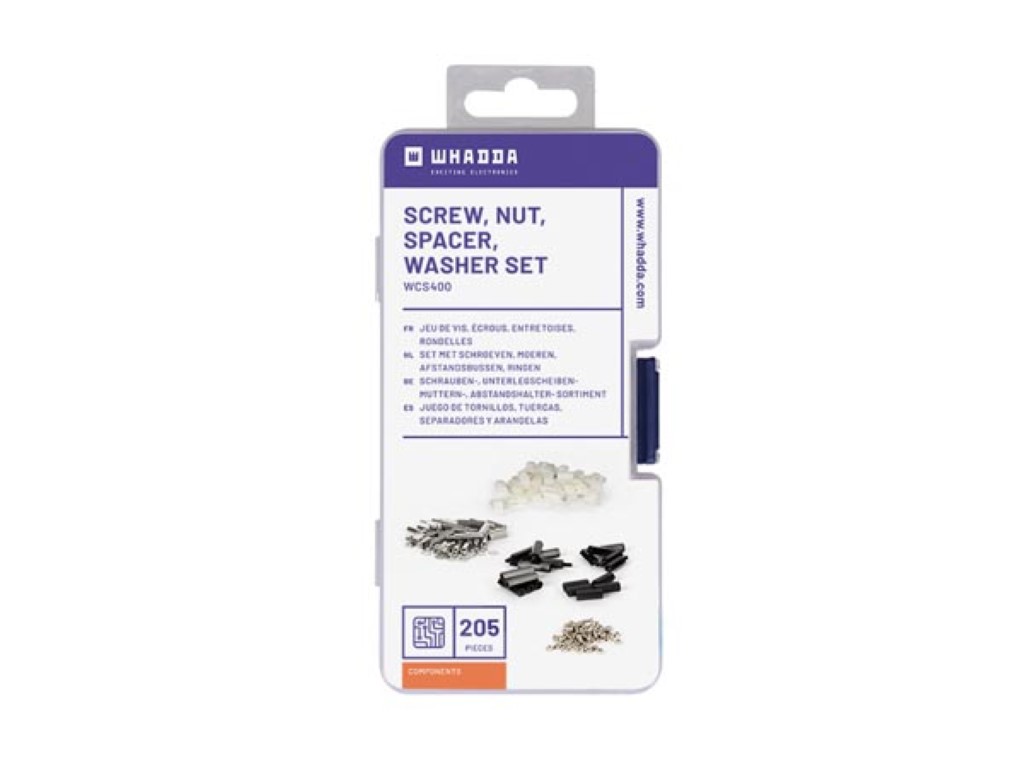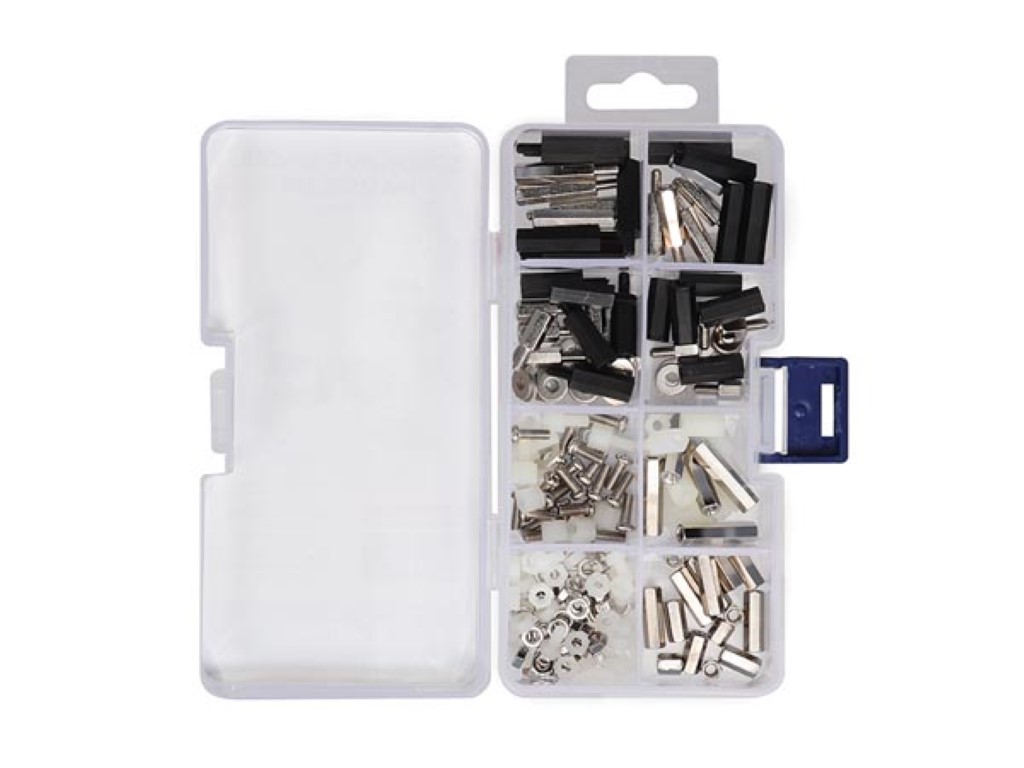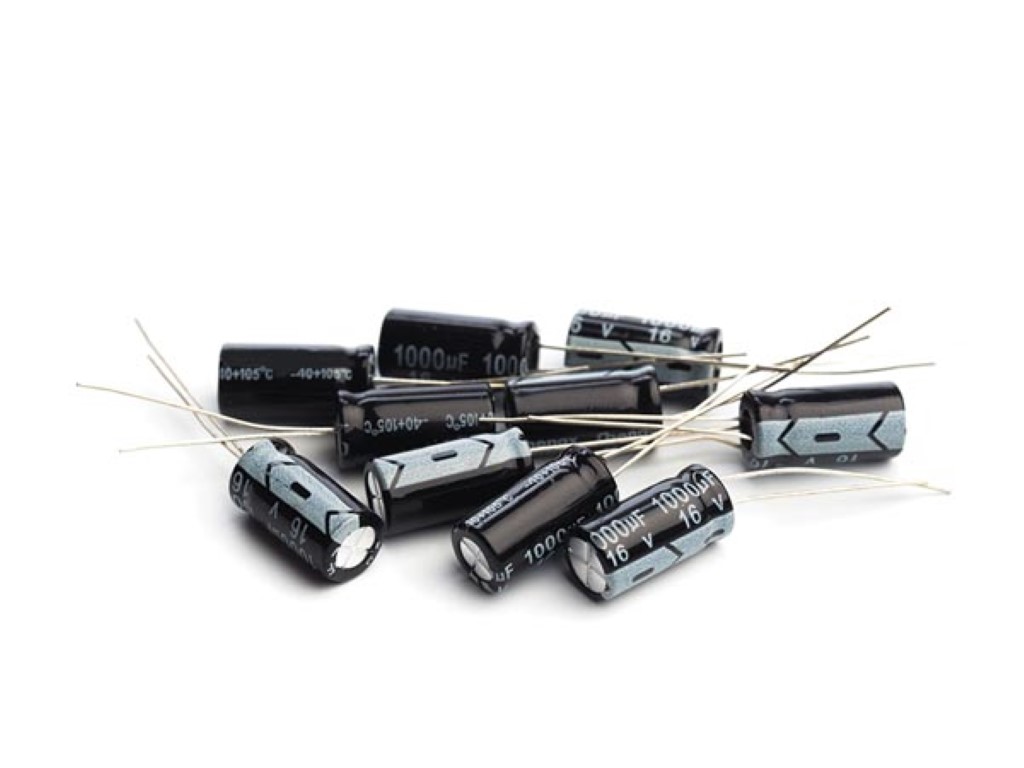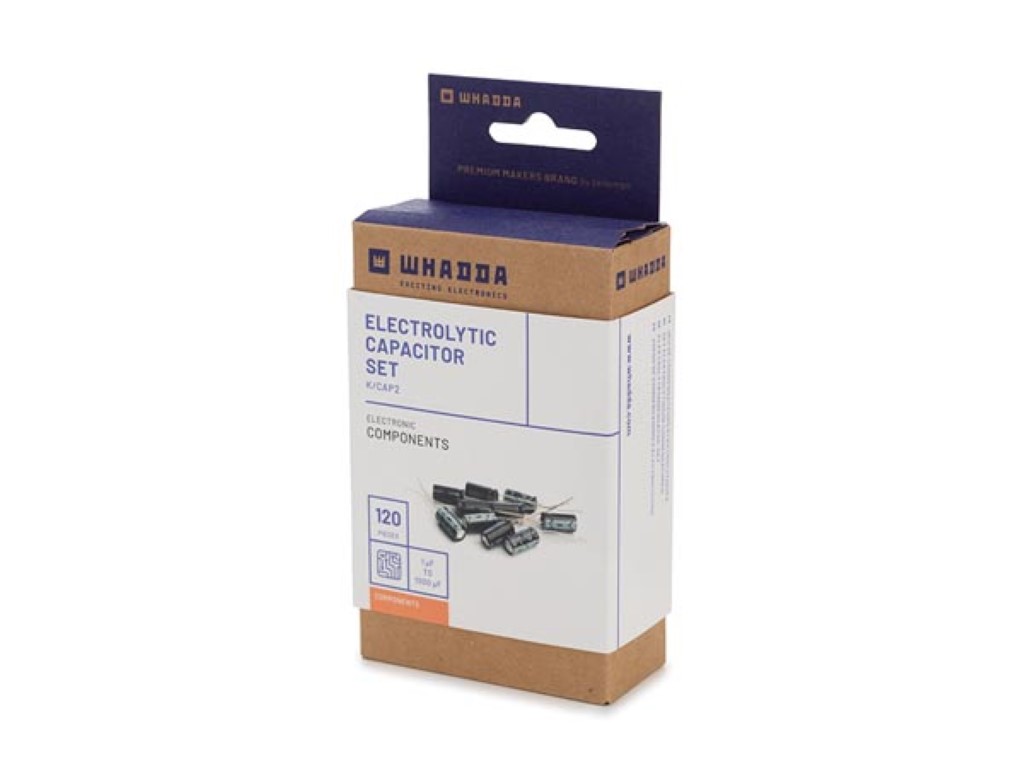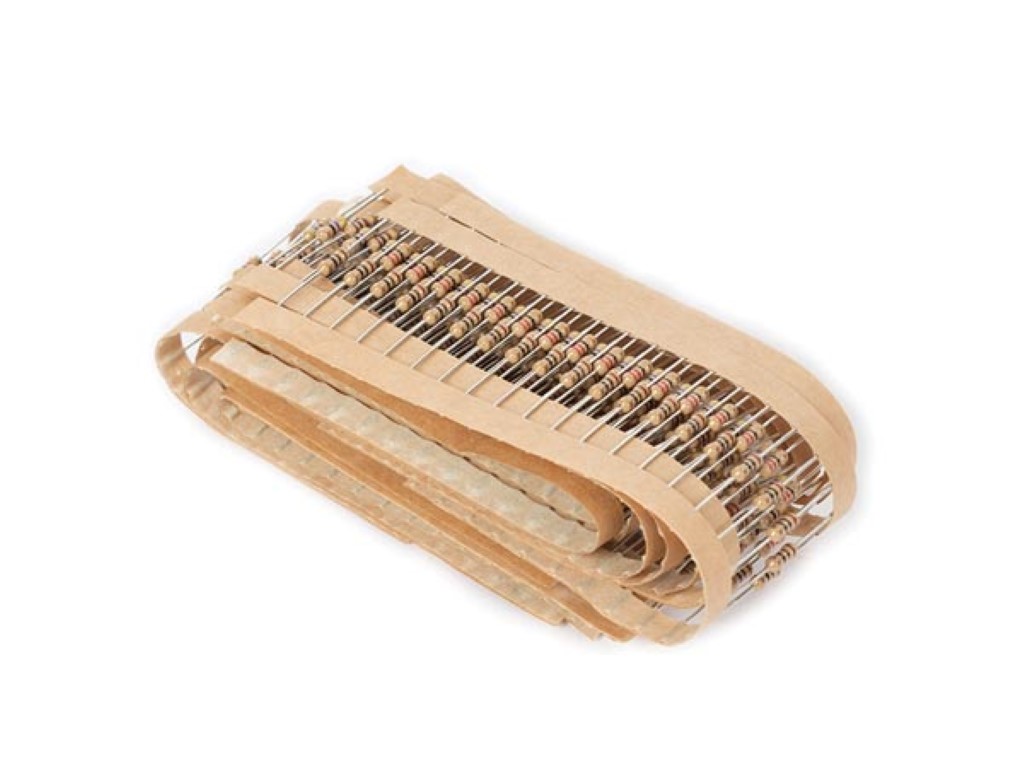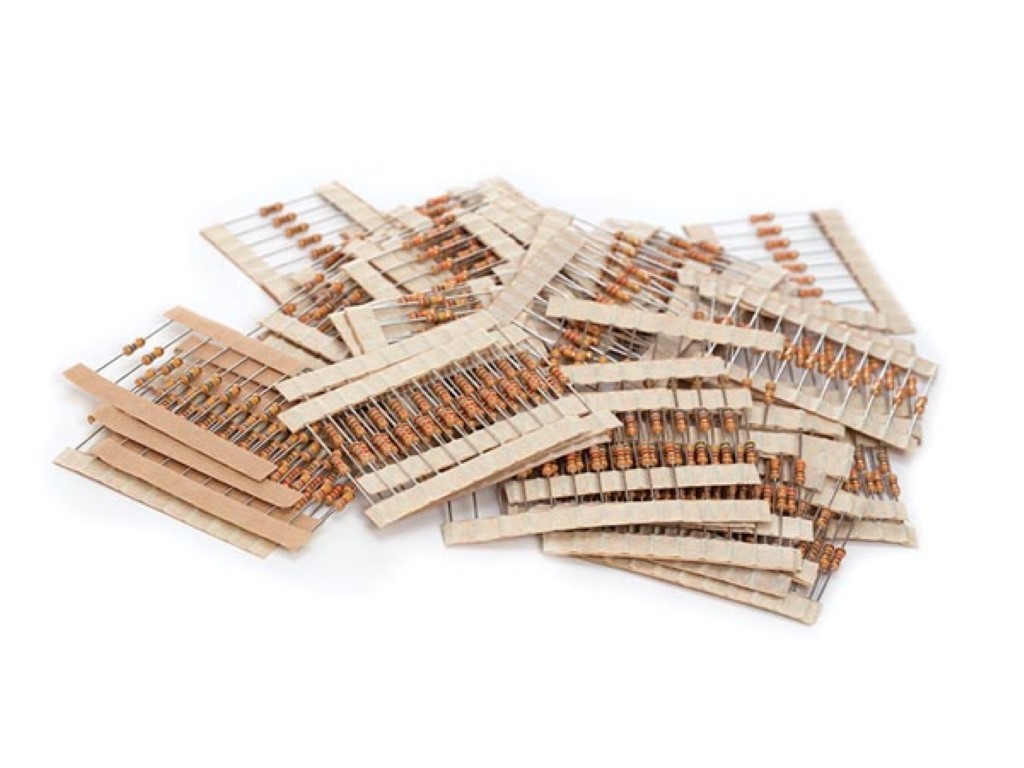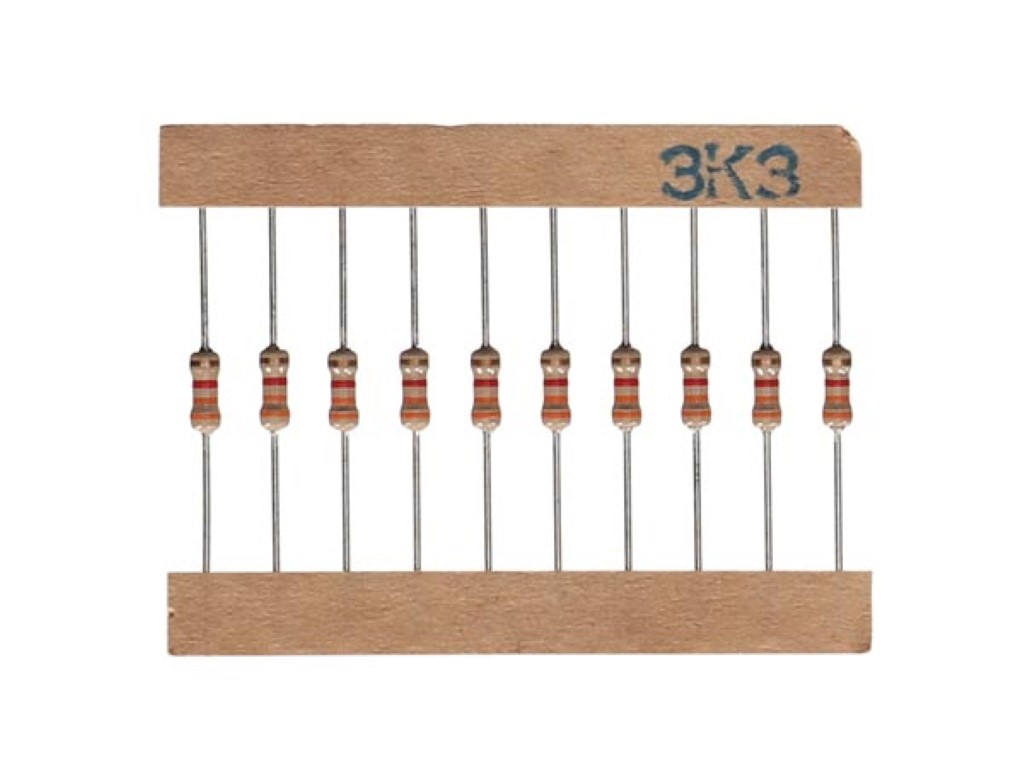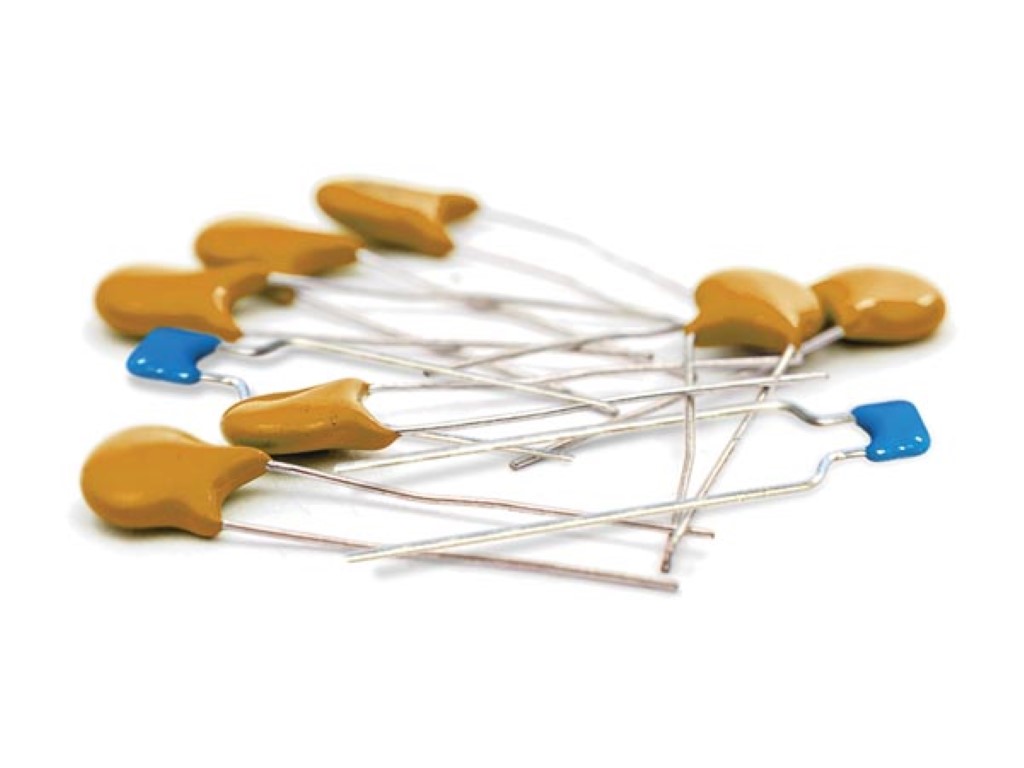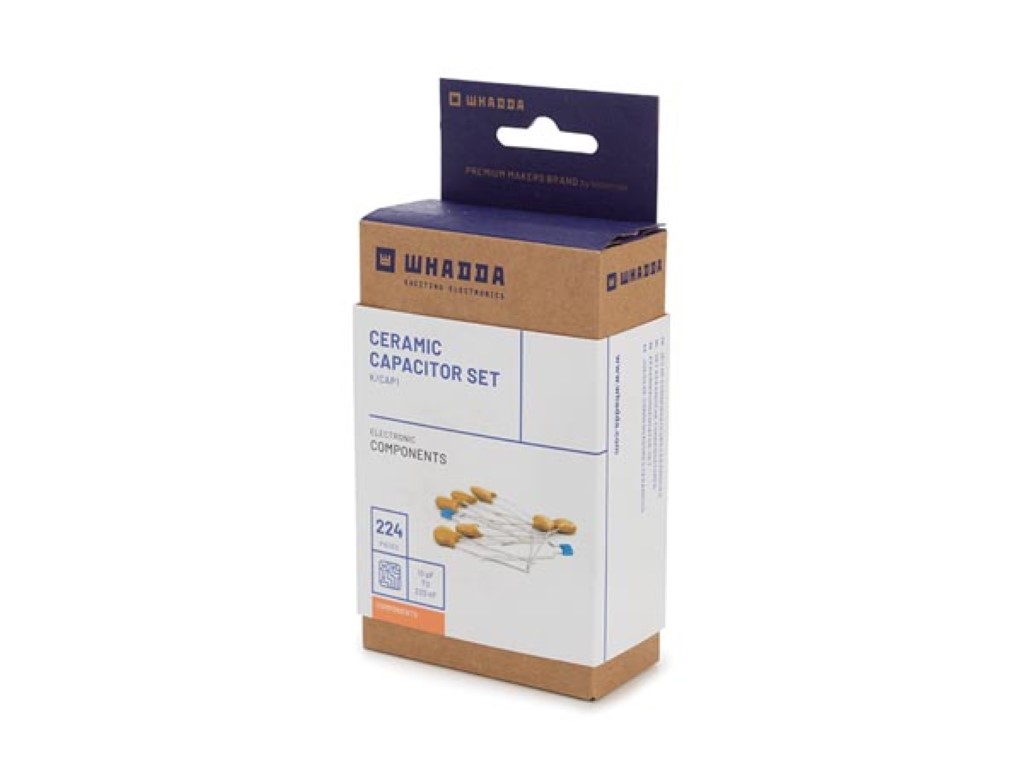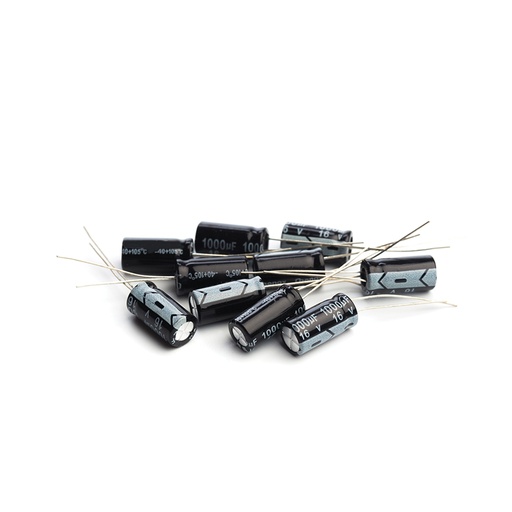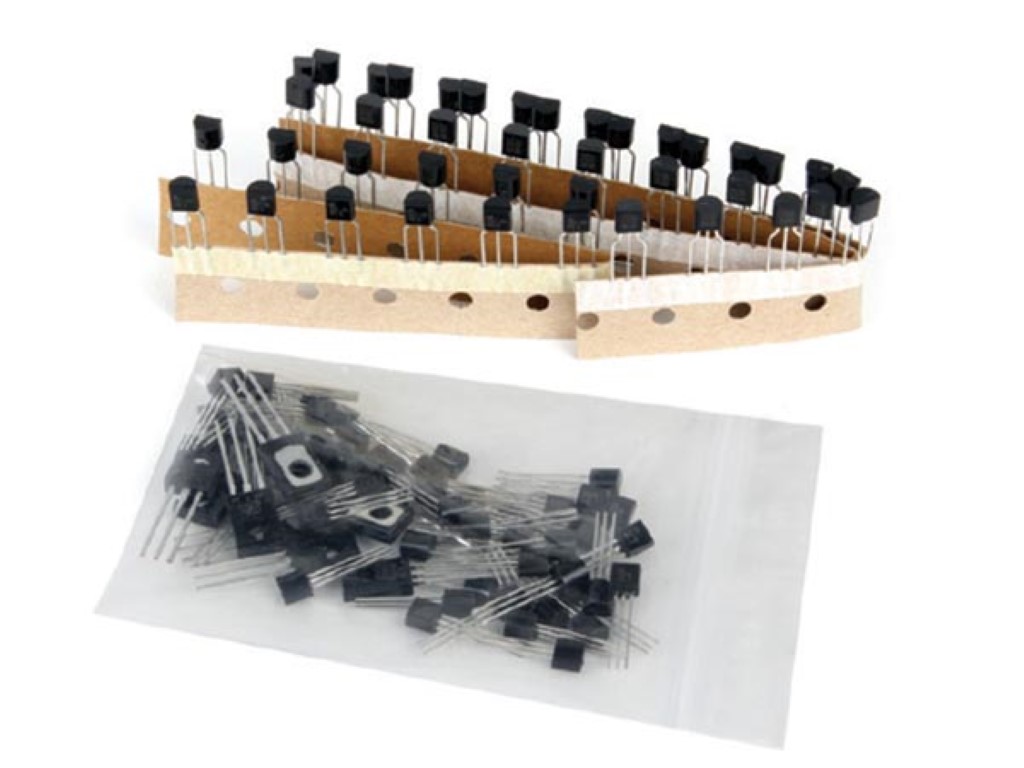
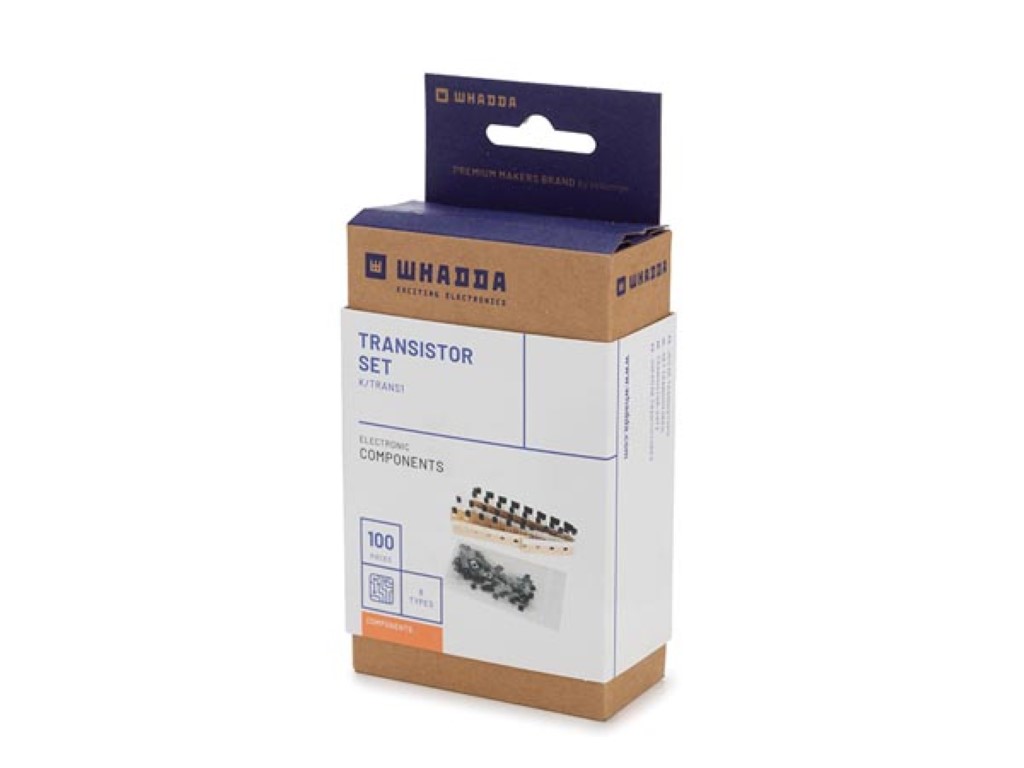
Keep useful parts within reach when you build, learn or repair. These component sets group resistors, ceramic and electrolytic capacitors, diodes, transistors and LEDs into assortments. A separate screws, nuts, spacers and washers set covers small assembly hardware, so you can choose the type of stock your workbench needs.
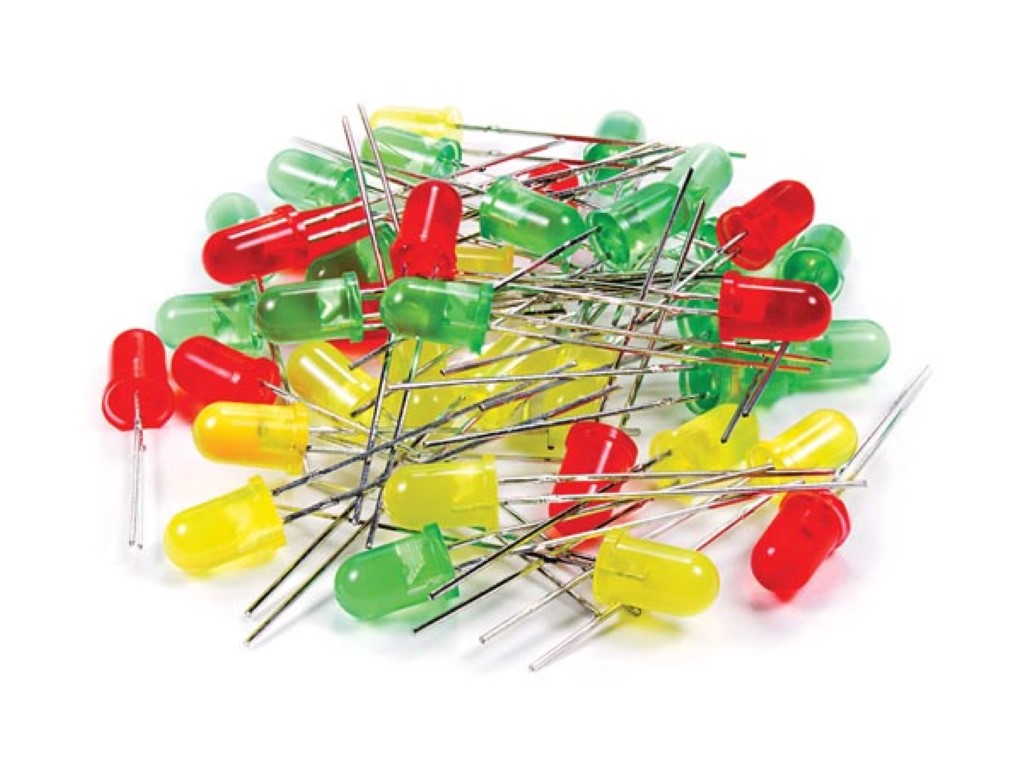
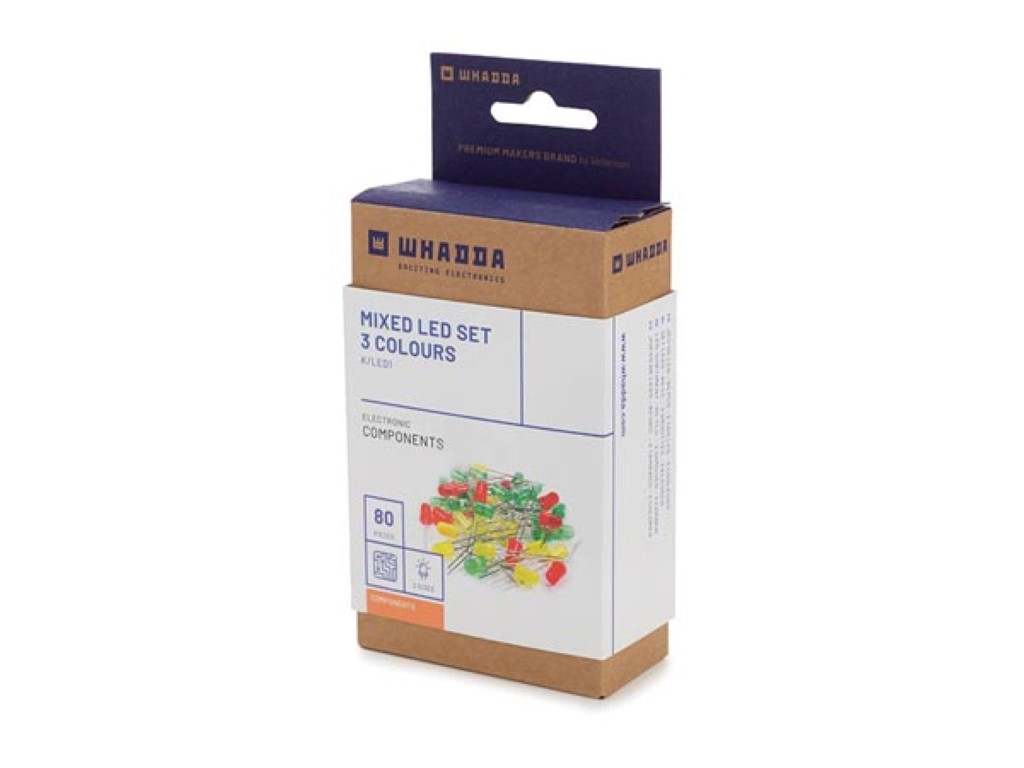
A resistor set is worth comparing by its range of values and the quantity of each value, not only the total piece count. The E3 and E12 assortments provide different value selections. Capacitor sets separate ceramic and electrolytic parts, while LED, diode and transistor sets bring together specified sizes, colours or component references.
Read the contents list alongside your circuit diagram. Check resistance or capacitance, voltage or power rating, package dimensions and polarity where relevant. A transistor with a similar appearance can have a different pinout or electrical function. If you are replacing a failed part, identify it first; if you are experimenting, a well-chosen assortment gives you practical alternatives without assuming that every component is interchangeable.
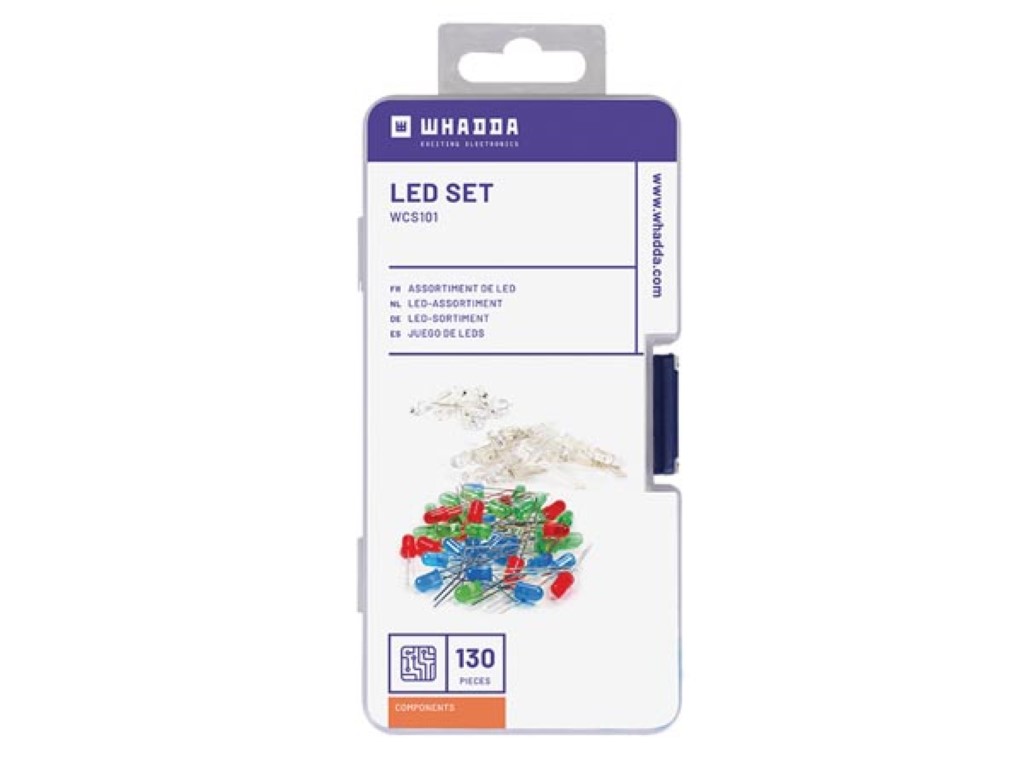
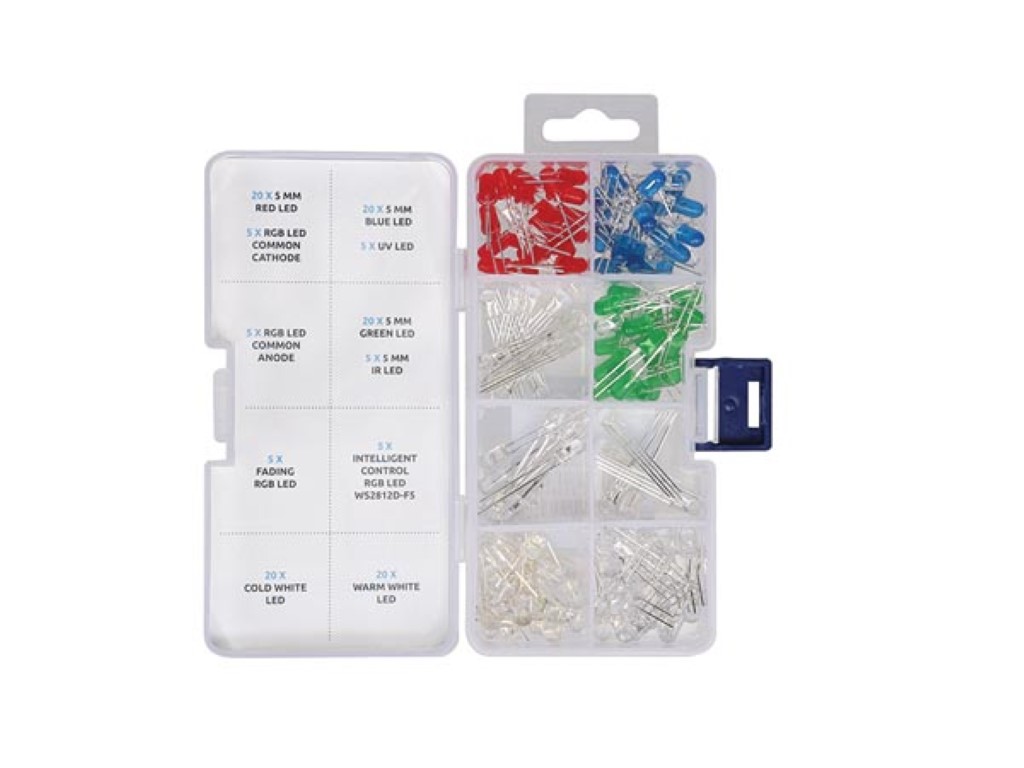
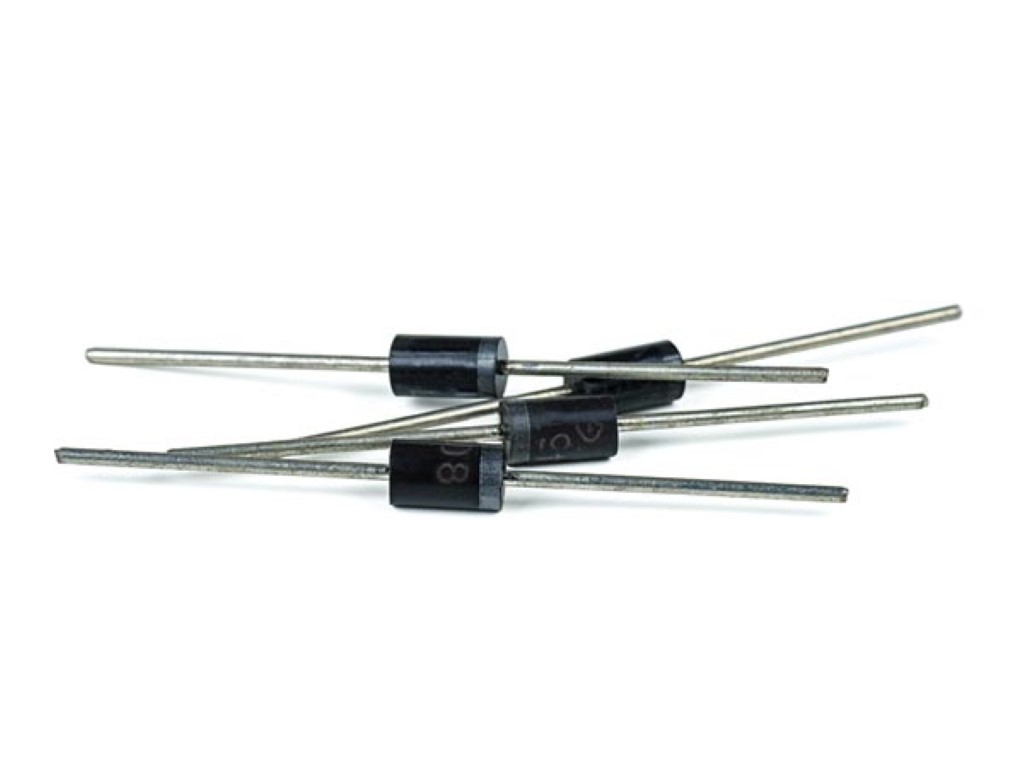
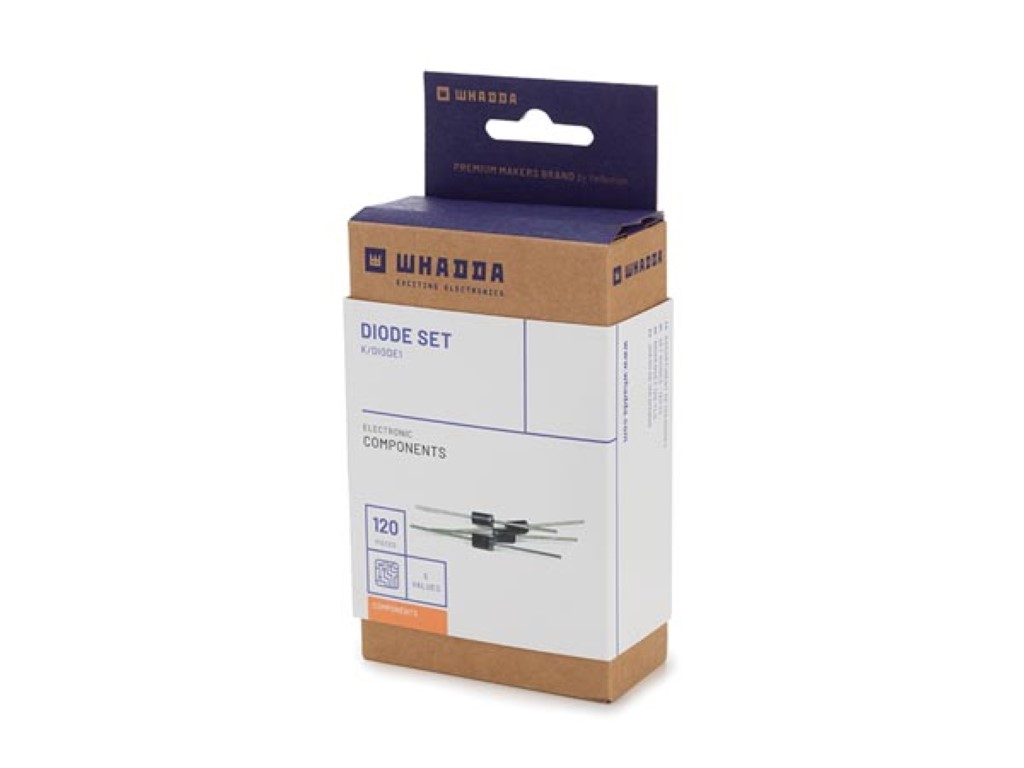
Choose around your projects: resistor and capacitor assortments support circuit building, while connector, fuse and fastening sets serve different repair tasks. Start with the component types you actually use.
E12 provides more preferred resistance values per decade than E3, so it offers finer steps between values. Compare the listed resistance range, tolerance, power rating and quantity per value.
They serve different circuit needs. Ceramic sets commonly cover smaller capacitances; electrolytic sets cover larger values and include polarity-sensitive parts. Select the capacitor type, capacitance and voltage rating specified by your circuit.
Look at the number of distinct values or sizes, not only the total piece count. Also compare quantities per reference and electrical or mechanical ratings so the set fits your recurring work.
Only if its current rating, voltage rating, breaking capacity, time characteristic and dimensions suit the equipment. Fast-acting and time-delay fuses are not interchangeable simply because they fit the holder.